Before ClassPass settled on the business model it employs today, the service went through many different phases.
Founder Payal Kadakia revealed to Cheddar how she had to change up her strategy a handful of times before finally finding success.
“The third iteration was the subscription, and that’s really when it took off...and became ClassPass,” Kadakia told Cheddar.
The self-proclaimed “mission-obsessed” founder reflected on how the service started as a search engine for fitness classes, but one that didn’t offer a value proposition for users. From there, she tested out a discovery model where users could try different classes around New York City. But she says learned a lot from each of these versions.
“Always question what you’re doing and keep iterating and pivoting until you get to that North Star,” Kadakia said.
ClassPass launched in 2011. The service includes access to around 8,500 studios and is available to consumers in 49 cities.
For full interview, [click here](https://cheddar.com/videos/the-inspiration-behind-classpass).
The number of Americans applying for unemployment benefits fell sharply last week, a sign that U.S. job market remains resilient despite higher interest rates.
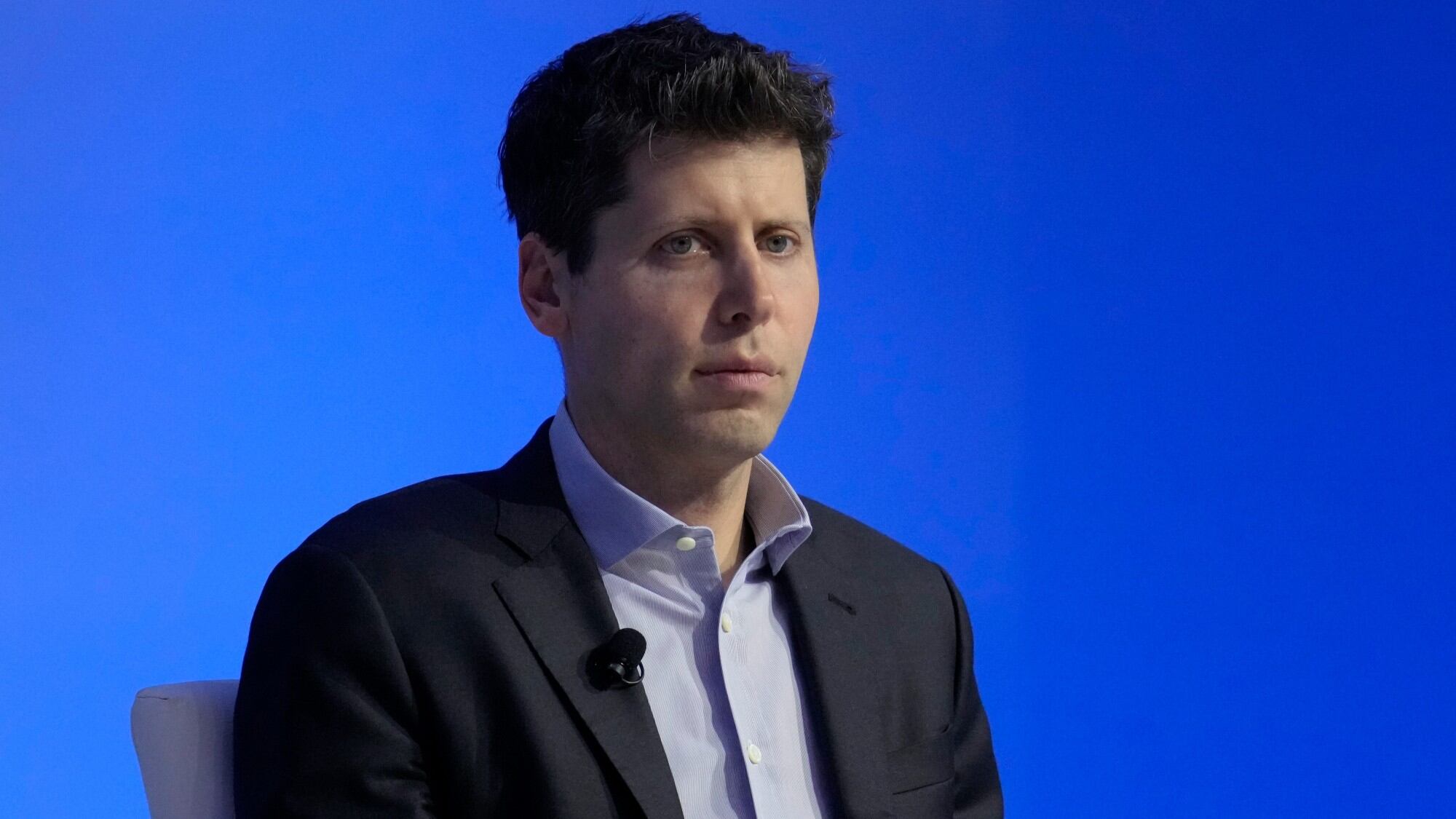
The ousted leader of ChatGPT-maker OpenAI is returning to the company that fired him late last week, culminating a days-long power struggle that shocked the tech industry and brought attention to the conflicts around how to safely build artificial intelligence.
New Jersey will prohibit the sale of new gasoline-powered vehicles by 2035 as part of an effort to improve air quality and reduce planet-warming pollutants, officials announced Tuesday.
The founder of Binance, the world’s largest cryptocurrency exchange, pleaded guilty Tuesday to a felony charge that he failed to take steps to prevent money laundering as the company agreed to pay more than $4 billion following an investigation by the U.S. government.