Before ClassPass settled on the business model it employs today, the service went through many different phases.
Founder Payal Kadakia revealed to Cheddar how she had to change up her strategy a handful of times before finally finding success.
“The third iteration was the subscription, and that’s really when it took off...and became ClassPass,” Kadakia told Cheddar.
The self-proclaimed “mission-obsessed” founder reflected on how the service started as a search engine for fitness classes, but one that didn’t offer a value proposition for users. From there, she tested out a discovery model where users could try different classes around New York City. But she says learned a lot from each of these versions.
“Always question what you’re doing and keep iterating and pivoting until you get to that North Star,” Kadakia said.
ClassPass launched in 2011. The service includes access to around 8,500 studios and is available to consumers in 49 cities.
For full interview, [click here](https://cheddar.com/videos/the-inspiration-behind-classpass).
Frances Stacy, Optimal Capital Director of Strategy, breaks down why the latest data indicates the economy may be struggling more than expected, plus some sectors she’s watching.
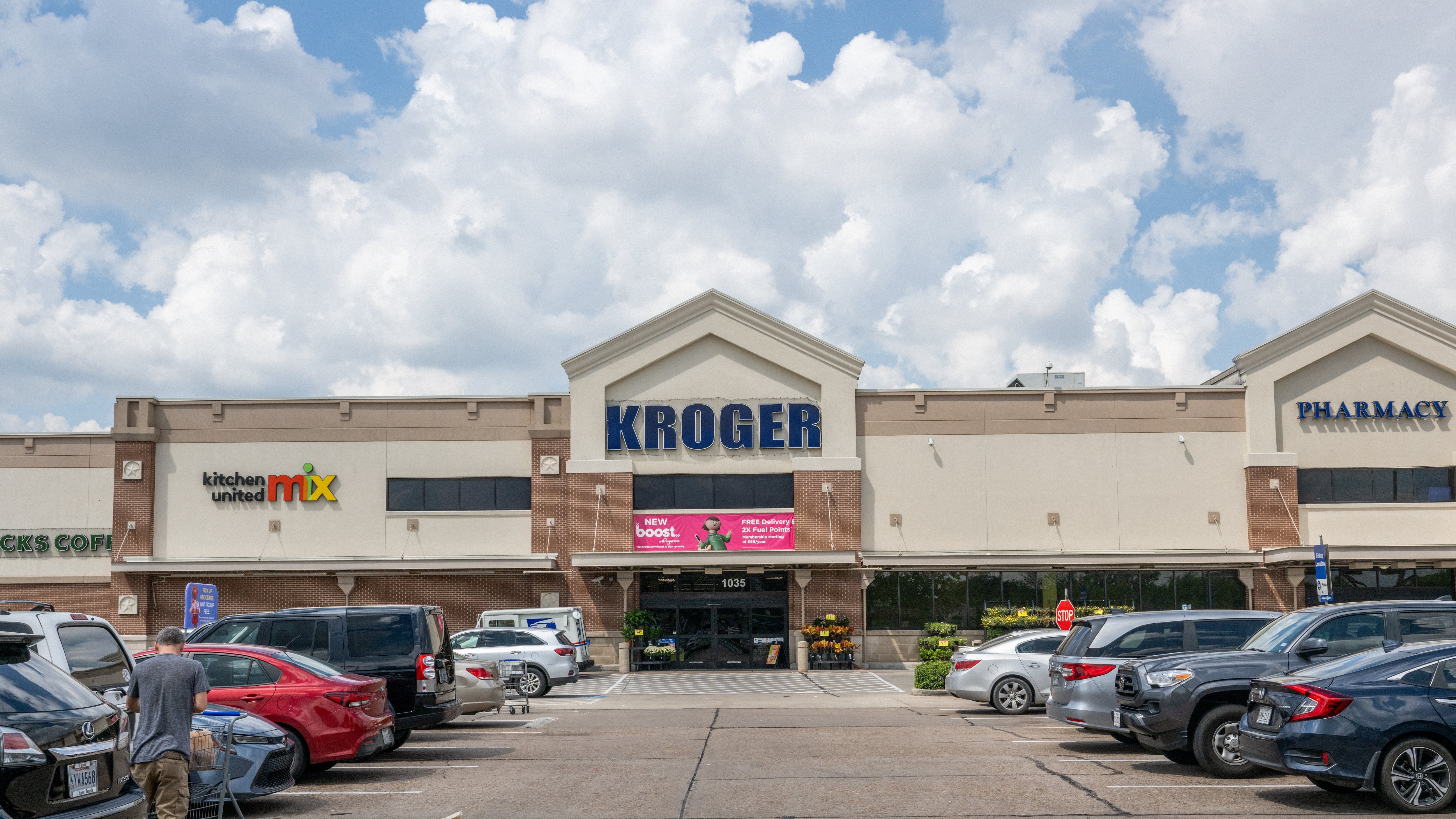
The Federal Trade Commission is suing to block a proposed merger between the two grocery stores. The FTC says the $24.6 billion deal would eliminate competition and lead to higher prices for millions of Americans.
Terecircuits CEO Wayne Rickard explains some of the other companies set to benefit from the Nvidia-led chipmaking rally, including manufacturing and toolmaking companies.
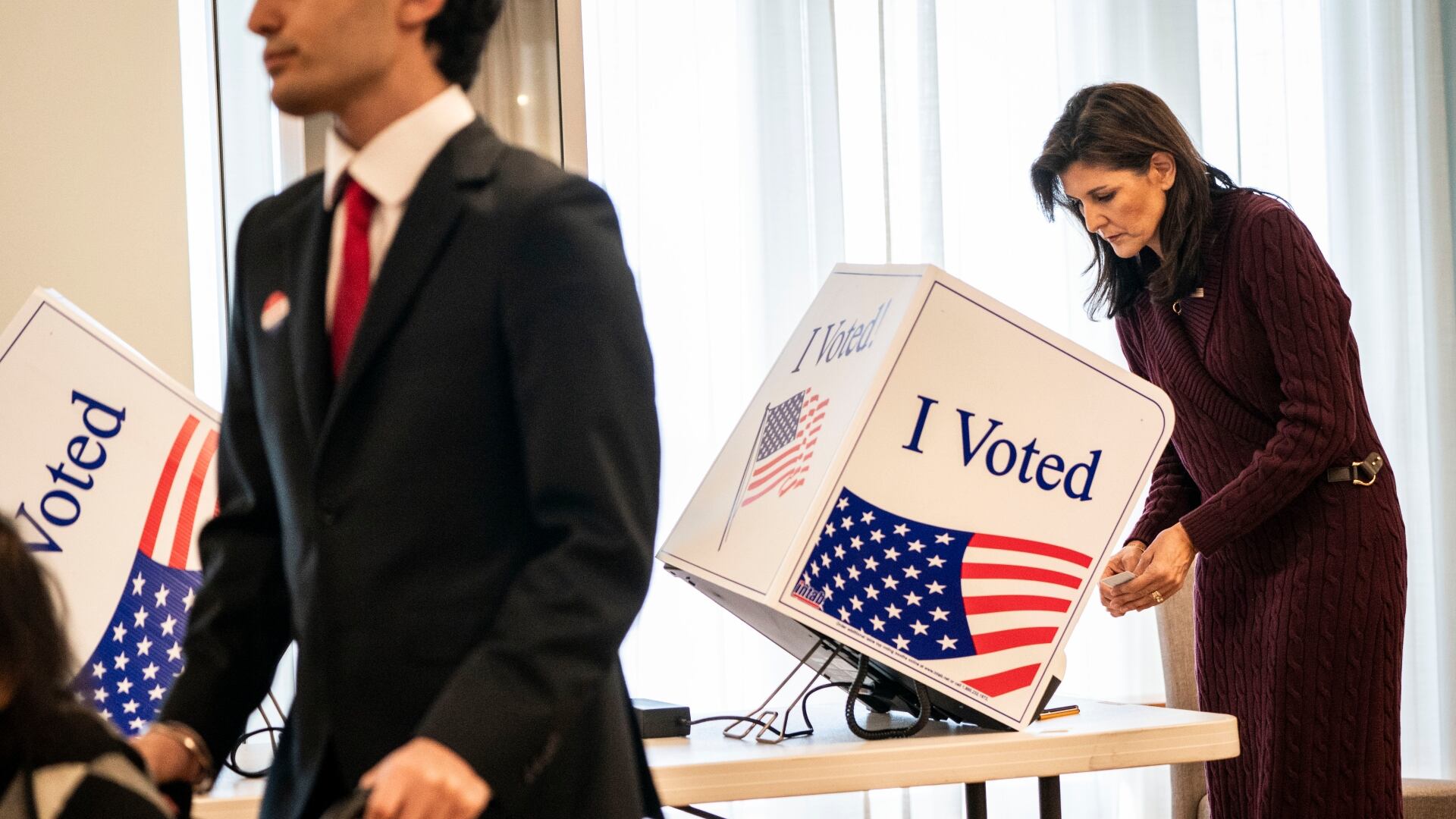
Axios reporter Erin Doherty breaks down the results from the South Carolina primary as former President Trump gets closer to winning the GOP nomination.
Jay Woods of Freedom Capital Markets shares thoughts on how the latest inflation report will impact the market, and why he expects a ‘cascade’ of IPOs if Reddit’s public debut goes well.
During AT&T's widespread outage Thursday, landline phones were a working alternative — which most of the U.S. does not have. Over half of Americans are estimated to have ditched landlines altogether.