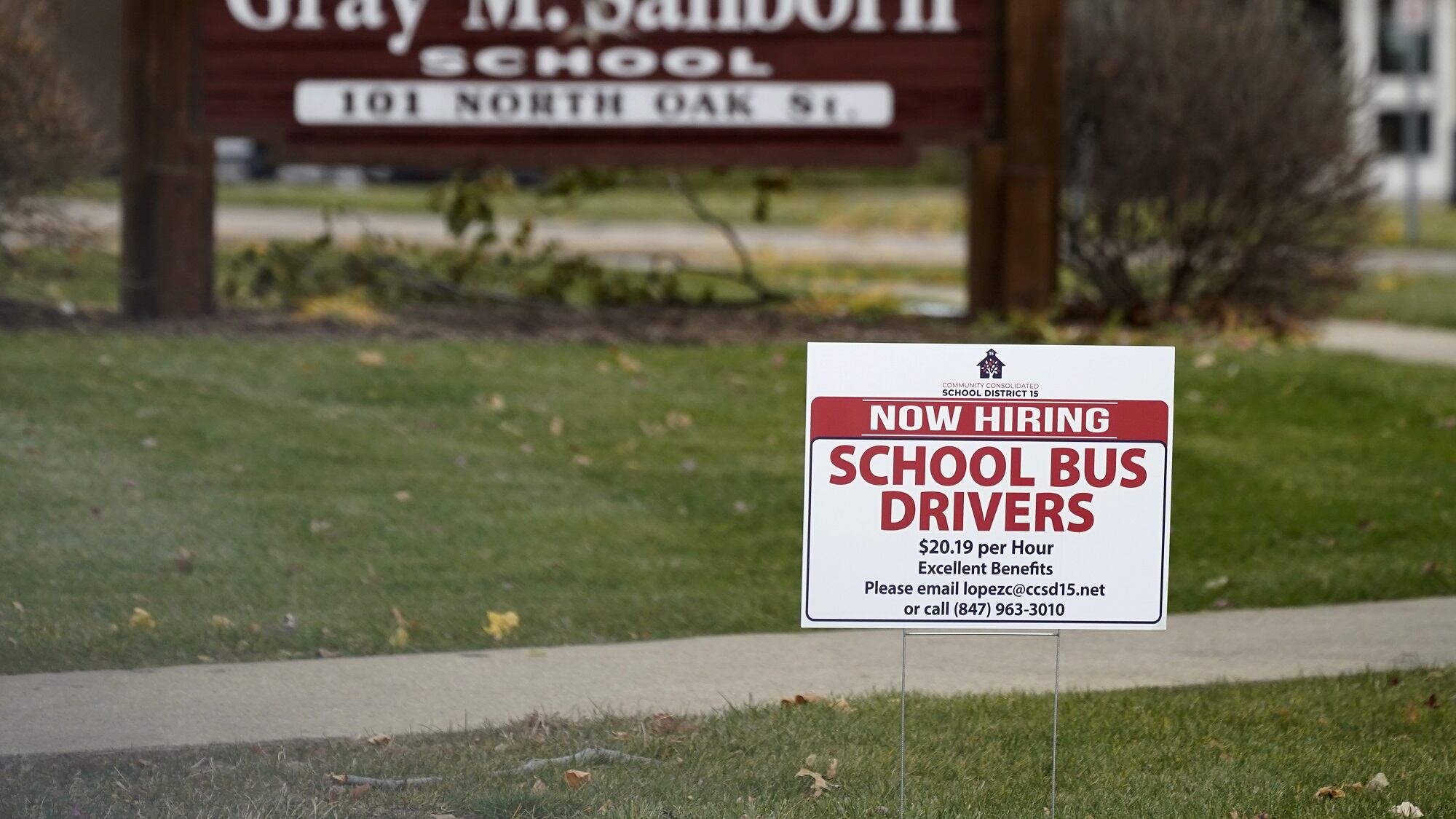
A hiring sign shows outside of Gray M. Sanborn Elementary School in Palatine, Ill., Thursday, Nov. 5, 2020. (AP Photo/Nam Y. Huh)
By Martin Crutsinger
The number of Americans seeking unemployment benefits fell by 19,000 last week to still historically high 787,000 as a resurgent coronavirus grips the U.S. economy.
While at the lowest level in four weeks, the new figures released Thursday by the Labor Department are nearly four times higher than last year at this point before the coronavirus struck. Employers continue to cut jobs as rising coronavirus infections keep many people at home and state and local governments re-impose restrictions.
Jobless claims were running around 225,000 a week before the pandemic struck with force last March, causing weekly jobless claims to surge to a high of 6.9 million in late March as efforts to contain the virus sent the economy into a deep recession.
The government said that the total number of people receiving traditional unemployment benefits fell by 103,000 to 5.2 million for the week ending Dec. 19, compared with the previous week.
The four-week average for claims which smooths out weekly variations rose last week to 836,750, an increase of 17,750 from the previous week.
Economists believe that the holidays, in addition to broad confusion over the status of a Covid-19 relief package, suppressed applications for benefits last week.
Congress finally passed a $900 billion relief bill that would boost benefit payments and extend two unemployment assistance programs tied to job losses from the pandemic. However, President Donald Trump called the measure a “disgrace” because in his view it did not provide enough in direct payments to individuals.
Trump eventually signed the measure on Sunday but sought to pressure Congress to boost the stimulus payments to individuals from the $600 in the bill to $2,000. The Democratic-controlled House quickly passed legislation to meet Trump's demand, but the Republican-led Senate checked that momentum.
Senate Majority Leader Mitch McConnell said Wednesday that the proposal to boost payments to $2,000 has “no realistic path to quickly pass the Senate.”
Meanwhile, the government has begun sending out the smaller payments to millions of Americans. The $600 payment is going to individuals with incomes up to $75,000.
Analysts believe the $900 billion package as it now stands will give the economy a boost, but only as long there are no major problems with the rollout of COVID-19 vaccinations.
Earlier this month, Trump administration officials said they planned to have 20 million doses of the vaccine distributed by the end of the year. But according to data provided by the Centers for Disease Control, just over 11.4 million doses have been distributed and only 2.1 million people have received their first dose.
President Donald Trump deflected criticism about the pace of the vaccine program, saying that it's “up to the States to distribute the vaccines.”
Most economists believe the U.S. economy will rebound at some point next year.
“While prospects for the economy later in 2021 are upbeat, the economy and labor market will have to navigate some difficult terrain between now and then and we expect (jobless) claims to remain elevated,” said Nancy Vanden Houten, lead U.S. economist at Oxford Economics.
Updated on December 31, 2020, at 11:12 a.m. ET with the latest details.
Nissan is revving up its commitment to electric vehicles. the Japanese automaker announcing plans to invest $500 million to transform its assembly plant in Mississippi to build two all-new EV models starting in 2025. It's all part of Nissan's goal to have 23 electrified models for the Nissan and Infiniti brands globally by 2030. Ashwani Gupta, Nissan's COO, joined Cheddar's Opening Bell to discuss this announcement and the company's EV goals moving forward.
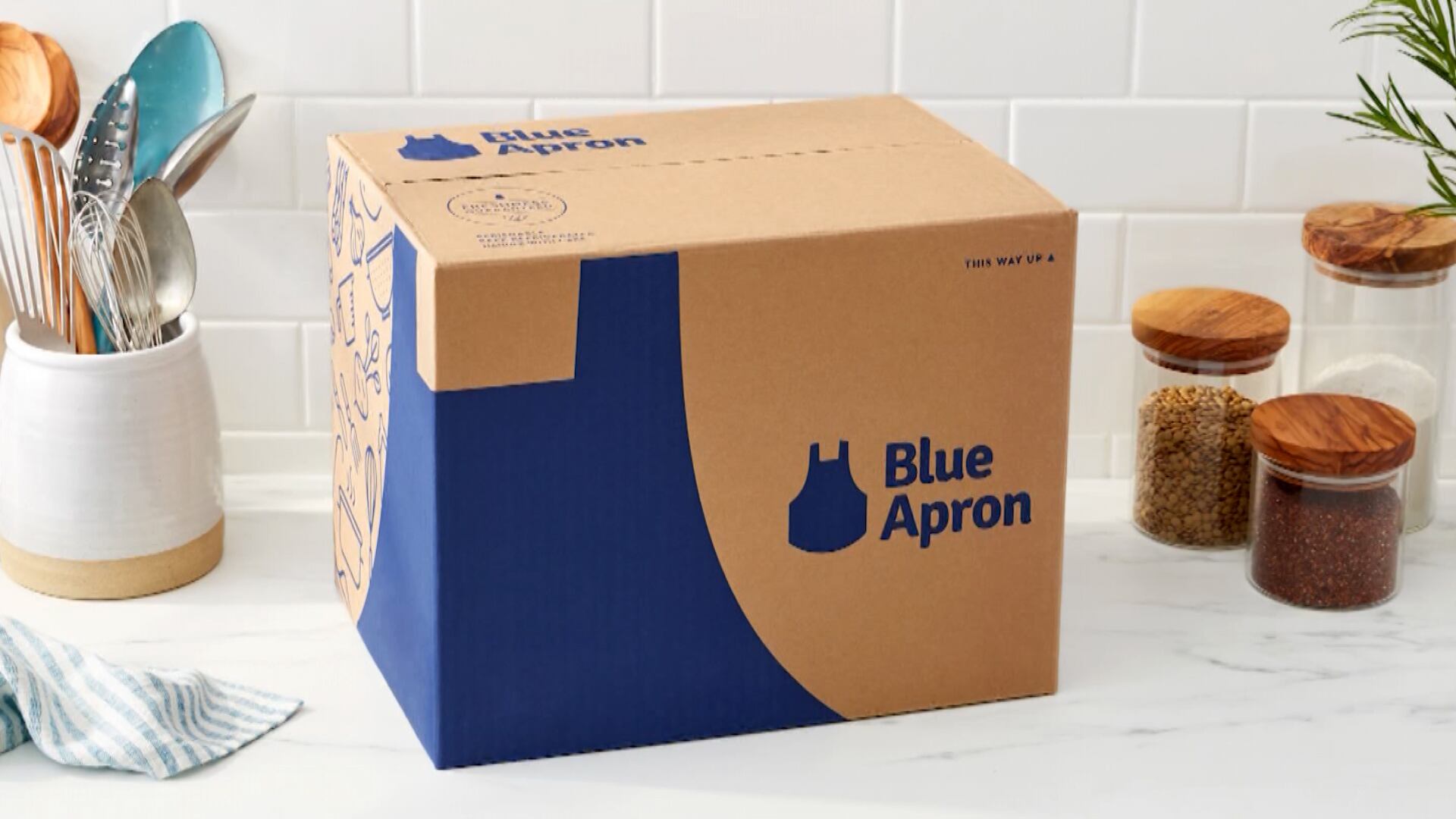
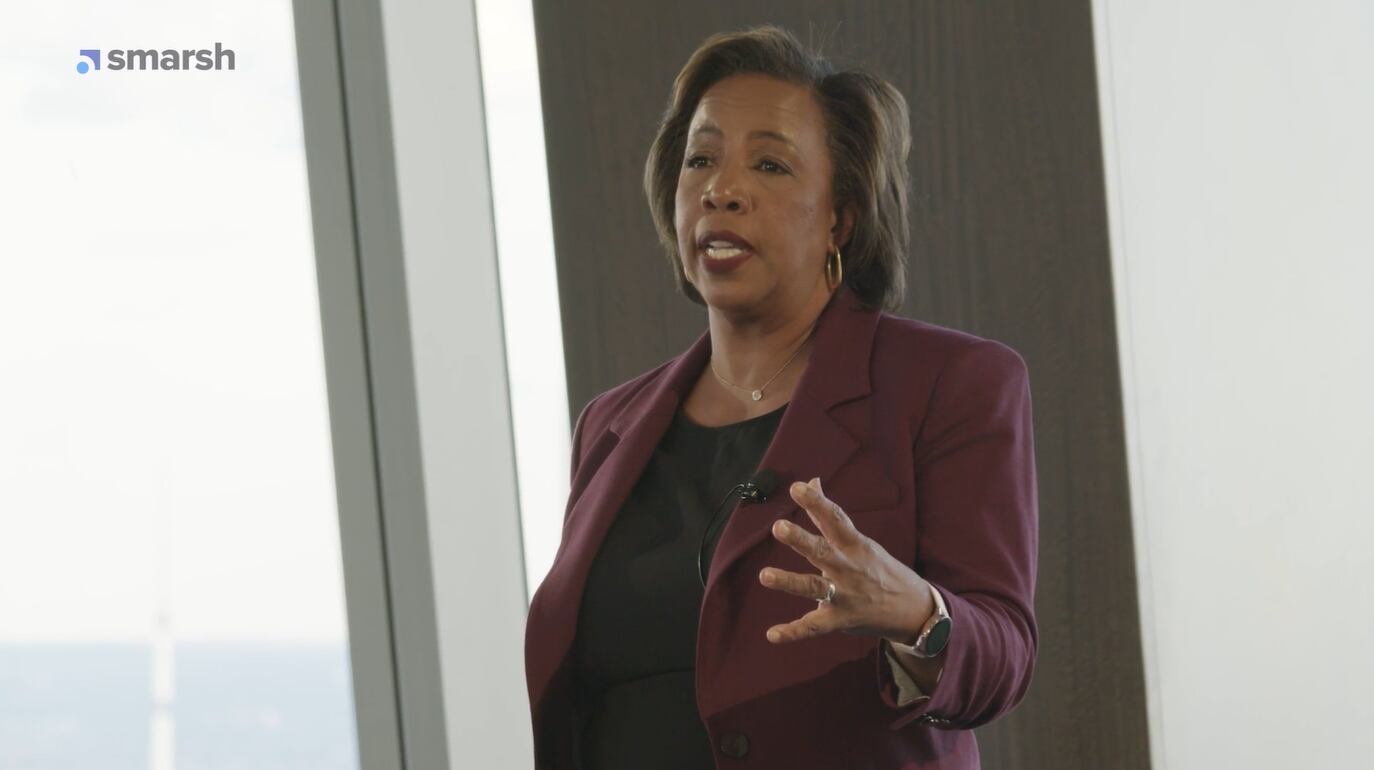
Blue Apron CEO Linda Findley joined Cheddar News to talk about the meal kit company’s Wellness 360 holistic wellness campaign and previewing Q4 and end of year results to be released next week. "Really the concept here is about holistic wellness and health," Findley said. "So thinking through not just what you're eating, but also mental health and financial health. And so we try to bring lots of tools to people so that they can think about ways to manage that balance."
Cepton made its debut on the Nasdaq under the ticker symbol ‘CPTN’ on Thursday. Jun Pei, the co-founder and CEO, joined Cheddar News to discuss going public and its lidar-based solutions for improving safety in autonomous features in cars. "It's really just a huge benefit in addition to radar and camera, and becomes an entire sensor suite that will bring cars to a higher level, both for safety and autonomy."
A Senate bill unveiled on Wednesday looks to tackleonline safety for children by regulating Big Tech and social media platforms to deter users from content that can harm their mental health. Irene Ly, a policy counsel for the age-based ratings and review organization Common Sense Media, joined Cheddar News to break down the potential of the Kids Online Safety Act. "We can't be imposing such a big burden on parents to be doing it all on theirselves," Ly said. "I think you also have to keep in mind that parents often didn't grow up with social media, so they don't understand what it's like to be addicted to social media or really understand how they work."
While many still remain skeptical about the metaverse, big tech firms and even one big bank are ready to expand their virtual worlds. Facebook parent company has pivoted so hard it will now call its employees 'Metamates,' and even JPMorgan Chase has created its own digital lounge on one virtual platform. While the sector remains young, there seems to be significant investment opportunity, especially with companies like Nvidia. Adam Johnson, a portfolio strategist at Adviser Investments, joins Closing Bell to discuss which companies could win in this space, consumer appetite, and more.
Marc Blinder, Co-Founder and CEO of Aikon, joins Cheddar News' Closing Bell, where he discusses how his company is helping businesses use blockchain applications without needing to learn the intricacies of the new technology.
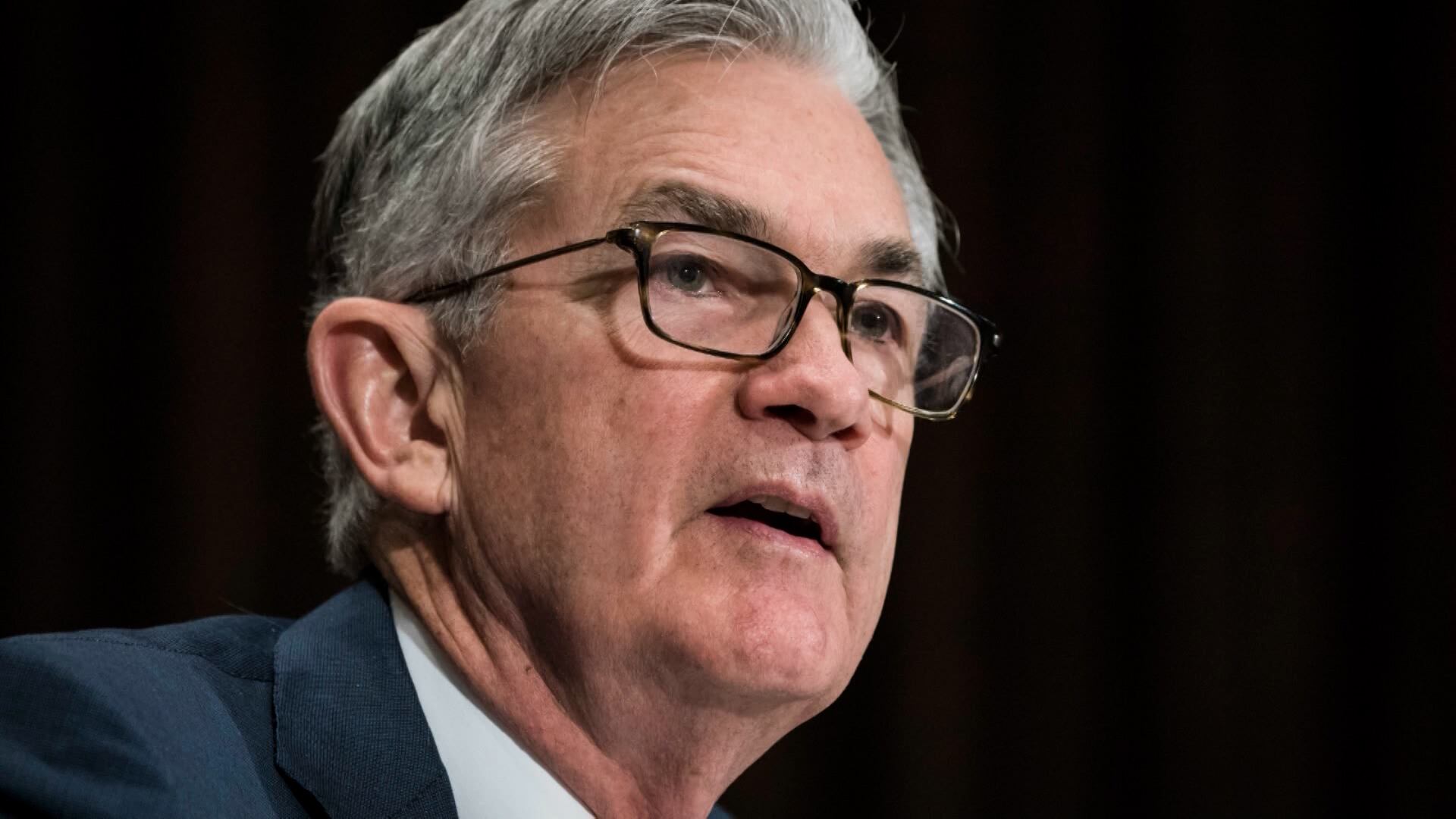
The Federal Reserve minutes from its January meeting are indicating it's sticking to an interest rate hike in March, but what does the report coupled with ongoing inflation mean for investors going forward? Scott Brown, a market strategist at LPL Financial, joined Cheddar News to break down the minutes and talk about how investors might navigate the rest of the year. "it seems like the market is kind of inclined to trade off these headlines, really, through the first half of the year," he said. "And then, oh, don't forget, we've got midterm elections, which always tend to add a little bit of volatility in the second half of the year." Brown noted that the path forward for stock investors in 2022 would be "rockier" than last year.