Bringing manufacturing back to the United States is a top priority for the Biden administration, but a new report from Citi indicates that companies might have other priorities when it comes to securing their supply chains.
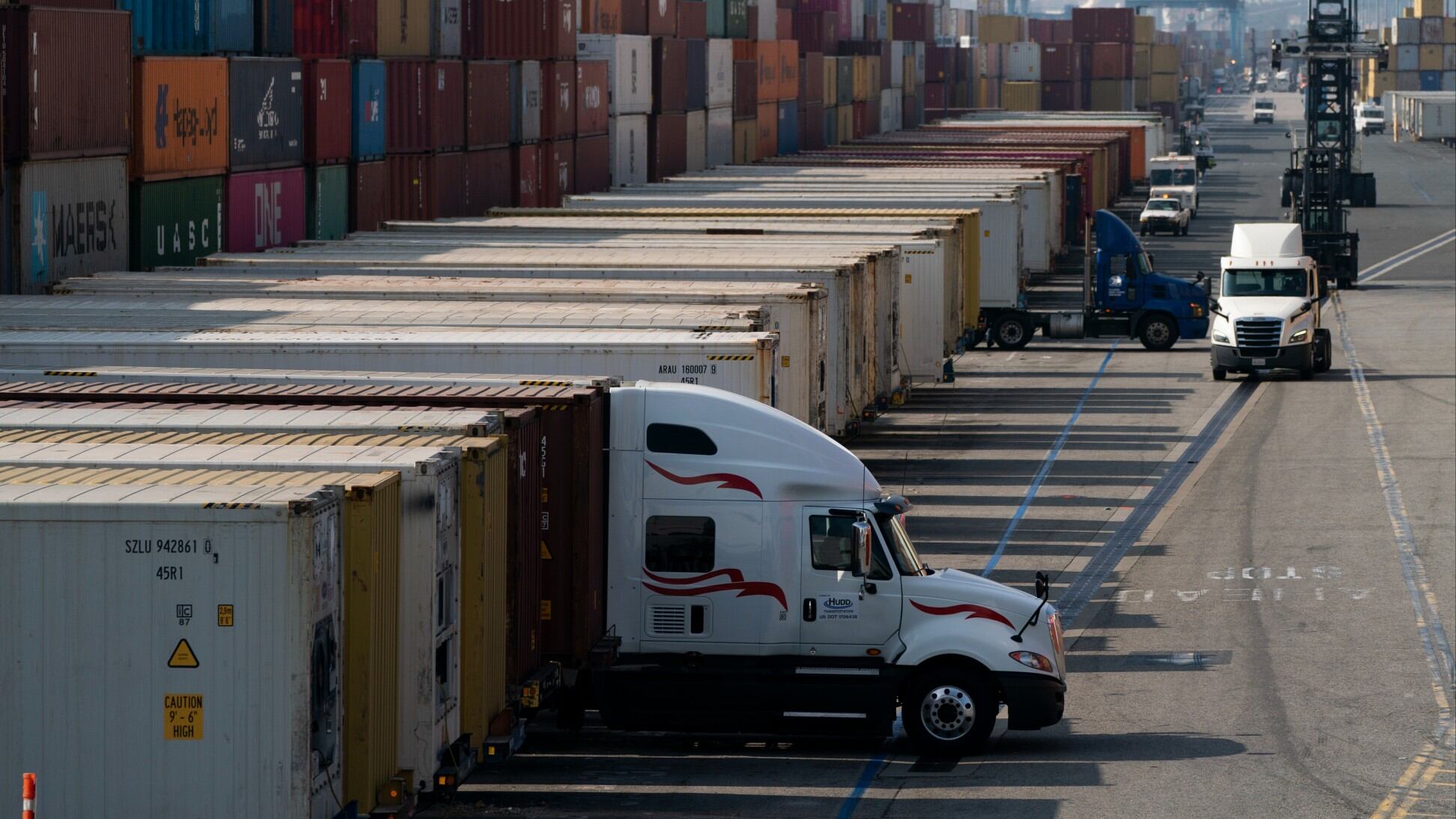
“The pandemic and then the war in Ukraine demonstrated the fragility of supply chains," said CEO Jane Fraser in a forward to Citi's second annual report on supply chain finance. "While reshoring and nearshoring may seem like the next steps, buyers and suppliers alike indicate that the higher priority is resiliency or redundancy deeper into the supply chain."
From a national perspective, reshoring is a step toward resiliency and redundancy. But for individual companies, it's a little more complicated.
For example, the report noted that many companies are prioritizing increasing the geographical diversity of their suppliers over building new facilities in their home countries. That way, if something goes wrong in one part of the world (a war, for example) they can rely on suppliers not from the impacted region.
In addition, many companies are focusing their efforts on building inventory buffers, which are sort of like rainy day funds but for physical goods. Again, this is a very different strategy than developing new supply chains on national soil.
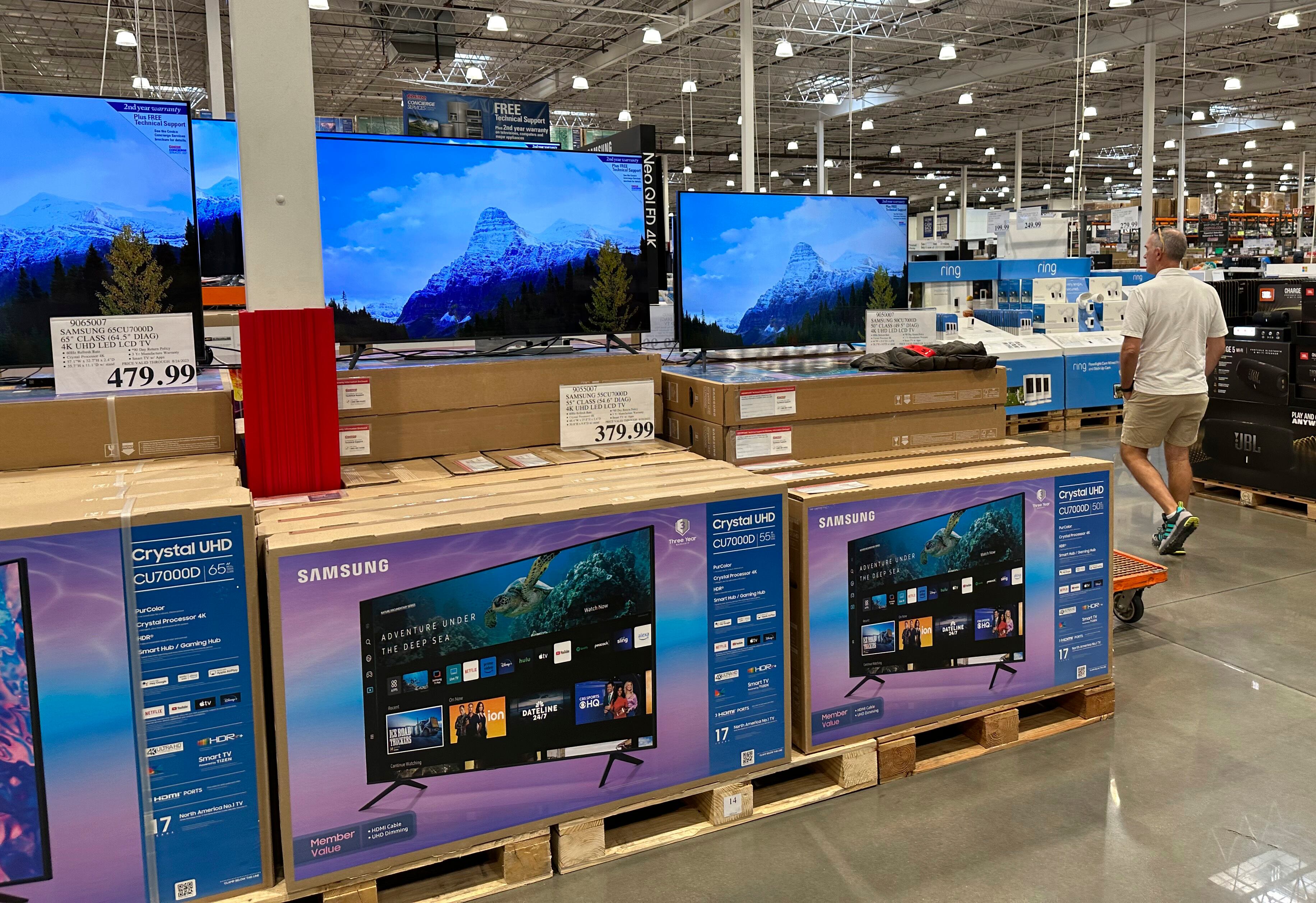
The tough part about keeping extra inventory or buffers, though, is that it costs money. Just ask Target or Walmart. Both companies built up too much inventory during the pandemic and were forced to offer steep discounts to customers just to clear their shelves, which significantly lowered their profit margins.
For Citi, a major bank, the answer is more working capital for supply chain needs. "To help ensure the financial health of supply chains and mitigate risks, buyers and suppliers want to ensure they have ready access to financing, when and where it is needed," read the report.
However, Citi stressed that rising interest rates are not making financing any more accessible.
"The cost of capital continues to climb for both organizations large and small," it said. "Buyers should be mindful of how this negatively impacts companies’ working capital needs across the supply chain and adversely affects small suppliers."