The charitable arm of San Francisco-based technology giant Cisco Systems has pledged to invest $100 million over the next decade to help reverse the impact of climate change. The funding is aligned with the company's goal to reduce emissions, waste, and its sprawling global supply chain's carbon footprint.
"What we're looking for are companies that are, of course, technology-focused that will participate in either the capture of already-existing greenhouse gasses, the reduction of future greenhouse gasses, the promotion of green jobs, and just the broader community awareness and education," Cisco CFO Scott Herren told Cheddar.
Outside of that criteria, the Cisco Foundation is seeking "innovative and/or imaginative climate solutions that drive forward net zero or circular/regenerative economies," according to a release.
"Today's commitment will build on the Foundation's approach to funding that drives meaningful impact by supporting early-stage, technology-based solutions with the potential to scale and be sustainable," said Peter Tavernise, executive director of the Cisco Foundation, in a statement.
Herren said the company's focus on climate change precedes this latest commitment and indeed was informed by earlier efforts to clean up its sprawling supply chain and product line, which includes telecommunications equipment, networking hardware, and even software.
The company said it's currently on track to design 100 percent of new products and packaging to incorporate "Circular Design Principles — the idea that a product has a set lifecycle designed around future reuse or recycling — by 2025.
The next step is tackling its supply chain, "because a lot of the carbon footprint that we have as a company really happens after the product leaves the door," Herren said.
He added that this will require close collaboration within the industry, as many of Cisco's competitors use the same suppliers.
"So to the extent that we can have a consistent set of requirements on those suppliers, it gives us all more opportunity to bring the positive change that we want to see," Herron said.
Not only is April Financial Literacy Month, it’s also the kickoff of the spring homebuying season. So now is the time to make sure you have a financial plan in place – and why it might not be wise for that to include buying your first home.
While the U.S. may slowly be on the path to lowering inflation (and therefore interest rates), Europe has thoroughly trounced America, putting it on the path to lower rates by this summer.
April's release of the monthly Housing Starts and Building Permits reports by the Census Bureau provides crucial insights into the construction activity in the housing market. These reports are an economic indicator, shedding light on the current state of the housing market and its broader economic impact.
Caitlin Clark is heading to the Indiana Fever, the number one draft pick and the highest-scoring college basketball player of all time. And while she may not be getting millions from the WNBA, there's a few ways she'll net compensation for her generational talents.
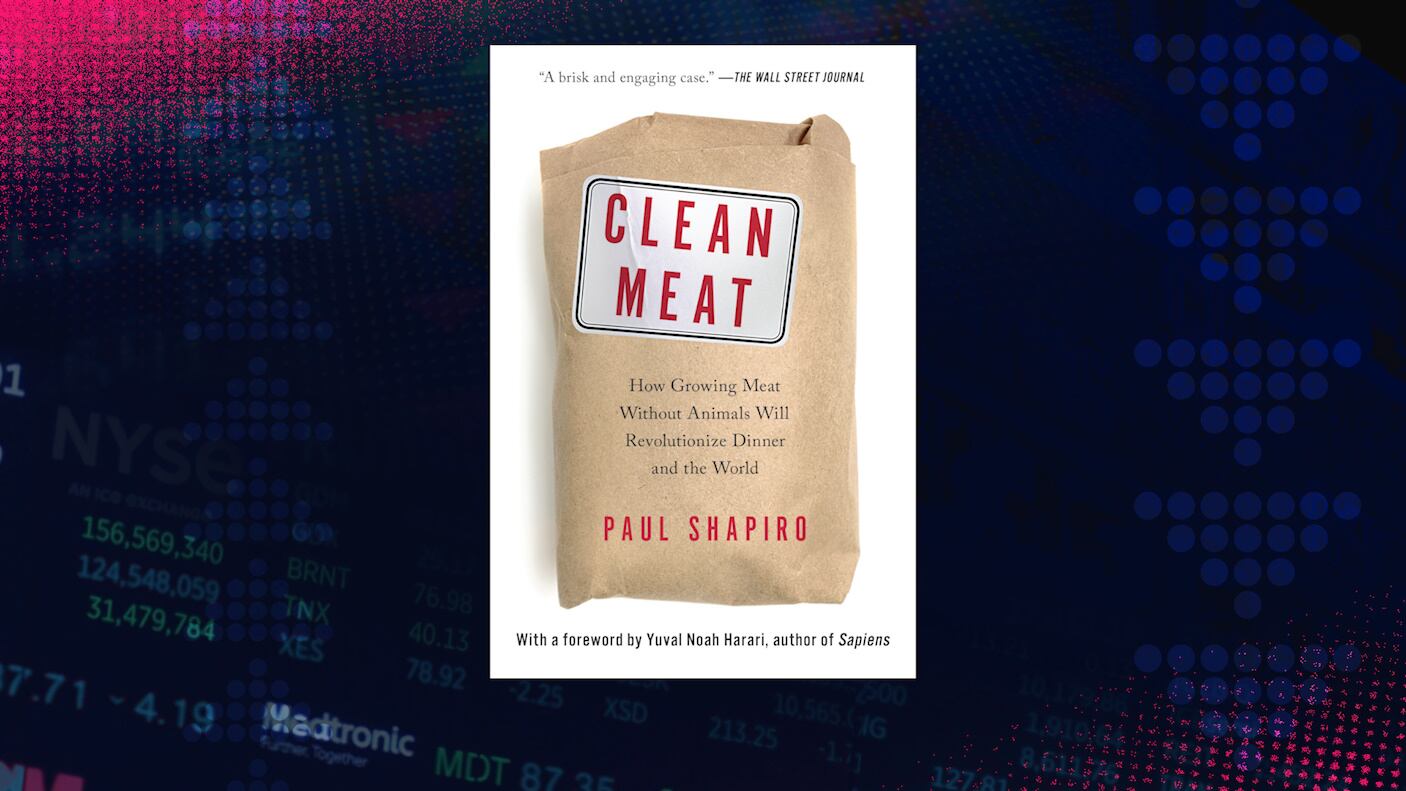
Author of 'Clean Meat,' Paul Shapiro joins Cheddar to discuss how the cellular agricultural revolution helps lower rates of foodborne illness and greatly improves environmental sustainability. Plus, how his company The Better Meat Co. is bringing healthier food options to the table.
Recent headlines might make it sound like World War III is imminent, but when it comes to your finances, it's not the time to panic. The market is coming off its longest winning streak since 2011.
You may have noticed fewer new venture capital-backed startups (like Airbnb or Uber) lately. The market slowed to a crawl after 2021, but things are expected to take off again in 2025.
Corporate earnings season is underway, that time when companies share their billions in sales or double-digit profits. But the data shows even companies are struggling with high inflation and interest rates.
Boeing continues their terrifying trend of having their planes fall apart mid-flight, inflation — checks notes — is still up and the future of AI looks terrifying. Cheery!
Food waste – uneaten scraps or leftovers sent to landfills – is responsible for 10% of global emissions. Mill, a new product from the co-founder of Nest, thinks technology can play a role in eliminating it.