Early Wednesday morning the Senate passed its tax reform bill, hours after it was sent back to the House for a re-vote. Romina Boccia, Deputy Director at The Heritage Foundation, joins Cheddar to discuss how the bill will impact small companies and what she wishes was included in the legislation.
She predicts there will be more foreign direct investments into American companies, which will drive wages and create jobs in the U.S. It will encourage major corporations to move their headquarters to America. The corporate tax rate will drop from 35% to 21%, bringing American closer to the world's average, she says.
Plus, many are concerned about the removal of the state and city tax deduction. Boccia explains you can still deduct up to $10,000 with the cap now. She says only very wealthy individuals will feel an impact.
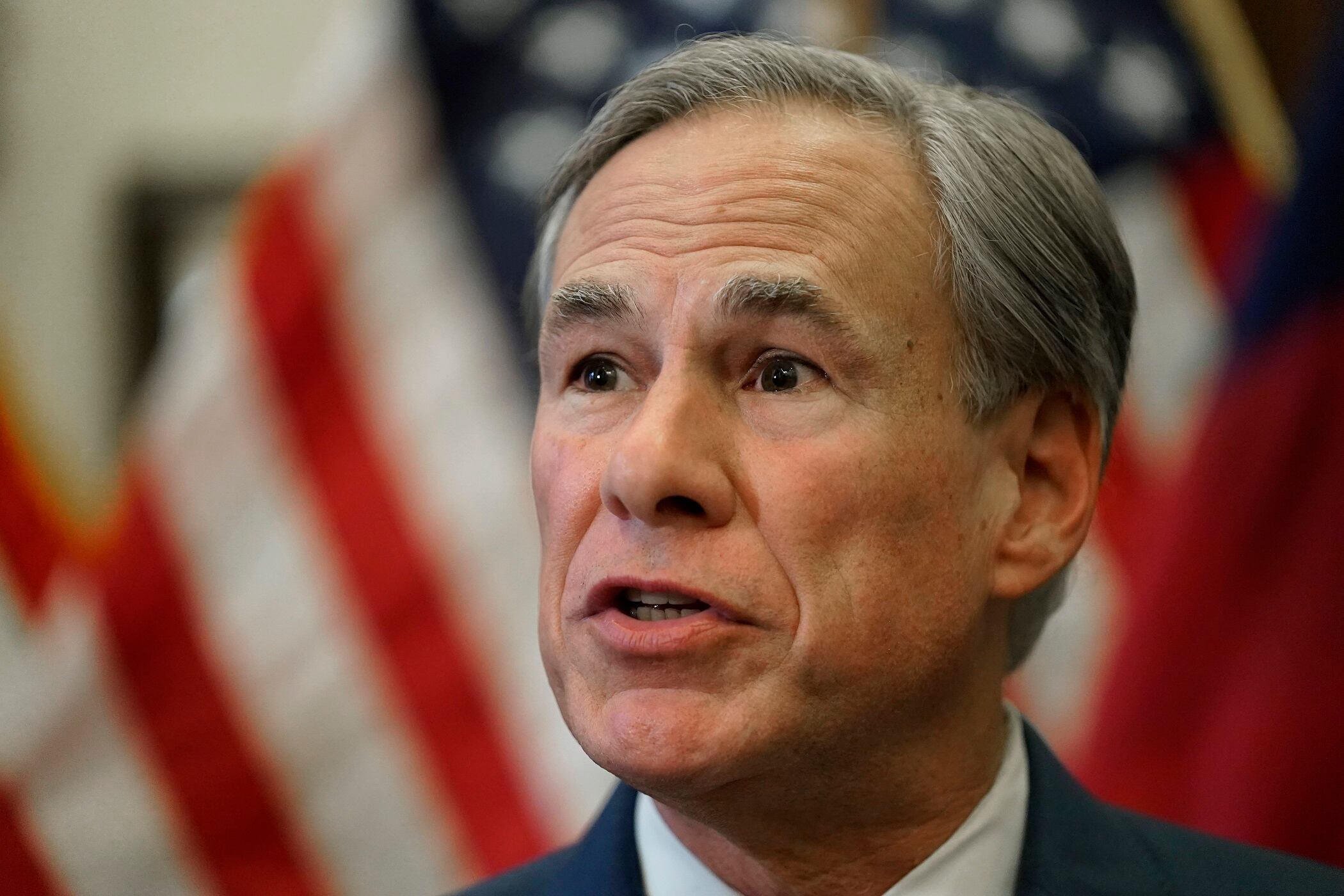
Republican Texas Gov. Greg Abbott has tested positive for COVID-19.
The Taliban have vowed to respect women’s rights, forgive those who fought them and ensure Afghanistan does not become a haven for terrorists.
New Zealand’s government has taken drastic action by putting the entire nation into a strict lockdown after finding a single case of coronavirus infection in the community.
President Joe Biden says he stands “squarely behind” his decision for the U.S. to leave Afghanistan.
Stock indexes closed at record highs on Wall Street Monday, despite rising coronavirus infections in the U.S. and around the globe, as well as geopolitical concerns in Asia.
From Wall Street to Silicon Valley, these are the top stories that moved markets and had investors, business leaders, and entrepreneurs talking this week on Cheddar.
House Speaker Nancy Pelosi is facing a fresh hurdle to passing President Joe Biden’s multi-trillion dollar domestic policy aspirations.
Collapse of Afghanistan, Future of Fast Food & Britney Gets a Win
The U.S. is sending an additional 3,000 troops to Afghanistan to assist in the evacuation of some personnel from the U.S. Embassy in Kabul.
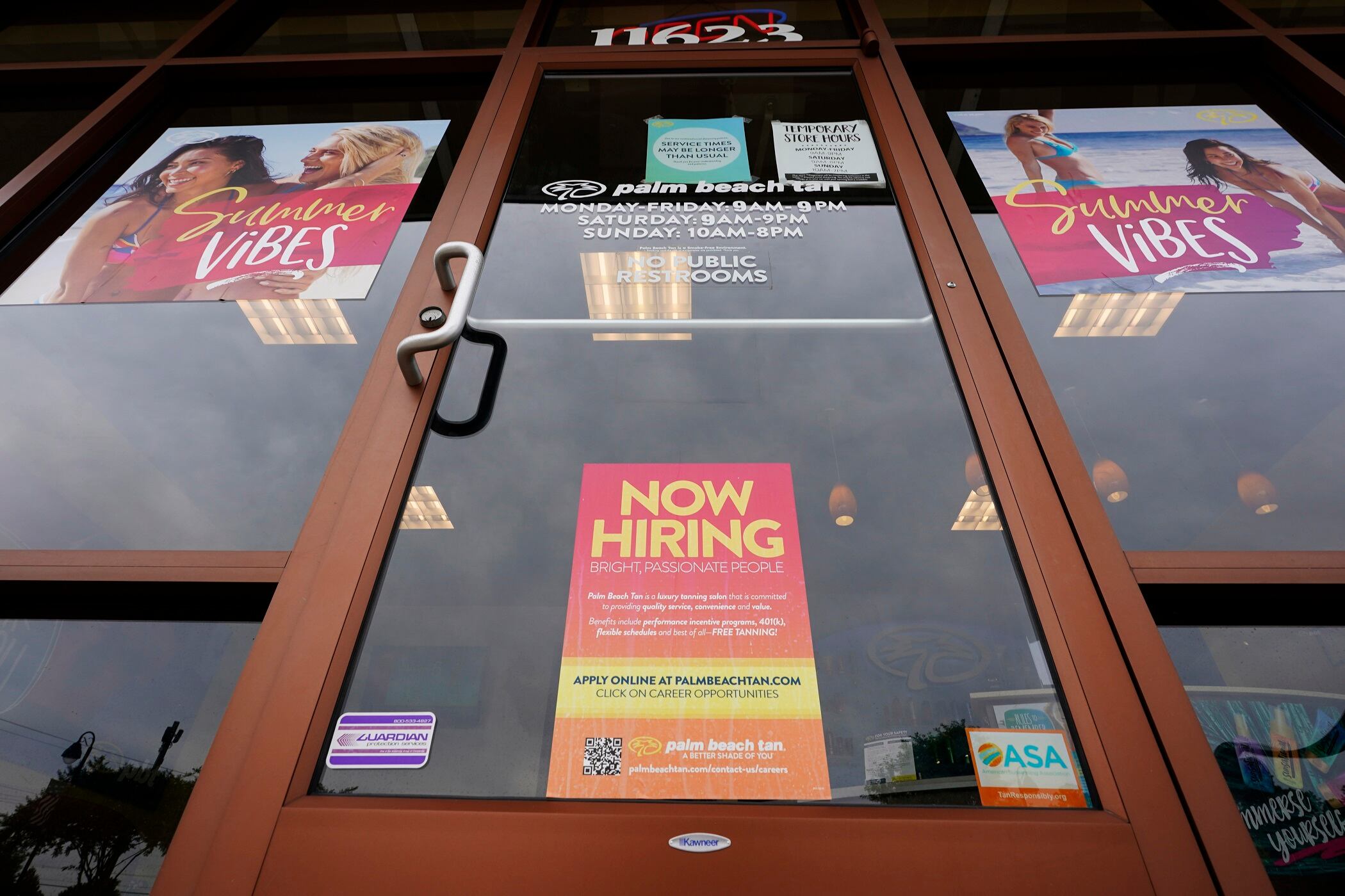
The number of Americans seeking unemployment benefits fell for a third straight time last week, the latest sign that employers are laying off fewer people as they struggle to fill a record number of open jobs and meet a surge in consumer demand.