Chipocalypse Now: Processor Design Flaw Affects Billions of Devices
Intel and other chipmakers are in the hot seat after a major flaw was revealed in processors used in billions of devices. Russell Brandom, Reporter at The Verge, was with us to break down the latest developments in the cybersecurity scare.
After taking a backseat following news of chip design flaws that impacted billions of devices, Apple has finally spoken up, revealing all Mac systems and iOS devices are affected. Most big tech companies, including Google and Amazon, responded promptly to the security threat. Brandom says disclosure about these kind of issues is tricky, but adds that companies must have fixes for the flaws when they make the official announcement in order to prevent attackers from compromising the devices.
Brandom says the biggest impact of the flaw won't be seen on your phone or laptop. He’s most worried about the impact on cloud services like AWS and Google Cloud.
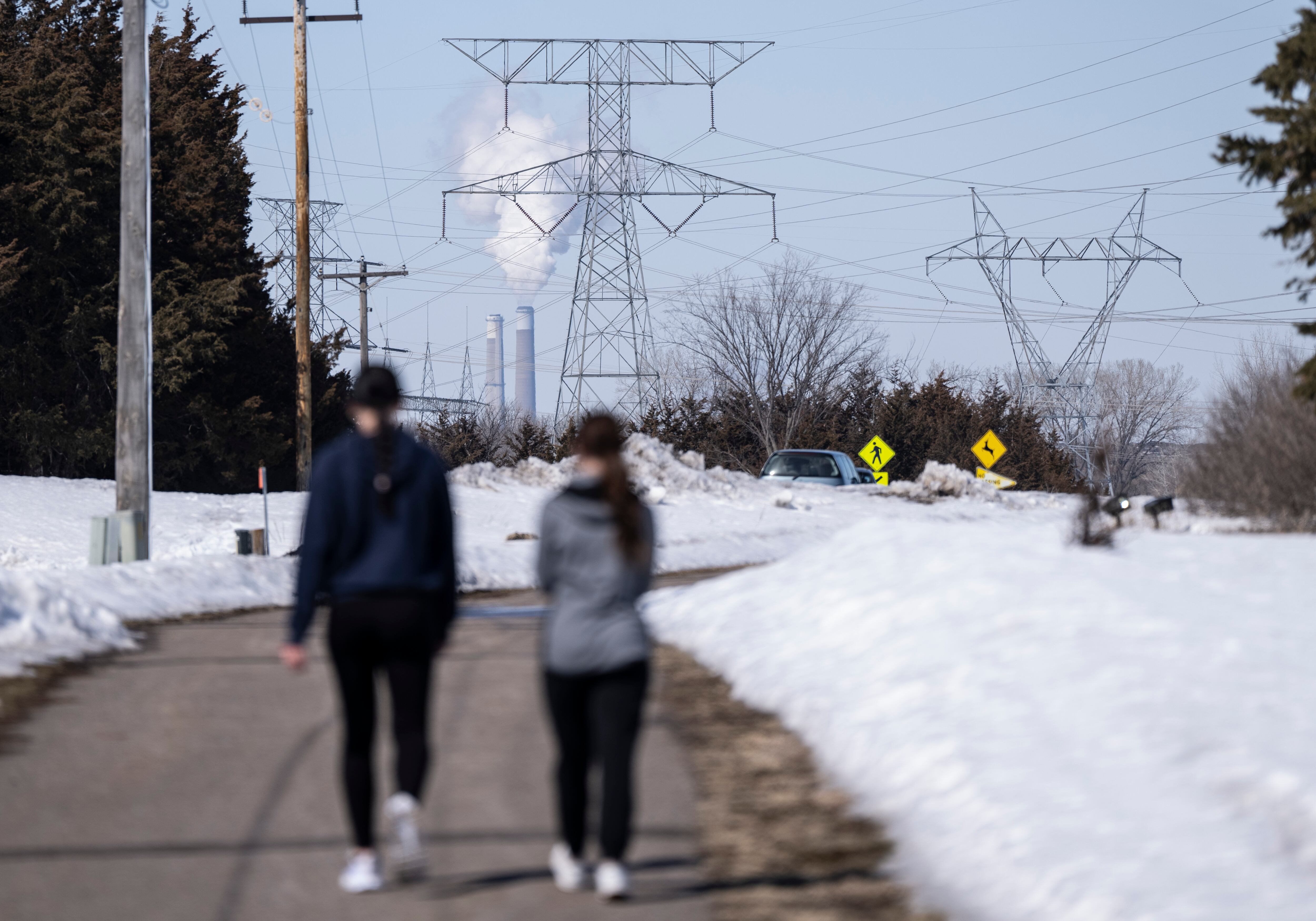
A Minnesota utility began shutting down a nuclear power plant near Minneapolis on Friday after discovering water containing a low level of radioactive material was leaking from a pipe for the second time. While the utility and health officials say it is not dangerous, the issue has prompted concerns among nearby residents and raised questions about aging pipelines.
Some parts of Twitter's source code — the fundamental computer code on which the social network runs — were leaked online, the social media company said in a legal filing that was first reported by The New York Times.
While data privacy still remains one of TikTok's biggest challenges, it may face a larger problem in order to stay in the United States: content moderation.
Governor Spencer Cox signed two measures restricting how easily children in the state can access platforms like TikTok and Twitter, setting the precedent in the U.S.