*By Jacqueline Corba*
The Chinese gaming firm Huya made its public market debut Friday, trading up as much as 41 percent from its IPO price of $12.
"We are very glad," said Huya's chief financial officer, Henry Sha, in an interview with Cheddar shortly after the company began trading on the New York Stock Exchange. "The e-sports environment in the U.S. market is quite good. A lot of gamers, a lot of e-sports are enthusiastic here, so we believe that the U.S. investor, the U.S. market can understand more about our company."
Huya's live-gaming platform has an average of 40 million active monthly users on mobile. In 2017, revenue was $344 million.
Sha said China is the primary market for Huya, but there is great potential among gamers in the United States.
Huya aims to raise $165 million in its public offering, Sha said, with the intention of using the capital to invest in e-sports and content creators.
Chinese entertainment giant Tencent is the second-largest stakeholder in Huya, and will maintain its 39.5 percent ownership. "We are very excited about future collaboration with Tencent," said Sha.
For the full interview, [click here](https://cheddar.com/videos/huya-soars-in-market-debut).
Lobbyists for the crypto industry are calling for last-minute revisions to an infrastructure bill provision that could fundamentally change how the federal government treats holders of digital assets.
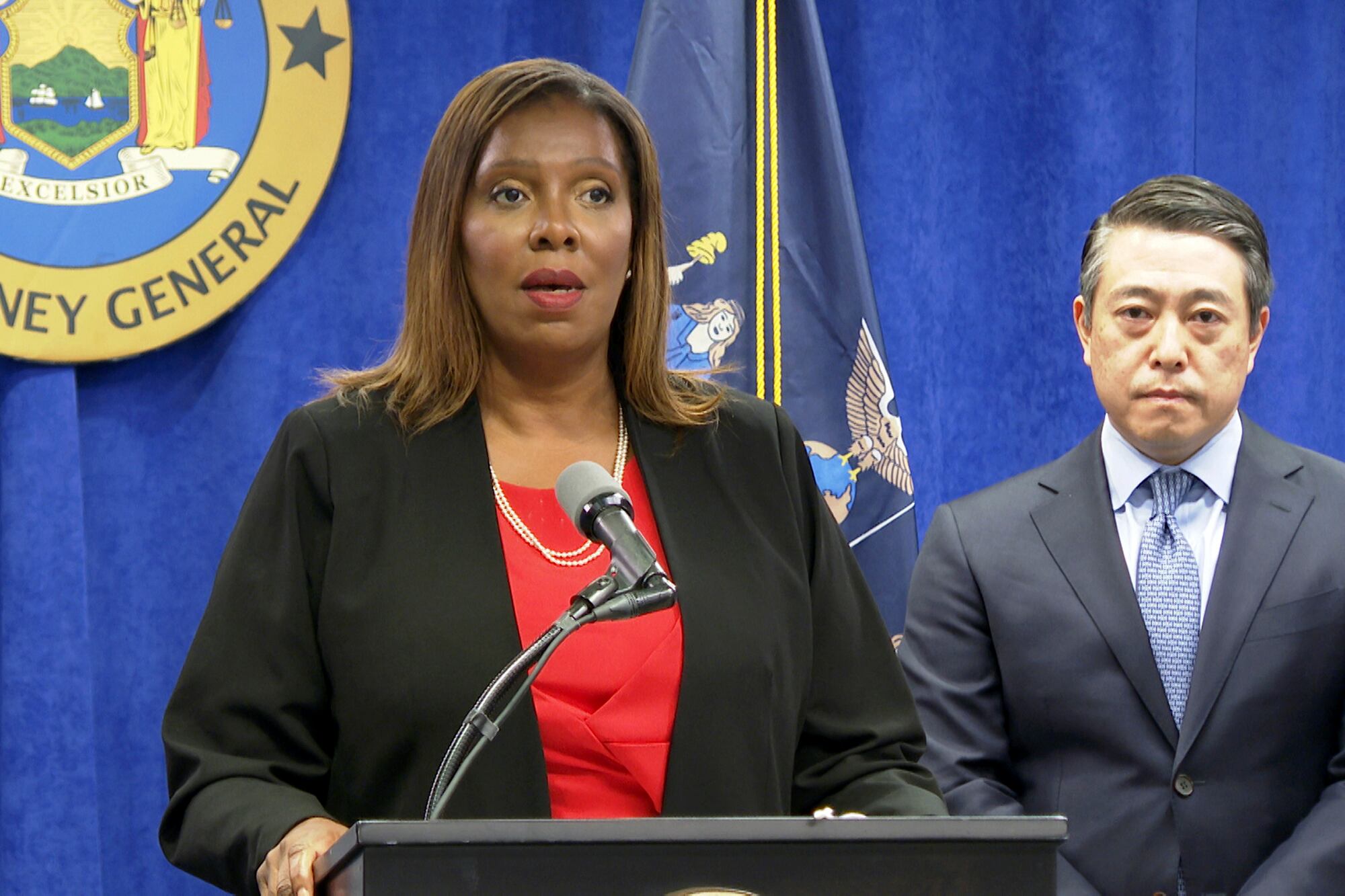
Cuomo Report, Evictions Halted & Passenger From Hell
J. Allen Brack, the president of Activision’s Blizzard Entertainment, is leaving the company as it continues to deal with the fallout from a discrimination and sexual harassment lawsuit.
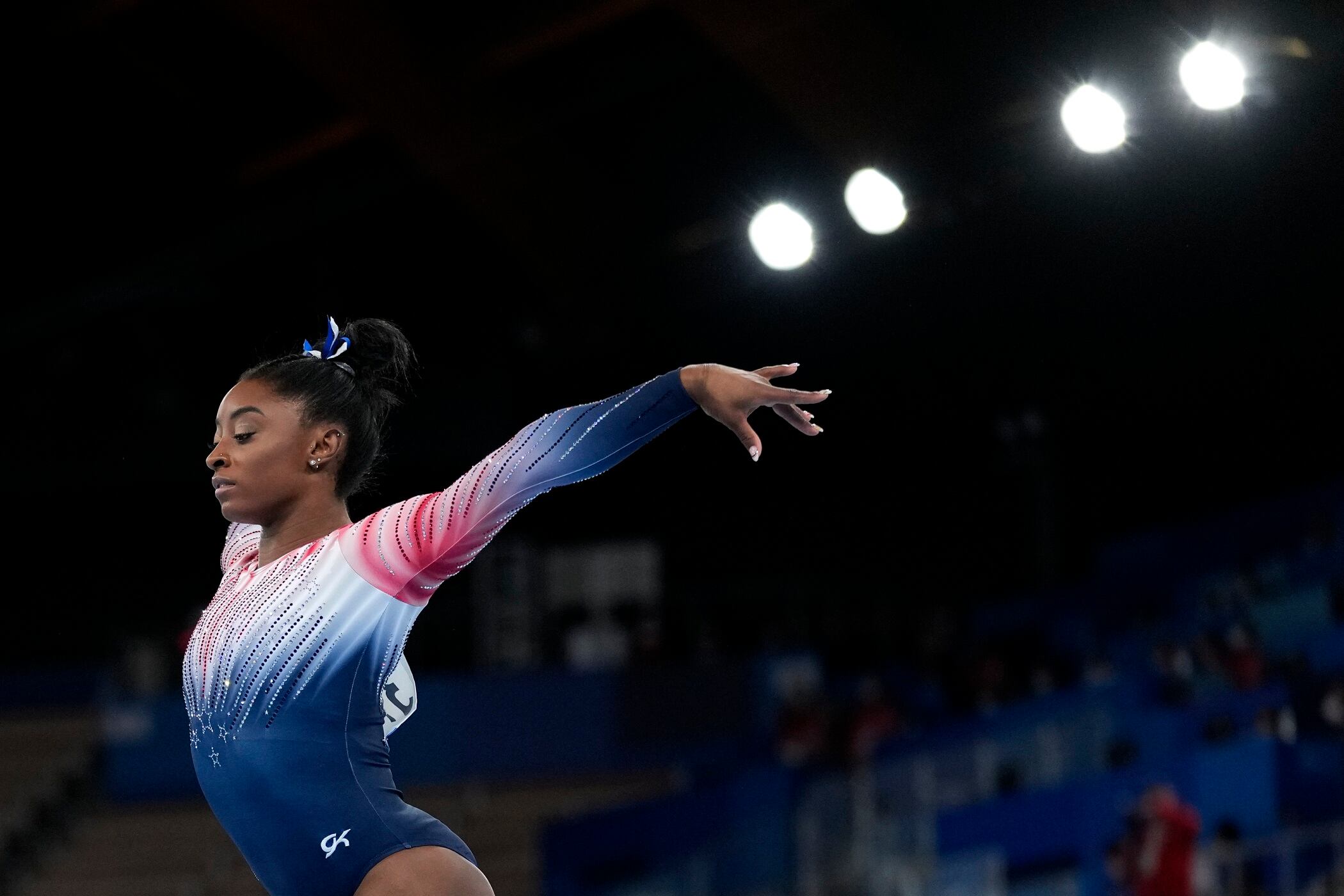
Biles Takes the Beam, Vax Milestone & 'Lord of the Rings' First Look
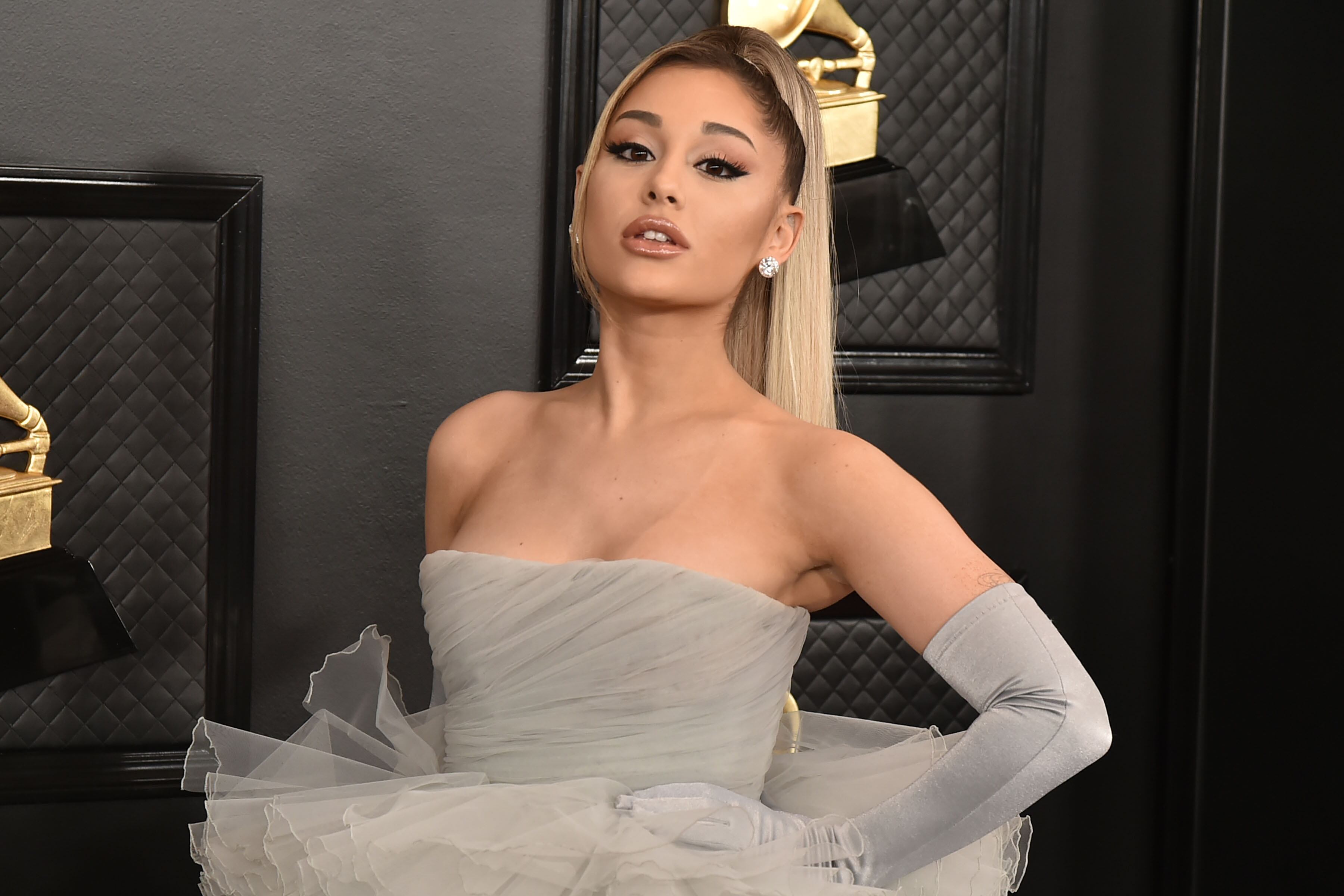
Fortnite fans are getting a special treat this month. Epic Games just announced that Ariana Grande will be performing at Fortnite's upcoming Rift Tour. The five-show concert series kicks off August 6th through August 8th. Jordan Minor, apps and games analyst at PCMag.com joins us to talk about what fans can expect from the virtual concert.
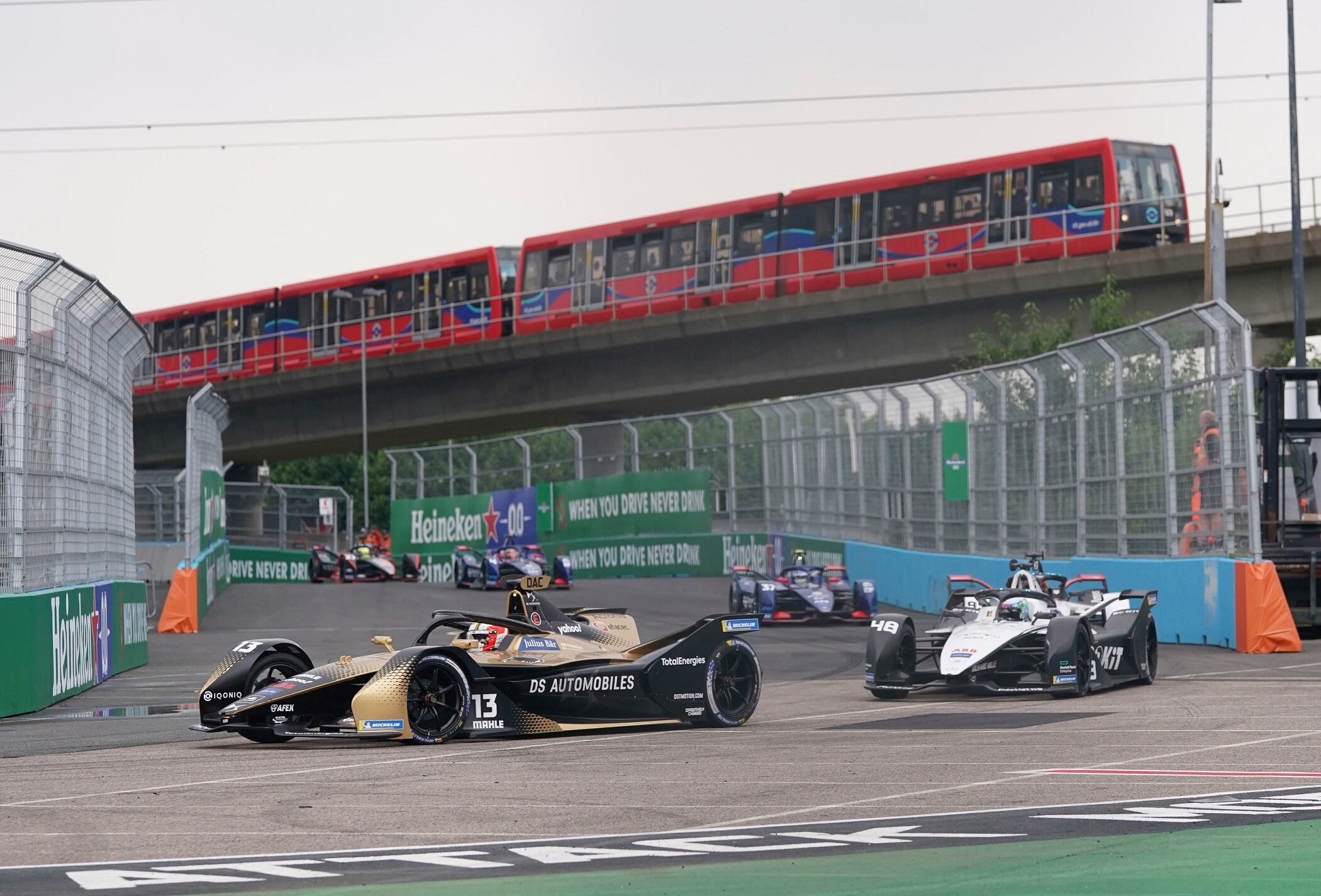
Cheddar's Michelle Castillo takes a deep dive into the world of Formula E racing. The all-electric motor sport is looking forward to a more sustainable future on and off the track.
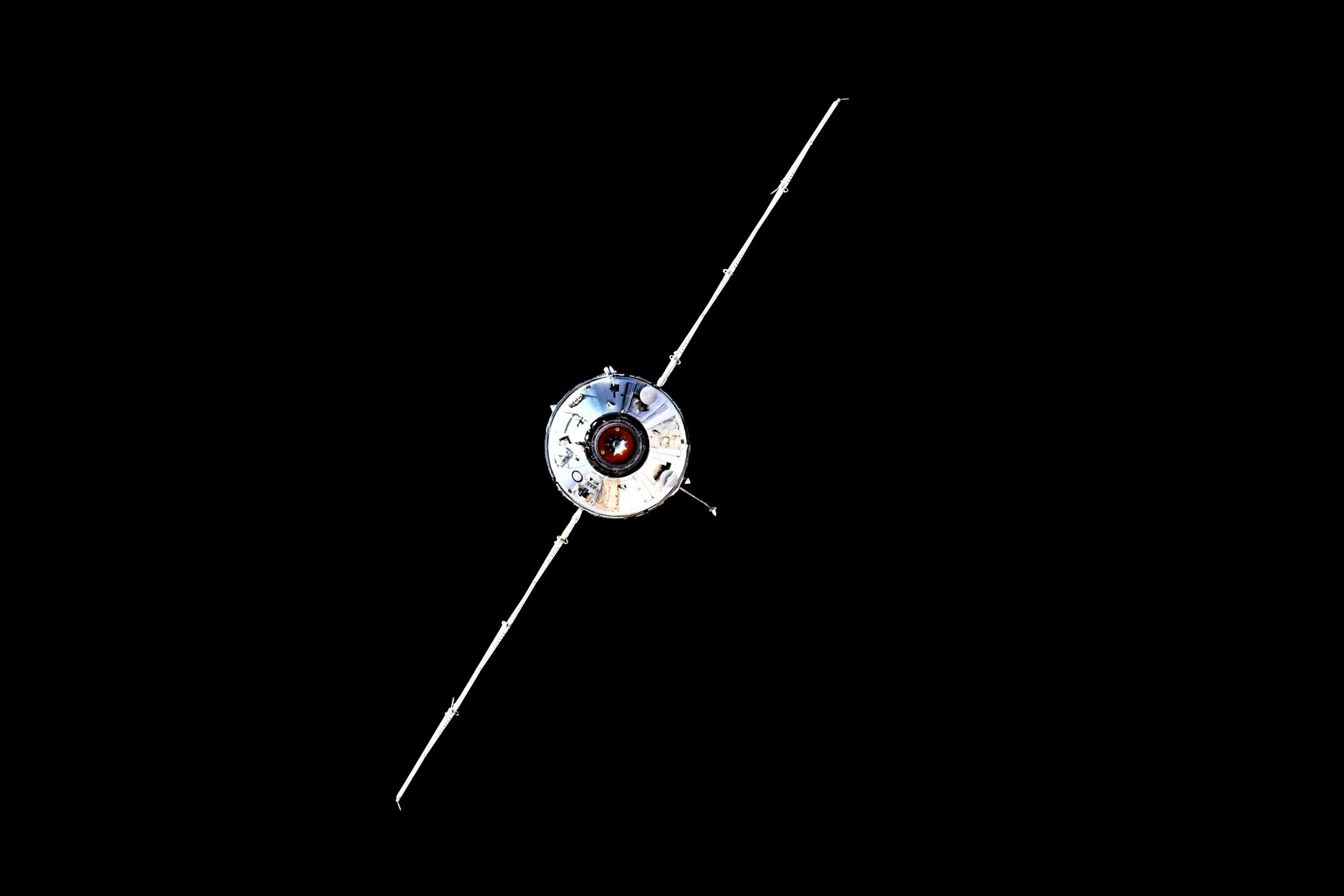
A Russian space official has blamed a software problem on a newly docked science lab that briefly knocked the International Space Station out of position.
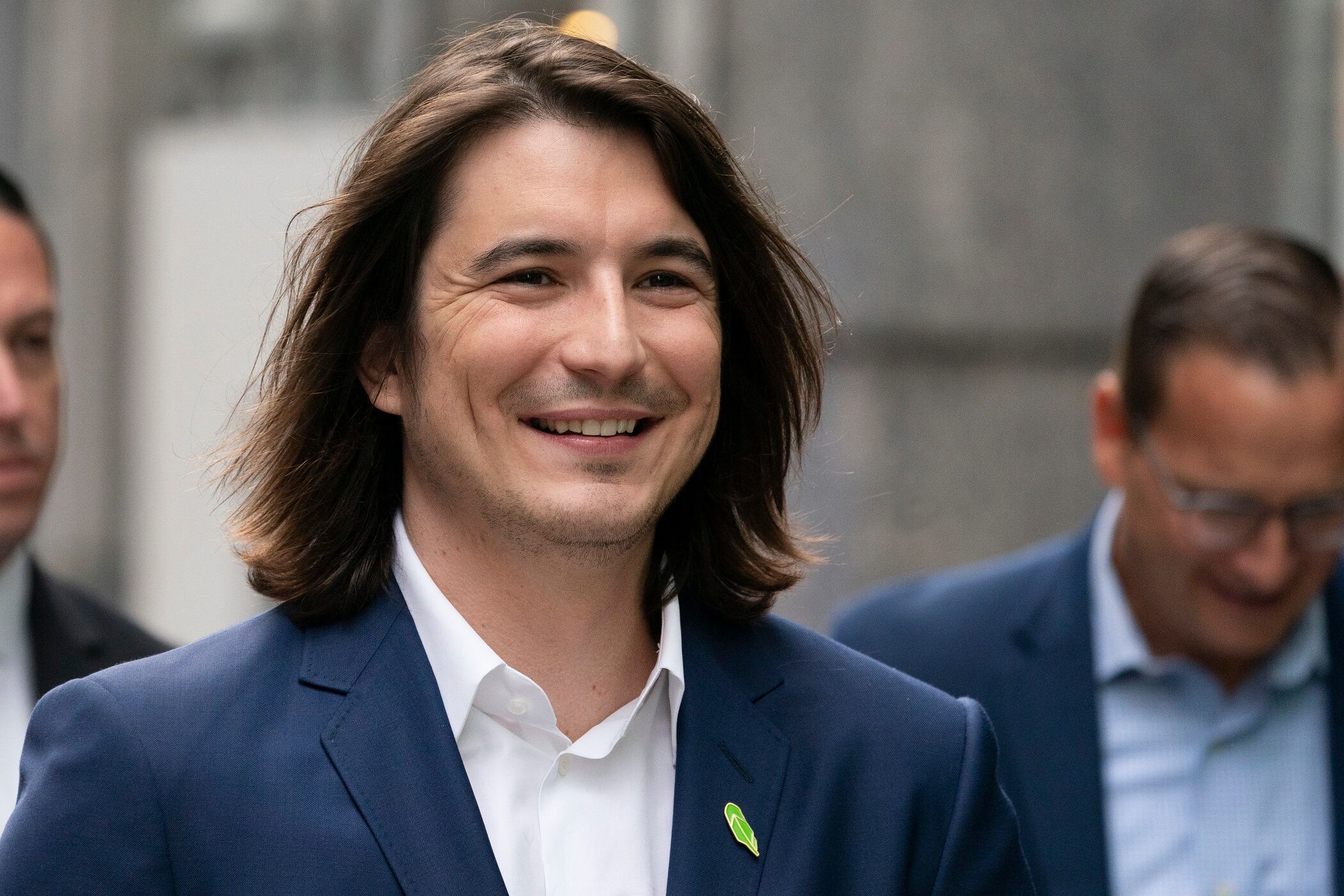
Robinhood made its own leap into the stock market Thursday, the one it helped reshape by bringing millions of new investors to Wall Street.
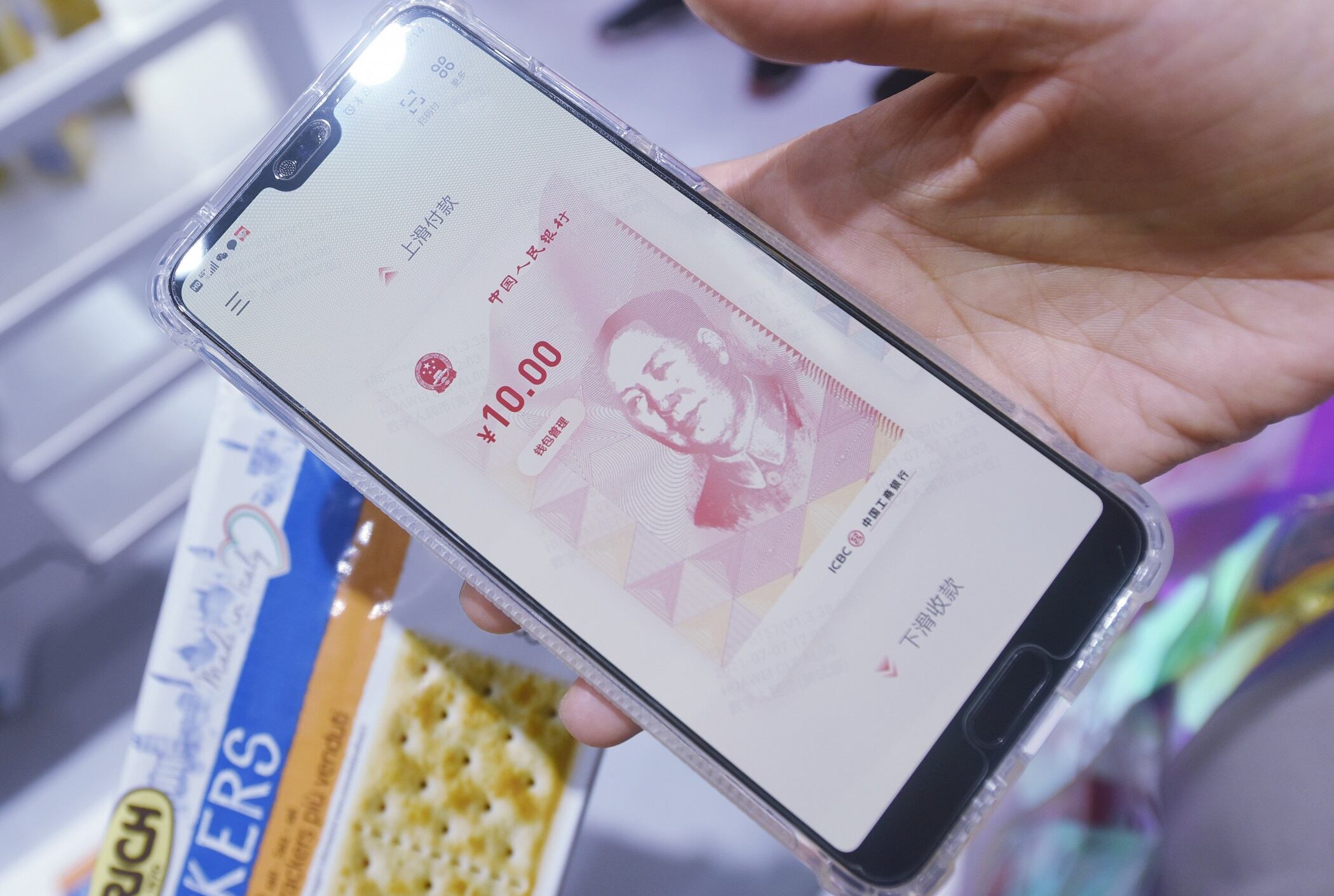
A new interactive tracker from the Atlantic Council shows that 81 countries are at some stage of development with a central bank digital currency, but the U.S. is notably absent from its list of frontrunners.
Tesla’s quarterly profit has surpassed $1 billion for the first time. The results come as the electric car pioneer navigated through a pandemic-driven computer chip shortage that has caused major headaches for other automakers.