*By Jacqueline Corba*
The Chinese gaming firm Huya made its public market debut Friday, trading up as much as 41 percent from its IPO price of $12.
"We are very glad," said Huya's chief financial officer, Henry Sha, in an interview with Cheddar shortly after the company began trading on the New York Stock Exchange. "The e-sports environment in the U.S. market is quite good. A lot of gamers, a lot of e-sports are enthusiastic here, so we believe that the U.S. investor, the U.S. market can understand more about our company."
Huya's live-gaming platform has an average of 40 million active monthly users on mobile. In 2017, revenue was $344 million.
Sha said China is the primary market for Huya, but there is great potential among gamers in the United States.
Huya aims to raise $165 million in its public offering, Sha said, with the intention of using the capital to invest in e-sports and content creators.
Chinese entertainment giant Tencent is the second-largest stakeholder in Huya, and will maintain its 39.5 percent ownership. "We are very excited about future collaboration with Tencent," said Sha.
For the full interview, [click here](https://cheddar.com/videos/huya-soars-in-market-debut).
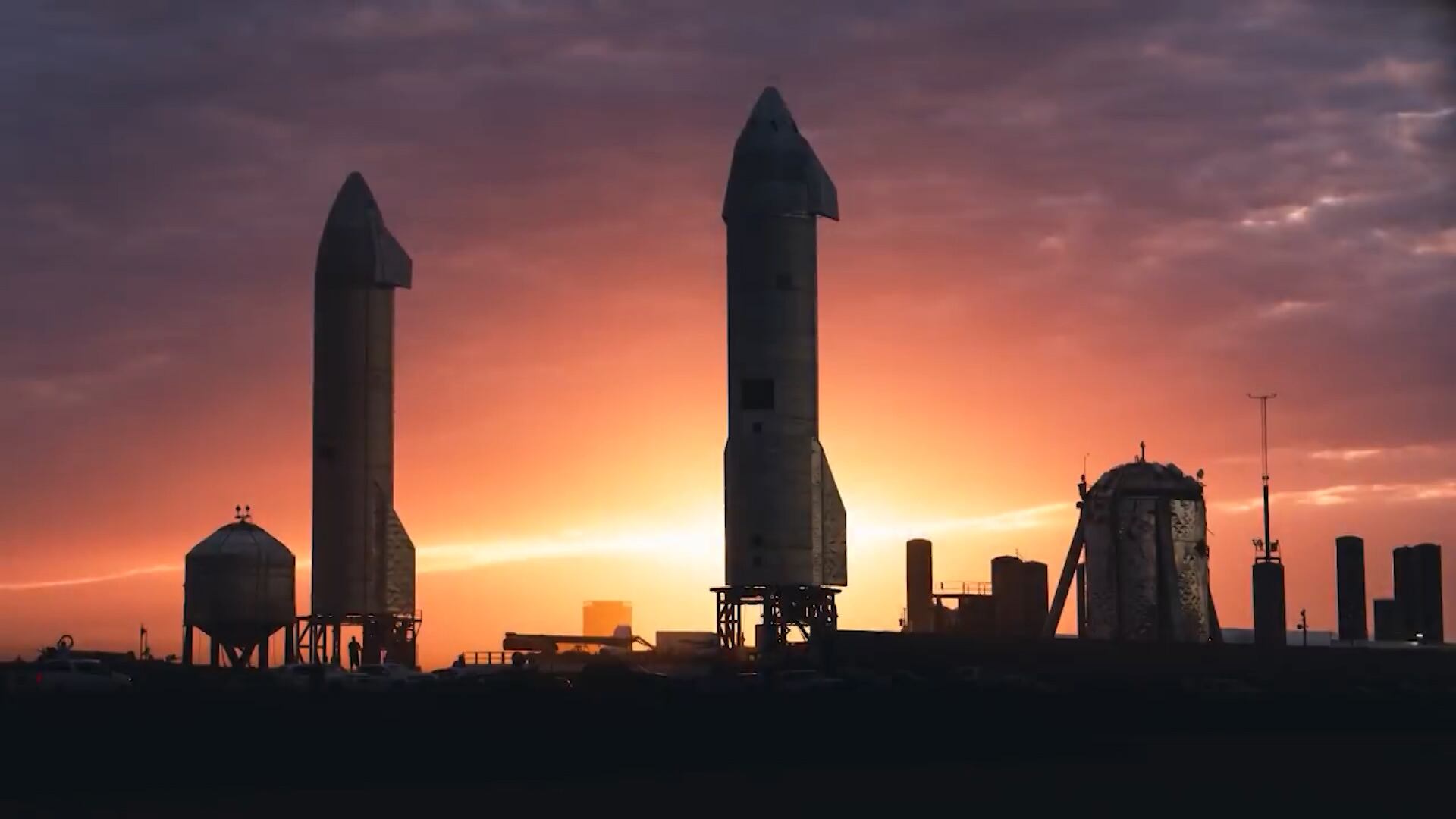
Reusable rocket developer Stoke Space Technologies raised $65 million in a Series A round led by Breakthrough Energy Ventures, a firm founded by Bill Gates. Stoke says its reusable rockets provide the satellite industry with low-cost, on-demand access to and from orbit. As companies like SpacX and Blue Origin are also making commitments to rocket reusability, Stoke says it is taking a different approach with a system designed to be 100% reusable, comprised of rockets designed to fly daily, like an airplane. Stoke co-founder and CEO Andy Lapsa joins Cheddar News' Closing Bell to discuss.
Humans are set to return to a place we have not been in nearly 50 years: the moon. NASA's Artemis program is expected to have astronauts back on the lunar surface by 2025. NASA says it will use what it learns on the moon to take the next giant leap - sending the first astronauts to Mars. The Artemis program also includes contributions from private companies like SpaceX, as well as academic research institutions like Georgia Tech. Georgia Tech professor of practice and former NASA astronaut Sandra Magnus joins Future of Space: Humankind's Leap Forward to discuss.
Global delivery service FedEx just received the first five of an order of 500 light commercial electric vehicles from GM's BrightDrop brand. Mitch Jackson, chief sustainability officer for FedEx, joined Cheddar to discuss the deployment of the EV600 delivery vehicles, if the new fleet will get the company to carbon neutrality by 2040, and how cost-effective they might be. "We've been working with electric vehicles for 10 years, and what we've find over that time frame is that we save over half of our operational and maintenance costs with the use of EVs over internal combustion engines, "Jackson said. "So they're economically viable."
Matt Faubion, Wealth Manager and Investment Adviser at Faubion Wealth Management, joins Cheddar to break down the pros and cons to gifting and receiving investments, like stock or cryptocurrency, as a gift this holiday season.
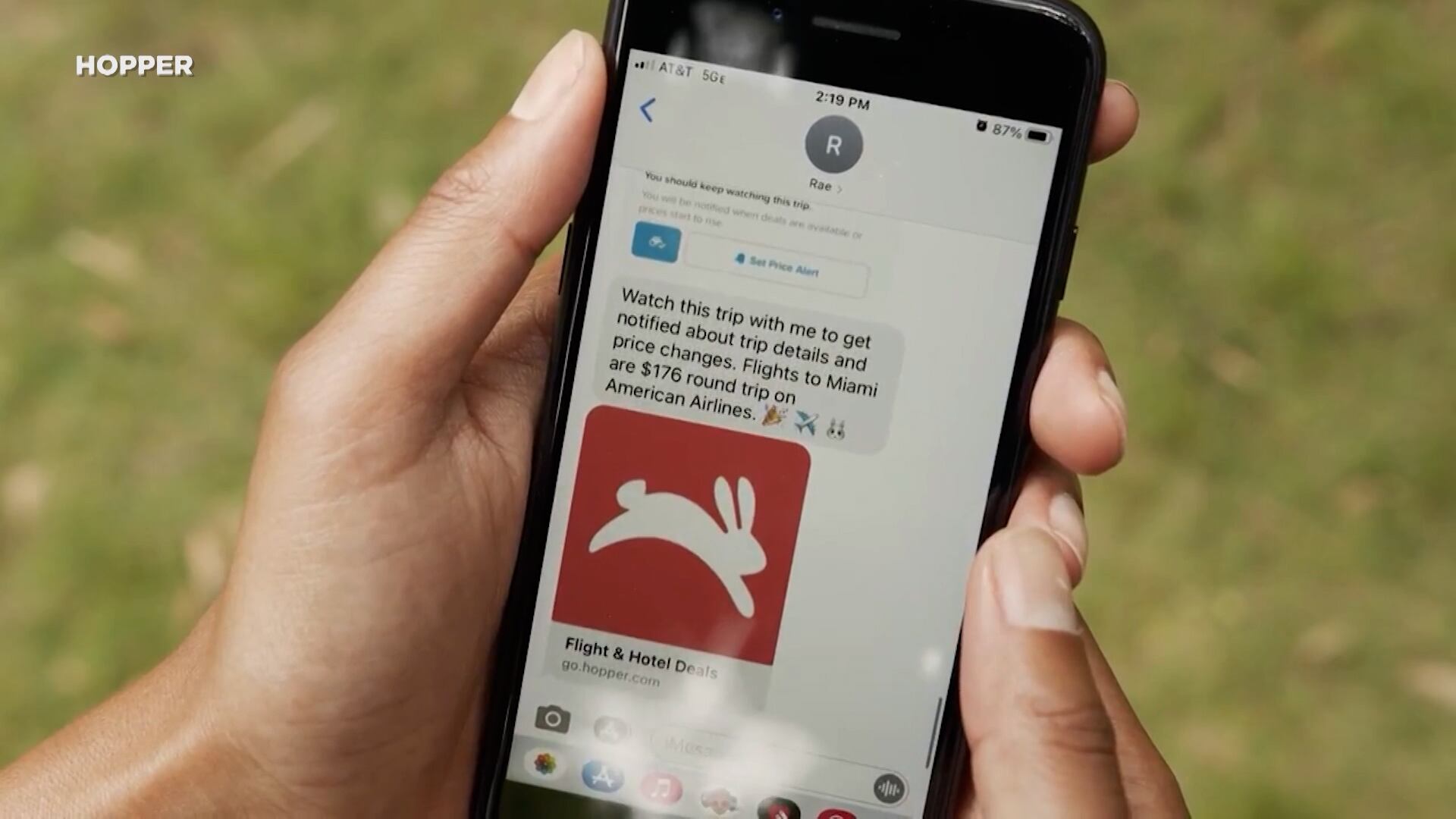
Trip.com is now adding Hopper's price freeze feature for its users. The feature will help travelers save money by protecting them from pricing volatility when booking their next trip. The company is the first online travel agency to partner with Hopper's B2B initiative, Hopper Cloud. Dakota Smith, chief strategy officer at Hopper, joins Cheddar News to walk us through the feature and how the company is addressing Omicorn concerns.