*By Jacqueline Corba*
The Chinese gaming firm Huya made its public market debut Friday, trading up as much as 41 percent from its IPO price of $12.
"We are very glad," said Huya's chief financial officer, Henry Sha, in an interview with Cheddar shortly after the company began trading on the New York Stock Exchange. "The e-sports environment in the U.S. market is quite good. A lot of gamers, a lot of e-sports are enthusiastic here, so we believe that the U.S. investor, the U.S. market can understand more about our company."
Huya's live-gaming platform has an average of 40 million active monthly users on mobile. In 2017, revenue was $344 million.
Sha said China is the primary market for Huya, but there is great potential among gamers in the United States.
Huya aims to raise $165 million in its public offering, Sha said, with the intention of using the capital to invest in e-sports and content creators.
Chinese entertainment giant Tencent is the second-largest stakeholder in Huya, and will maintain its 39.5 percent ownership. "We are very excited about future collaboration with Tencent," said Sha.
For the full interview, [click here](https://cheddar.com/videos/huya-soars-in-market-debut).
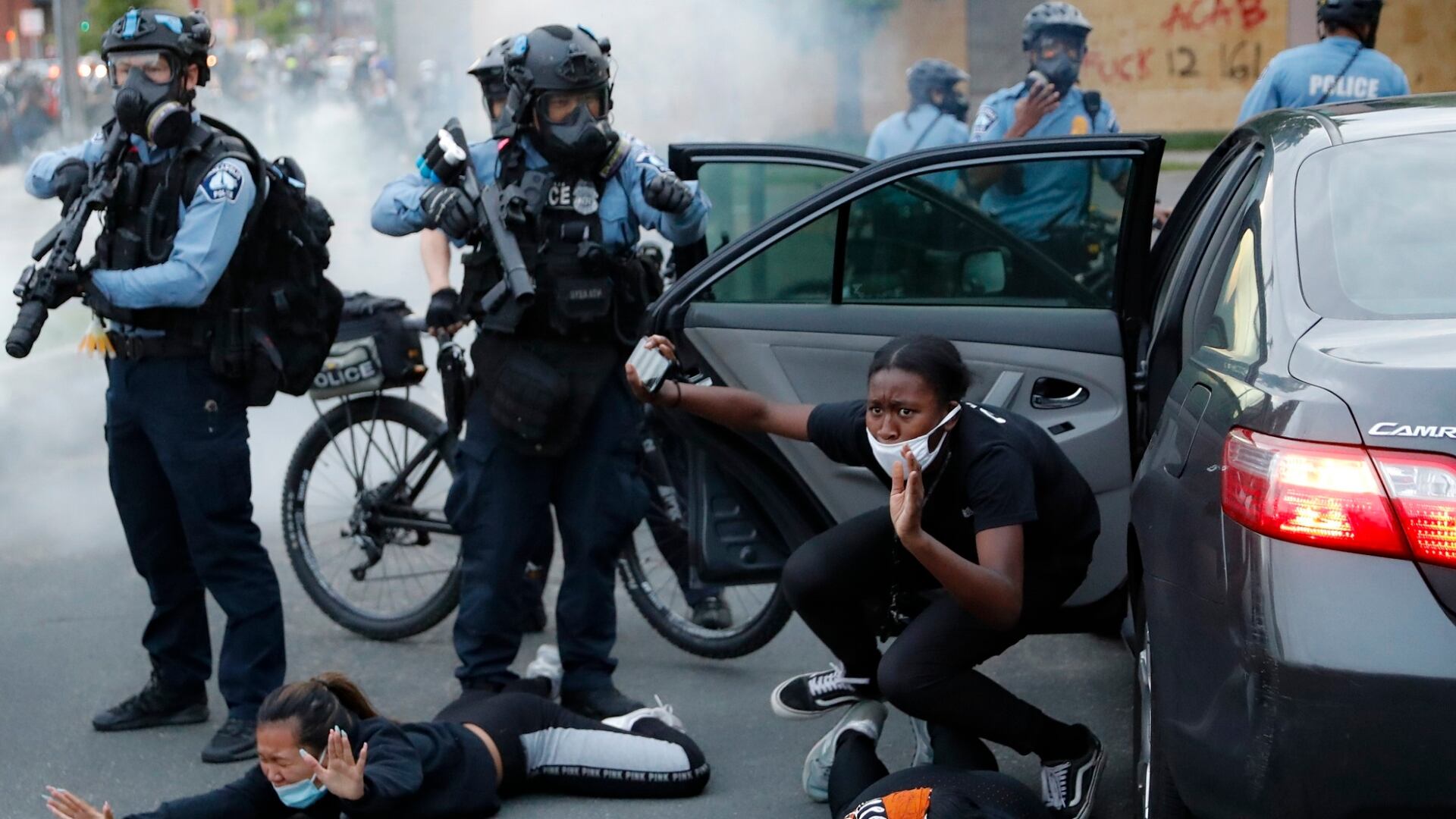
Catching you up on what you need to know on April 28, 2022, with Elon Musk mocking Twitter's top legal exec Vijaya Gadde on the platform itself, a probe in George Floyd's death finding discrimination within the Minneapolis police force, the latest California drought leading to new water restrictions, and more.
Ford CFO John Lawler joined Cheddar News to talk about the auto giant's Q1 earnings report that beat on revenue and EPS. Despite the good numbers, Lawler spoke to challenges Ford had to navigate. "We also see the continued disruption to the supply chain impacting our production, and that hit us in the first quarter as well. So it kept us from having an even stronger quarter," he said. Lawler noted that chip shortages leading to the supply constraints should ease up throughout the year.
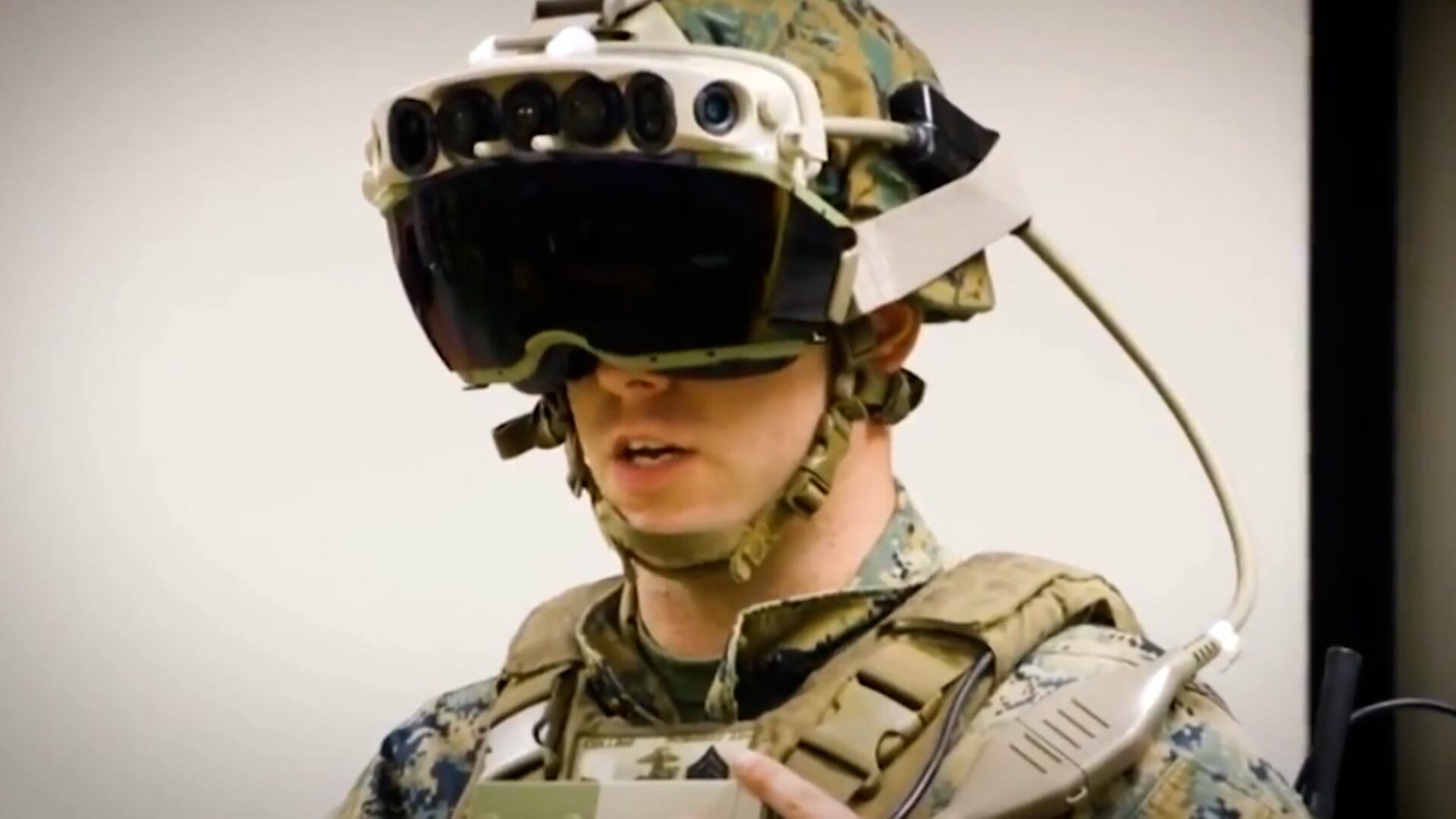
Tech giant Microsoft won a military contract for the production of its IVAS (integrated visual augmentation system) combat goggles, based on its HoloLens ARG tech, worth up to $21.9 billion over 10 years. However, the Pentagon is now saying that the device "has not yet demonstrated the capability to serve as a fighting goggle," and that the Army made mistakes in the program's initial stages by not clearly describing minimum performance standards. While testing continues, concerns have grown outside of the Defense Department to Congress and even within Microsoft itself. Cheddar's Ken Buffa takes a deeper look at the possible boondoggle.