*By Jacqueline Corba*
The Chinese gaming firm Huya made its public market debut Friday, trading up as much as 41 percent from its IPO price of $12.
"We are very glad," said Huya's chief financial officer, Henry Sha, in an interview with Cheddar shortly after the company began trading on the New York Stock Exchange. "The e-sports environment in the U.S. market is quite good. A lot of gamers, a lot of e-sports are enthusiastic here, so we believe that the U.S. investor, the U.S. market can understand more about our company."
Huya's live-gaming platform has an average of 40 million active monthly users on mobile. In 2017, revenue was $344 million.
Sha said China is the primary market for Huya, but there is great potential among gamers in the United States.
Huya aims to raise $165 million in its public offering, Sha said, with the intention of using the capital to invest in e-sports and content creators.
Chinese entertainment giant Tencent is the second-largest stakeholder in Huya, and will maintain its 39.5 percent ownership. "We are very excited about future collaboration with Tencent," said Sha.
For the full interview, [click here](https://cheddar.com/videos/huya-soars-in-market-debut).
According to a recent report from T-Mobile, spam call traffic doubled in 2021. The company says so far they have been able to block just 21 billion spam calls for their customers this year. Despite telecom giants blocking these calls, a number of customers continue to receive these spam calls, especially during the holiday season. Founder and President of Vertical Consultants Hugh Odom, joined Cheddar to discuss more.
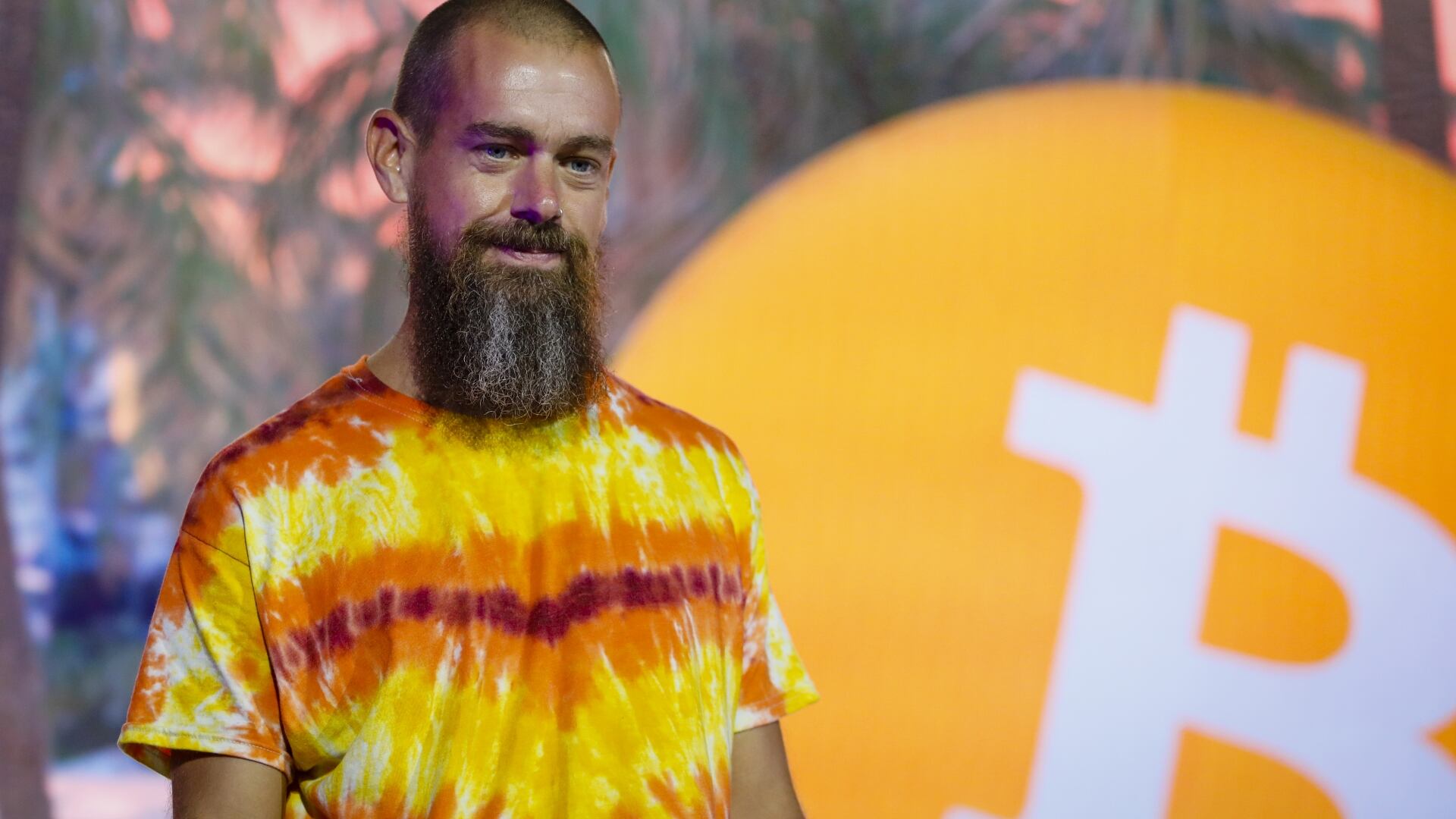
Venture capitalists and CEOs are clashing over the future of the internet. Web3 is the tech world's name for a decentralized, blockchain-based internet that runs on cryptocurrency. It was recently the topic of a tweet from Block CEO and former Twitter CEO Jack Dorsey who wrote that Web3 will not actually be owned by users, and instead be controlled by rich venture capitalists. Dorsey later shared that he was blocked on Twitter by Marc Andreesen, co-founder of VC firm Andreesen Horowitz, which has invested billions of dollars into Web3 and crypto projects. Correspondent for DealBook from the New York Times, Ephrat Livni, joins Cheddar News' Closing Bell to discuss what this could mean for the future of Web3.
Prices at the pump this year reached a seven-year high, and a new forecast from GasBuddy shared with CNN predicts that gas prices will only continue to rise in 2022 and that the national average could even reach $4.00 a gallon; however, analysts at GasBuddy say anything could happen when it comes to gas prices in the future, as the pandemic has made it difficult to make any predictions about the economy. Consumer Energy Alliance federal policy advisor Michael Zehr joins Cheddar News' Closing Bell to discuss.