China's Once-Booming Tech Sector Hits Some Obstacles
*By Bridgette Webb*
As the U.S. tech sector regained some of its footing Tuesday, last week's tech sell-off continues to undermine some of China's tech bellwethers Tencent and Alibaba.
Sara Hsu, economist and associate professor at SUNY New Paltz, said that unlike Facebook and Twitter, hamstrung by slower-than-expected user growth, Chinese tech stocks have more serious investment hurdles ahead.
"There are concerns of a trade war, that it could possibly dampen investment from the United States," Hsu said in an interview Tuesday with Cheddar. "Particularly for Tencent and Alibaba which have a lot of interest in the United States, in terms of trade and investment."
The trade spat between Washington and Beijing has not only quelled investors’ appetites, it has also discouraged Chinese tech giants from expanding internationally.
Alibaba's Founder, Jack Ma, had pledged to create 1 million jobs in the U.S. and increase the amount of goods that ship from America to China.
Hsu said that China's tech stocks are also faced with tightening liquidity and currency depreciation.
"There are depreciation pressures on the Chinese currency which is going to affect the earnings report for companies that are listed on the New York Stock Exchange," she said.
The Chinese [Renminbi](https://www.ft.com/content/047ca2d6-8ee2-11e8-b639-7680cedcc421) has slipped in the past two months and hit its lowest level in more than a year, despite measures by central bankers in Beijing to support China’s currency.
For more on this story, [click here](https://cheddar.com/videos/u-s-tech-selloff-wave-hits-chinas-shores).
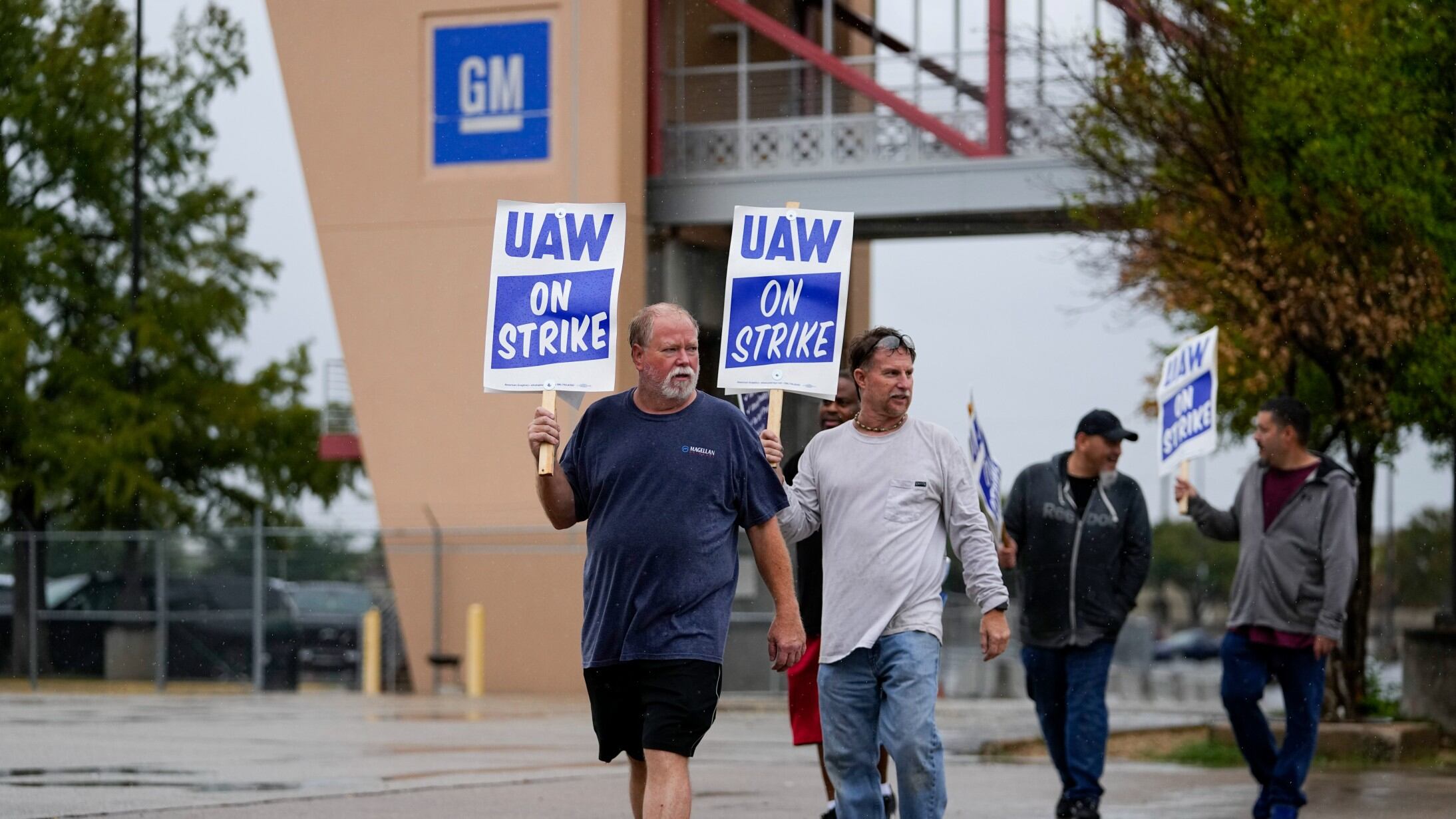
A $1 billion loss from a six-week strike did not crash GM's net income last year, which instead rose 12% — and the automaker expects improvement in 2024, too.
Accrue CEO and founder Michael Hershfield explains why Americans' credit card delinquencies are on the rise, advice on what can help, and the key difference between Boomers and Gen Z when it comes to money.
Senior Economist at Morning Consult Kayla Bruun shares thoughts on what to expect from the Fed's January meeting and where monetary policy is headed, as well as how consumers are faring.
Former Medtronic CEO and author of 'True North' Bill George explains the steps Boeing leadership must take to regain client and consumer trust after 737 Max 9 production was stopped.
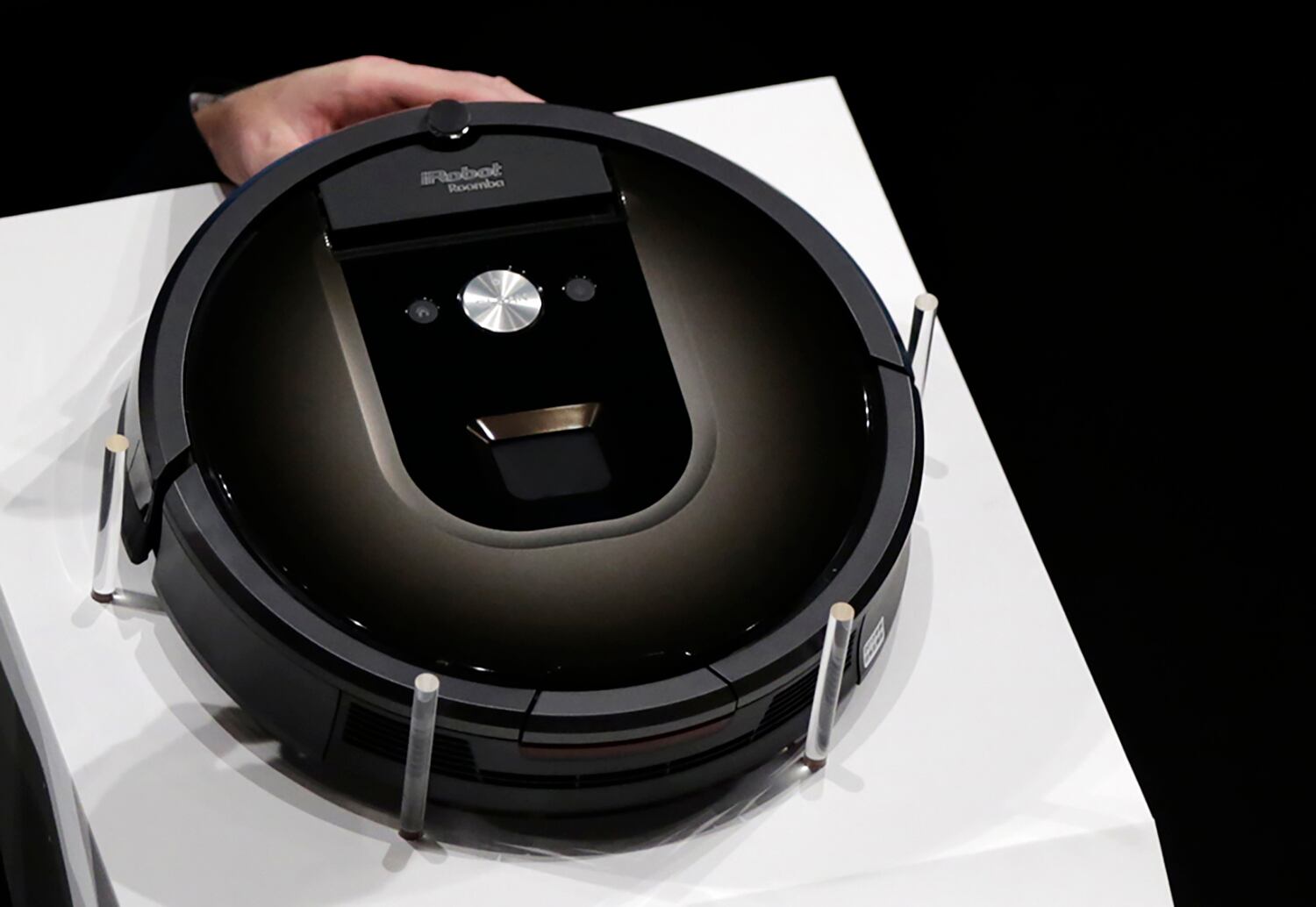
Amazon blamed "regulatory hurdles" for calling off its proposed acquisition of robot vacuum maker iRobot. Not even a Roomba could clean up the deal's antitrust scrutiny.
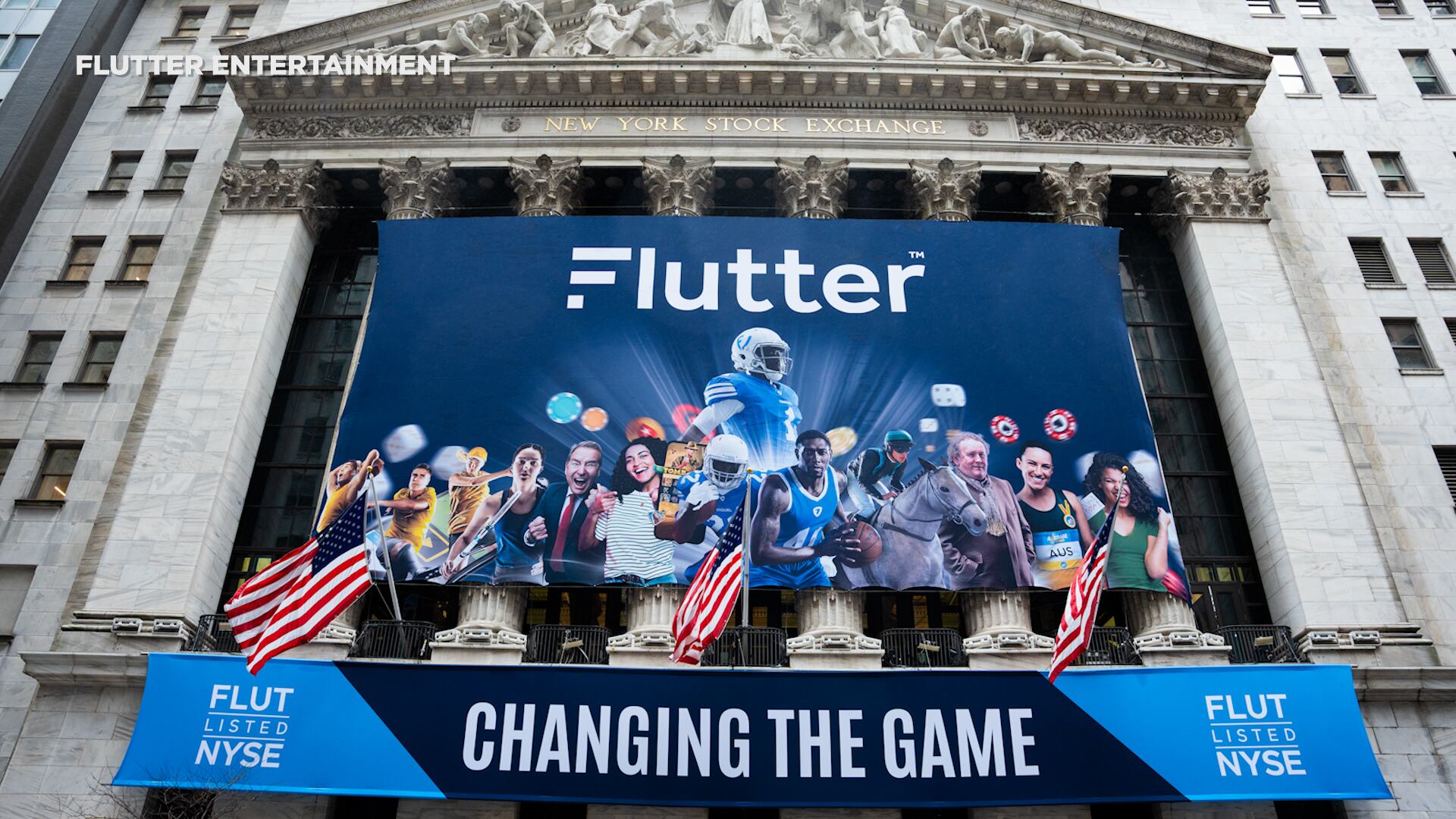
To celebrate Flutter Entertainment's debut on the NYSE, FanDuel CEO Amy Howe shares her thoughts on the company's plans for growth, the future of online sportsbetting, and Super Bowl Sunday.
Investopedia's Caleb Silver shares thoughts on the upcoming Fed meeting, why individual investors are still slightly skeptical, and what he's looking for from mega cap tech earnings.
Season's greetings! Tax season, that is. January 29 is the first day you can file your tax return. We walk you through each step — plus a checklist you can download.
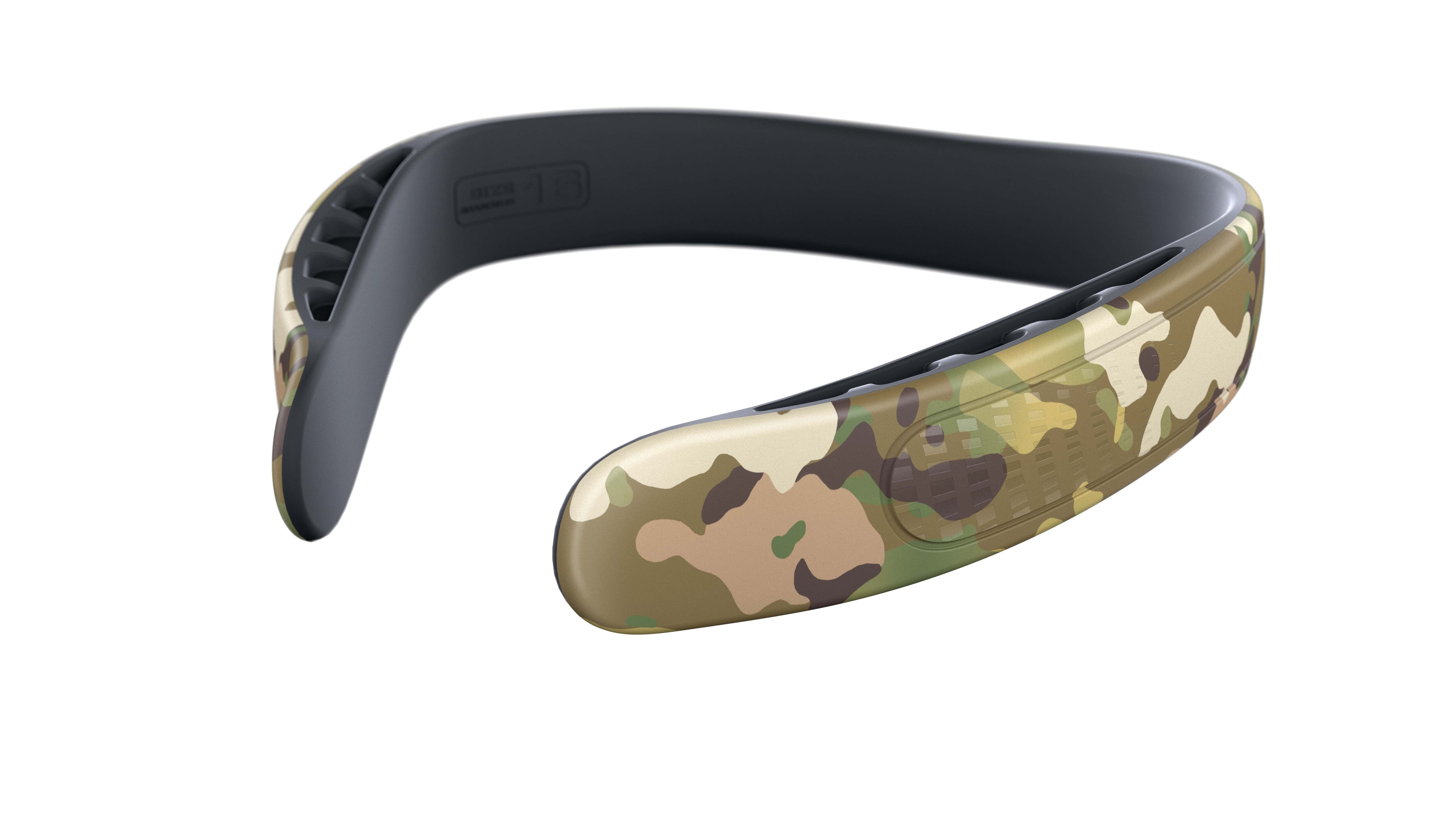
The Q-Collar helps protect athletes from impact-related concussions. Now, the U.S. Army is evaluating if the device could help reduce traumatic brain injury cased by blast weapons.