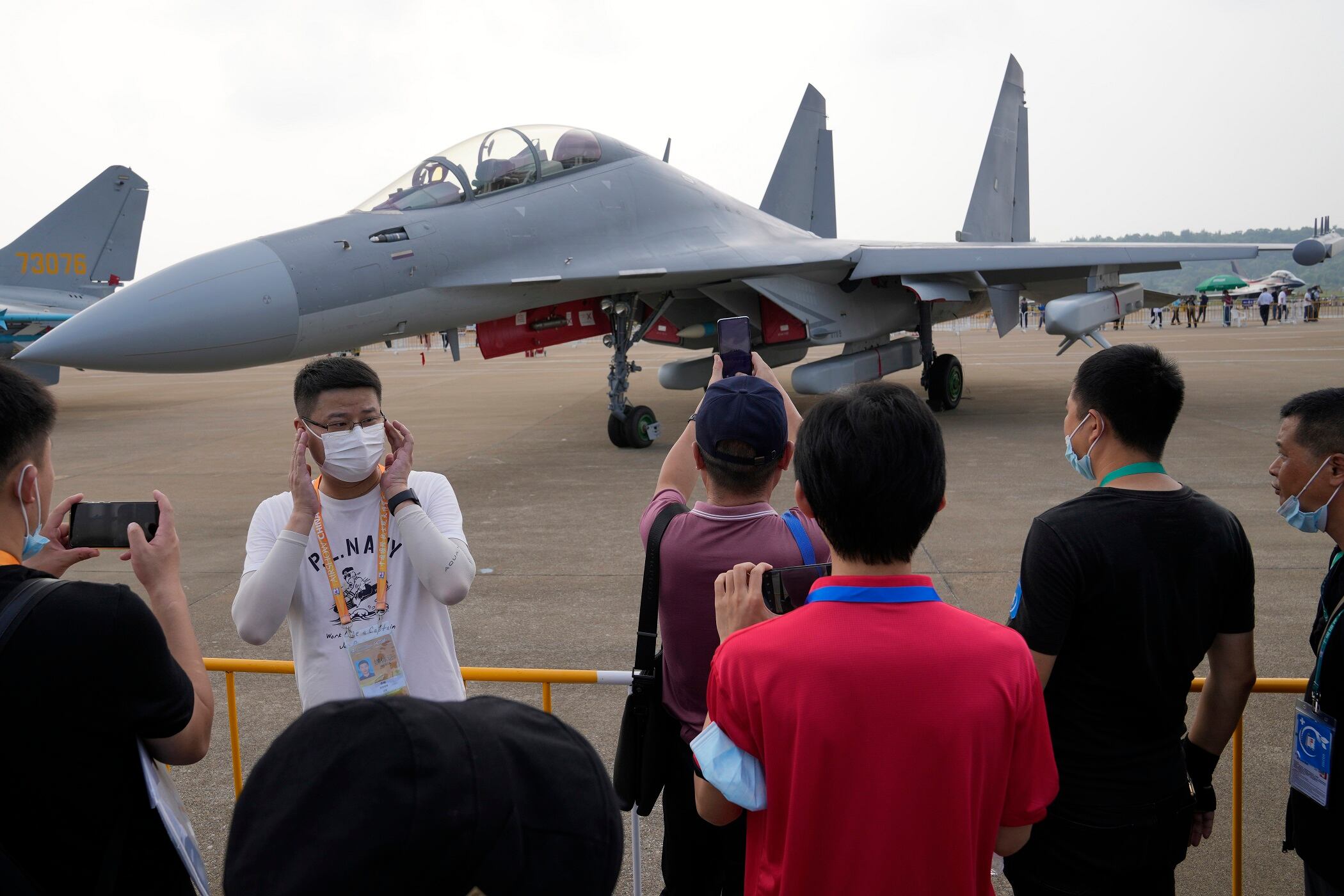
Visitors look at the Chinese military's J-16D electronic warfare airplane during 13th China International Aviation and Aerospace Exhibition, also known as Airshow China 2021, on Wednesday, Sept. 29, 2021, in Zhuhai in southern China's Guangdong province. China flew 39 warplanes, including 24 J-16s and 10 J-10s, toward Taiwan, Sunday, Jan. 23, 2022, in its largest such sortie of the new year, continuing a pattern that the island has answered by scrambling its own jets in response. (AP Photo/Ng Han Guan)
By Huiszhong Wu
China flew 39 warplanes toward Taiwan in its largest such sortie of the new year, amid tensions over the self-ruled island's future and as the U.S. pushes to assert its presence in the region.
The Chinese formation Sunday night included 24 J-16 fighter jets and 10 J-10 jets, among other support and electronic warfare aircraft, according to Taiwan's defense ministry.
Taiwan's air force scrambled its own jets and tracked the People's Liberation Army planes on its air defense radar systems, the ministry said.
The Chinese sortie came as the U.S. military said that two of its carrier strike groups were sailing on Sunday in the South China Sea, led by USS Carl Vinson and USS Abraham Lincoln. They engaged in anti-submarine, air and combat readiness operations.
China’s Ministry of Foreign Affairs declined to comment on why the PLA had flown such a large sortie on Monday, saying it was not a diplomatic matter.
Taiwan and China split during a civil war in 1949, but China claims the island as its own territory. Beijing has used diplomatic and military means to isolate and intimidate the self-ruled island, but the U.S. has continued to support Taiwan by selling it advanced weapons and fighter planes.
Chinese pilots have been flying towards Taiwan on a near-daily basis in the past year and a half, since Taiwan's government started publishing the data regularly. The largest sortie was 56 warplanes on a single day last October.
The activity has generally been in the air space southwest of the island and falls into a zone that Taiwan's military says it monitors out of national security considerations.
Tensions have been high since Taiwanese citizens elected Tsai Ing-wen as president in 2016, to which Beijing responded by cutting off previously established communications with the island's government. Tsai's predecessor was friendly to China and had endorsed Beijing's claim that the two are part of a single Chinese nation.
The U.S. regularly carries out exercises in the South China Sea in what it calls freedom of navigation operations, in line with international law.
___
Associated Press video producer Liu Zheng in Beijing contributed to this report.
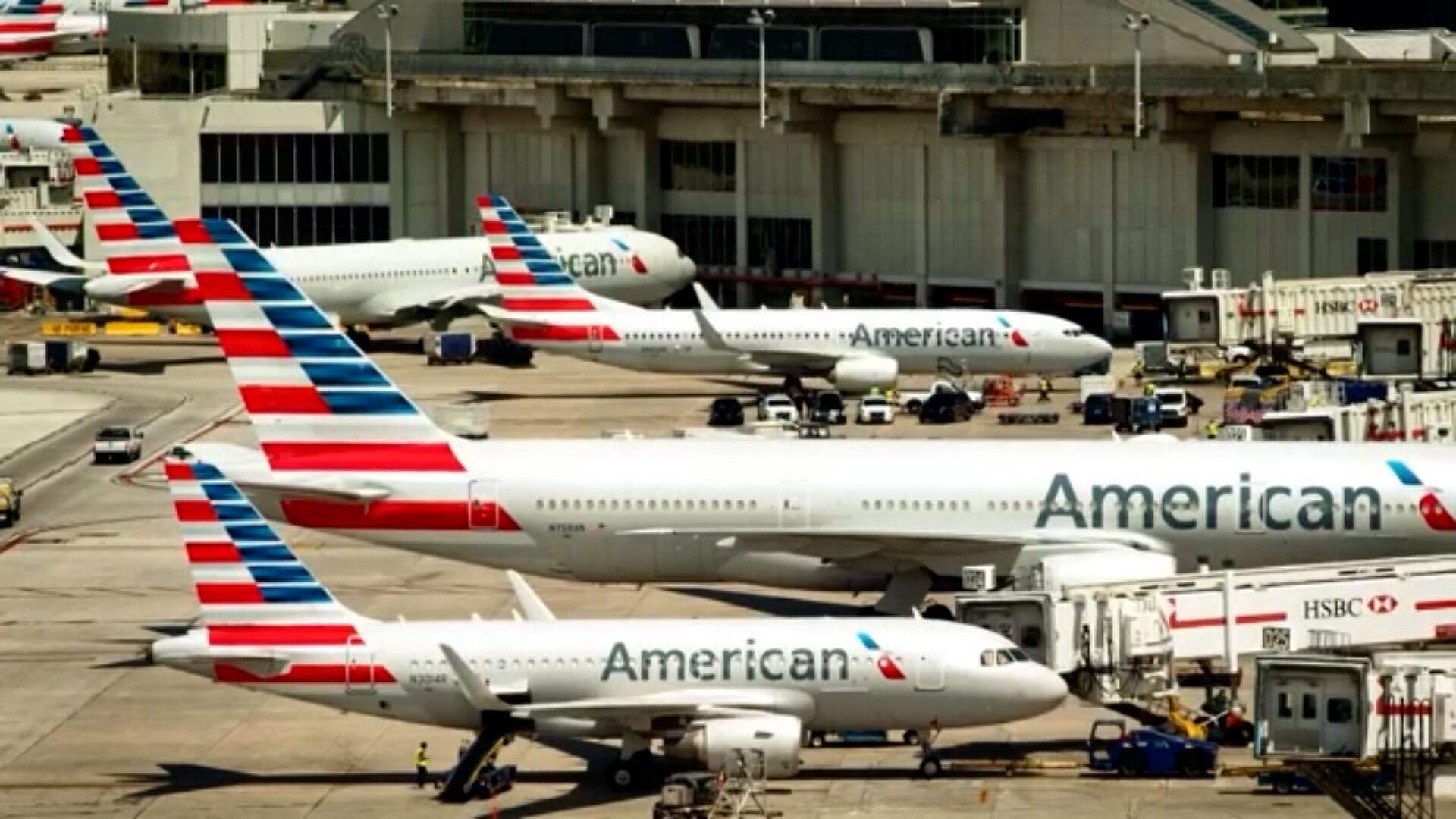
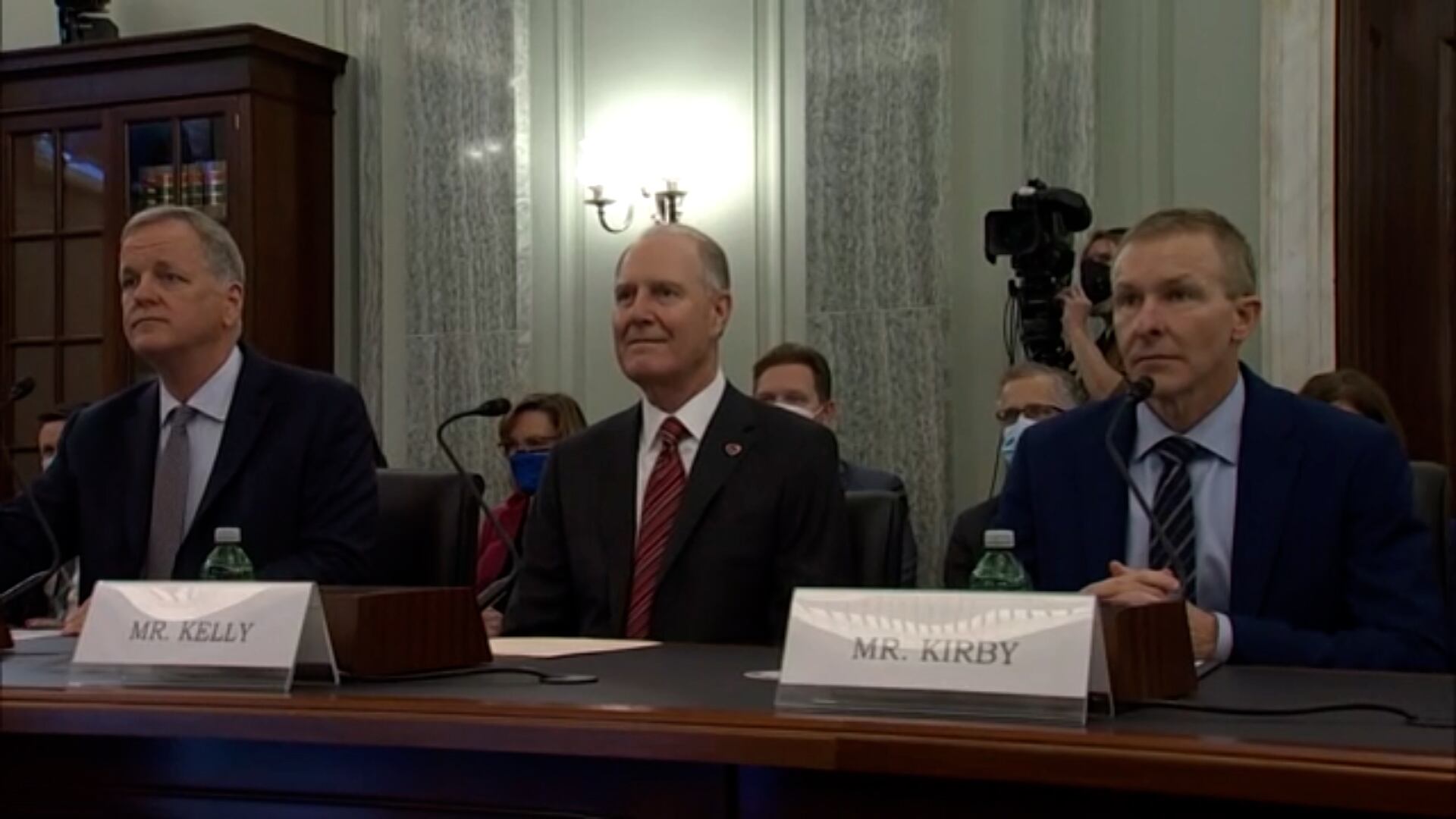
Airline executives faced tough questions from Congress on Wednesday, with the Senate panel grilling top CEOs on how they used that $54 billion Covid-19 government lifeline.
This hearing comes as airlines continue to face staffing shortages and widespread delays. Jason Ader, Leisure Analyst and CEO of SpringOwl Asset Management joined Cheddar's Opening Bell to discuss.
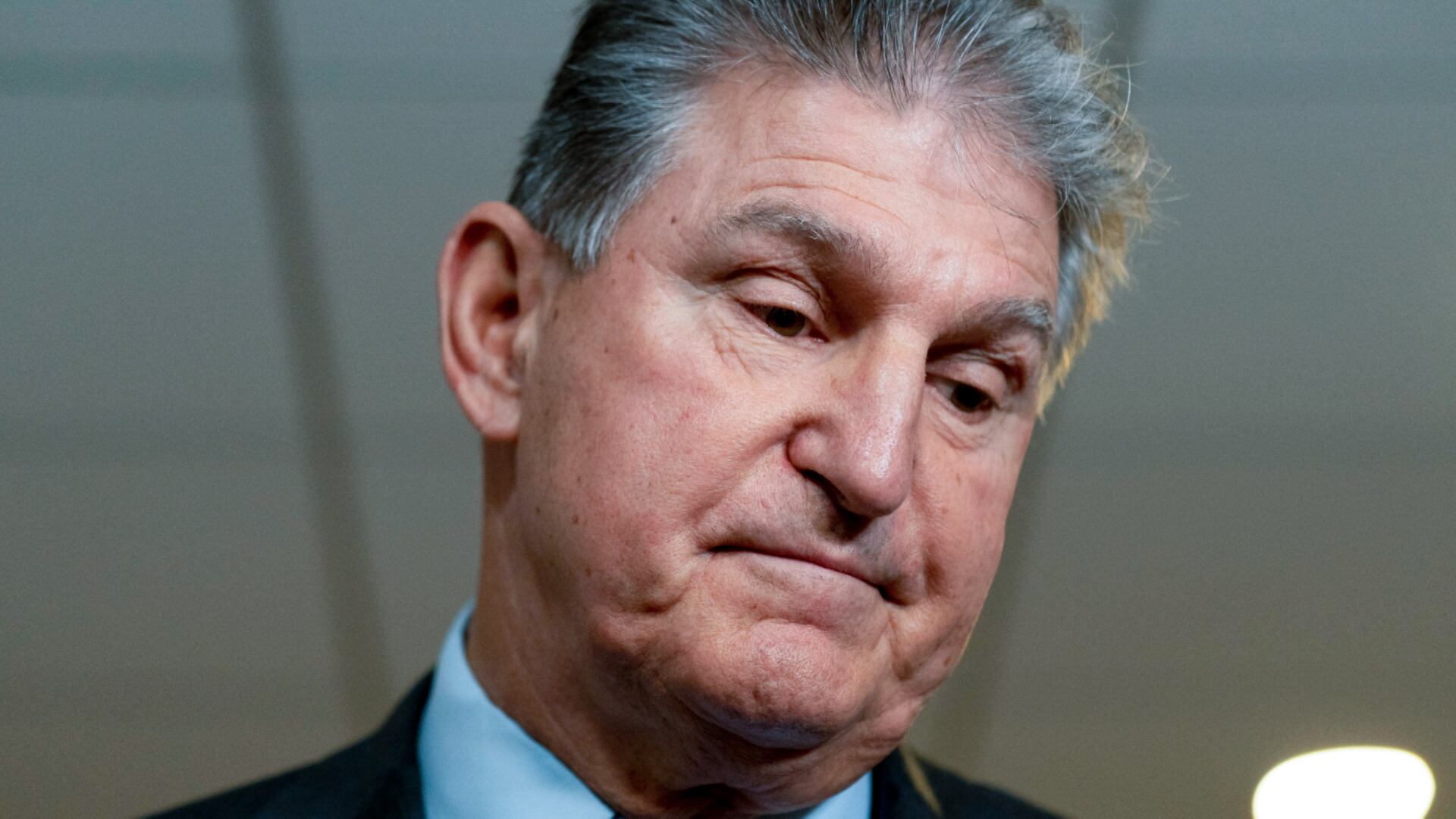
The Hill's White House Correspondent Alex Gangitano joined Wake Up With Cheddar to break down the deterioration of Senator Manchin and President Biden's relationship, as the White House calls out the West Virginia lawmaker for "breaching his commitments to the President."
Airline executives faced tough questions from a Senate panel on Wednesday after receiving a $54 billion dollar Covid-19 government lifeline. Congress approved the fund in three rounds covering much of US airlines’ payroll costs for 18 months. During the hearing lawmakers asked CEO’s how they used the federal bailout funds, about staffing issues, flight cancellations, and delays. U.S. airlines reported a record $35 billion dollar loss last year when travel came to an abrupt halt because of the pandemic. Michael Boyd, CEO at the Boyd Group International explains why customers may not be returning to the skies quite so soon.
Senior Global Market Strategist at Wells Fargo Investment Institute Scott Wren joined Wake Up With Cheddar to recap the central bank's policy change, and how it may impact the economy moving forward.
Carlo's joined by a quarantining Baker to discuss the headlines from the weekend as Omicron spreads like wildfire, Manchin kills Biden's signature bill and Spider-Man throws a lifeline to the box office.
President Joe Biden is pledging to do “whatever it takes, as long as it takes” to help Kentucky and other states recover and rebuild after a series of deadly tornadoes that he says left a trail of unimaginable devastation.
The Federal Reserve has nixed the controversial word "transitory" to describe inflation in its latest policy statement. The change in language comes as the Fed plans to speed up its tapering of monthly asset purchases.