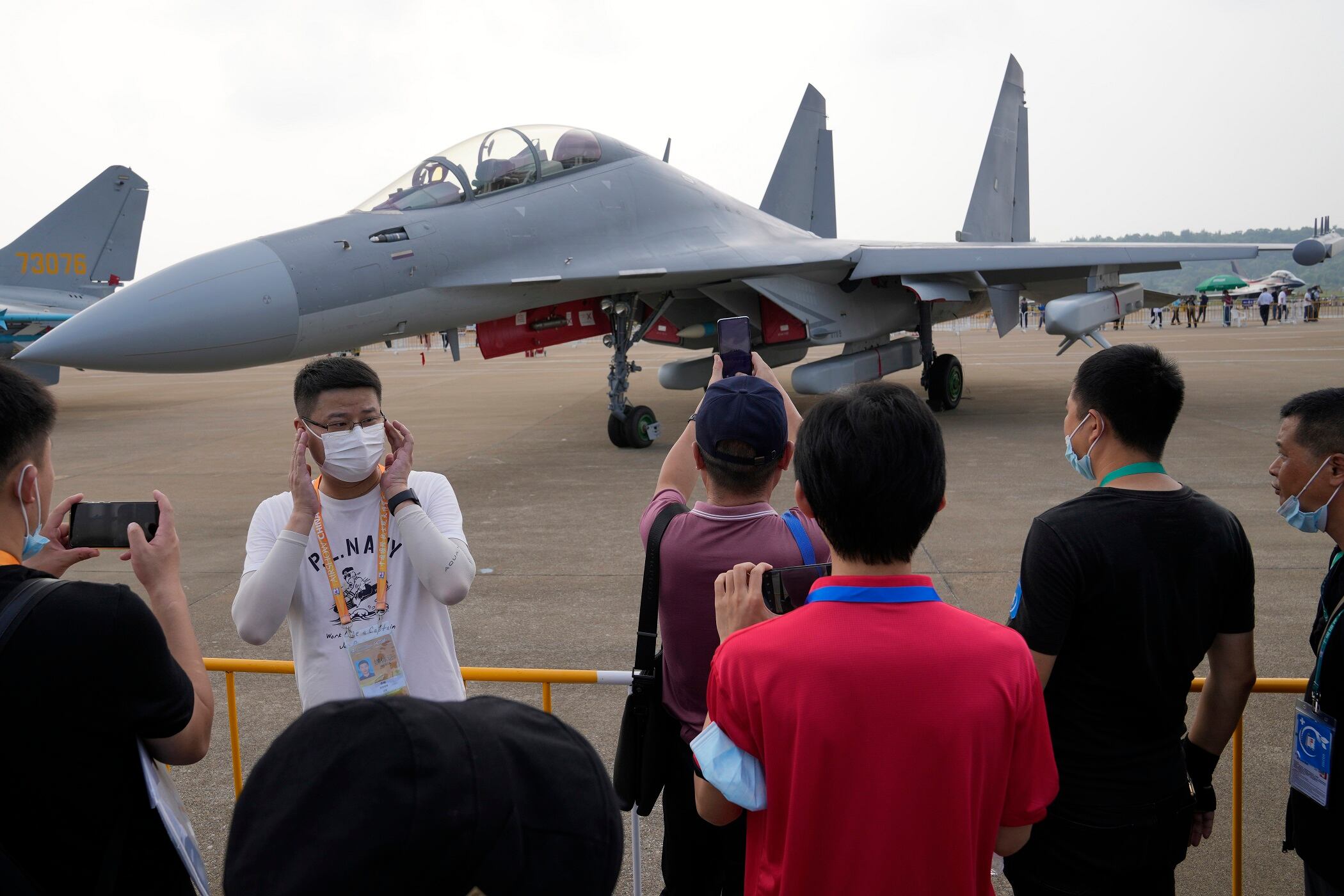
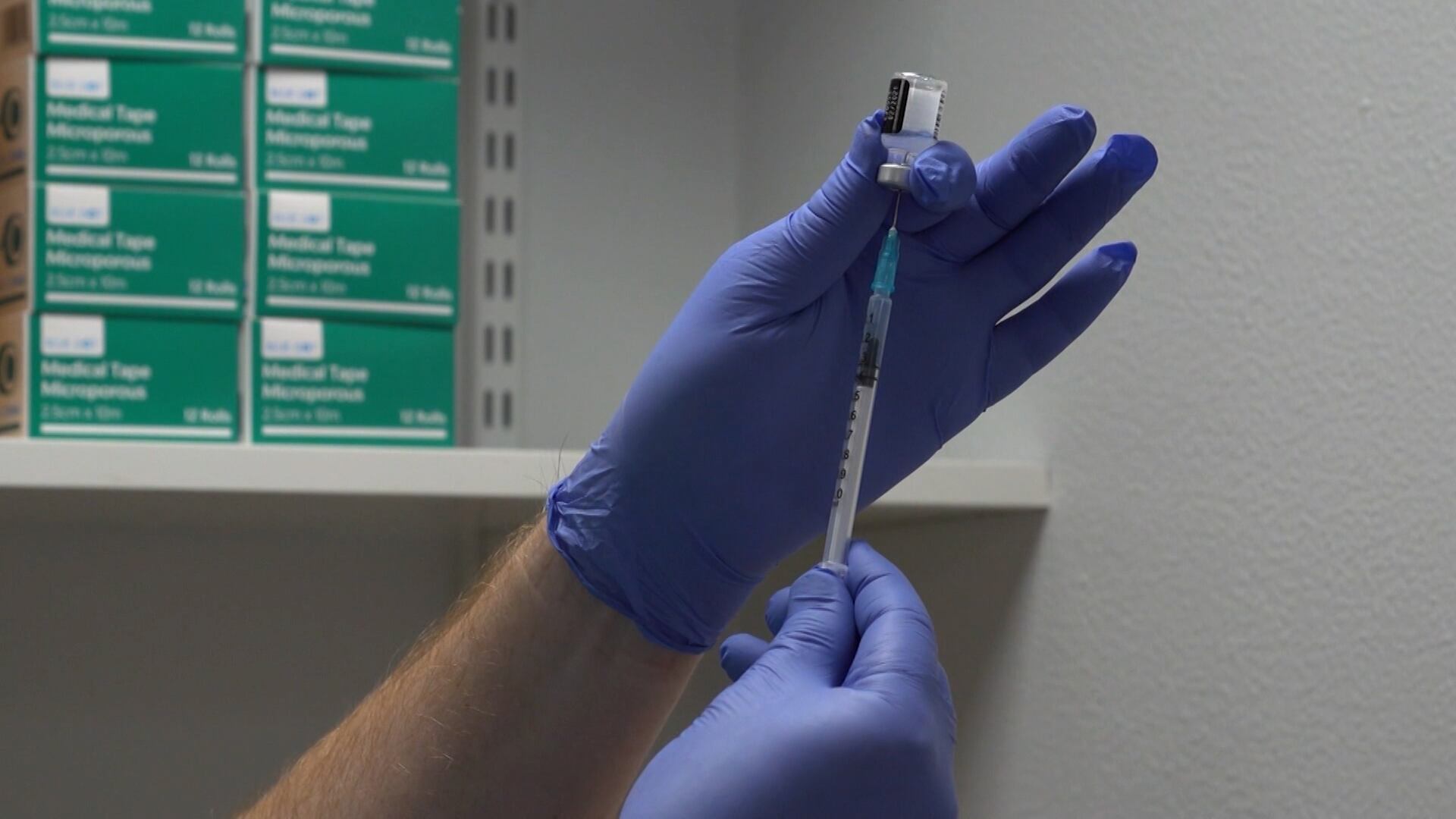
Visitors look at the Chinese military's J-16D electronic warfare airplane during 13th China International Aviation and Aerospace Exhibition, also known as Airshow China 2021, on Wednesday, Sept. 29, 2021, in Zhuhai in southern China's Guangdong province. China flew 39 warplanes, including 24 J-16s and 10 J-10s, toward Taiwan, Sunday, Jan. 23, 2022, in its largest such sortie of the new year, continuing a pattern that the island has answered by scrambling its own jets in response. (AP Photo/Ng Han Guan)
By Huiszhong Wu
China flew 39 warplanes toward Taiwan in its largest such sortie of the new year, amid tensions over the self-ruled island's future and as the U.S. pushes to assert its presence in the region.
The Chinese formation Sunday night included 24 J-16 fighter jets and 10 J-10 jets, among other support and electronic warfare aircraft, according to Taiwan's defense ministry.
Taiwan's air force scrambled its own jets and tracked the People's Liberation Army planes on its air defense radar systems, the ministry said.
The Chinese sortie came as the U.S. military said that two of its carrier strike groups were sailing on Sunday in the South China Sea, led by USS Carl Vinson and USS Abraham Lincoln. They engaged in anti-submarine, air and combat readiness operations.
China’s Ministry of Foreign Affairs declined to comment on why the PLA had flown such a large sortie on Monday, saying it was not a diplomatic matter.
Taiwan and China split during a civil war in 1949, but China claims the island as its own territory. Beijing has used diplomatic and military means to isolate and intimidate the self-ruled island, but the U.S. has continued to support Taiwan by selling it advanced weapons and fighter planes.
Chinese pilots have been flying towards Taiwan on a near-daily basis in the past year and a half, since Taiwan's government started publishing the data regularly. The largest sortie was 56 warplanes on a single day last October.
The activity has generally been in the air space southwest of the island and falls into a zone that Taiwan's military says it monitors out of national security considerations.
Tensions have been high since Taiwanese citizens elected Tsai Ing-wen as president in 2016, to which Beijing responded by cutting off previously established communications with the island's government. Tsai's predecessor was friendly to China and had endorsed Beijing's claim that the two are part of a single Chinese nation.
The U.S. regularly carries out exercises in the South China Sea in what it calls freedom of navigation operations, in line with international law.
___
Associated Press video producer Liu Zheng in Beijing contributed to this report.
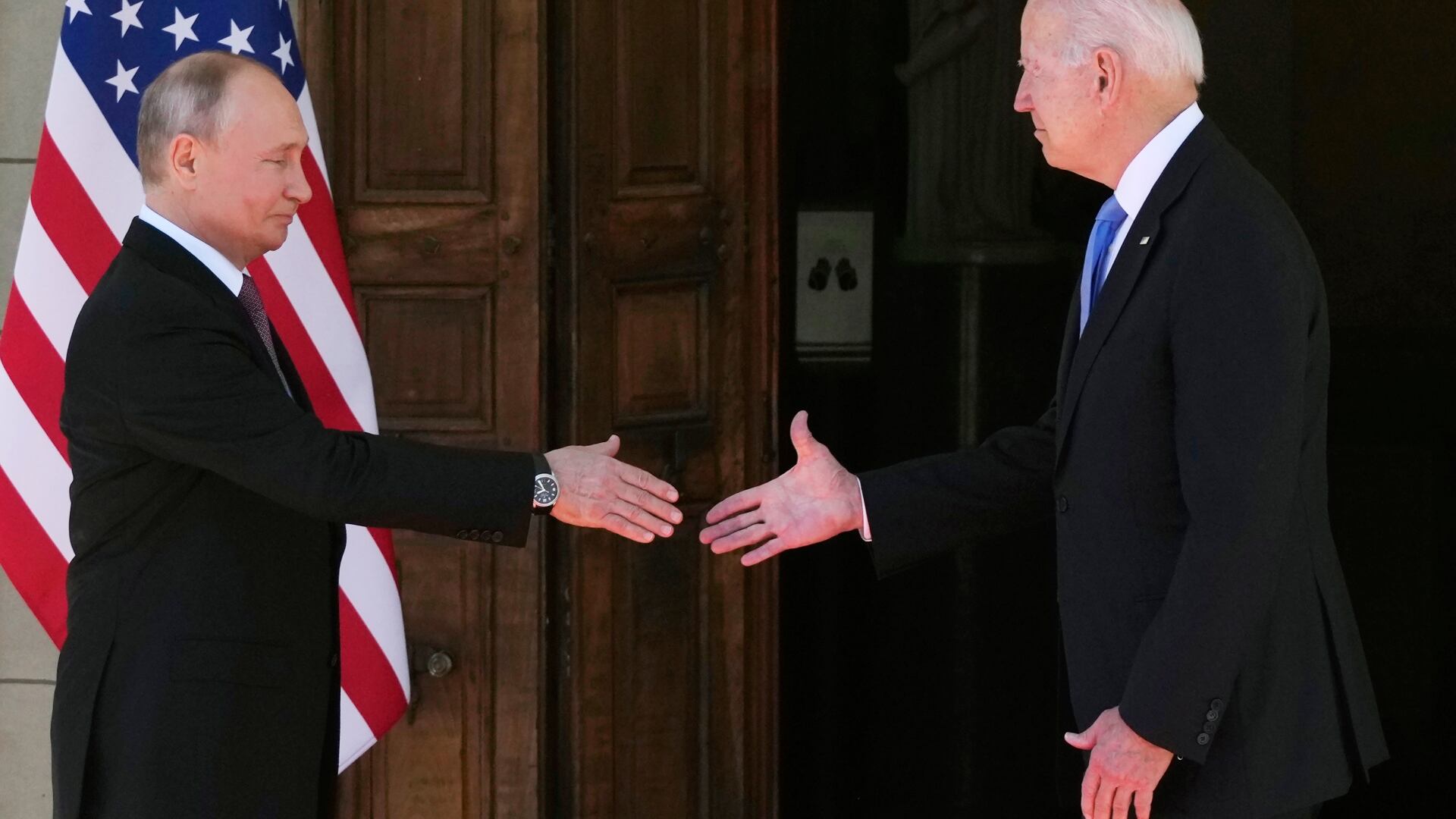
President Biden spoke with Russian President Vladimir Putin for the fourth time this year. Biden and Putin spoke for two hours about the massing of Russian troops and materials near the Russian border with Ukraine. Various outlets have reported that the U.S. has intelligence that Russia could be planning an invasion of Ukraine in the next few months. Both countries said the call was productive, but the situation remains tense.
Hagar Chemali, foreign policy expert and host of "Oh My World!" on YouTube, joins Cheddar Politics to discuss.
A recent Wall Street Journal poll indicated that Hispanic voters are up for grabs for the upcoming midterm elections, with 41 percent of respondents saying they would vote for Democrats and 44 percent for Republicans. Bryanta "Bre" Maxwell, a Democratic Strategist, former political director for Jaime Harrison's senate campaign, and principal and CEO of Indigo Consulting, LLC, joined Cheddar to break down the numbers and to dive into what this specific electorate is looking for as the balance of power in Congress hangs in the balance in 2022.
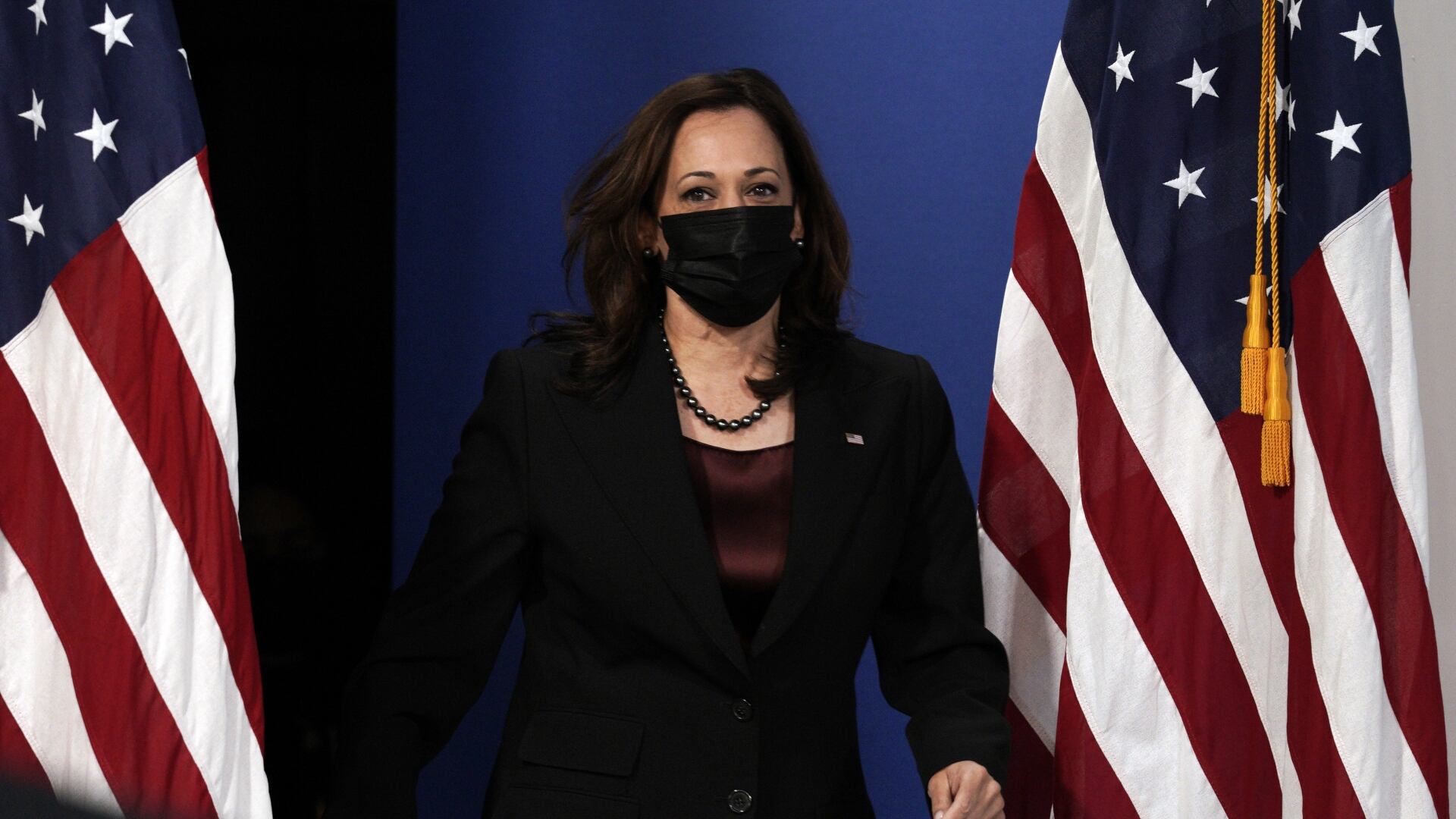
Vice President Kamala Harris received impressive amount of media coverage in January for making history. However, the media attention waned significantly and some are now even saying she has almost disappeared from public view. Reecie Colbert, founder of BlackWomenViews Media, joined Cheddar Politics to discuss more.
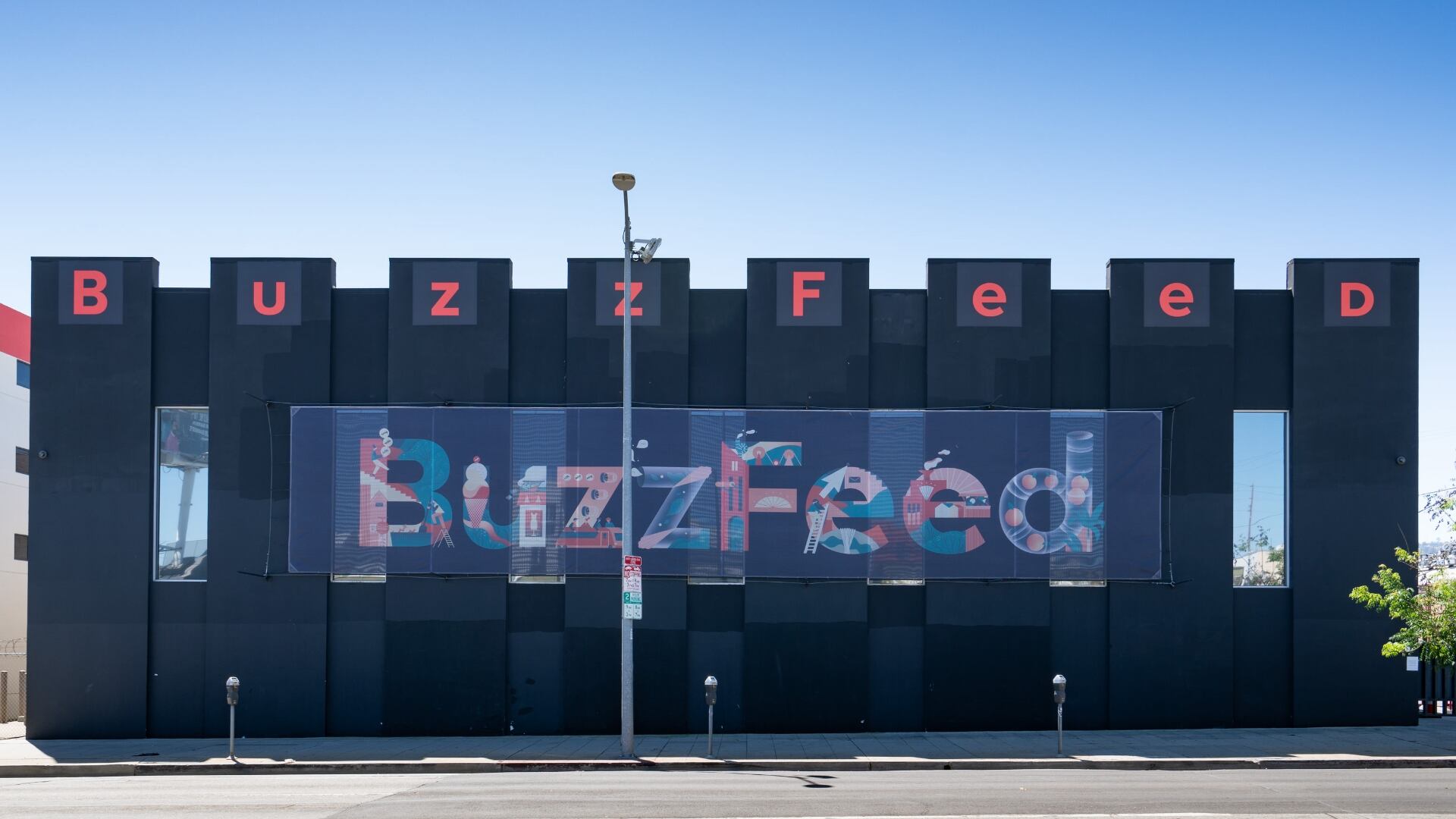
If you thought you heard the last of the Mueller report back in 2019, you'd be wrong. While the bombshell report was the biggest story in Washington for years, much of the report remained redacted. Our friends at BuzzFeed News weren't satisfied, so they sued to have certain passages unredacted. They notched another win when a federal appeals court ordered ten passages from the report to be released.
Matt Topic, BuzzFeed's attorney in the case, and Jason Leopold, reporter at BuzzFeed News, join Cheddar Politics to discuss.
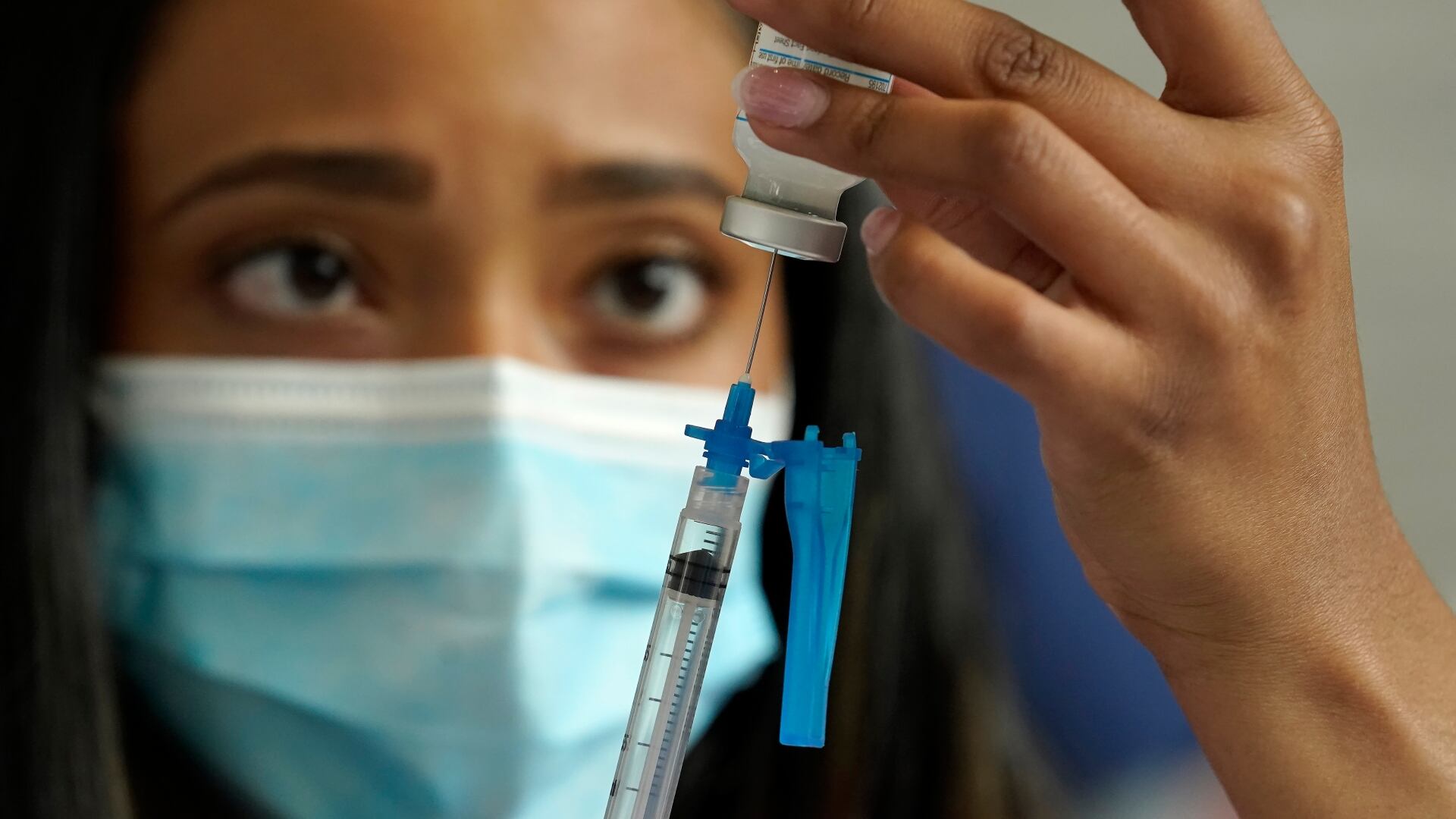
The U.S. reported its first confirmed case of the omicron variant in California on Wednesday. Scientists and health officials are racing to understand the variant, with the WHO saying it's still too early to determine whether it's more contagious, more deadly or more resistant to vaccines than other variants. Omicron has pushed members of the WHO to commit to start talks over a "gobal pandemic treaty" for future pandemic preparedness.
Priti Krishtel, co-founder and co-executive director of the Initiative for Medicines, Access & Knowledge, joins Cheddar Politics to discuss.
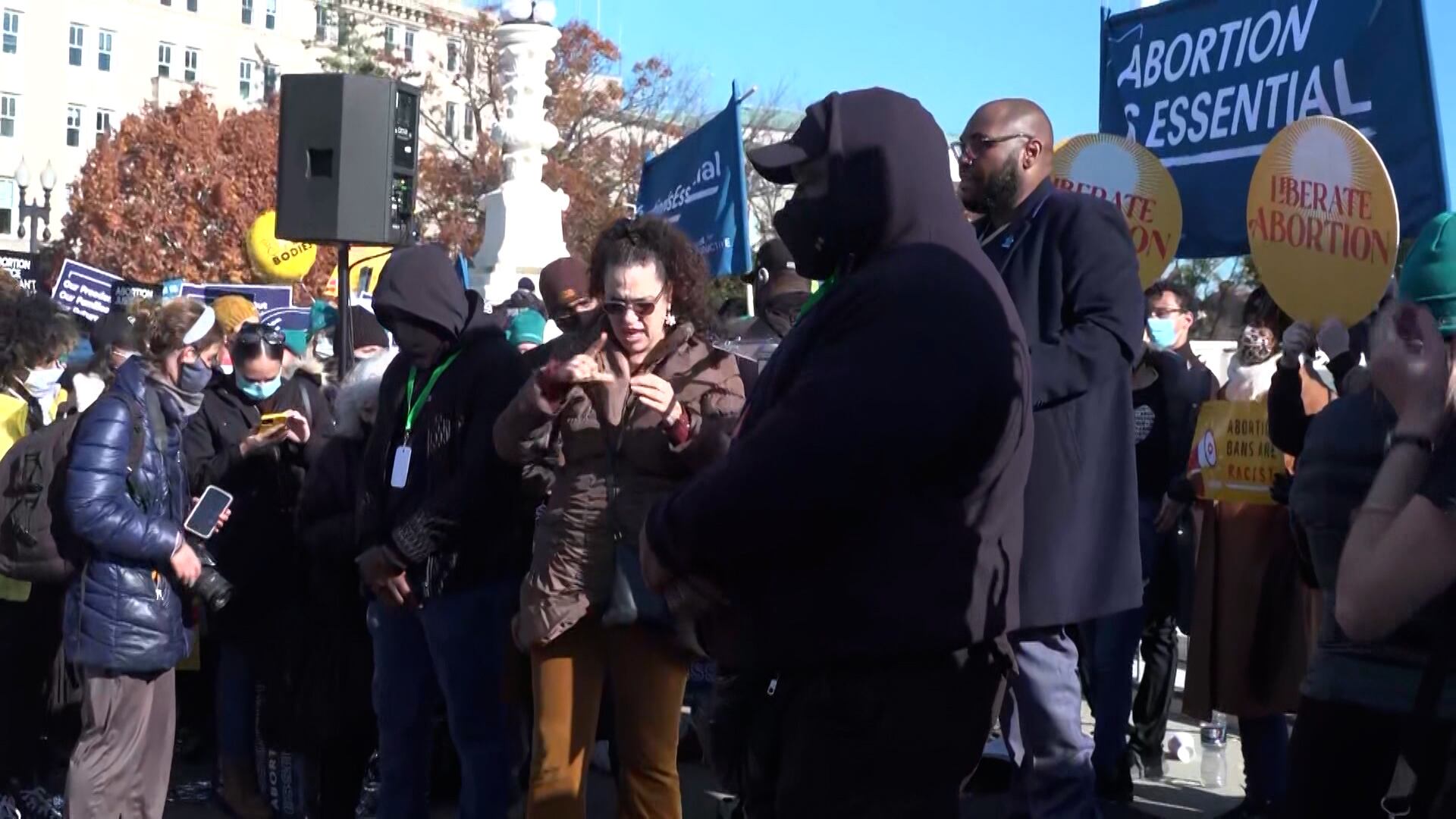
Wednesday was not a good day for those who believe in abortion rights in this country as the Supreme Court heard arguments on a Mississippi abortion law that bans most abortions after 15 weeks of pregnancy. The majority of the court appears poised to roll back abortion rights, and the questions from the conservative justices seemed to indicate the law for nearly 50 years is likely to change.
Jessica Mason Pieklo, senior vice president and executive editor of Rewire News Group, joined Cheddar Politics to discuss Wednesday's hearing.
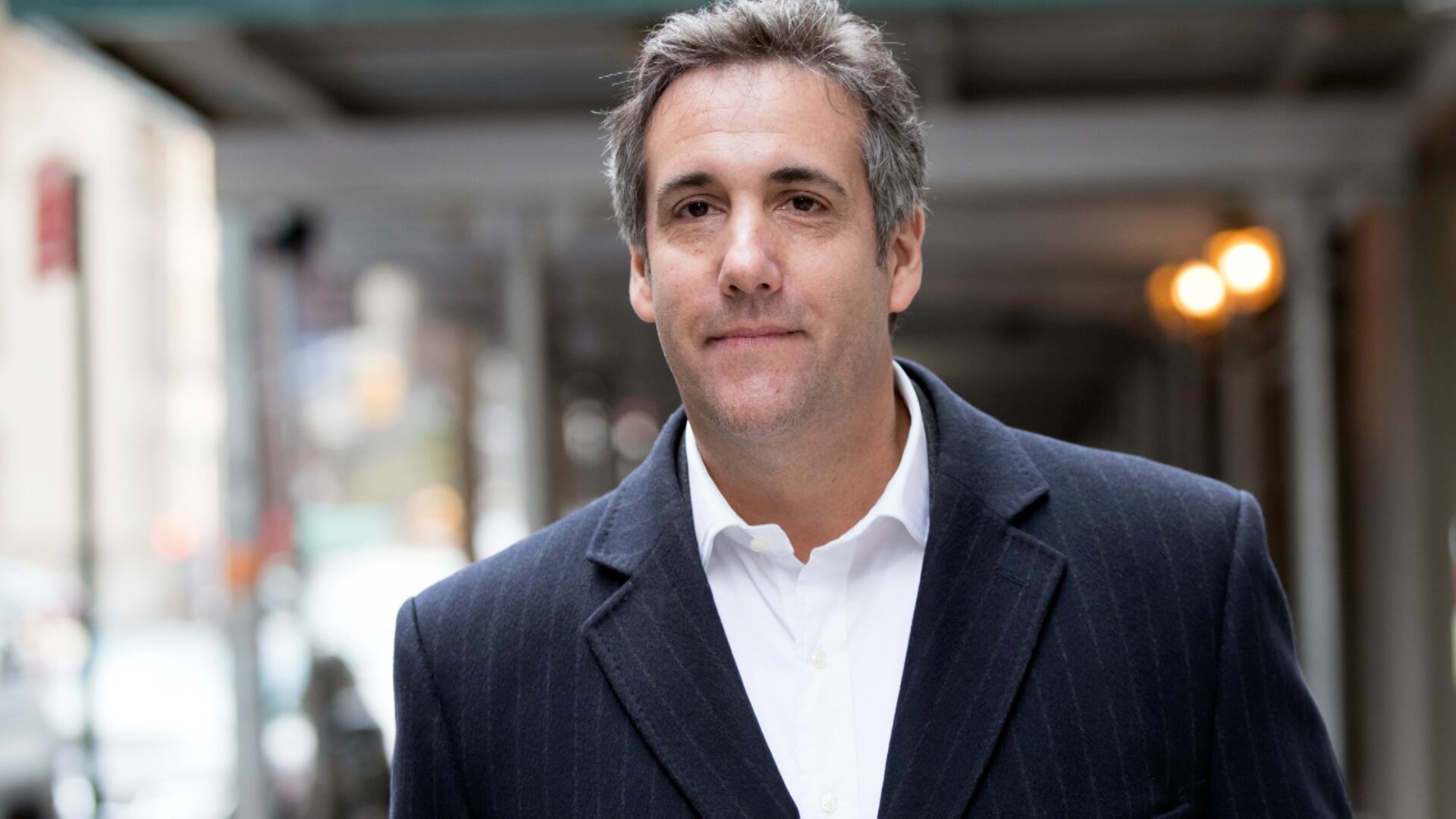
Michael Cohen, Donald Trump's former personal lawyer, has been busy since completing his prison sentence in November. He's getting into the NFT space, selling his federal prison badge and the original manuscript of his book "Disloyal" as NFTs. Cohen joined Cheddar to discuss his latest venture and why he thinks there is still much to be revealed about his case.
Jonathan Adler, Law Professor at Case Western Reserve University, joined Wake Up With Cheddar to discuss Tuesday's ruling and provide legal context to recent battles over vaccine mandates.
Carlo and Baker wrap up the week talking about the Biden economic boom that no one seems to notice, a verdict in the Jussie Smollett case, the first Starbucks union in America and the pleasures of the "dude nod."