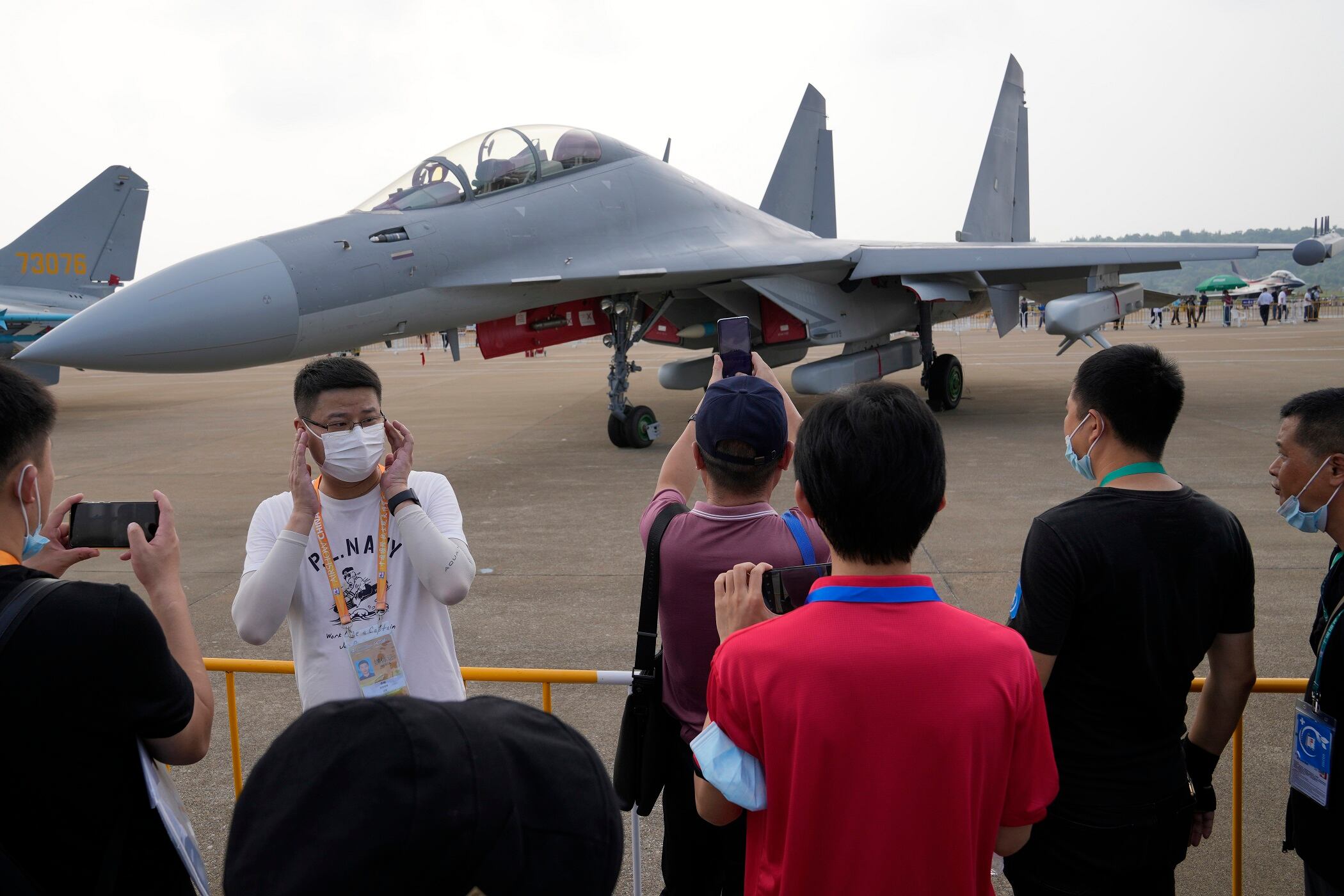
Visitors look at the Chinese military's J-16D electronic warfare airplane during 13th China International Aviation and Aerospace Exhibition, also known as Airshow China 2021, on Wednesday, Sept. 29, 2021, in Zhuhai in southern China's Guangdong province. China flew 39 warplanes, including 24 J-16s and 10 J-10s, toward Taiwan, Sunday, Jan. 23, 2022, in its largest such sortie of the new year, continuing a pattern that the island has answered by scrambling its own jets in response. (AP Photo/Ng Han Guan)
By Huiszhong Wu
China flew 39 warplanes toward Taiwan in its largest such sortie of the new year, amid tensions over the self-ruled island's future and as the U.S. pushes to assert its presence in the region.
The Chinese formation Sunday night included 24 J-16 fighter jets and 10 J-10 jets, among other support and electronic warfare aircraft, according to Taiwan's defense ministry.
Taiwan's air force scrambled its own jets and tracked the People's Liberation Army planes on its air defense radar systems, the ministry said.
The Chinese sortie came as the U.S. military said that two of its carrier strike groups were sailing on Sunday in the South China Sea, led by USS Carl Vinson and USS Abraham Lincoln. They engaged in anti-submarine, air and combat readiness operations.
China’s Ministry of Foreign Affairs declined to comment on why the PLA had flown such a large sortie on Monday, saying it was not a diplomatic matter.
Taiwan and China split during a civil war in 1949, but China claims the island as its own territory. Beijing has used diplomatic and military means to isolate and intimidate the self-ruled island, but the U.S. has continued to support Taiwan by selling it advanced weapons and fighter planes.
Chinese pilots have been flying towards Taiwan on a near-daily basis in the past year and a half, since Taiwan's government started publishing the data regularly. The largest sortie was 56 warplanes on a single day last October.
The activity has generally been in the air space southwest of the island and falls into a zone that Taiwan's military says it monitors out of national security considerations.
Tensions have been high since Taiwanese citizens elected Tsai Ing-wen as president in 2016, to which Beijing responded by cutting off previously established communications with the island's government. Tsai's predecessor was friendly to China and had endorsed Beijing's claim that the two are part of a single Chinese nation.
The U.S. regularly carries out exercises in the South China Sea in what it calls freedom of navigation operations, in line with international law.
___
Associated Press video producer Liu Zheng in Beijing contributed to this report.
Eli Yokley, Senior Reporter at Morning Consult, joins Cheddar News to discuss how Americans are prioritizing economic issues over the pandemic when it comes to voting.
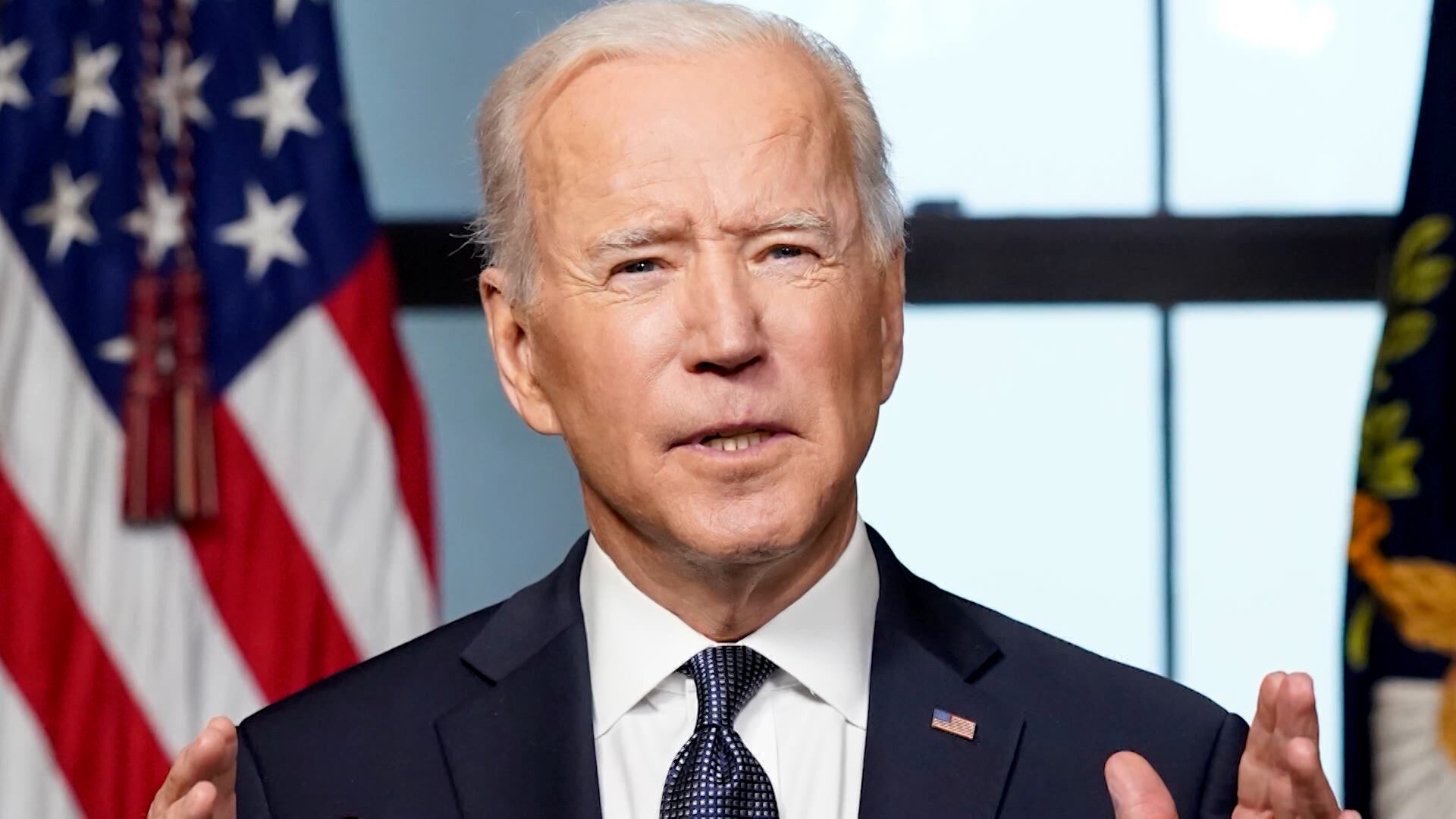
President Biden's disapproval rating hit a new high in December according to a poll from CNBC and Change Research, as Americans expressed their disapproval over the current state of the economy. This comes just months after the president signed a historic infrastructure bill back in November that was promised to bring a surge of jobs, especially in the manufacturing sector.
Change Research Senior Pollster Nancy Zdunkewicz spoke to Cheddar News about just what is driving the President’s disapproval rating.
As the Omicron variant continues to sweep across the country. The US Supreme Court is expected to hear arguments at the end of this week on whether or not the Biden administration can force private companies to vaccinate or test millions of their employees. In addition, the National Nurses United has spearheaded legal action to protect nurses and health care workers, patients, and the public while on the job. President of the National Nurses Union, Zenei Cortez, joined Cheddar to discuss more.
Far too often, Americans are forced to navigate a tangled web of outdated government websites, offices way out of their reach, and hours of time 'on hold' to access the simple government services they depend on. A recent executive order, signed by President Biden, is intended to improve, streamline and modernize the 'customer' experience when accessing government services. Mina Hsiang, the administrator of the United States Digital Service, joins Cheddar News to discuss how the tech workforce is impacted by this executive order.
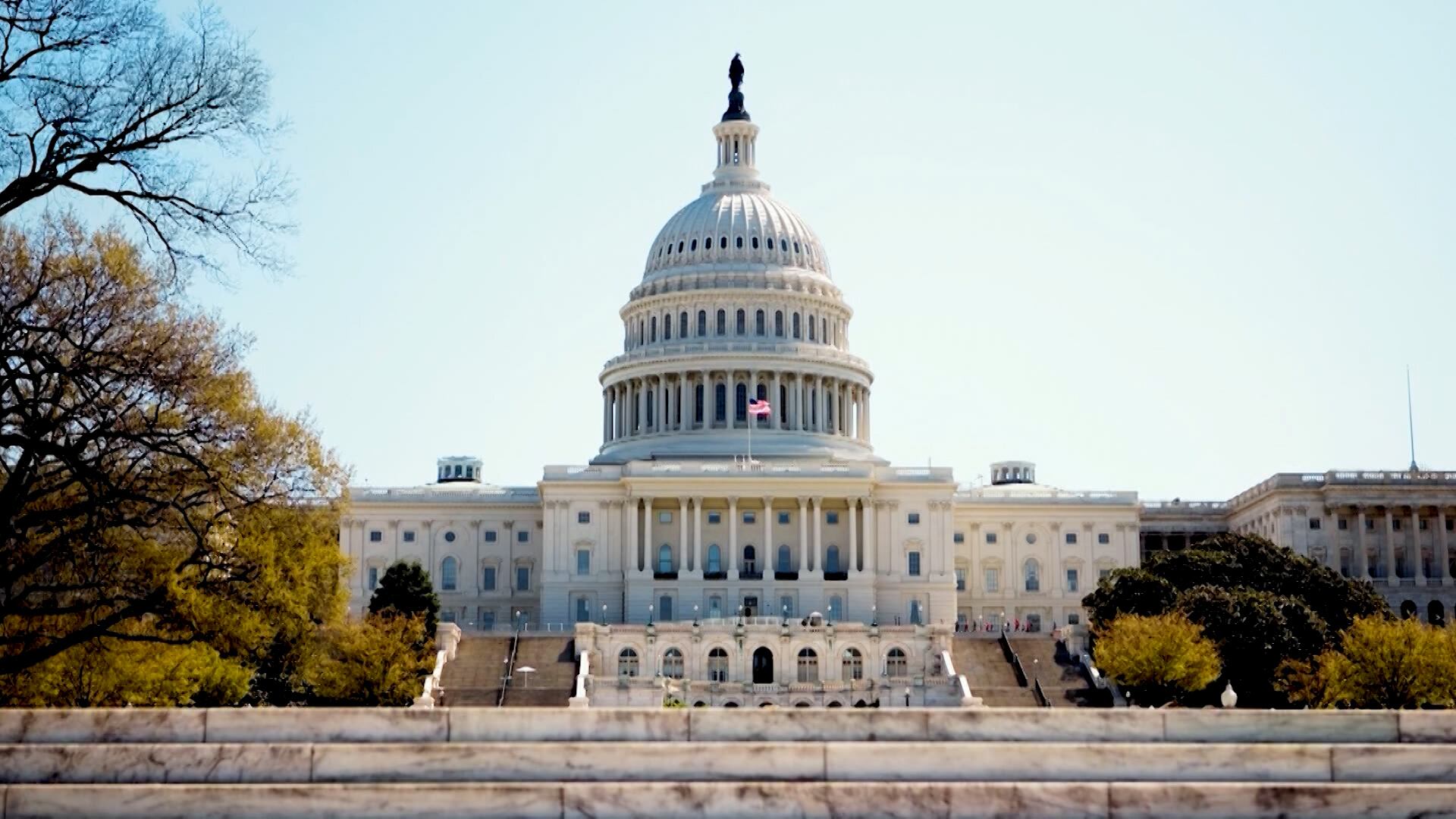
Today marks one year since the January 6 Attack on the United States Capitol. The Country watched as supporters of then-President Trump stormed what was assumed to be the most secure building in the country in an attempt to stop the certification of the 2020 Election. Several lawmakers, including the Vice President, could be seen ducking down as they feared for their lives. Democratic Michigan Representative Dan Kildee, joined Cheddar to discuss more.
Stocks closed lower on Friday as investors continue to worry over rate hikes. John Lynch, CIO of Comerica Wealth Management, joins Cheddar News' Closing Bell, where he says value is back in play with investors. Lynch also believes the market has overreacted to the latest Fed minutes, suggesting a bounce-back at some point.
Ben Armstrong, founder of Bitboy Crypto, joins Cheddar News to discuss Bitcoin's downward trend and what's next for crypto after protests in Kazakhstan cause crypto miners to shut down.
Washington, D.C. Attorney General Karl Racine joins Cheddar Politics to discuss his lawsuit against the extremist groups Proud Boys and Oath Keepers over their role in the January 6 attack on the U.S. Capitol.
Josh Pasek, a professor at the University of Michigan and expert on political communication and misinformation, joins Cheddar News to discuss how political radicalization happens and how America got to this point.
Kyle Kondik, managing editor at Sabato's Crystal Ball at the University of Virginia Center for Politics, joins Cheddar News to discuss what to expect at the 2022 midterm elections.