Flames and exhaust trail behind a Long March-5 rocket carrying the Chang'e 5 lunar mission after it lifted off at the Wenchang Space Launch Center in Wenchang in southern China's Hainan Province, early Tuesday, Nov. 24, 2020. China launched an ambitious mission on Tuesday to bring back material from the moon's surface for the first time in more than 40 years — an undertaking that could boost human understanding of the moon and of the solar system more generally. (AP Photo/Mark Schiefelbein)
By Joe McDonald
A Chinese robot probe sent to return lunar rocks to Earth for the first time since the 1970s landed on the moon Tuesday, the government announced, adding to a string of increasingly bold space missions by Beijing.
The Chang’e 5 probe “successfully landed” at its planned site, state TV and news agencies reported, citing the China National Space Administration. They didn’t immediately announce any more details.
The probe, launched Nov. 24 from the tropical southern island of Hainan, is the latest venture by a Chinese space program that fired a human into orbit in 2003, has a probe en route to Mars, and aims eventually to land a human on the moon.
Plans call for the robot lander to drill into the lunar surface and load 2 kilograms (4.4 pounds) of rocks and debris into an ascent stage that will blast off to return them to Earth.
If it succeeds, it will be the first time scientists have obtained fresh samples of lunar rocks since a Soviet probe in the 1970s.
The Chang'e 5 flight is China's third successful lunar landing. Its predecessor, Chang'e 4, became the first probe to land on the moon's little-explored far side.
The latest flight includes collaboration with the European Space Agency, which is helping to monitor the mission.
China's space program has proceeded more cautiously than the U.S.-Soviet space race of the 1960s, which was marked by fatalities and launch failures.
In 2003, China became the third country to fire an astronaut into orbit on its own after the Soviet Union and the United States. It also launched a crewed space station.
Space officials say they hope eventually to land a human on the moon but no timeline or other details have been announced.
China, along with neighbors Japan and India, also has joined the growing race to explore Mars.
The Tianwen 1 probe launched in July is en route to the red planet carrying a lander and a robot rover to search for water.
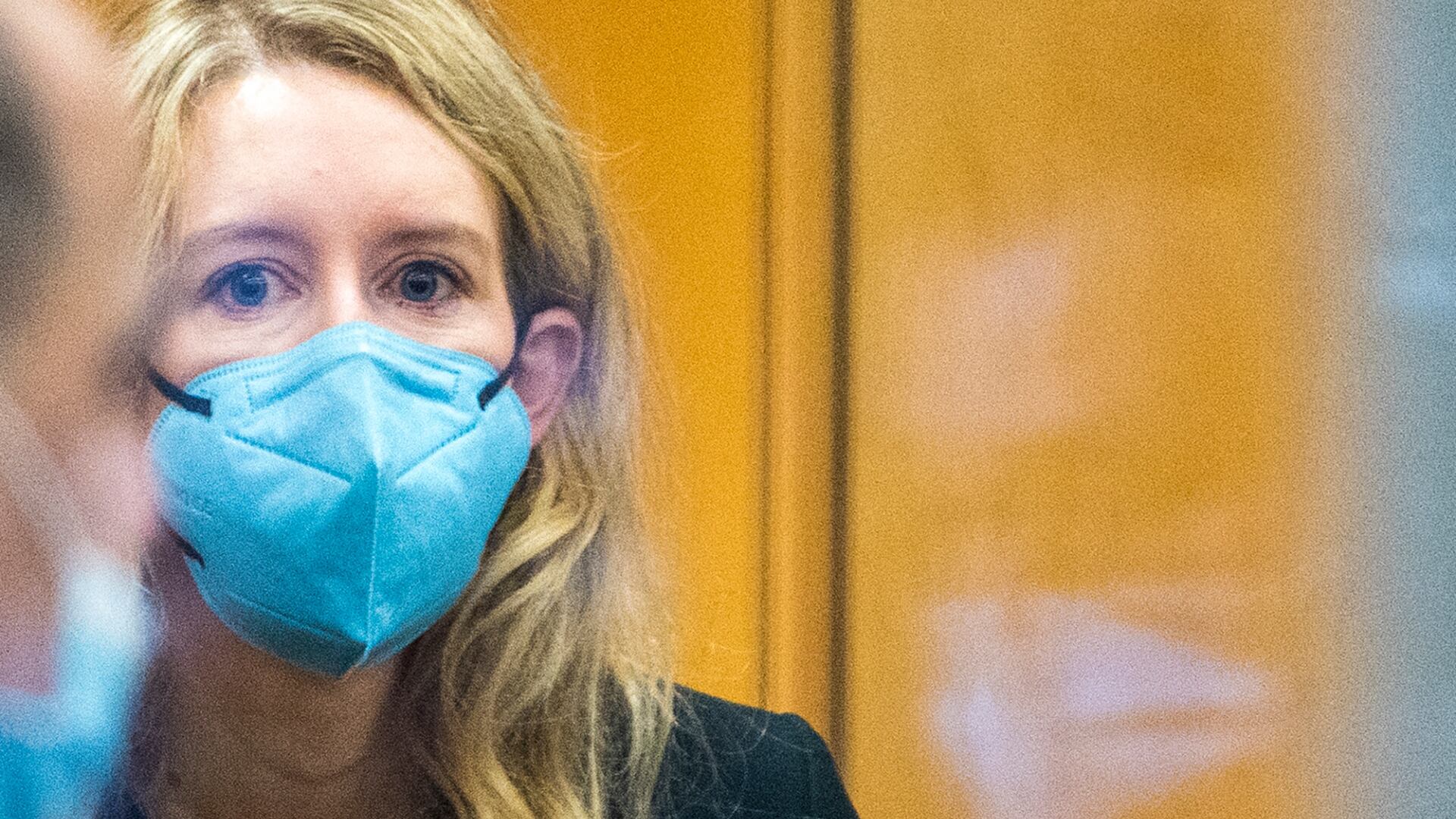
Jurors in the trial against Theranos CEO Elizabeth Holmes have entered day six of deliberations. Holmes is accused of lying to investors about the functionality of a newly developed blood-testing technology. Andrew George, partner at Baker Botts, joined Cheddar to break down key points in the case and what the jury might be considering during their deliberations. He also noted that the rest of Silicon Valley, including Holmes' business partner, Ramesh "Sunny" Balwani, who is facing identical charges, is closely watching the outcome of deliberations — as it could set the tone for future regulations and Balwani's own trial.
According to researchers, the state of California's cap-and-trade program is currently being undermined by forest fires caused primarily by climate change. Over the past few years, trees that were set aside for the program have been releasing carbon as they continue to burn in fires. Climate Researcher and Policy Director at CarbonPlan Danny Cullenward, joined Cheddar to discuss more.
The CDC's latest update to its COVID-19 quarantine guidelines reduces the isolation period from ten days to just five for people who test positive but are asymptomatic. Dr. Bayo Curry-Winchell, regional clinical director at Carbon Health, spoke to Cheddar's Baker Machado about the new guidance. She noted that while the reduced quarantine time "makes sense," the CDC should also require that a person test negative after their quarantine and before interacting with the public. "There is science behind it. We know that the majority of illness happens, or transmission, one to two days before the onset of symptoms and then two to three days as you have symptoms. So there is science behind the reducement of the actual five days," she said.
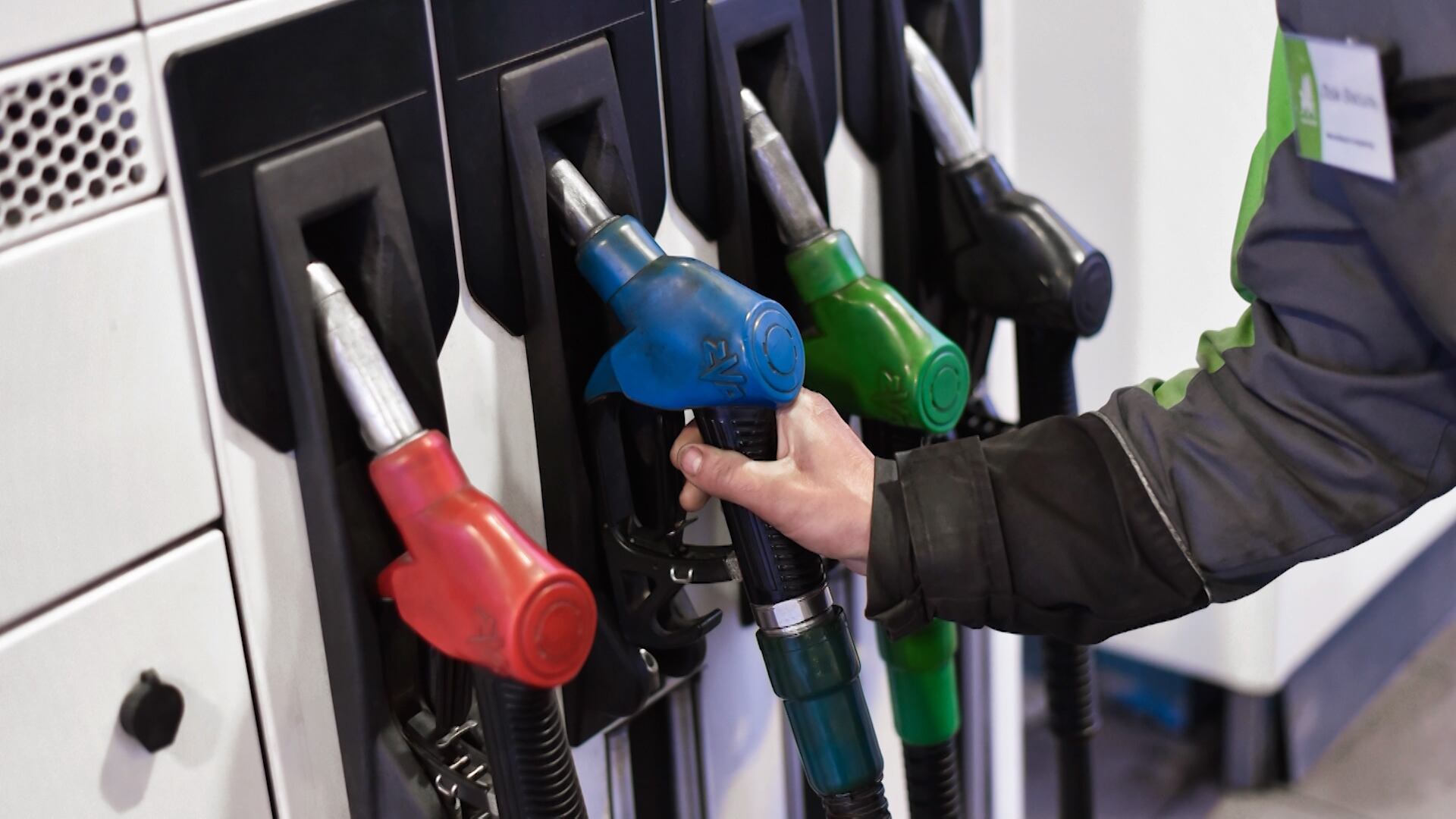
Prices at the pump this year reached a seven-year high, and a new forecast from GasBuddy shared with CNN predicts that gas prices will only continue to rise in 2022 and that the national average could even reach $4.00 a gallon; however, analysts at GasBuddy say anything could happen when it comes to gas prices in the future, as the pandemic has made it difficult to make any predictions about the economy. Consumer Energy Alliance federal policy advisor Michael Zehr joins Cheddar News' Closing Bell to discuss.
As the Omicron variant is fueling a surge in COVID-19 cases, parents and schools are faced with tough choices between absences and outbreaks. Matt Barnum, a national reporter at Chalkbeat, joins Cheddar News to discuss.
Ron Gutman, Co-CEO of Intrivo, joins Cheddar News to discuss how the company is creating a test and tech solution for Covid testing called 2Gather, and how it's using data-driven digital diagnostics to make these tests widely available and affordable.
As 2021 winds down, the number of positive COVID-19 cases has surged dramatically with numbers not seen since the heights of the pandemic. Dr. Laolu Fayanju, the regional medical director at primary care provider Oak Street Health, joined Cheddar to discuss the numbers, how the healthcare system is handling the surge this time around, and what it means that the CDC just cut the quarantine time guideline in half for those who are infected. "These are incredibly high numbers because they reflect the transmissibility of the omicron variant," Fayanju said.