China Denies Spying on Trump's iPhone, But Says He Should Use a Huawei Anyway
*By Carlo Versano*
China is responding to a revelatory [report](https://www.nytimes.com/2018/10/24/us/politics/trump-phone-security.html?module=inline) in The New York Times ー that said Chinese spies are allegedly eavesdropping on President Donald Trump during calls he makes on an unsecured iPhone ー by suggesting that the president use the device of a Chinese competitor instead.
"If they are very worried about iPhones being tapped, they can use Huawei," Chinese Foreign Ministry spokesperson Hua Chunying [told reporters in Beijing](https://www.scmp.com/tech/big-tech/article/2170177/china-refutes-report-it-spies-trumps-iphone-suggests-he-get-huawei).
Roger Cheng, executive editor at CNET called that "an epic amount of shade" being thrown by the Chinese at the U.S.
It comes after Huawei products were banned from official U.S. government use over concerns they can be compromised by the Chinese government. Huawei phones are effectively useless in the U.S. because of those concerns ー they aren't offered by major retailers or carriers ー even though the handset maker is the second-largest in the world behind Samsung.
"It's a bit of irony that they would throw that [suggestion] out there," said Chen.
The Times reported Wednesday that Trump has dismissed his aides' instruction to use secured phone lines for his personal calls and opted instead to carry at least one iPhone, no different from any other on the market, that he uses to call friends and gossip ー and which Chinese and Russian spies routinely eavesdrop on in an effort to gauge how the president thinks.
But the ability to listen in on cellphone calls has less to do with the specific kind of phone and more to do with the fact that intercepting calls as they bounce around cell towers is a relatively simple element of spycraft "if you have the know-how and the resources," according to Chen. "And obviously the Chinese government has a lot of resources."
The Chinese government spokeswoman dismissed the report that Chinese spies were listening in on Trump as "fake news," using one of Trump's favorite phrases.
Trump called the Times report "soooo wrong!" in a tweet Thursday.
For full interview [click here](https://cheddar.com/videos/roger-cheng).
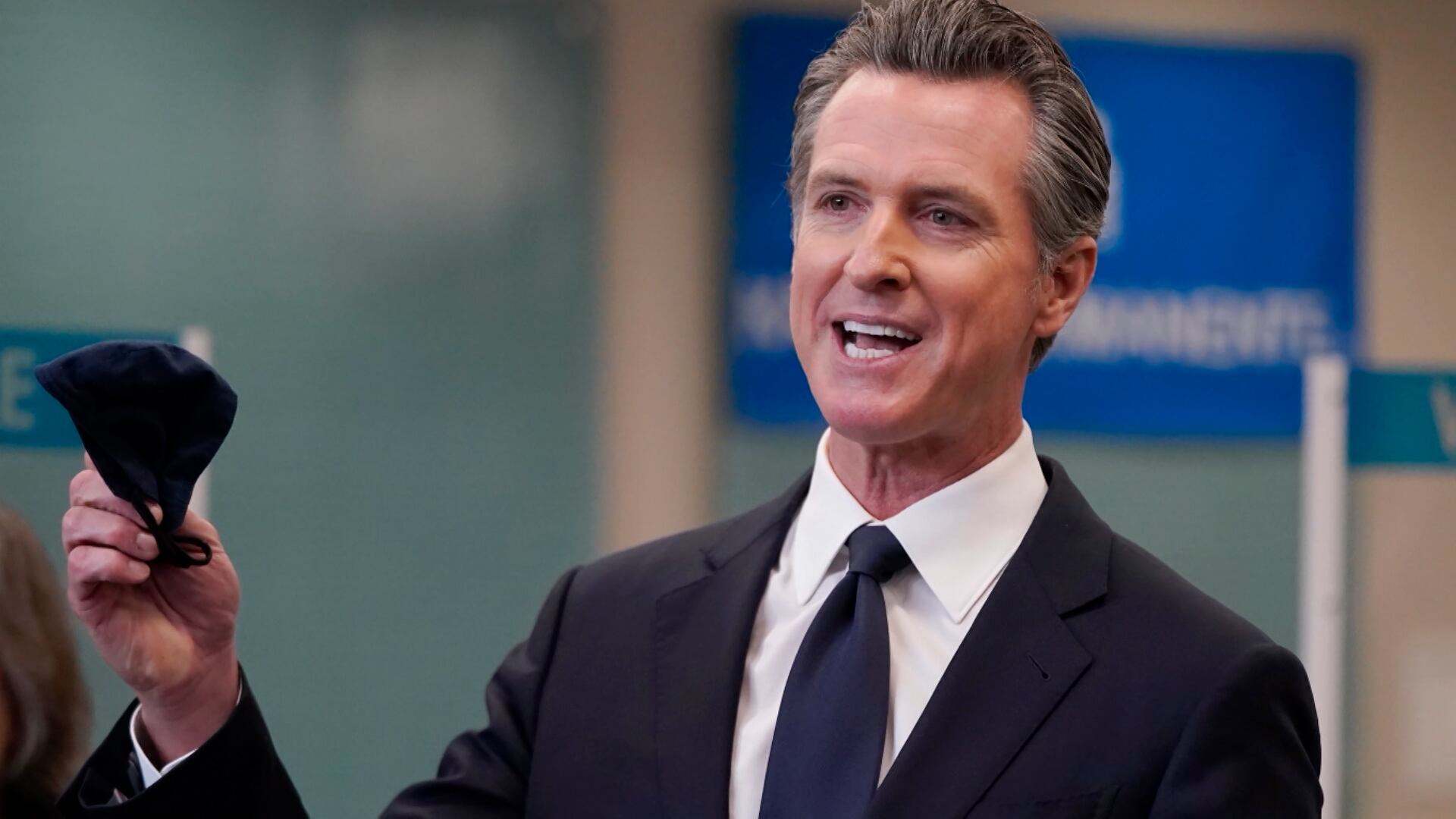
California Governor Gavin Newsom is projected to keep his job. Around two-thirds of the votes have been reported, and roughly 64% of those votes are in favor of keeping Newsom as their governor.
Daniel Strauss, senior political correspondent at The New Republic, joined Cheddar's Opening Bell to discuss more about what Newsom's win means to both political parties moving into Midterm elections season.
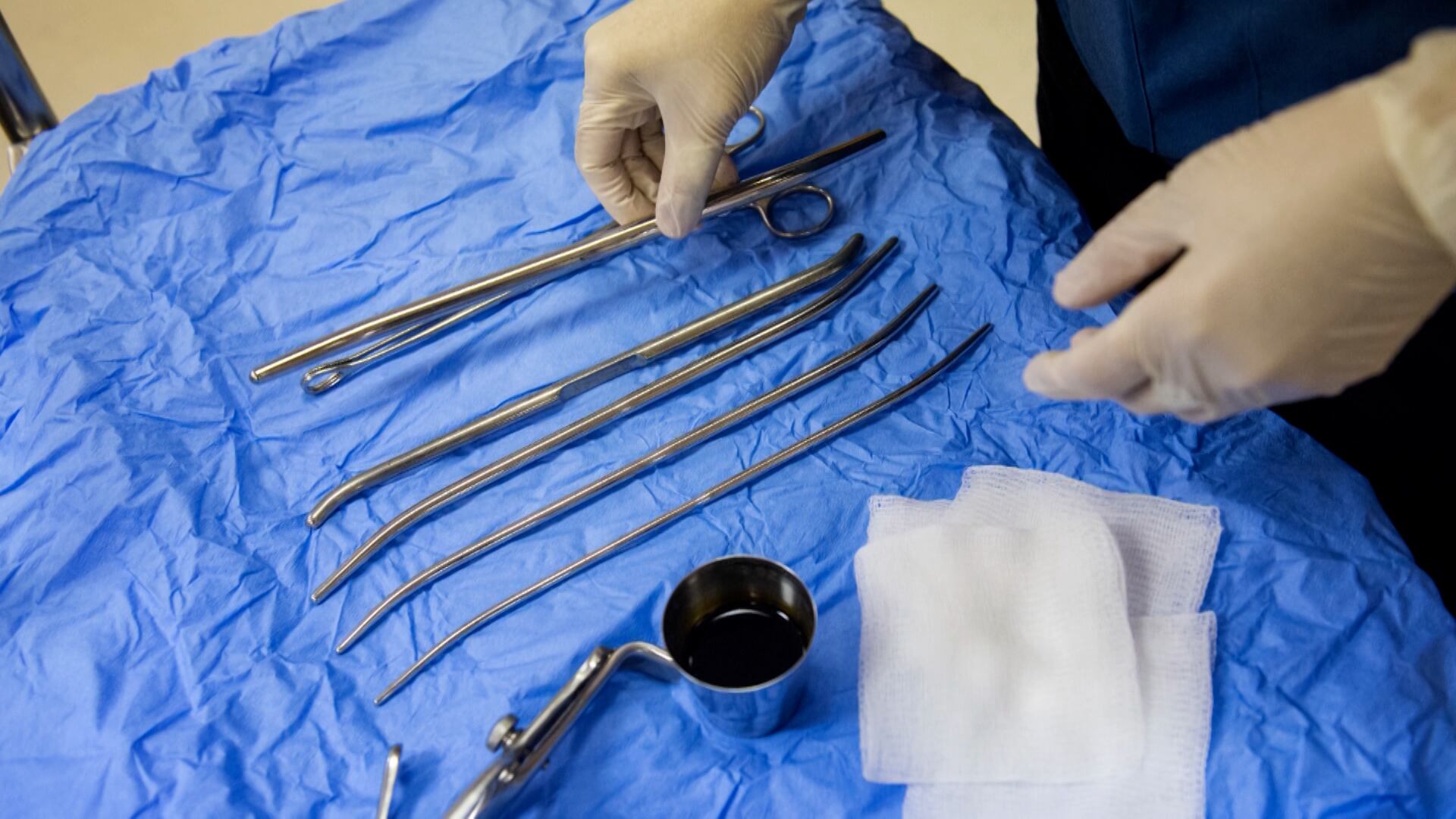
The Department of Justice is suing Texas over the state's new abortion law that prohibits abortions after six weeks, well before many women even know they're pregnant. The lawsuit argues the law is unconstitutional under long-standing Supreme Court precedent. It was filed last week in federal court in Texas, but could go all the way to the high court within weeks. Josh Blackman, a constitutional law professor at South Texas College of Law Houston, discusses the DOJ lawsuit and what it could mean for other abortion laws across the country.
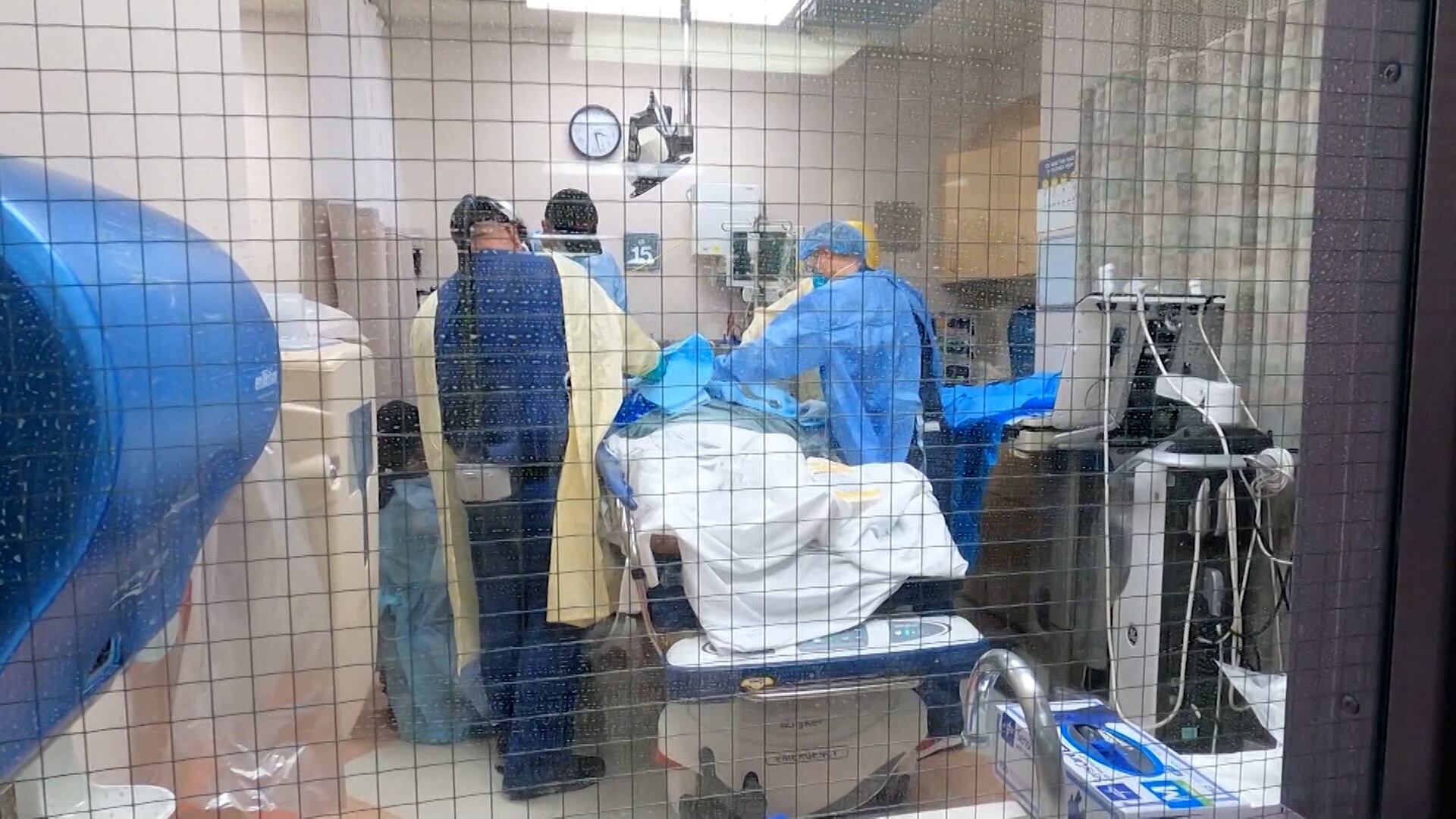
26 states have now fully vaccinated more than half of their population with Vermont, Connecticut, and Massachusetts fully vaccinating at least two-thirds of their residents. These three states are among the ones with the lowest new Covid-19 cases per capita, but in states with low vaccination rates, hospitals are filling up again.
Dr. Rob Davidson, ER doctor and executive director of Committee to Protect Health Care, joined Cheddar's Opening Bell to discuss more.
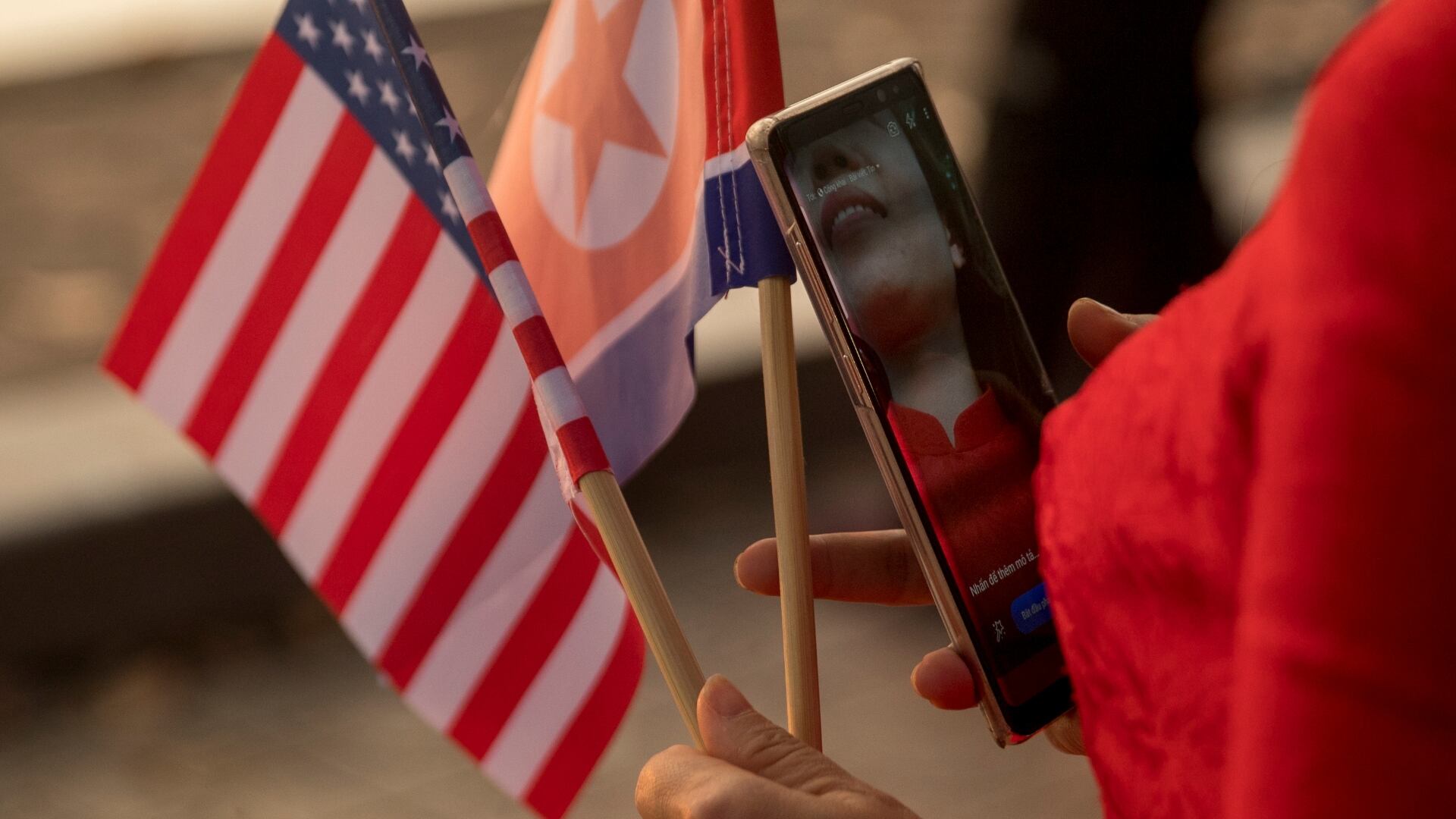
The Biden Administration has officially extended a ban on a Trump-era policy that prohibits traveling with a U.S. passport to North Korea. The extension is expected to last until August 2022. The ban was initially enforced after the death of Otto Warmbier, who entered a vegetative state while in North Korean custody. Advocates against the ban argue that it has caused crippling impacts on Korean Americans who have not been able to reunite with their families back home. Senior Fellow at The Foundation For Defense of Democracies Anthony Ruggiero joined Cheddar's News Wrap to discuss more.