China Denies Spying on Trump's iPhone, But Says He Should Use a Huawei Anyway
*By Carlo Versano*
China is responding to a revelatory [report](https://www.nytimes.com/2018/10/24/us/politics/trump-phone-security.html?module=inline) in The New York Times ー that said Chinese spies are allegedly eavesdropping on President Donald Trump during calls he makes on an unsecured iPhone ー by suggesting that the president use the device of a Chinese competitor instead.
"If they are very worried about iPhones being tapped, they can use Huawei," Chinese Foreign Ministry spokesperson Hua Chunying [told reporters in Beijing](https://www.scmp.com/tech/big-tech/article/2170177/china-refutes-report-it-spies-trumps-iphone-suggests-he-get-huawei).
Roger Cheng, executive editor at CNET called that "an epic amount of shade" being thrown by the Chinese at the U.S.
It comes after Huawei products were banned from official U.S. government use over concerns they can be compromised by the Chinese government. Huawei phones are effectively useless in the U.S. because of those concerns ー they aren't offered by major retailers or carriers ー even though the handset maker is the second-largest in the world behind Samsung.
"It's a bit of irony that they would throw that [suggestion] out there," said Chen.
The Times reported Wednesday that Trump has dismissed his aides' instruction to use secured phone lines for his personal calls and opted instead to carry at least one iPhone, no different from any other on the market, that he uses to call friends and gossip ー and which Chinese and Russian spies routinely eavesdrop on in an effort to gauge how the president thinks.
But the ability to listen in on cellphone calls has less to do with the specific kind of phone and more to do with the fact that intercepting calls as they bounce around cell towers is a relatively simple element of spycraft "if you have the know-how and the resources," according to Chen. "And obviously the Chinese government has a lot of resources."
The Chinese government spokeswoman dismissed the report that Chinese spies were listening in on Trump as "fake news," using one of Trump's favorite phrases.
Trump called the Times report "soooo wrong!" in a tweet Thursday.
For full interview [click here](https://cheddar.com/videos/roger-cheng).
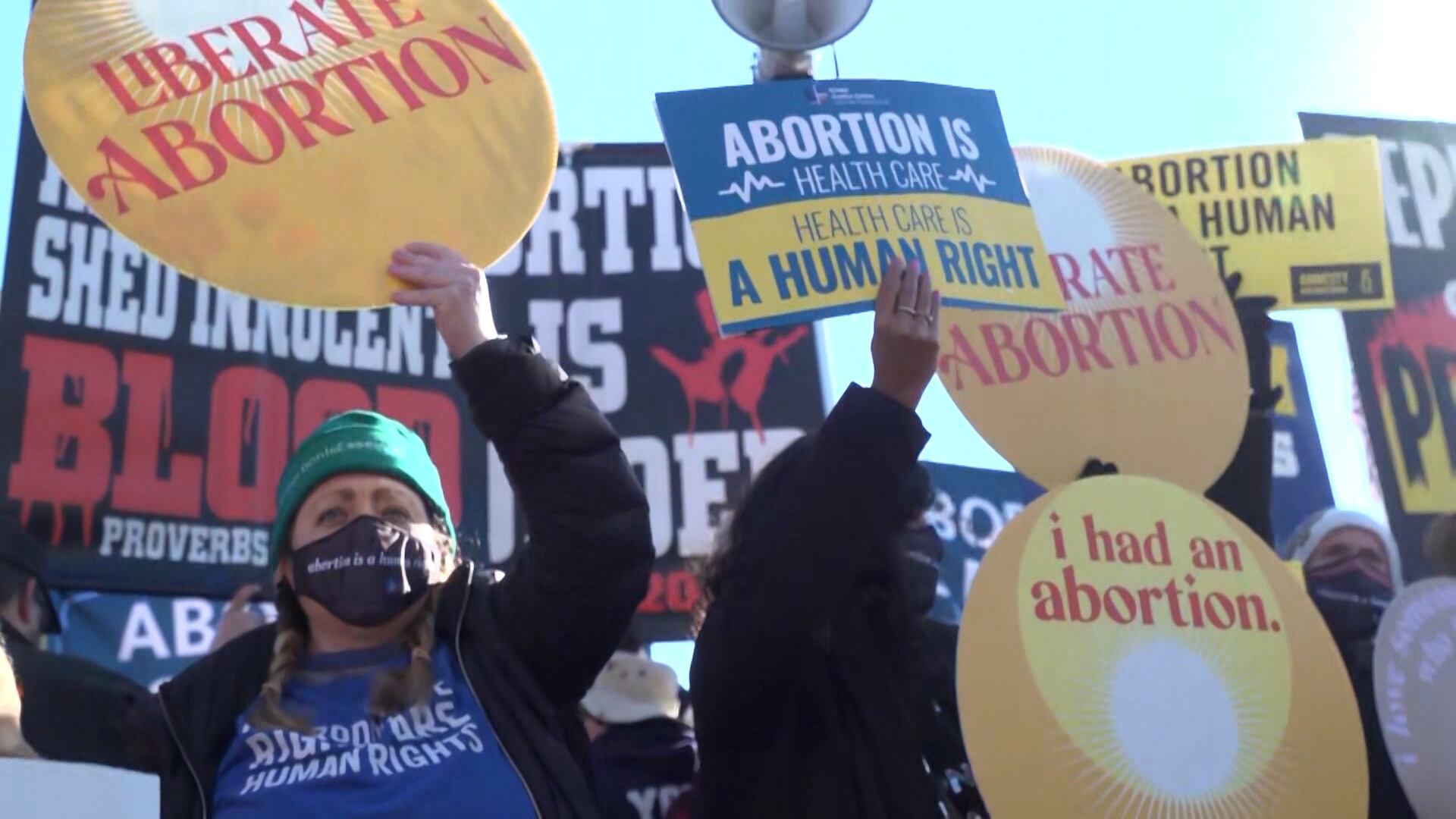
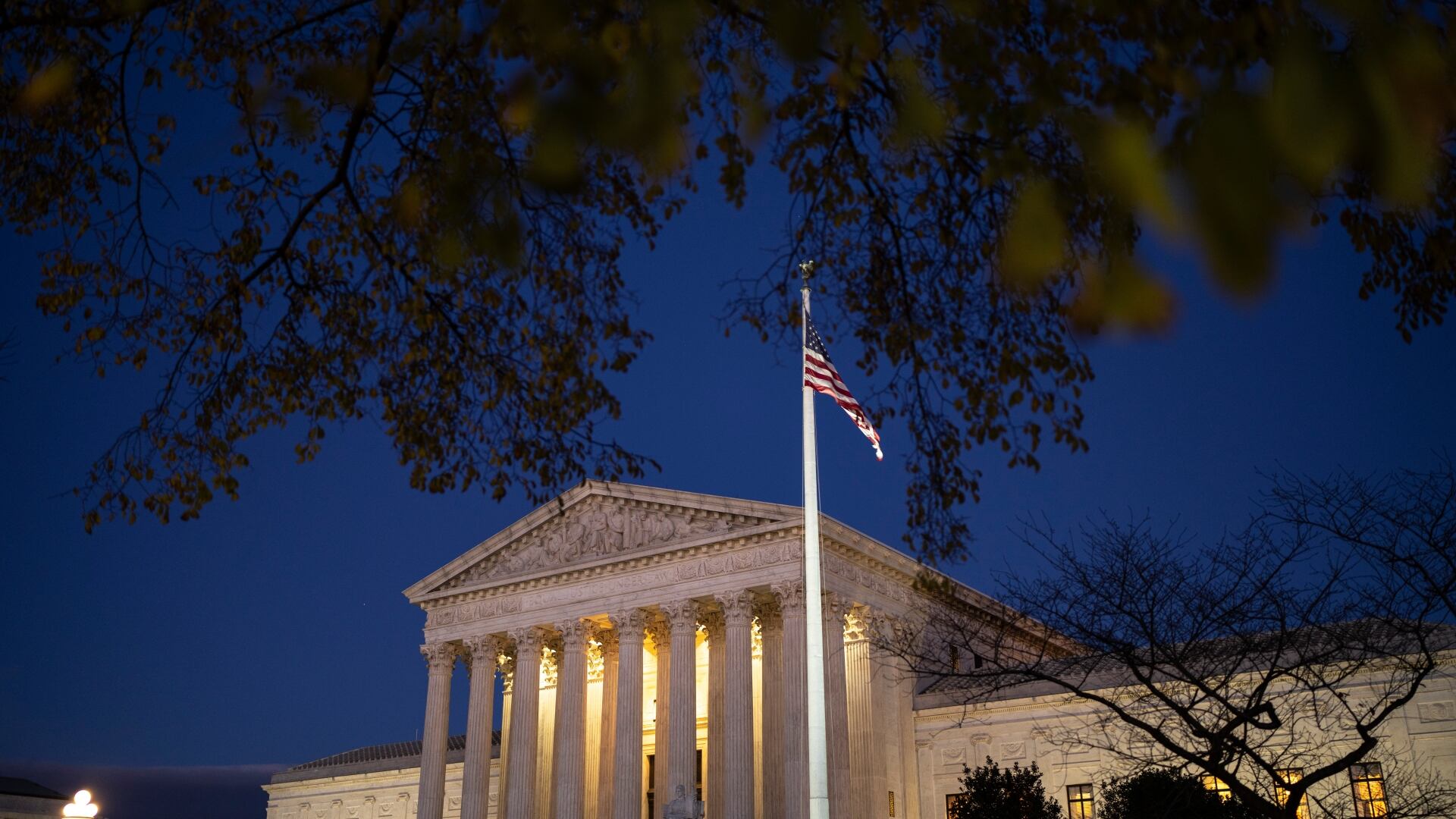
The Supreme Court appeared prepared Wednesday to uphold a Mississippi law that would ban almost all abortions after 15 weeks of pregnancy. The ruling is far from over, with Roe V. Wade at risk. Susan Rinkunas, senior reporter at Jezebel, joins Cheddar News to share the developments of the hearing.
The nine justices heard arguments Wednesday, around a Mississippi abortion law that bans the procedure after 15 weeks and appeared to lean toward upholding the law, while leaving uncertainty about the landmark precedent, Roe v. Wade. Kristin Ford, vice president of communications and research at NARAL Pro-Choice America joins Cheddar News to discuss.
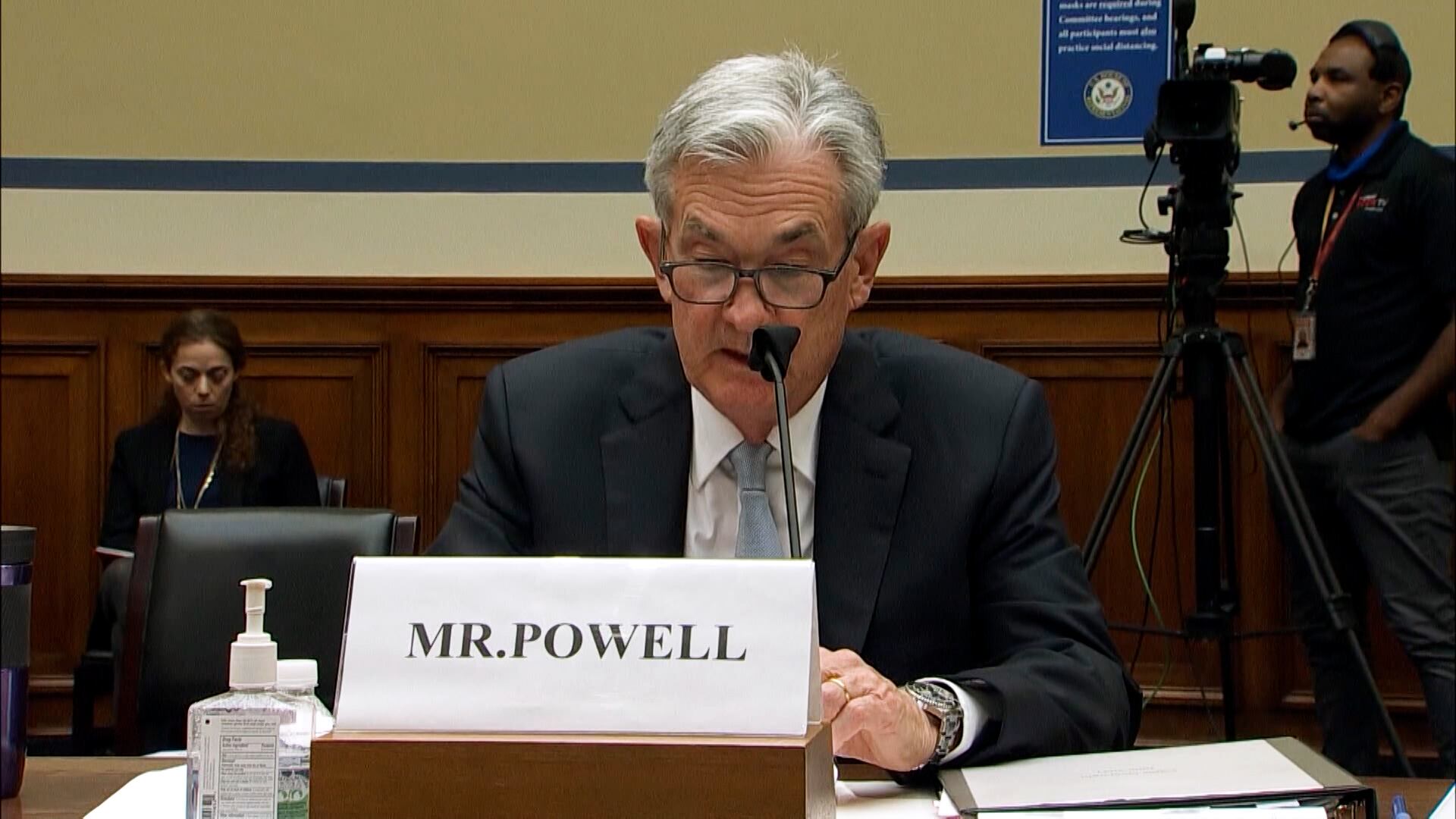
Just about a week after being re-nominated, Federal Reserve Chair Jermone Powell is changing his tune. After nearly a year of referring to inflation as 'transitory,' Powell said he will retire the 'T' word as inflation remains elevated. Christopher Russo, Post-Graduate Research Fellow, Mercatus Center joined Cheddar's Opening Bell to discuss.
Airbnb has come under fire after an Axios report found that the rental company has properties available in China's Xinjiang region where the nation has been accused of committing genocide against Uyghur Muslims, demolishing their homes, and replacing them with tourist attractions.
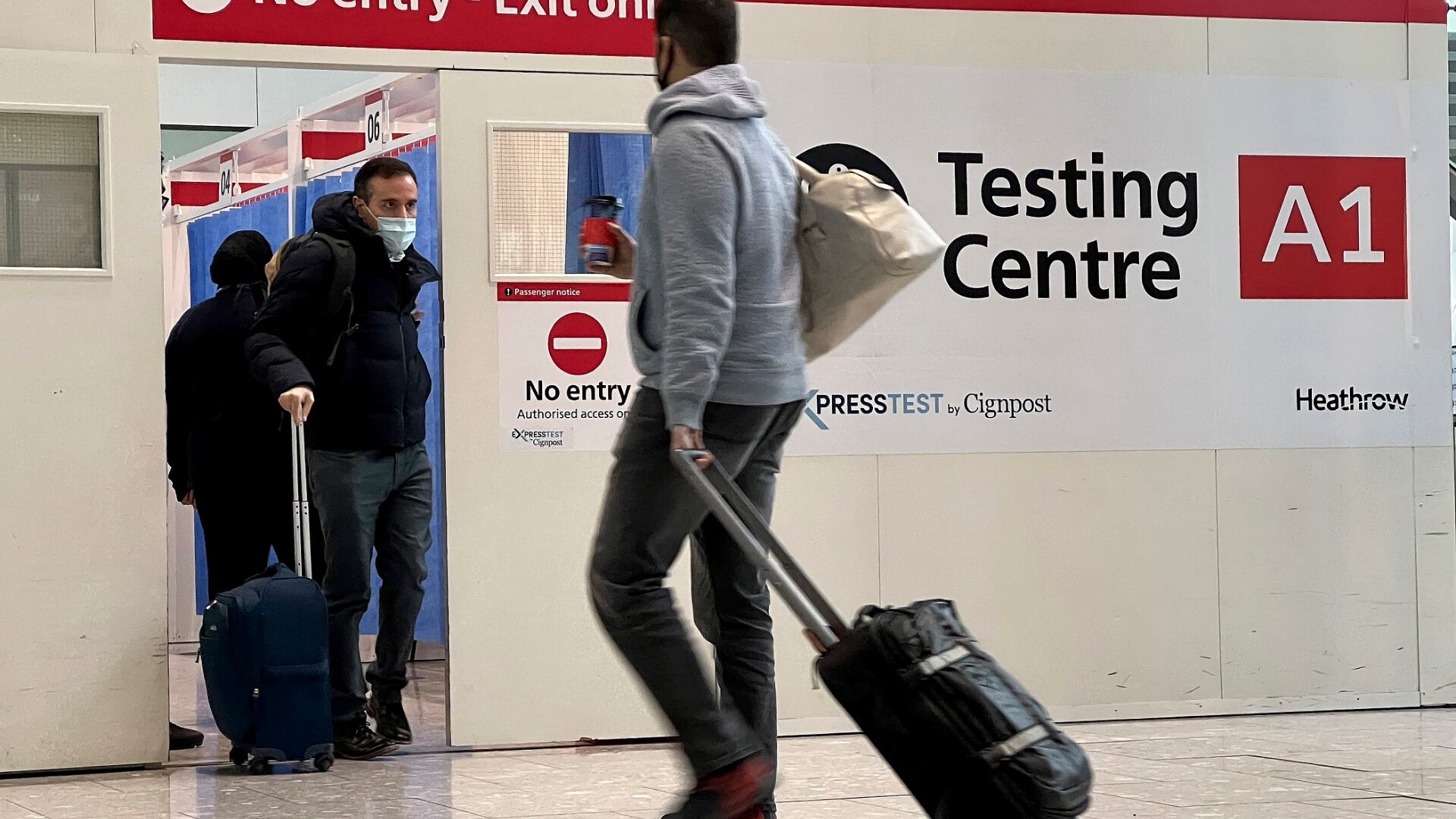
With the emergence of the omicron variant, the U.S. is considering tightening international travel guidelines. The CDC said it might reduce the window for foreign travelers to submit a negative COVID-19 test from three days prior to one day before allowing entry.
Jill and Carlo cover the latest on Omicron, another school shooting in America and more. Plus, bidding farewell to 'transitory' inflation, and the controversy surrounding 'Lovely Bones' author Alice Sebold.
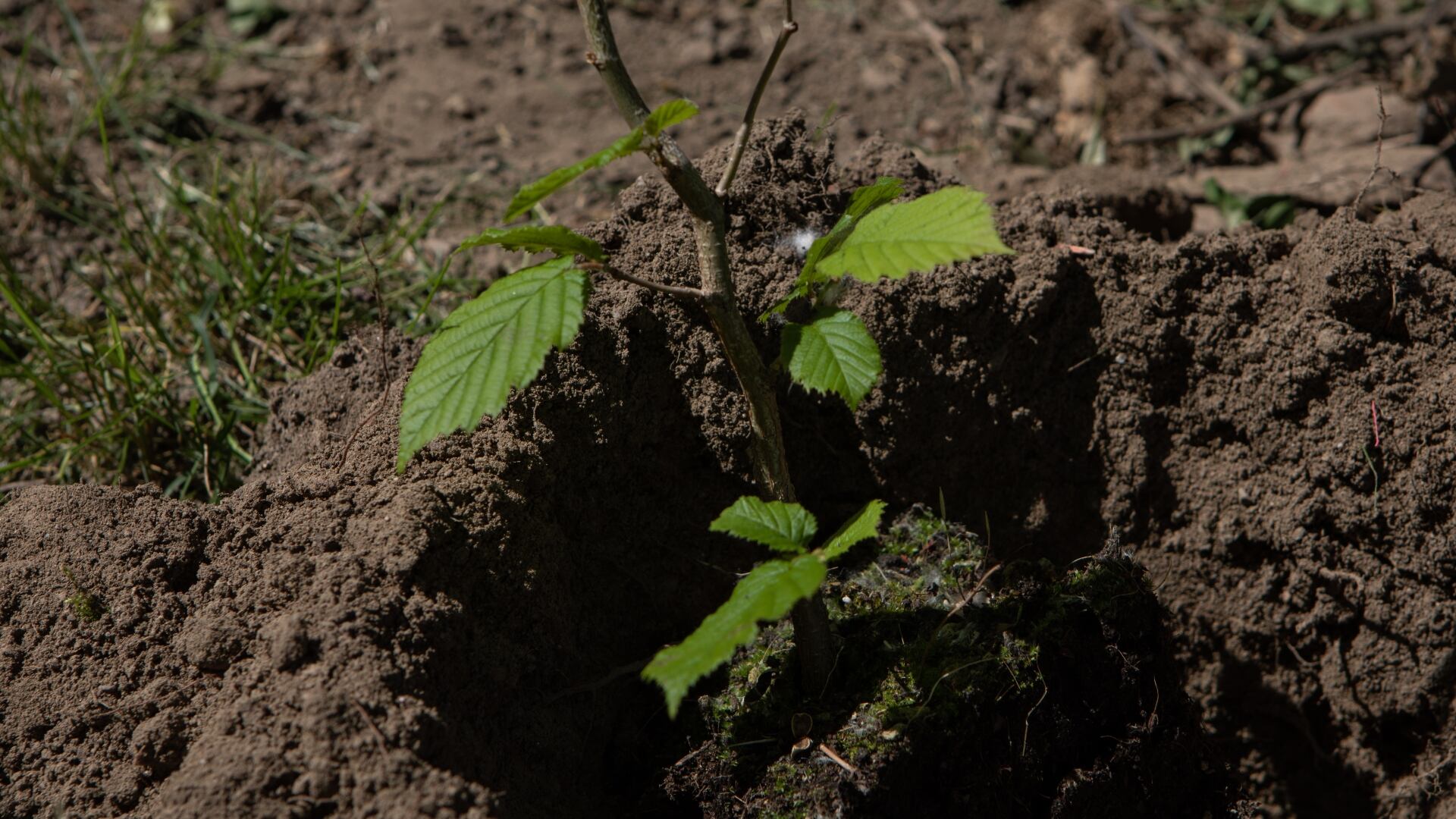
Disparities in tree coverage across America is a huge issue that affects air quality, heat exposure, and ultimately determines how resilient communities are against climate change. The Build Back Better Act is allocating $2.5 billion to boost 'tree equity.' Lemir Teron, assistant professor at SUNY College of Environmental Science and Forestry, joins Cheddar News to explain why this is a priority for Democrats today.