*By Carlo Versano*
U.S. stocks appeared to shrug off an escalating trade war in early trading Tuesday after China said it would slap tariffs on $60 billion of American imports.
The retaliatory move came after the Trump administration said it would go forward with taxes on $200 billion worth of Chinese imports at an initial rate of 10 percent. That will increase to 25 percent next year.
Apple and other tech companies will be somewhat spared from this round. The list of Chinese products to be taxed did not include popular products like its AirPods and smart watches or other fitness trackers.
CEO Tim Cook, speaking Tuesday on ABC's [Good Morning America](https://www.goodmorningamerica.com/video/embed/57901720), struck a conciliatory tone: "Trade is one of those things where it's not a zero-sum game," he said. "I'm optimistic that the two countries will sort this out and life will go on."
The $200 billion is in addition to $50 billion imposed earlier this year, bringing the grant total of Chinese goods to be taxed to nearly half of all imports from the country. Many business leaders, from manufacturing to farming to shipping sectors, warned these tariffs would lead to higher prices for American consumers.
But China, in immediately hitting $60 billion of U.S. goods with its own levies, was tacitly admitting the country is running out of imports to tax, given the trade imbalance between the superpowers. The U.S. currently imports about $505 billion in goods from China.
President Trump showed no signs of backing off in the trade war, [tweeting](https://twitter.com/realDonaldTrump/status/1042033116695670786) Tuesday morning: "China has openly stated that they are actively trying to impact and change our election by attacking our farmers, ranchers and industrial workers because of their loyalty to me....There will be great and fast economic retaliation against China if our farmers, ranchers and/or industrial workers are targeted!"
Fintech startup Milo has launched what it says to be the world's first crypto mortgage. As part of the offering, clients will be able to use Bitcoin as collateral to purchase property and qualify for a 30-year loan. Josip Rupena, CEO and Founder of Milo, joins Cheddar News' Closing Bell, where he explains how this offering is a winning solution for crypto investors who want to invest in real estate.
Software company BigPanda recently raised $190 million in Series D funding, led by Advent International and Insight Partners. The funding round gives the company unicorn status with a $1.2 billion valuation. BigPanda develops A.I. software that detects and analyzes problems in I.T. systems. The company says it aims to be the solution for other companies that do not have enough manpower to manage their data, as more and more industries continue to build a broader digital presence. BigPanda co-founder and CEO Assaf Resnick joined Cheddar News' Closing Bell to discuss.
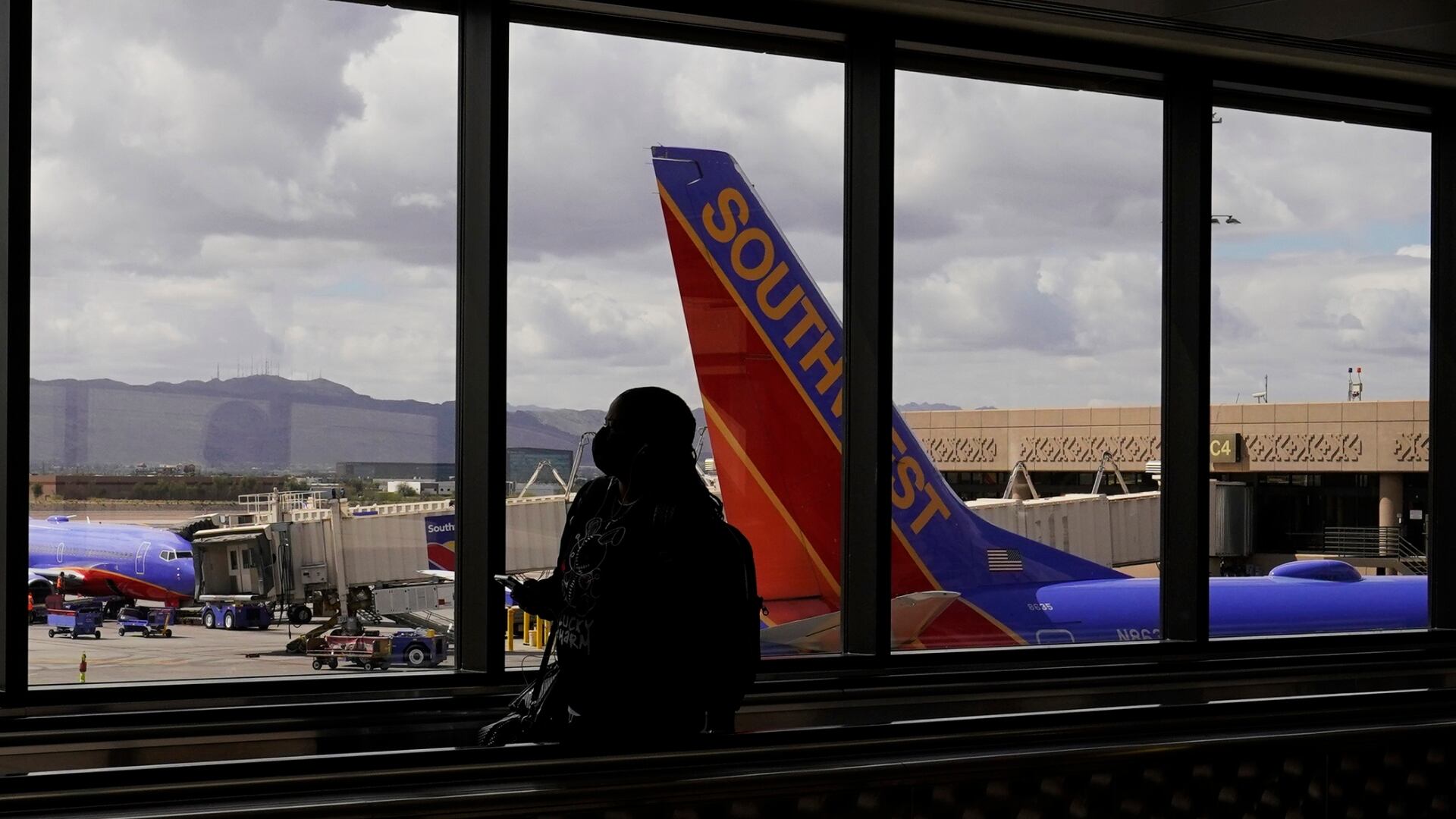
AT&T and Verizon have agreed to delay activating their 5G services around airports due to safety concerns. This comes after major U.S. airlines voiced their concern over the rollout of 5G technology, warning of an impending "catastrophic" aviation crisis. Hugh Odom, founder and president of Vertical Consultants, telecom expert, and former AT&T attorney, joined Cheddar Movers to discuss.
Tech giants Meta, Amazon, Alphabet, and Apple are faced with a bipartisan antitrust legislation effort underway in the Senate Judiciary Committee. The companies stand accused of promoting their own goods and services over smaller competitors on their platforms, holding too much monopolistic power via their app stores and services. Adam Kovacevich, founder and CEO of Chamber of Progress, a technology industry trade group, joined Cheddar to argue that the bills that are being debated currently could end up hurting consumers, rather than helping.
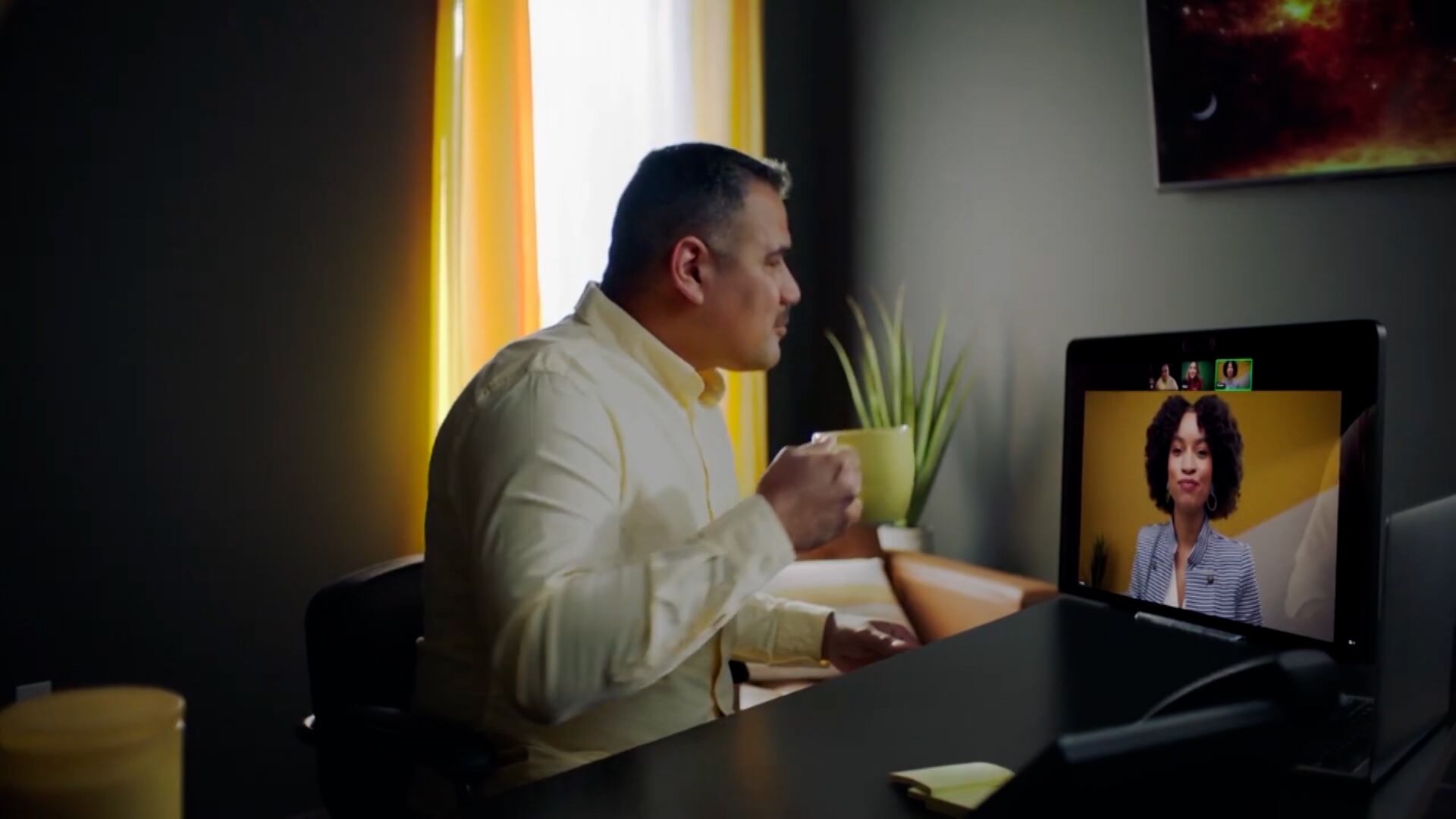
A saving grace for offices during pandemic lockdowns, video communication platform Zoom announced its own plans for doors to reopen from its Work Transformation Summit 2022. Dubbed Workstyles, CFO Kelly Steckelberg joined Cheddar to discuss the self-reported, tiered levels for how employees will be reporting going forward, from the majority of workers going hybrid to personnel who will work fully from home or the office where it makes sense. Steckelberg also talked about the company's plans for the future, stating “what we can control is our own execution," as Zoom's stock hit a 52-week low.
Sebastien Lagree, creator and founder of Lagree Fitness, joins Cheddar News to talk about the growth of Lagree Fitness and industry trends to watch in 2022.
Nikhilesh De, managing editor of global regulation and policy at CoinDesk, joins Cheddar News to discuss Bitcoin's slump and corporations' growing interest in NFTs.
Airlines around the world cancel or change flights ahead of Verizon and AT&T's 5G rollout. The two wireless companies agreed to temporarily delay the launch of the new service near some key airports, after airlines warned the 5G signals could interfere with certain aviation equipment. Jonathan Adelstein, president and CEO of the Wireless Infrastructure Association, joined Cheddar News to discuss.
Thrive Market is a health-first membership for conscious living, with a mission to make healthy and sustainable living easy and accessible. Nick Green, CEO and co-founder, chatted with Cheddar's Baker Machado about the company's approach and new ventures in 2022. "I grew up outside of Minneapolis, middle class, middle America, and really saw firsthand how hard my mom had to work to put healthy food on the table, on a budget, without a health food store nearby," he said. "Twenty-some years later we looked around and just thought it was crazy that millions of Americans are still struggling with the same thing, and we decided to change it." Recently the brand released a line of organic frozen products and will be introducing new beauty and home brands.
In the ongoing saga of AT&T and Verizon versus airlines over the U.S. rollout of 5G near airports, the telecom giants have agreed to delay some deployments. The decision came after arguments that the technology could pose a threat to the safety and security of flights. However, AT&T countered that airlines had two years to prepare for this rollout date.