*By Carlo Versano*
U.S. stocks appeared to shrug off an escalating trade war in early trading Tuesday after China said it would slap tariffs on $60 billion of American imports.
The retaliatory move came after the Trump administration said it would go forward with taxes on $200 billion worth of Chinese imports at an initial rate of 10 percent. That will increase to 25 percent next year.
Apple and other tech companies will be somewhat spared from this round. The list of Chinese products to be taxed did not include popular products like its AirPods and smart watches or other fitness trackers.
CEO Tim Cook, speaking Tuesday on ABC's [Good Morning America](https://www.goodmorningamerica.com/video/embed/57901720), struck a conciliatory tone: "Trade is one of those things where it's not a zero-sum game," he said. "I'm optimistic that the two countries will sort this out and life will go on."
The $200 billion is in addition to $50 billion imposed earlier this year, bringing the grant total of Chinese goods to be taxed to nearly half of all imports from the country. Many business leaders, from manufacturing to farming to shipping sectors, warned these tariffs would lead to higher prices for American consumers.
But China, in immediately hitting $60 billion of U.S. goods with its own levies, was tacitly admitting the country is running out of imports to tax, given the trade imbalance between the superpowers. The U.S. currently imports about $505 billion in goods from China.
President Trump showed no signs of backing off in the trade war, [tweeting](https://twitter.com/realDonaldTrump/status/1042033116695670786) Tuesday morning: "China has openly stated that they are actively trying to impact and change our election by attacking our farmers, ranchers and industrial workers because of their loyalty to me....There will be great and fast economic retaliation against China if our farmers, ranchers and/or industrial workers are targeted!"
Members of Congress have voted to advance a bill meant to address antitrust concerns related to tech giants including Amazon, Apple, Google, and Meta. The 'American Innovation and Choice Online Act' is largely seen as one of the best chances for the government to reign in Big Tech's dominance
Seth Schachner, Managing Director StratAmericas; Digital Business Executive joined Cheddar's Opening Bell to discuss.
The Federal Reserve released its highly-anticipated research weighing the pros and cons of a digital dollar in the U.S. The report comes as economic rivals like china have already piloted their own central bank digital currencies. Edward Moya, Senior Market Analyst, The Americas, Oanda, joined Cheddar's Opening Bell to discuss.
Verizon and AT&T officially launched their 5G wireless services Wednesday across the U.S. Despite pushback from U.S. airlines and the FAA over safety concerns, the telecom giants rolled out the next generation of wireless cellular technology, with speeds up to 20 times faster than 4G LTE. John Biggs, Editor, Tech Crunch joined Cheddar's Opening Bell to discuss.
Earnings season kicks into high gear this week as big players are on tap to report their Q4 numbers, including Microsoft, Apple, and Tesla. Investors will be watching for key indicators on how the companies are dealing with inflation, Omicron and interest rates. Christine Short, VP of Research, Wall Street Horizon joined Cheddar's Opening Bell to discuss.
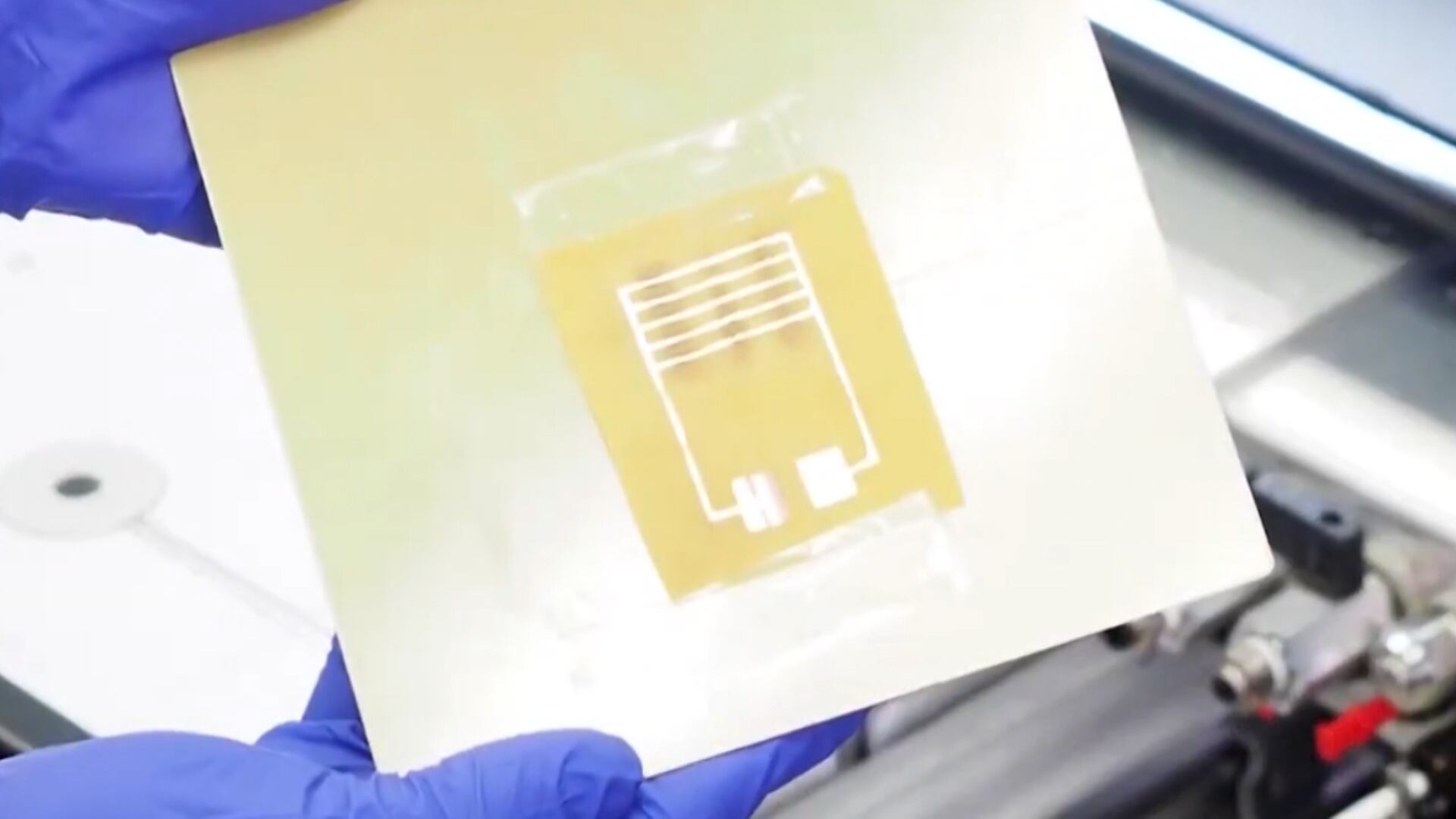
Stan Farnsworth, chief marketing officer at PulseForge, joined Cheddar to talk about his company's debut at CES 2022 and how it plans to innovate the sustainable tech manufacturing space. PulseForge is bringing a new approach to industrial thermal processing, which contributes to 30 percent of global greenhouse gas emissions, according to Farnsworth. "By using 85 percent less energy in the processing of materials through a variety of manufacturing processes, we can make a direct impact in reducing carbon output and reducing carbon footprint associated with manufacturing," he said.