China Cuts Car Tariffs in Latest Move to Ease U.S. Trade Tensions
*By Alisha Haridasani*
China announced Tuesday it is cutting tariffs on imported cars and car parts, the government's latest attempt to ease trade tensions with the United States and appease President Trump.
China, the [world’s largest auto market](https://www.cnbc.com/2011/09/12/Worlds-10-Largest-Auto-Markets.html?page=11), will reduce from 25 percent to 15 percent import tariffs on the wholesale value of foreign-made vehicles. It also said it will slash tariffs on auto parts to as low as 6 percent.
The reduced tariffs, however, may not amount to a huge change for American and other foreign carmakers. More than [90 percent](https://www.nytimes.com/interactive/2017/business/trade-china-protectionism.html) of the foreign model cars sold in China are made there, at factories established over two decades by automakers including General Motors and Ford. Tesla is one of the few American carmakers that has not set up a facility in China, but may have designs to do so.
Most of the cars imported in China are [luxury brands](https://www.bloomberg.com/view/articles/2018-05-22/donald-trump-does-a-favor-for-germany-s-car-giants-chris-bryant), like BMW or Mercedes-Benz.
Last month, China also announced it will allow full foreign ownership of car production facilities. Beijing has required foreign carmakers to establish 50-50 partnerships with Chinese firms in order to manufacture cars in China.
The auto industry had been a major point of trade negotiations between China and the U.S., and a priority for President Trump. In a [tweet](https://twitter.com/realDonaldTrump/status/983284198046826496) last month, he singled out the auto tariffs as a sing of the imbalance in the countries' trade policies, saying that the U.S. only levies a tariff of 2.5 percent on all imported cars. “Sounds like STUPID TRADE!” he said.
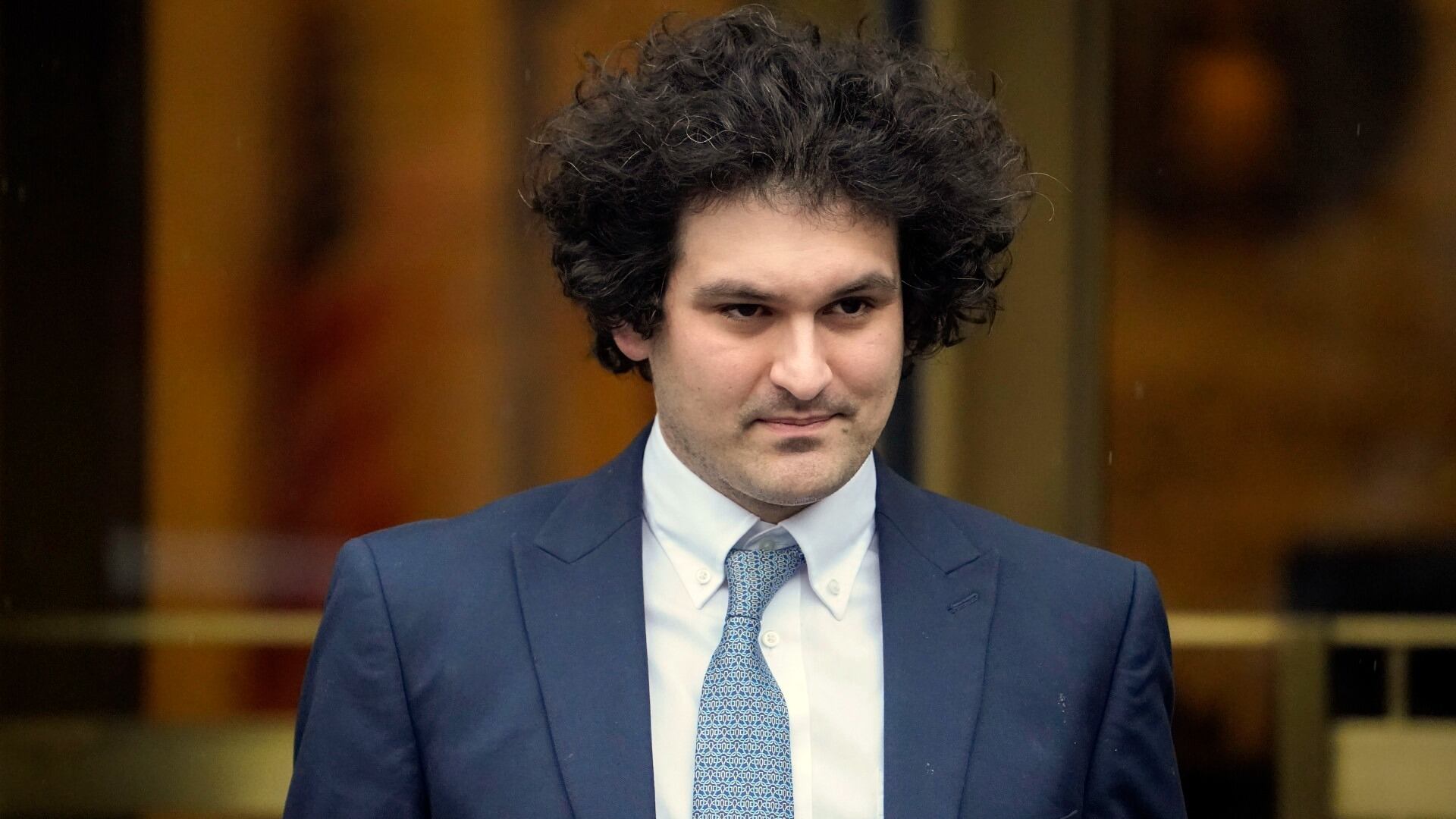
A new indictment charges FTX founder Sam Bankman-Fried with directing $40 million in bribes to one or more Chinese officials to unfreeze assets relating to his cryptocurrency business.
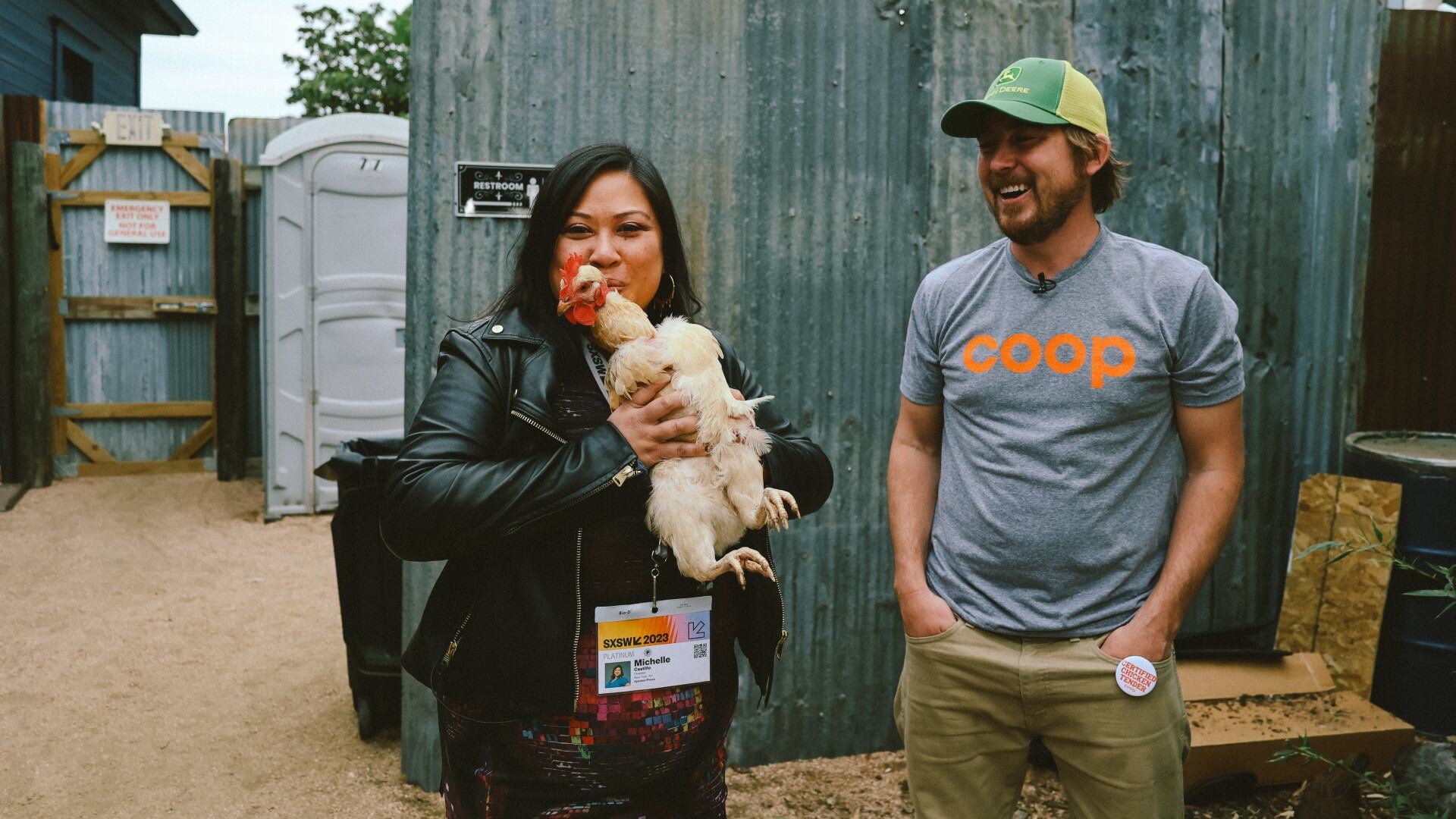
Producing your own food doesn't mean you have to own your own farm, and it might be as simple as raising some backyard chickens. Agri-tech startup Coop aims to make this easier for non-farmers with a so-called "smart" chicken coop. Cheddar News Senior Reporter Michelle Castillo found a flock to learn more.
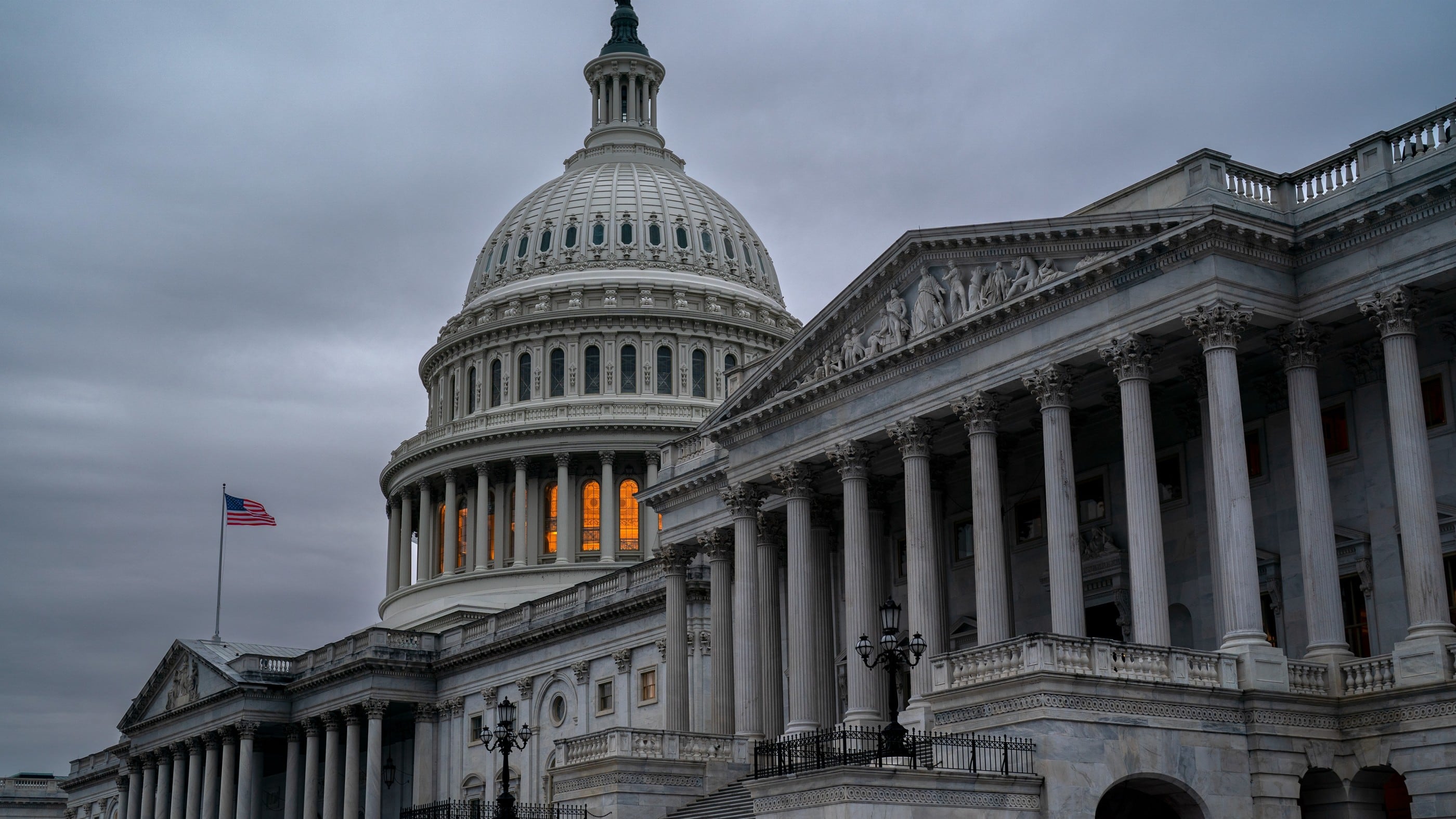
Capitol hill is trying to get to the bottom of the bank collapses that shocked the financial system last month, and today lawmakers grilled banking regulators about why they weren't able to stop the crisis. Cheddar News correspondent Lisa Bennatan broke down the proceedings.
Alibaba is splitting itself into into six business groups as the Chinese e-commerce company attempts to become more nimble in reacting to changes in the market and increase the value of those units.
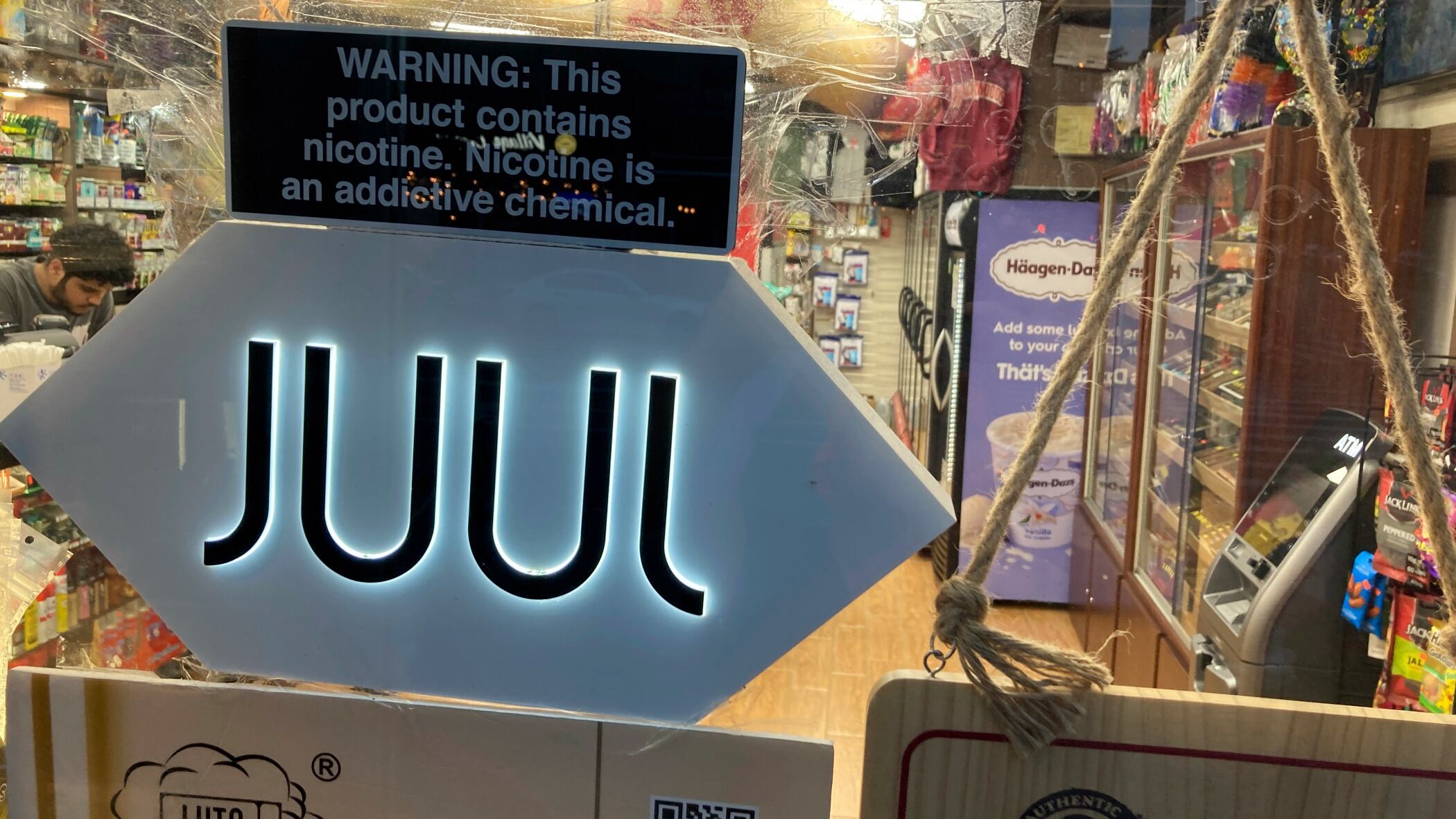
Juul will finally have its day in court for its role in the teen vaping epidemic. The Minnesota attorney general is preparing for opening arguments in the state's lawsuit against the vape maker. Here to break down the complicated backstory for this legal case is Senior Reporter Chloe Aiello.
Burger King is closing two dozens locations in the Detroit area and laying off 424 employees as it plans to permanently cease operations in Michigan. The Texas-based burger chain blamed "unforeseen business circumstances." The closures started on March 17 and are expected to be finished by April 15.