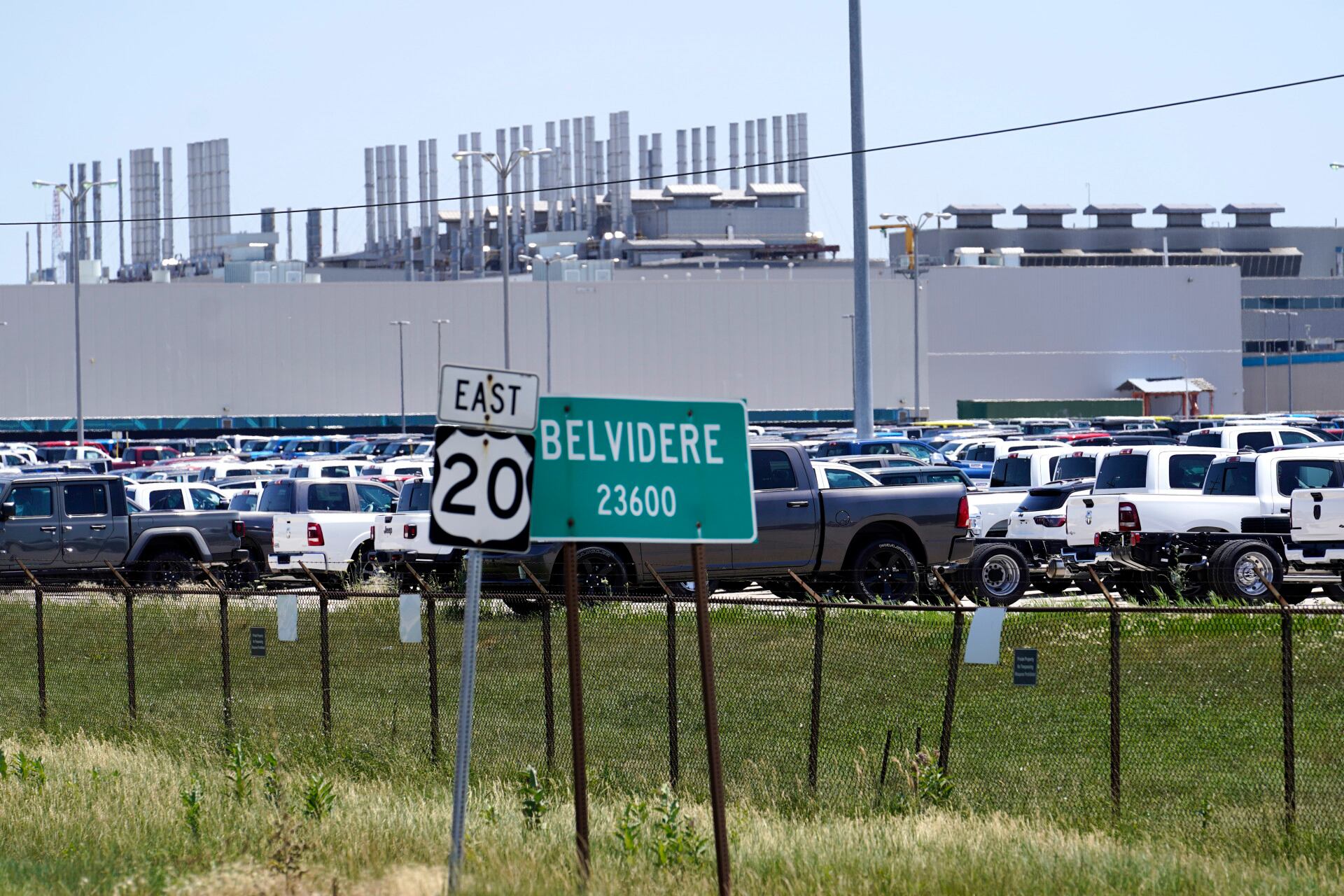
*By Alisha Haridasani* China announced Tuesday it is cutting tariffs on imported cars and car parts, the government's latest attempt to ease trade tensions with the United States and appease President Trump. China, the [world’s largest auto market](https://www.cnbc.com/2011/09/12/Worlds-10-Largest-Auto-Markets.html?page=11), will reduce from 25 percent to 15 percent import tariffs on the wholesale value of foreign-made vehicles. It also said it will slash tariffs on auto parts to as low as 6 percent. The reduced tariffs, however, may not amount to a huge change for American and other foreign carmakers. More than [90 percent](https://www.nytimes.com/interactive/2017/business/trade-china-protectionism.html) of the foreign model cars sold in China are made there, at factories established over two decades by automakers including General Motors and Ford. Tesla is one of the few American carmakers that has not set up a facility in China, but may have designs to do so. Most of the cars imported in China are [luxury brands](https://www.bloomberg.com/view/articles/2018-05-22/donald-trump-does-a-favor-for-germany-s-car-giants-chris-bryant), like BMW or Mercedes-Benz. Last month, China also announced it will allow full foreign ownership of car production facilities. Beijing has required foreign carmakers to establish 50-50 partnerships with Chinese firms in order to manufacture cars in China. The auto industry had been a major point of trade negotiations between China and the U.S., and a priority for President Trump. In a [tweet](https://twitter.com/realDonaldTrump/status/983284198046826496) last month, he singled out the auto tariffs as a sing of the imbalance in the countries' trade policies, saying that the U.S. only levies a tariff of 2.5 percent on all imported cars. “Sounds like STUPID TRADE!” he said.