Satya Nadella is the CEO of the World's Most Valuable company and was named Fortune's Businessman of the year.
In 2013, then current CEO Steve Ballmer announced his departure and to many people's surprise, Microsoft chose Satya Nadella as his replacement. Many questioned the choice as Nadella was not a founder like Bill Gates or even a big personality like other CEOs in the spotlight. But, the new CEO went on to lead some of Microsoft's biggest acquisitions.
In 2016 Microsoft acquired Linkedin for $26.2 billion dollars and in 2018, the company acquired GitHub for $7.5 billion dollars. In time, Nadella turned Microsoft into a mobile and cloud company. With this, Nadella transitioned Microsoft into a company of the future.
Nadella's work was validated when on April 25th of this year, Microsoft hit the $1 trillion value mark, up 230 percent since his start at the helm of the company. Another high point for the tech giant, Microsoft earned $39 Billion in revenue for the fiscal year of 2019. That means Microsoft is growing its profit at a three year compound annual rate of 11 percent. The company won the $10 billion JEDI cloud computing contract with the Pentagon in October, and more recently in November, Microsoft had another win, announcing that its workplace messaging app has 20 million daily active users, surpassing rival, Slack.
And to what does Nadella credit the success of the company? His reliance on others. "I'm wired to be fairly confident in myself and to let others shine," the CEO told Fortune.
Can Satya Nadella roll his momentum into 2020? In a crowd of noisy business leaders like Elon Musk and Jeff Bezos, it looks like the former underdog, Satya Nadella could be most likely to succeed.
Jason Moser, analyst and adviser at the Motley Fool, shares thoughts on recent tech earnings, including what’s behind Google’s share price drop and why A.I. could be Microsoft’s ‘iPhone moment.’
CEOs of social media platforms like Facebook, TikTok, and more meet with lawmakers Wednesday about how they are protecting children from sexual exploitation.
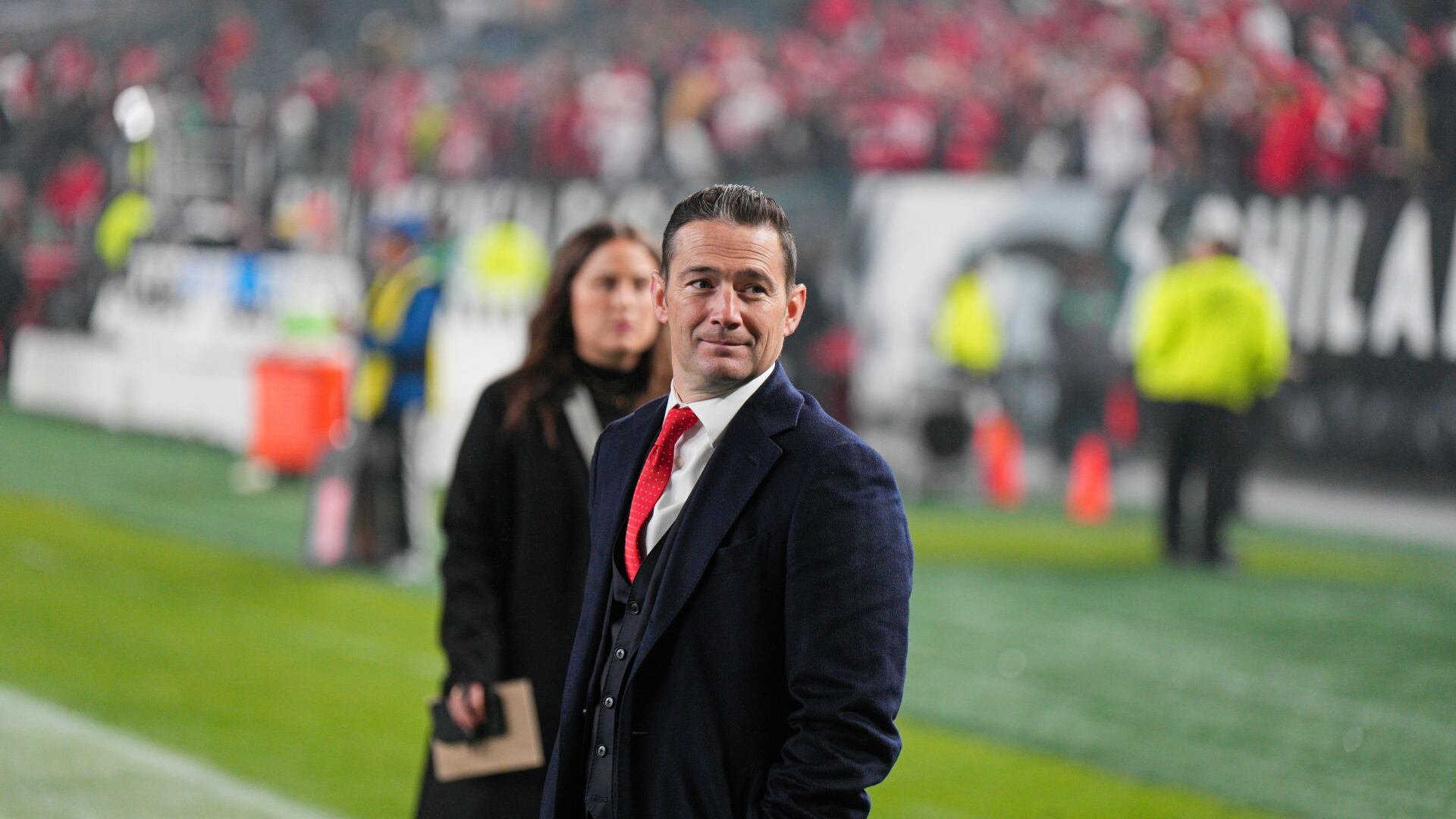
San Francisco 49ers president Al Guido discusses what goes into preparing for Super Bowl LVIII, building a championship-ready team, and how Taylor Swift and streaming are both bringing new fans to the NFL.
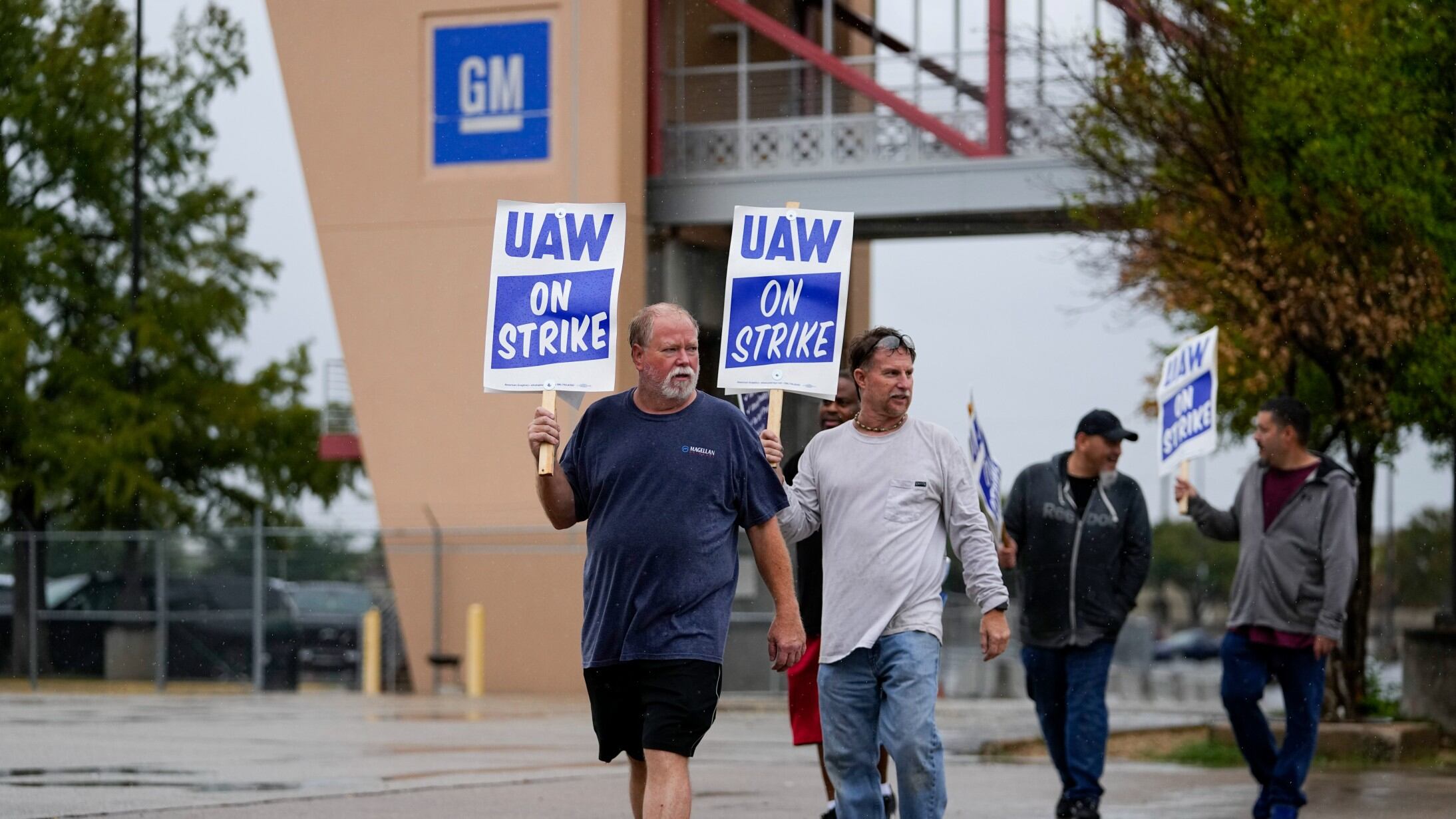
A $1 billion loss from a six-week strike did not crash GM's net income last year, which instead rose 12% — and the automaker expects improvement in 2024, too.
Accrue CEO and founder Michael Hershfield explains why Americans' credit card delinquencies are on the rise, advice on what can help, and the key difference between Boomers and Gen Z when it comes to money.
Senior Economist at Morning Consult Kayla Bruun shares thoughts on what to expect from the Fed's January meeting and where monetary policy is headed, as well as how consumers are faring.
Former Medtronic CEO and author of 'True North' Bill George explains the steps Boeing leadership must take to regain client and consumer trust after 737 Max 9 production was stopped.
Amazon blamed "regulatory hurdles" for calling off its proposed acquisition of robot vacuum maker iRobot. Not even a Roomba could clean up the deal's antitrust scrutiny.
To celebrate Flutter Entertainment's debut on the NYSE, FanDuel CEO Amy Howe shares her thoughts on the company's plans for growth, the future of online sportsbetting, and Super Bowl Sunday.