It is hard to go an entire day without scrolling through social media, checking in on family members and friends, and double-tapping on their posts.
That may explain why attitudes toward social media giants like Facebook and Twitter are mixed among Americans ahead of the 2020 election.
A new Cheddar poll found more than 40 percent of Americans believe that Facebook (45 percent) and Twitter (44 percent) are treating political content the same when it comes to flagging and deleting certain posts, regardless of ideology. But one in five still think the platforms unfairly target conservative content — that number jumps to nearly 40 percent among Republicans.
More than half of Democrats and nearly half of Independents believe these companies treat political speech the same.
This reveals some of the clearest fractures among different voter groups when it comes to attitudes toward social media platforms and the content that they host.
About a third of Americans believe that Facebook and Twitter should remove posts believed to be false but around half of Americans (Facebook: 55 percent, Twitter 47 percent) believe those posts should stay up — though more than half of those people say the content should include a disclaimer.
This poll collected responses after social media platforms removed a controversial article published by the New York Post regarding a laptop with compromising information that purportedly belonged to Hunter Biden, leading to outrage among conservative groups who likened it to a violation of the First Amendment. It led to allegations that social media companies remove speech they dislike rather than removing speech that violates their terms of service. Now lawmakers are pushing for testimony from those companies’ CEOs about the censorship of conservative content and calling for more regulation of the platforms.
Section 230 has become a buzzword on Capitol Hill around social media regulation. The obscure part of the Communications Decency Act gives social media companies wide liability protection over content posted on their sites.
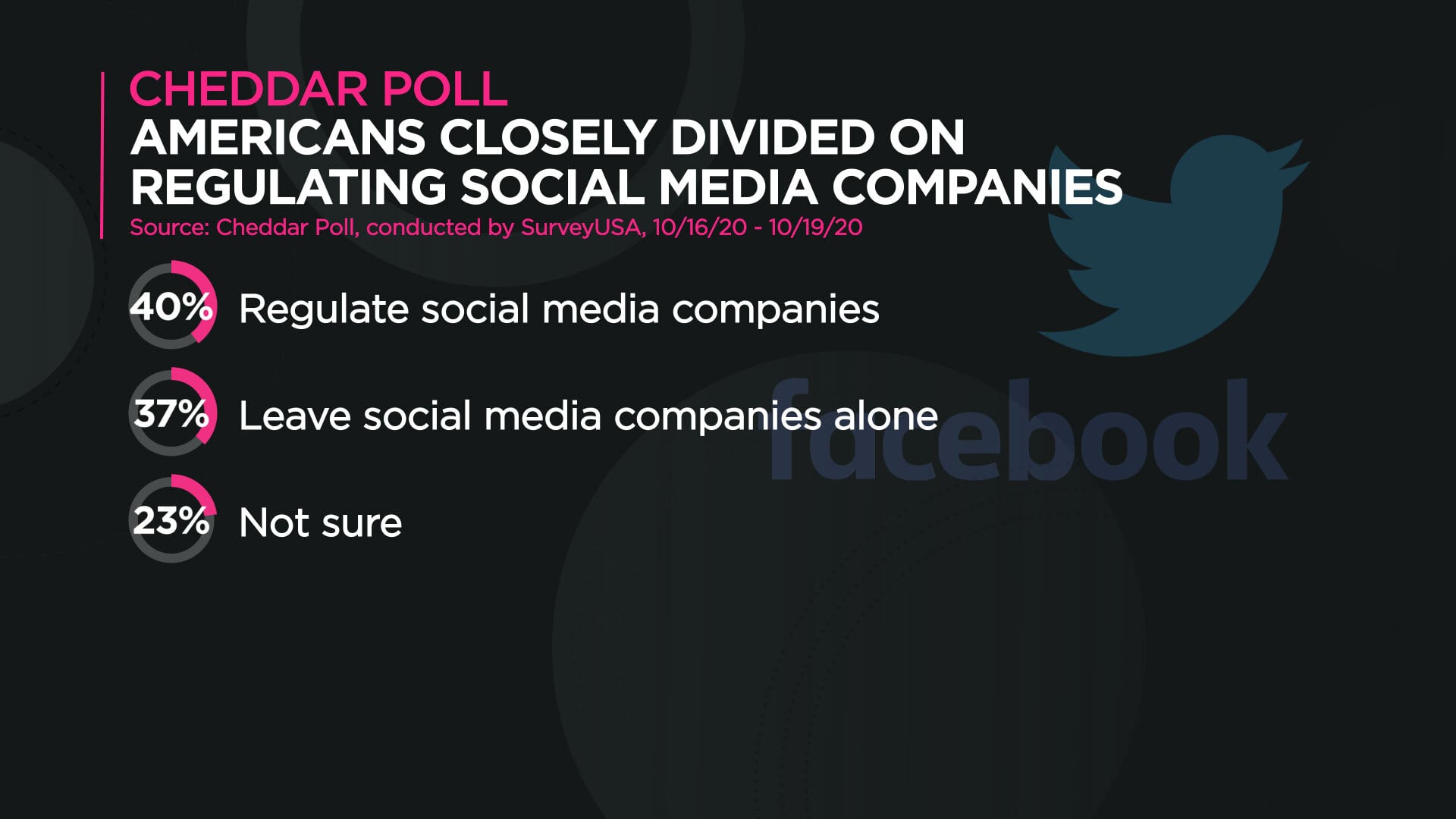
But regardless of how often lawmakers rail against Section 230 protections, it does not seem to have the same impact when it comes to American sentiment. Slightly more Americans believe the government should regulate technology platforms versus allowing them to regulate themselves, 40 percent to 37 percent respectively.
This comes as those lawmakers argue about the legal loopholes that allow social media giants to profit off of content on their platforms but are not held accountable for that content. Many conservative legislators in particular are concerned about the regulation of conservative speech, despite conservative content routinely making up the top posts on Facebook each week.
This also tracks with the trend among self-described conservatives who largely believe that conservative-leaning content is more censored than any other content.
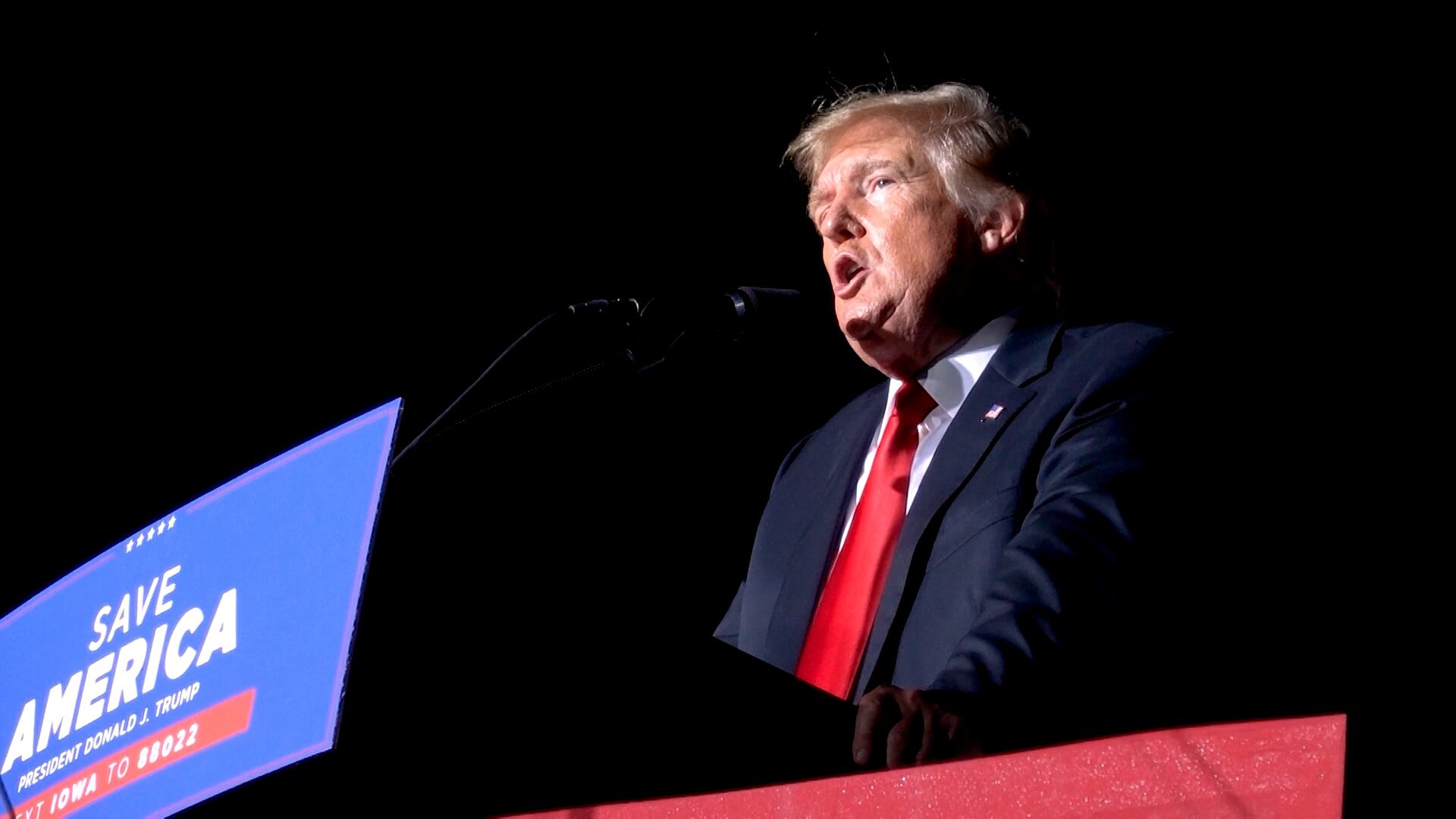
It’s a message that has been reinforced by the White House, where President Donald Trump has held official presidential events to combat perceived social media bias, filling the Rose Garden with popular right-leaning online personalities and launching a tool in 2019 encouraging people to report incidents of social media bias. That portal is now closed, but that messaging may explain why the president holds a slight lead on the topic of which candidate is best equipped to handle powerful social media companies. Overall, 42 percent of people said Trump will best respond to a world where social media companies hold a lot of power, compared to 38 percent for former Vice President Joe Biden, the Democratic presidential nominee.
Americans under 35 and older than 65 see Biden as slightly better to manage social media power than Trump, while people in the middle age ranges give the edge to Trump. Men rank Trump as better to handle social media giants, while women say it would be Biden.
It’s clear, though, that no matter who is elected president on Election Day, social media companies will face a great deal of scrutiny in the future. This week, the Department of Justice filed antitrust charges against technology giant Google and many lawmakers have suggested the same must be done for Facebook and other social media platforms.
Social media CEOs will continue to be questioned by lawmakers on their influence on the American electorate, but if it’s difficult to chart a legislative path forward, it may be due to divisions among the American people when it comes to attitudes toward social media and the regulation of these companies.
This poll of 2,000 adults was conducted between October 16 and October 19 exclusively for Cheddar by SurveyUSA.