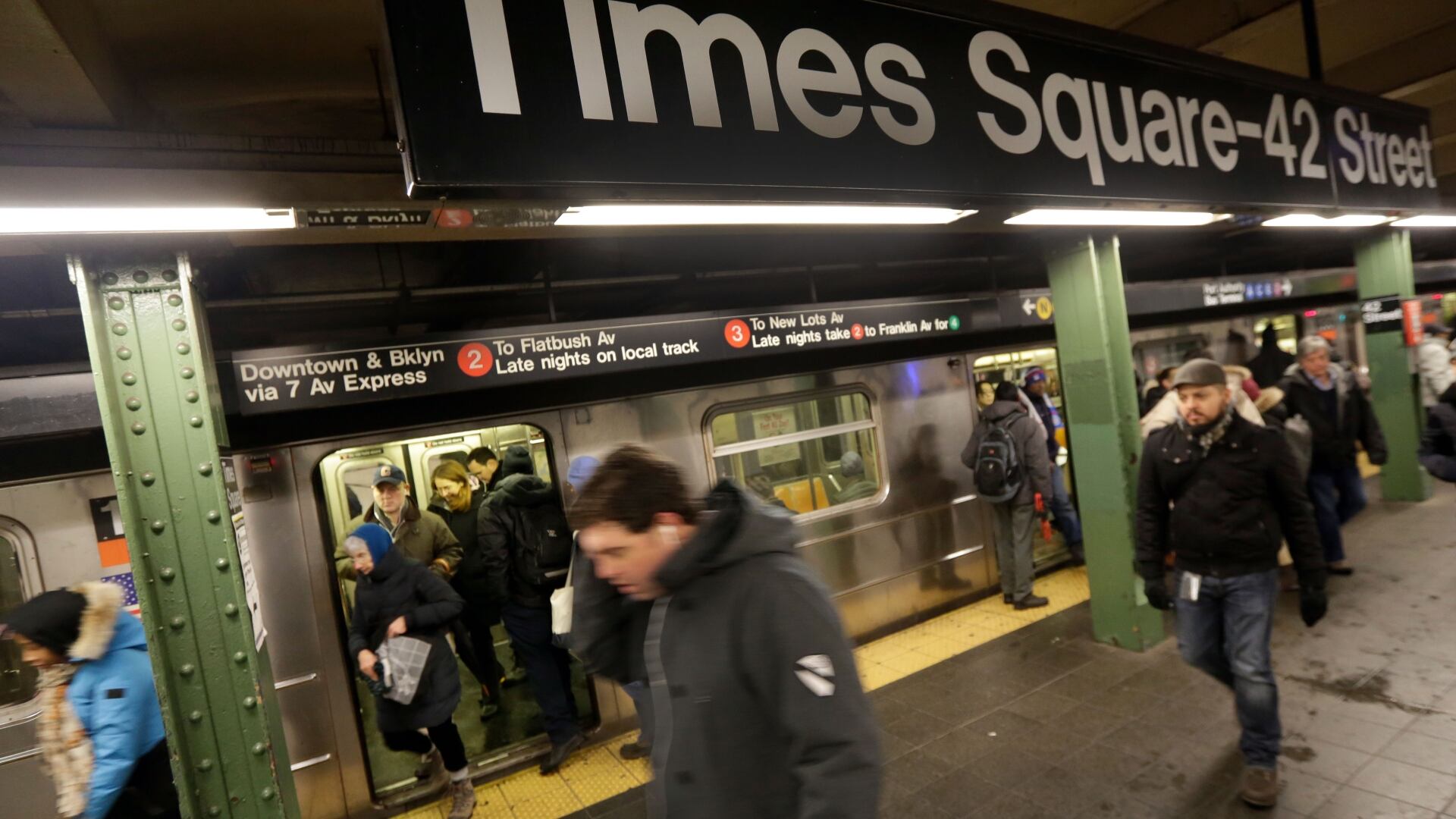
*As Cheddar reflects on 2018, we are profiling the most innovative, flamboyant, and often-controversial entrepreneurs and corporate leaders who delivered the year's most memorable moments in business. Of the CEO Class of 2018, who was crowned Class Clown? Most Likely to Succeed? Keep checking [Cheddar](https://www.cheddar.com/tags/cheddar-awards) for all the Cheddar Awards and more year-end coverage.* **Cheddar Awards 2018: Jeff Bezos is Biggest Flirt** *By Carlo Versano* When Amazon announced in January that it had whittled down its list of potential HQ2 locations to 20 finalists, it effectively began a very public, year-long reality dating show with several American cities courting the world's largest e-commerce company. But when Amazon ($AMZN) finally committed to its two favoritesー Arlington, Va., and Queens, N.Y. ー it walked away with something valuable from the suitors it scorned: data, and lots of it. Amazon CEO Jeff Bezos is now privy to the kind of municipal insights that other corporate executives could only dream of: transit data, negotiating tactics, real estate availability, and talent pool information. And what did those cities that so eagerly handed over that priceless data get in return? Like the football captain who leads on all the girls only to end up dating the head cheerleader (or in this case, cheerleaders), Bezos flirted his way to the most obvious outcome ー eventually choosing two cities, Washington and New York, that needed his affection the least. Bezos angered many Americans for building their HQ2 hopes and then breaking their hearts, but no one resented the tech titan more in 2018 than another Big Man on Campus: the leader of the free world. It was Bezos' bargain purchase of The Washington Post in 2013 that first sparked the ire of then-candidate Donald Trump, and led to one of the year’s biggest public feuds. It is Bezos’ ownership of The Post ー a member of the “fake news media” that the president [has called the enemy of the people](https://twitter.com/search?l=&q=%22enemy%20of%20the%20people%22%20from%3Arealdonaldtrump&src=typd&lang=en)ー that seems to stick in President Trump’s craw more than anything Bezos does at Amazon. A search of the president’s mentions of Bezos via his favorite medium, Twitter ($TWTR), found the first came almost exactly three years ago, in the early days of the presidential campaign, when Trump was still a bomb-throwing outsider in the GOP field. "The @washingtonpost, which loses a fortune, is owned by @JeffBezos for purposes of keeping taxes down at his no profit company, @amazon," he tweeted. Bezos has refrained from responding to the president’s taunts, but The Washington Post’s publisher said last spring: “Trump appears to view ownership of a newspaper as a way to assert influence. Jeff sees the value of a strong, independent press. Jeff has never proposed a story. Jeff has never intervened in a story. He’s never critiqued a story. He’s not directed or proposed editorials or endorsements. The decisions are made here.” Trump’s dislike of Bezos extends to his other assets. The president has also made a point of hammering Amazon for its delivery deal with the U.S. Postal Service, at one point [tweeting](https://twitter.com/realDonaldTrump/status/946728546633953285) that the USPS was “dumber and poorer” because of its relationship with Amazon. Trump’s interest in Amazon’s relationship with the USPS reached a crescendo last spring when he ordered a review of the agency's finances. He was said to be “[obsessed](https://www.axios.com/trump-regulation-amazon-facebook-646c642c-a2d7-454b-a9a9-cdc6e4eaef2c.html)” with Amazon at the time, and looking for a way to hit Bezos where it hurts. Then there’s the undeniable fact that Bezos is, well, a lot richer than the president known for touting his wealth. On the same day in the summer that Trump had what was widely considered to be one of his lowest moments of his presidency ー a disastrous summit with Russian President Vladimir Putin ー Bezos became the wealthiest person in modern history. Trump aside, Bezos had what might be his most eventful year yet ー at least since he founded Amazon during a cross-country road trip in 1994. He announced with his wife their first major philanthropic effort in September: a $2 billion initiative that would focus on homeless and preschool education in low-income areas. A couple weeks later, Amazon surprised just about everyone when it said it would raise its minimum wage to $15 company-wide following a sustained campaign led by Sen. Bernie Sanders (I-VT). That pay raise may have been [driven as much by Amazon's self-interest](https://www.wired.com/story/why-amazon-really-raised-minimum-wage/) as by Bezos' generosity, but for the 250,000 current employees making the minimum wage, some of whom put up with reportedly brutal working conditions, the motives are irrelevant. Then the company that started as an online bookseller briefly surpassed a milestone it had long courted: $1 trillion dollars in market cap, only the second corporation in history to reach that size (Apple beat Amazon to the punch by a month). Bezos’ high-flying flirtations, from HQ2 to a trillion dollar market cap, came back to earth at the end of the year. The stock has been battered by a broader sell-off and weakness in the tech sector. And the HQ2 reveal was not the PR coup he may have hoped for. In New York City, the decision sparked a backlash among residents worried that the 25,000 new jobs would lead to higher rents and home prices and put a further strain on an a transit system already bursting at the seams ー not to mention the billions in tax breaks Amazon received from the state. And buried in the plans for both new headquarters: requirements that the cities help Amazon secure federal approval for on-site helipads, so that Bezos can travel to and from the site without having to rub up against the plebes. In that, Trump probably would have approved. **Read the rest of the 2018 Cheddar Awards [here](https://www.cheddar.com/tags/cheddar-awards).**