By Matt O'Brien
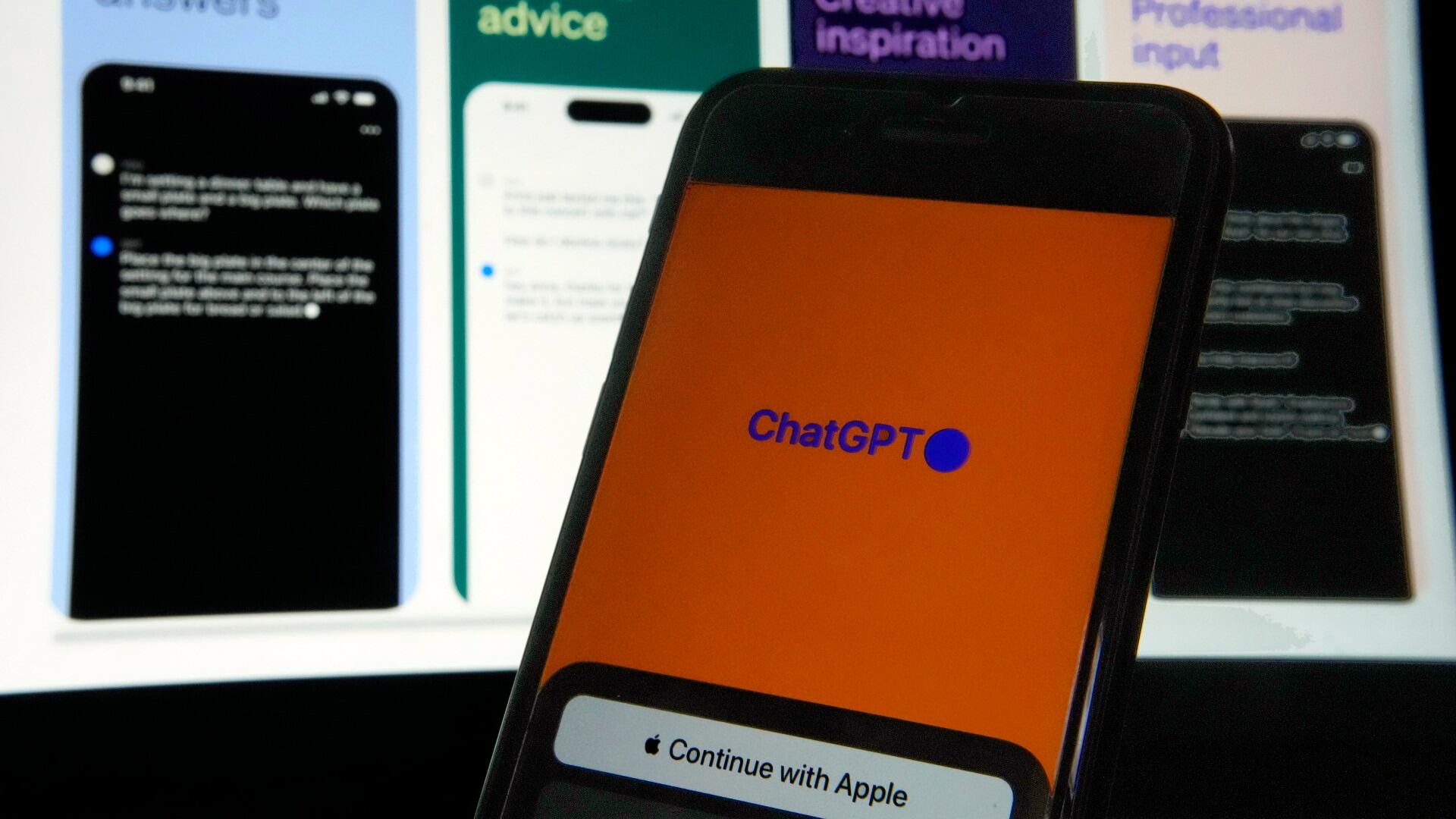
ChatGPT is now a smartphone app, which could be good news for people who like to use the artificial intelligence chatbot and bad news for all the clone apps that have tried to profit off the technology.
The free app became available on iPhones in the U.S. on Thursday and will later be coming to Android phones. Unlike the web version, you can also ask it questions using your voice with the app.
The company that makes it, OpenAI, said it will remain ad-free but “syncs your history across devices.”
“We’re starting our rollout in the U.S. and will expand to additional countries in the coming weeks,” said a blog post announcing the new app, which is described in the App Store as the “official app” by OpenAI.
It's been more than five months since OpenAI released ChatGPT to the public, sparking excitement and alarm at its ability to generate convincingly human-like essays, poems, form letters and conversational answers to almost any question. But the San Francisco startup never seemed to be in a hurry to get it onto phones — where most people access the internet.
“We’re not trying to get people to use it more and more,” OpenAI CEO Sam Altman told U.S. senators this week in a hearing over how to regulate AI systems such as those built by his company.
The delay in getting the product on phones helped fuel a rise of clones built on similar technology, some of which the security firm Sophos described as “fleeceware” in a report this week because they push unsuspecting users toward enrolling in a free trial that converts into a recurring subscription, or use intrusive advertising techniques.
Another privacy researcher, Simon Migliano, said the official ChatGPT app might eventually starve similar-sounding apps of new users, but that could take a while because many of those apps were given names deliberately intended to confuse people into thinking they already have the official app. They were also “hyper-optimized” to rank highly in Apple's App Store search results, said Migliano, head of research at Top10VPN.com.
"For many of those who have already downloaded a clone, it’s likely they will simply stick with the ChatGPT apps they already have and continue to have their personal data harvested and sold,” Migliano said.
Altman told Congress this week that his company doesn’t try to maximize engagement because it doesn’t have an advertising-based business, and because it's costly to train and run its AI models on computer chips known as graphics processing units.
"In fact, we’re so short on GPUs, the less people use our products, the better,” Altman said.
The new app does include an option to pay for a premium version of ChatGPT with additional features. Along with those subscriptions, the company makes money from developers and corporations that pay to integrate its AI models into their own apps and products.
Its chief partner, Microsoft, has invested billions of dollars into the startup and has integrated ChatGPT-like technology into its own products, including a chatbot for its search engine Bing.
The ChatGPT app will now compete for attention with the Bing chatbot already available on iPhones, and could eventually compete with a mobile version of rival Google's chatbot, called Bard. Versions of OpenAI's chatbot technology can also be found in other apps, such as the “My AI” feature on Snapchat.