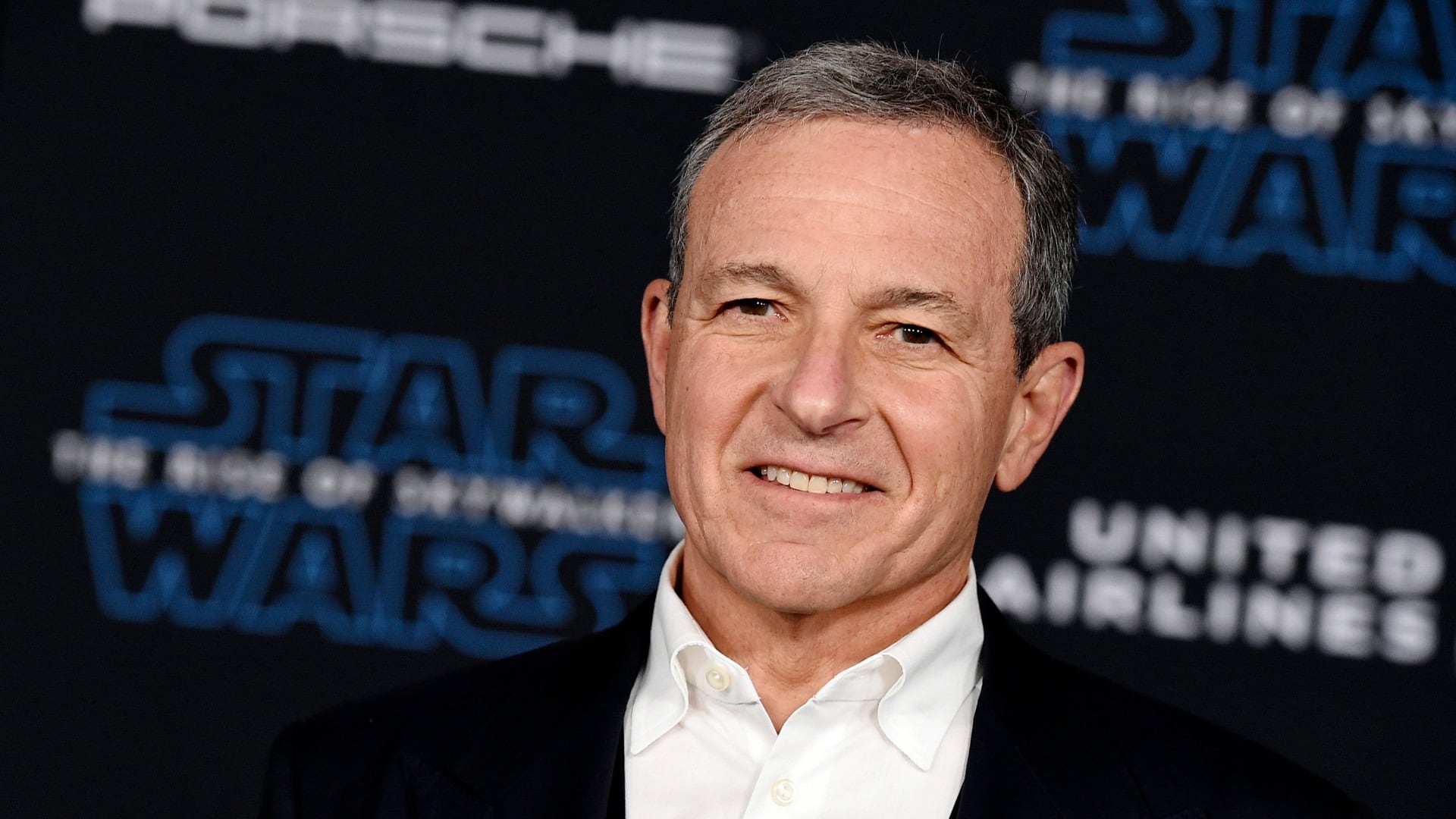
Disney shareholders rallied behind longtime CEO Robert Iger, voting Wednesday to rebuff activist investor Nelson Peltz and his ally, former Disney Chief Financial Officer Jay Rasulo, who had sought seats on the company’s board.

The company had recommended a slate of directors that did not include Peltz or Rasulo.

The dissident shareholders had said in a preliminary proxy filing that they wanted to replace Iger at Disney and align management pay with performance. Despite their loss, they declared a victory of sorts following the vote, noting that since Peltz’s company, Trian Partners, started pushing Disney in late 2023, the entertainment giant has engaged in a flurry of activity by adding new directors, and announcing new operating initiatives and capital improvement plans for its theme parks.

“Over the last six months, Disney’s stock is up approximately 50% and is the Dow Jones Industrial Average’s best performer year-to-date,” Trian said in a statement.

Disney announced in November 2022 that Iger would come back to the company as its CEO to replace his hand-picked successor, Bob Chapek, whose two-year tenure had been marked by clashes, missteps and weakening financial performance.

Iger was Disney’s public face for 15 years as chief executive before handing the job off to Chapek in 2020, a stretch in which Iger compiled a string of victories lauded in the entertainment industry and by Disney fans. But his second run at the job has not won him similar accolades.

Share:
More In Business
Al Sharpton to lead pro-DEI march through Wall Street
The Rev. Al Sharpton is set to lead a protest march on Wall Street to urge corporate America to resist the Trump administration’s campaign to roll back diversity, equity and inclusion initiatives. The New York civil rights leader will join clergy, labor and community leaders Thursday in a demonstration through Manhattan’s Financial District that’s timed with the anniversary of the Civil Rights-era March on Washington in 1963. Sharpton called DEI the “civil rights fight of our generation." He and other Black leaders have called for boycotting American retailers that scaled backed policies and programs aimed at bolstering diversity and reducing discrimination in their ranks.
A US tariff exemption for small orders ends Friday. It’s a big deal.
Low-value imports are losing their duty-free status in the U.S. this week as part of President Donald Trump's agenda for making the nation less dependent on foreign goods. A widely used customs exemption for international shipments worth $800 or less is set to end starting on Friday. Trump already ended the “de minimis” rule for inexpensive items sent from China and Hong Kong, but having to pay import taxes on small parcels from everywhere else likely will be a big change for some small businesses and online shoppers. Purchases that previously entered the U.S. without needing to clear customs will be subject to the origin country’s tariff rate, which can range from 10% to 50%.
Southwest Airlines’ new policy will affect plus-size travelers. Here’s how
Southwest Airlines will soon require plus-size travelers to pay for an extra seat in advance if they can't fit within the armrests of one seat. This change is part of several updates the airline is making. The new rule starts on Jan. 27, the same day Southwest begins assigning seats. Currently, plus-size passengers can pay for an extra seat in advance and later get a refund, or request a free extra seat at the airport. Under the new policy, refunds are still possible but not guaranteed. Southwest said in a statement it is updating policies to prepare for assigned seating next year.
Load More