CEO of Cloud Software Company Anaplan on Stock's NYSE Debut
*By Christian Smith*
Shares of Anaplan soared after the cloud software company began trading on the New York Stock Exchange on Friday, despite making its debut at the tail end of one of the worst weeks for tech stocks in months.
Frank Calderoni, the CEO of Anaplan ($PLAN), attributed the stock's success to his company's sterling reputation among big businesses.
"It really shows that Anaplan, our platform, is really established in the business community to help them better make decisions in doing what they do," Calderoni said Friday in an interview on Cheddar.
Shares of Anaplan hit a high of over $24 per share after pricing shares at $17 apiece.
The company provides cloud-based enterprise software for financial and operations planning. It primarily targets mid- to large-sized clients, including HP ($HPQ) and Coca-Cola ($KO).
Through the IPO, Anaplan raised over $250 million in capital, which Calderoni said will be used to build new technology and invest in more foreign markets ー which already account for 40 percent of Anaplan's revenue.
"We're continuing to invest in our technology, so that we can keep it fresh and innovative over the next number of years," Calderoni said.
For full interview [click here](https://cheddar.com/videos/anaplan-soars-on-first-day-of-trading).
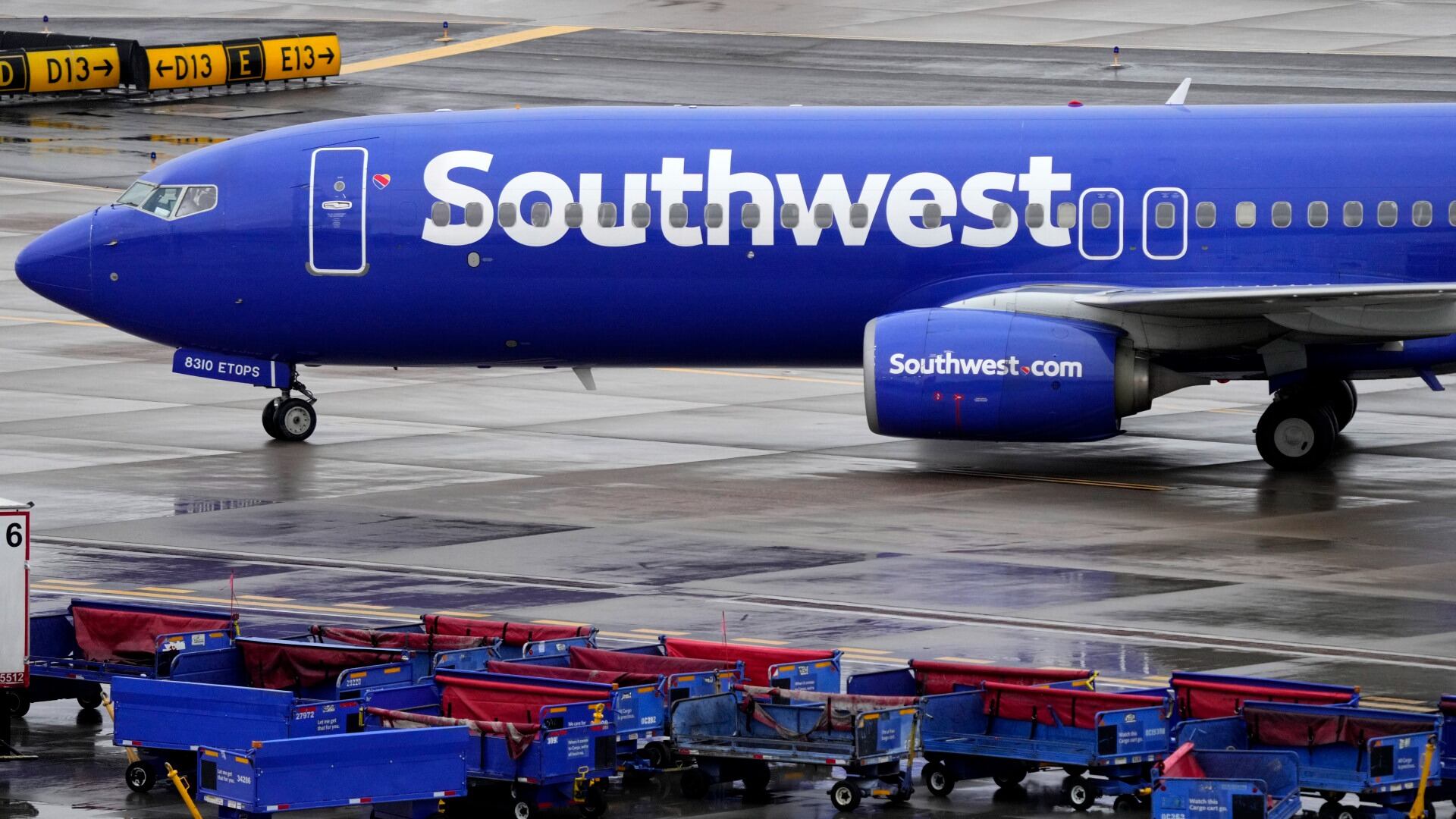
Southwest Airlines Co. has announced the return of its "Companion Pass" offer, which allows the airline's "Rapid Rewards" members to designate a companion who can travel with them for free between August 15 and September 30.
German carmaker Volkswagen said it plans to introduce 25 new electric vehicle models through 2030. As that roll out begins in earnest, Pablo Di Si, president and CEO of Volkswagen Group of America, provided Cheddar News with a breakdown of what consumers can expect from the line-up.
The market for rental apartment buildings is tumbling at its fastest-rate since 2009 in the wake of the Great Financial Crisis, according to a Washington Post report.
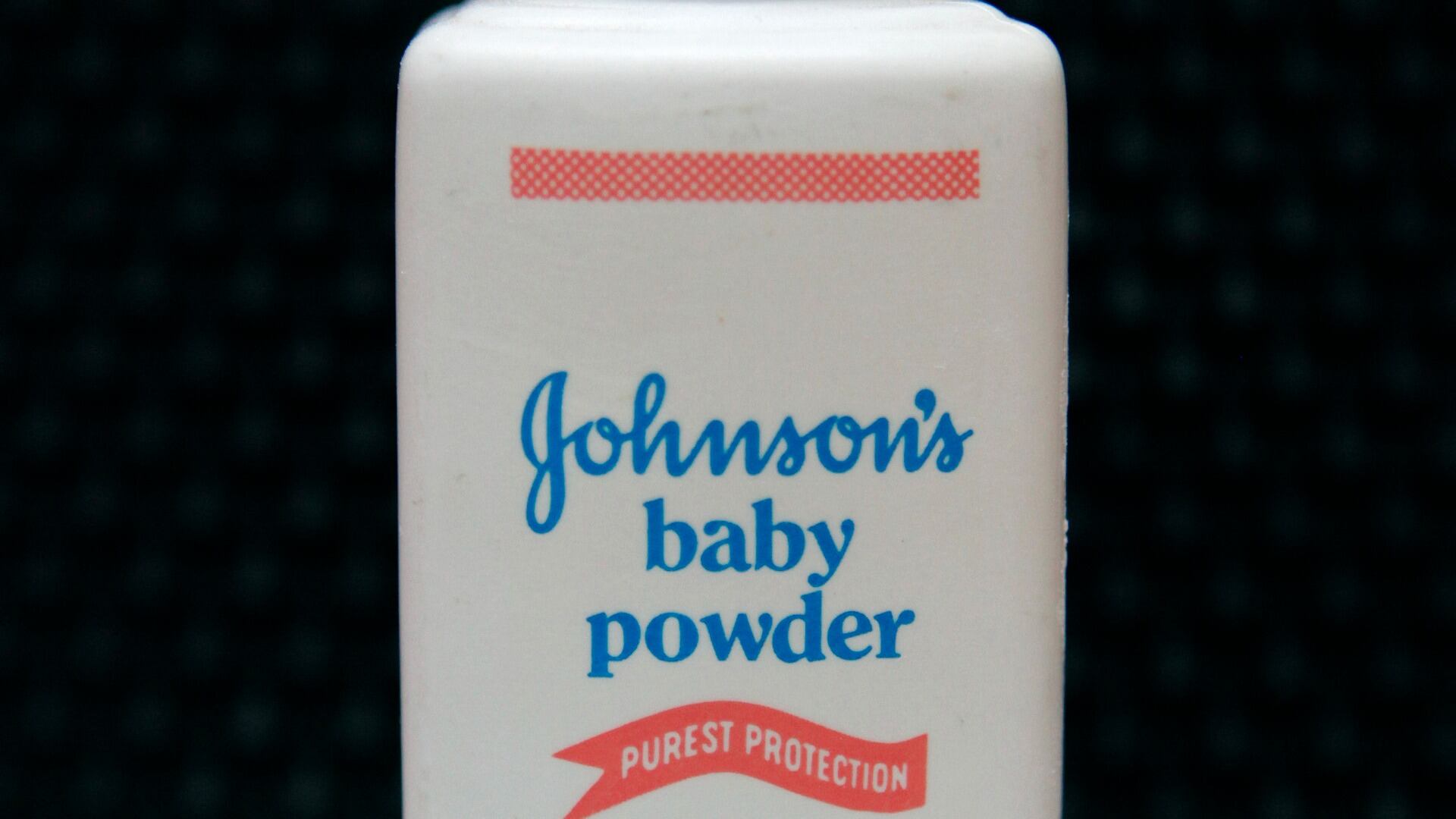
Johnson & Johnson is earmarking nearly $9 billion to cover allegations that its baby power containing talc caused cancer, more than quadrupling the amount that the company had previously set aside to pay for its potential liability.