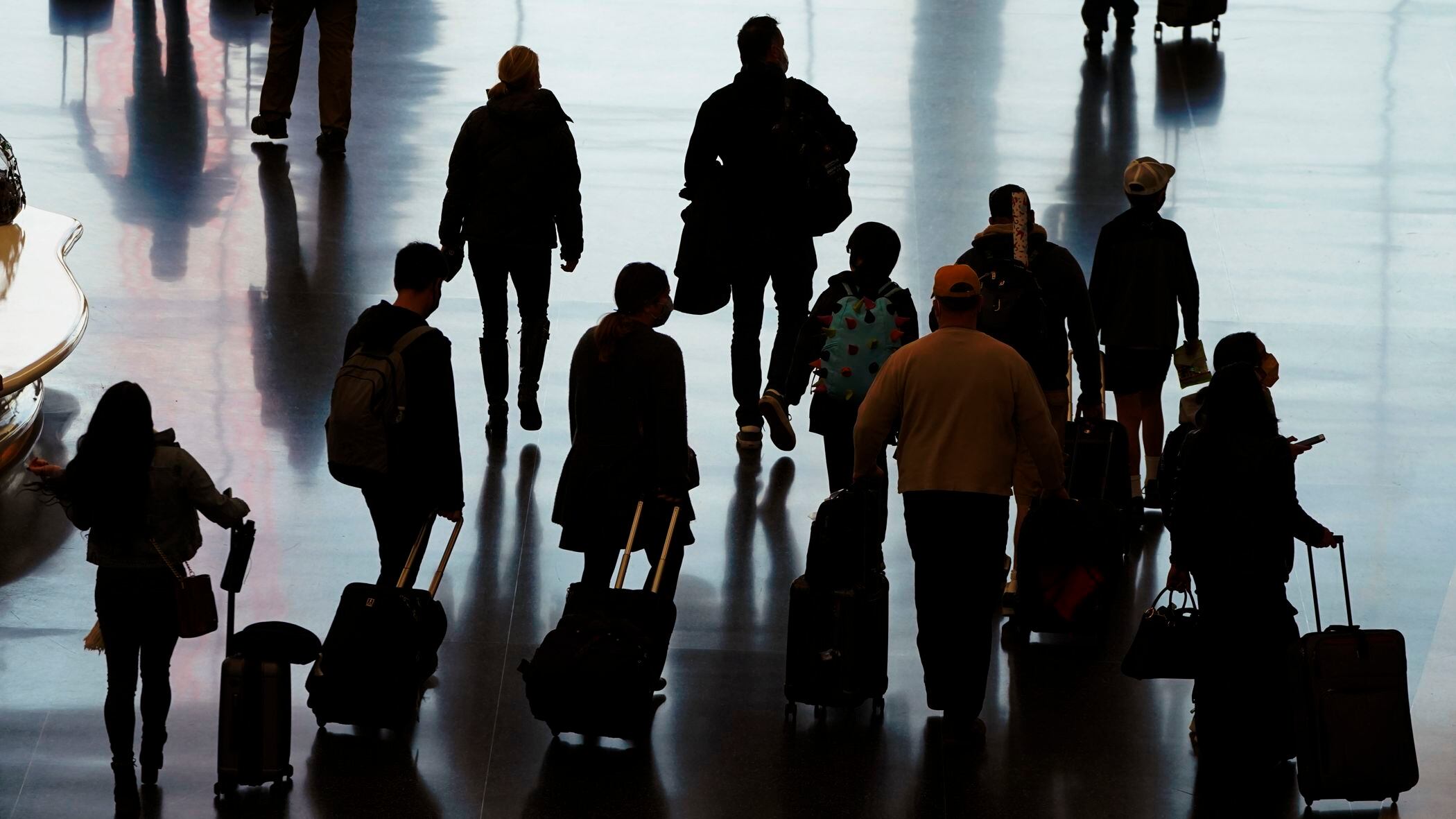
In this Wednesday, Nov. 25, 2020 file photo, travelers walk through the Salt Lake City International Airport in Salt Lake City, a day before Thanksgiving. On Wednesday, Dec. 2, 2020, the U.S. Centers for Disease Control and Prevention are urging Americans to stay home over the upcoming holiday season and consider getting tested before and after if they do decide to travel. (AP Photo/Rick Bowmer)
By Lindsey Tanner
Don’t travel over the upcoming holidays. But if you must, consider getting coronavirus tests before and after, U.S. health officials urged Wednesday.
The agency also announced new guidelines that shorten recommended quarantines after close contact with someone infected with coronavirus. The agency said the risk in a shorter quarantine is small, but that the change makes following the guidance less of a hardship.
The no-travel advice echoes recommendations for Thanksgiving but many Americans ignored it. With COVID-19 continuing to surge, the CDC added the testing option.
“Cases are rising, hospitalizations are increasing, deaths are increasing. We need to try to bend the curve, stop this exponential increase,” the CDC's Dr. Henry Walke said during a briefing.
He said any travel-related surge in cases from travel would likely be apparent about a week to 10 days after Thanksgiving.
The virus has infected more than 13.5 million Americans and killed at least 270,000 since January.
“The safest thing to do is to postpone holiday travel and stay home," said Dr. Cindy Friedman, another CDC official. "Travel volume was high over Thanksgiving,'' and even if small numbers were infected, that could result in ’’hundreds of thousands of new infections.”
‘’Travel is a door-to-door experience that can spread the virus during the journey and also into communities that travelers visit or live," she added.
For those who decide to travel, COVID-19 tests should be considered one to three days before the trip and again three to five days afterward, the CDC said. The agency also recommended travelers reduce non-essential activities for a full week after they return or for 10 days if not tested afterward. And it emphasized the importance of continuing to follow precautions including masks, social distancing, and frequent hand-washing.
The revised quarantine guidance says people who have been in contact with someone infected with the virus can resume normal activity after 10 days, or seven days if they receive a negative test result. That’s down from the 14-day period recommended since the pandemic began.
The change is based on extensive modeling by CDC and others, said the agency's Dr. John Brooks..
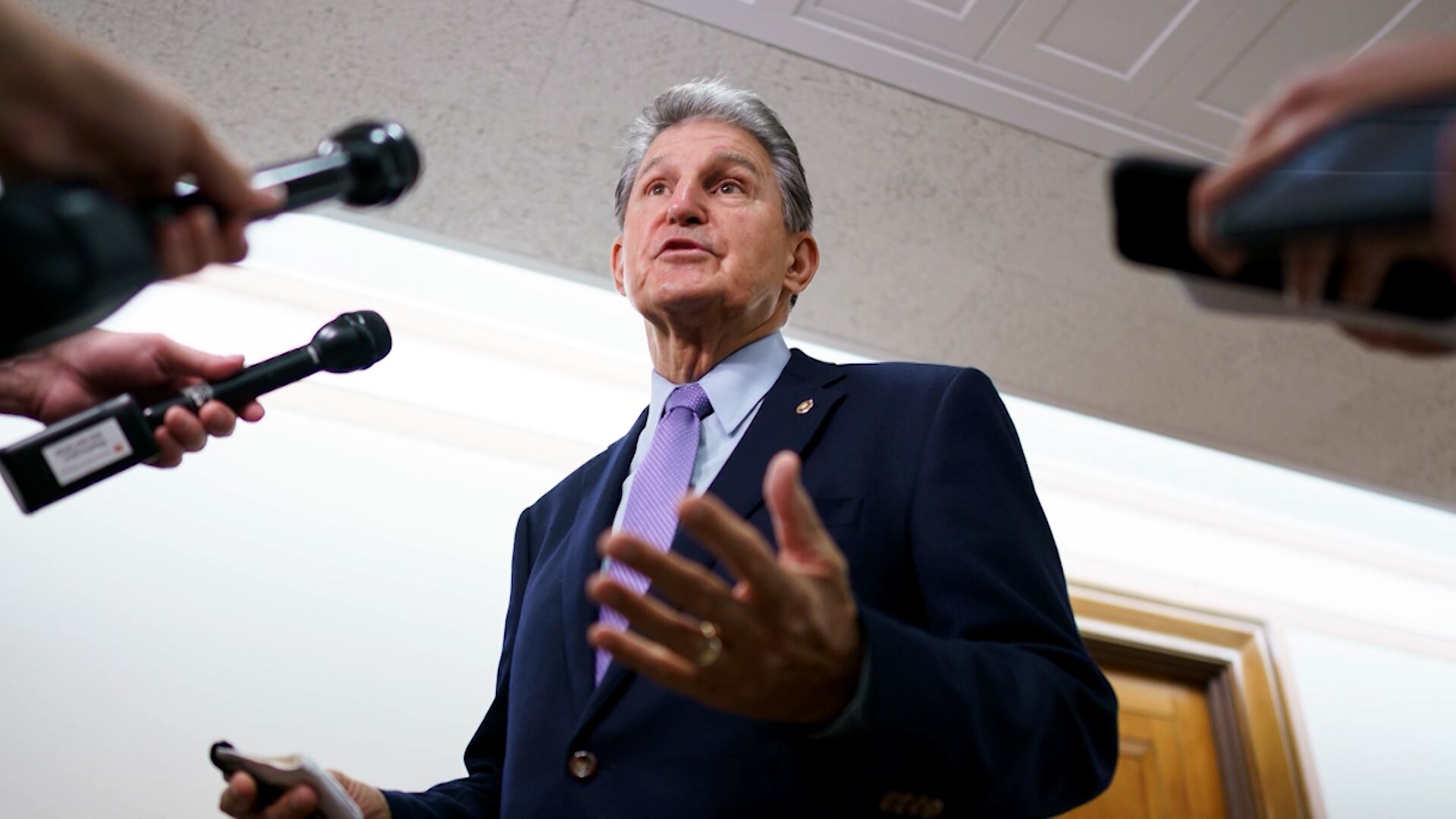
Stephanie Akin, Politics Reporter for CQ Roll Call, breaks down
Senator Manchin's donation pool, and highlights what this support means for the conservative Democrat as well as the Republican party.
The global oil benchmark surpassed $90 for the first time in more than seven years. This comes as growing tensions between Russia and Ukraine add to concerns about the already-tight market. Jay Hatfield, Chief Investment Officer at ICAP, joined Cheddar to discuss what this benchmark means for the oil industry, and what might happen if Russia does invade its neighbor.
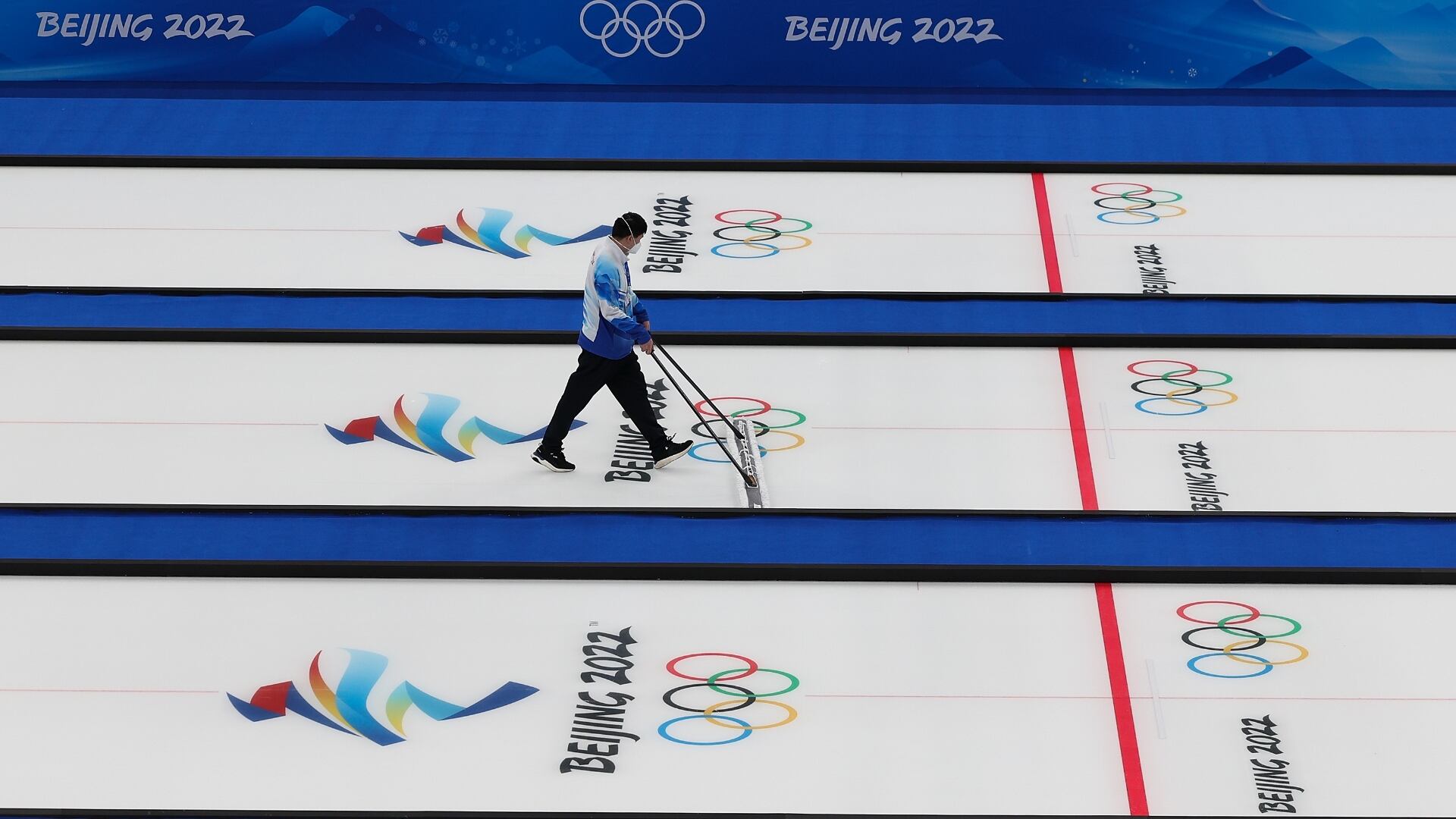
With the Beijing Winter Olympics set to get underway on Friday, Dan Wolken, a national columnist for USA Today, joined Cheddar News to break down the big storylines as the pandemic and international conflicts threaten to cast a cloud over the event that is aspirationally seen as a beacon of international cooperation. Wolken noted specific issues over cybersecurity for visiting athletes and disputes over human rights leading to a diplomatic boycott have been making waves even before the opening ceremony. "So you've got sort of these barbs going back and forth already between the Americans and the Chinese, and things haven't even started yet," he said. "We don't even know what's going to happen once the games start and people actually start winning medals."
We are a week away from the 2022 Beijing Olympics, and China has already faced a host of problems leading up to the opening ceremony of the Beijing games. DJ Peterson, president of Longview Global Advisors, joins Cheddar News to discuss the many concerns and controversies surrounding the event.
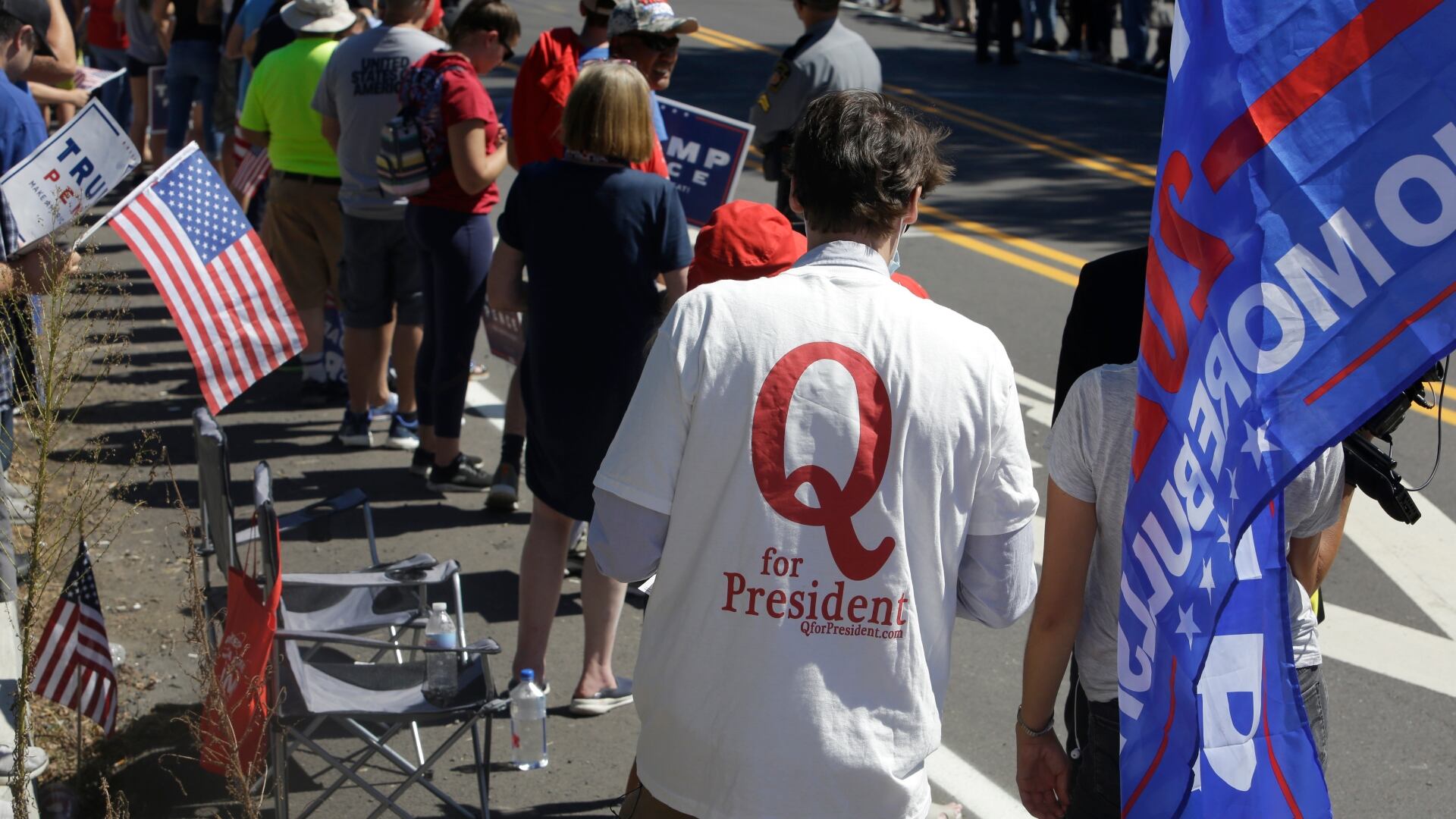
In 2021, QAnon, the community which traffics in conspiracy theories saw a rapid growth in its numbers. As a result of vaccine rollouts, a number of conspiracies surrounding them also began to circulate which then led to the rise of "Anti-Vaxxers". As a result, the QAnon and anti-vax communities have become increasingly intertwined and the results could be costing lives. Senior Researcher at Media Matters Alex Kaplan, joined Cheddar to discuss more.
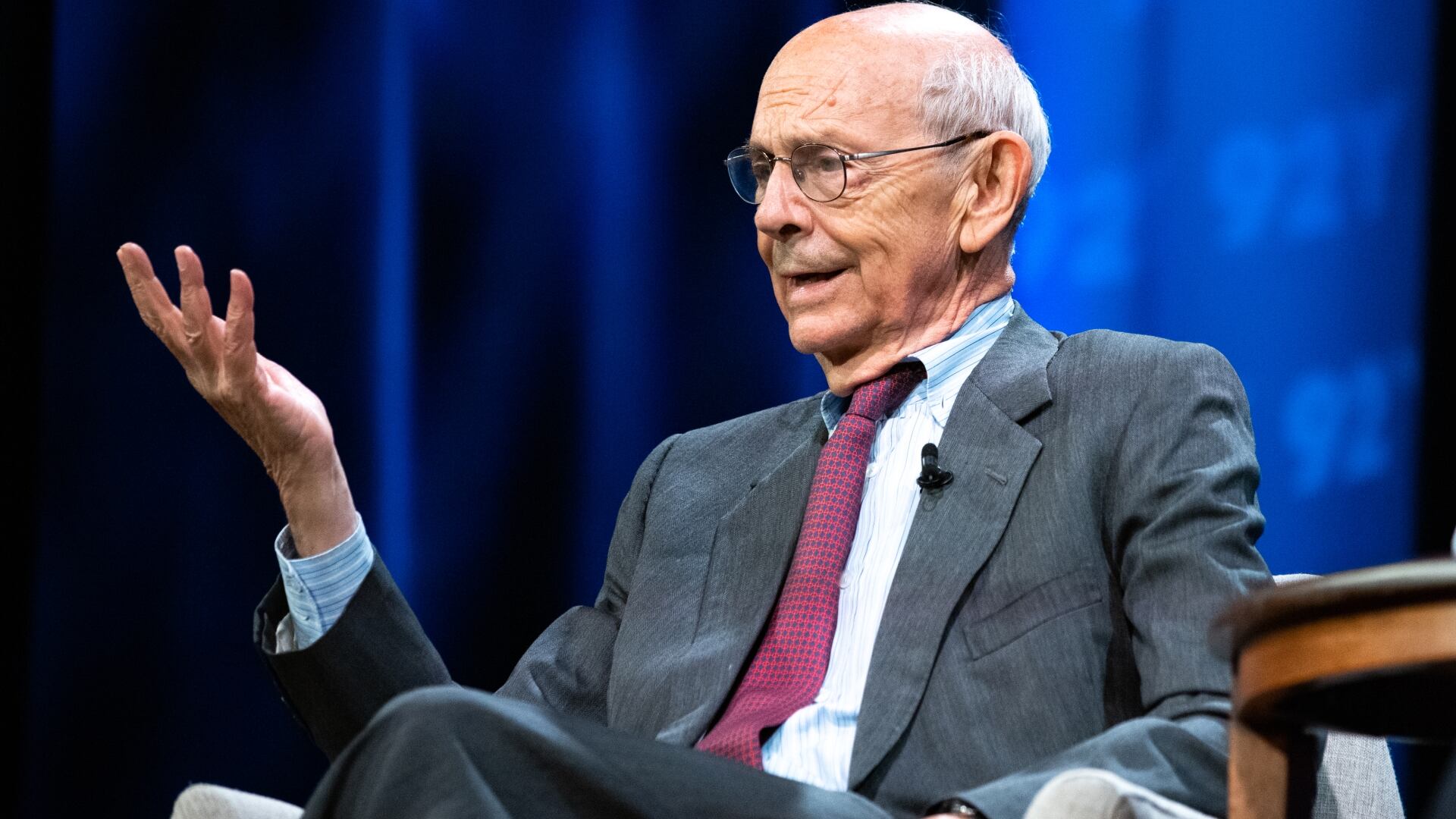
Supreme Court Justice Breyer has announced that he will officially retire from his post. He has served as the senior member of the more liberal wing in recent years. Now his retirement puts pressure on President Biden to decide on who will replace Breyer. Attorney and Media Editor at SCOTUS blog Katie Barlow, joined Cheddar to discuss more.
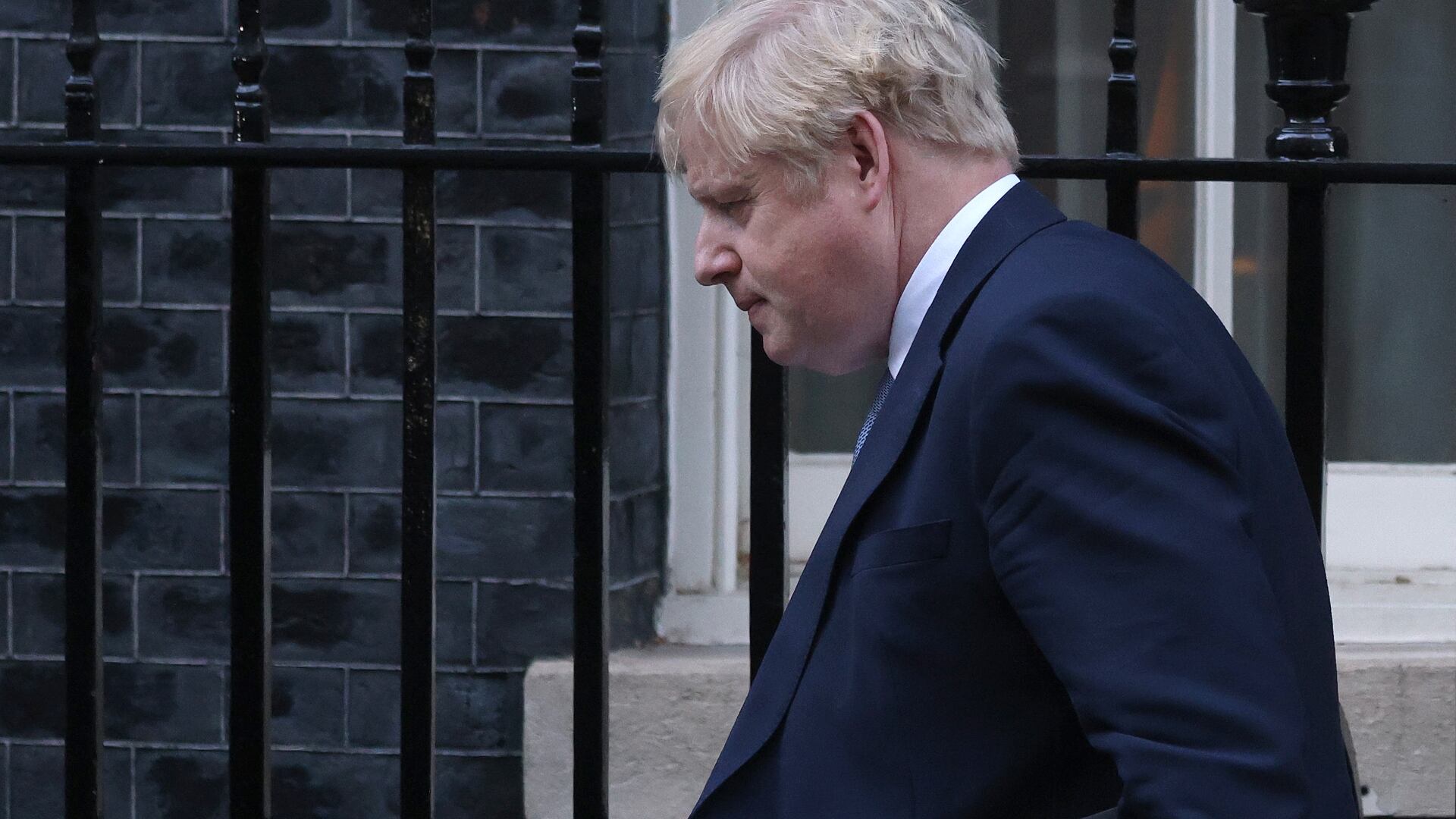
A long awaited report in the UK looking into the alleged parties held at 10 Downing Street during lockdown finds a culture of excessive drinking and a "failure of leadership" in Boris Johnson's government. Cheddar News speaks with international journalist Thomas Cole, who is closely monitoring latest developments.
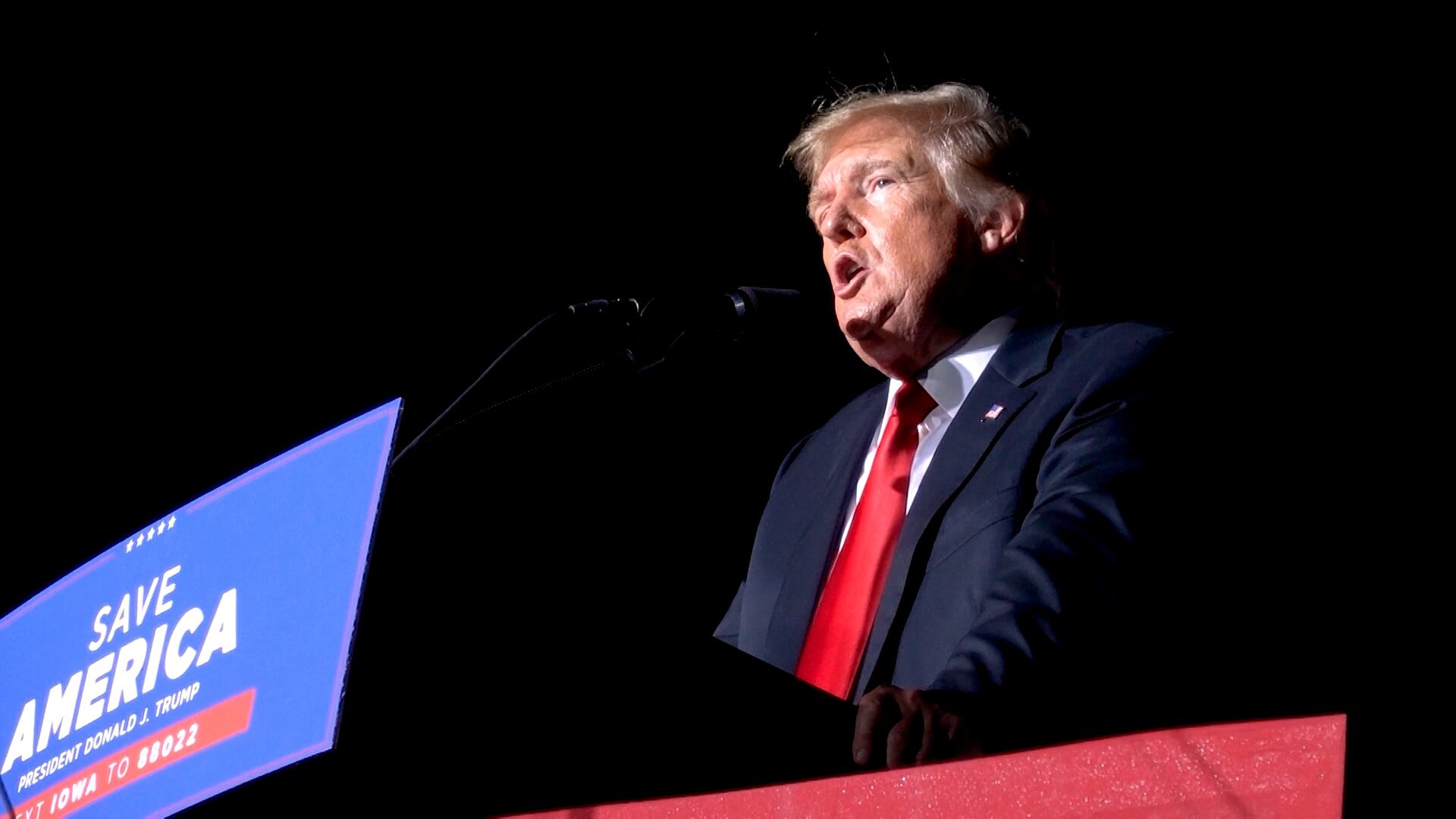
While Donald Trump stated he would be willing to pardon Capitol Hill insurrectionists should he return to the presidency, the January 6 Committee issued subpoenas to 14 individuals who cast bogus electoral votes for the former president in seven states won by Joe Biden in 2020. Molly Jong-Fast, editor-at-large at The Daily Beast, joined Cheddar News to discuss the ongoing congressional investigation. "It is kind of crazy that every time Trump speaks, he kind of confesses a little more of what he was up to, but you really have to have proof," said Jong-Fast.
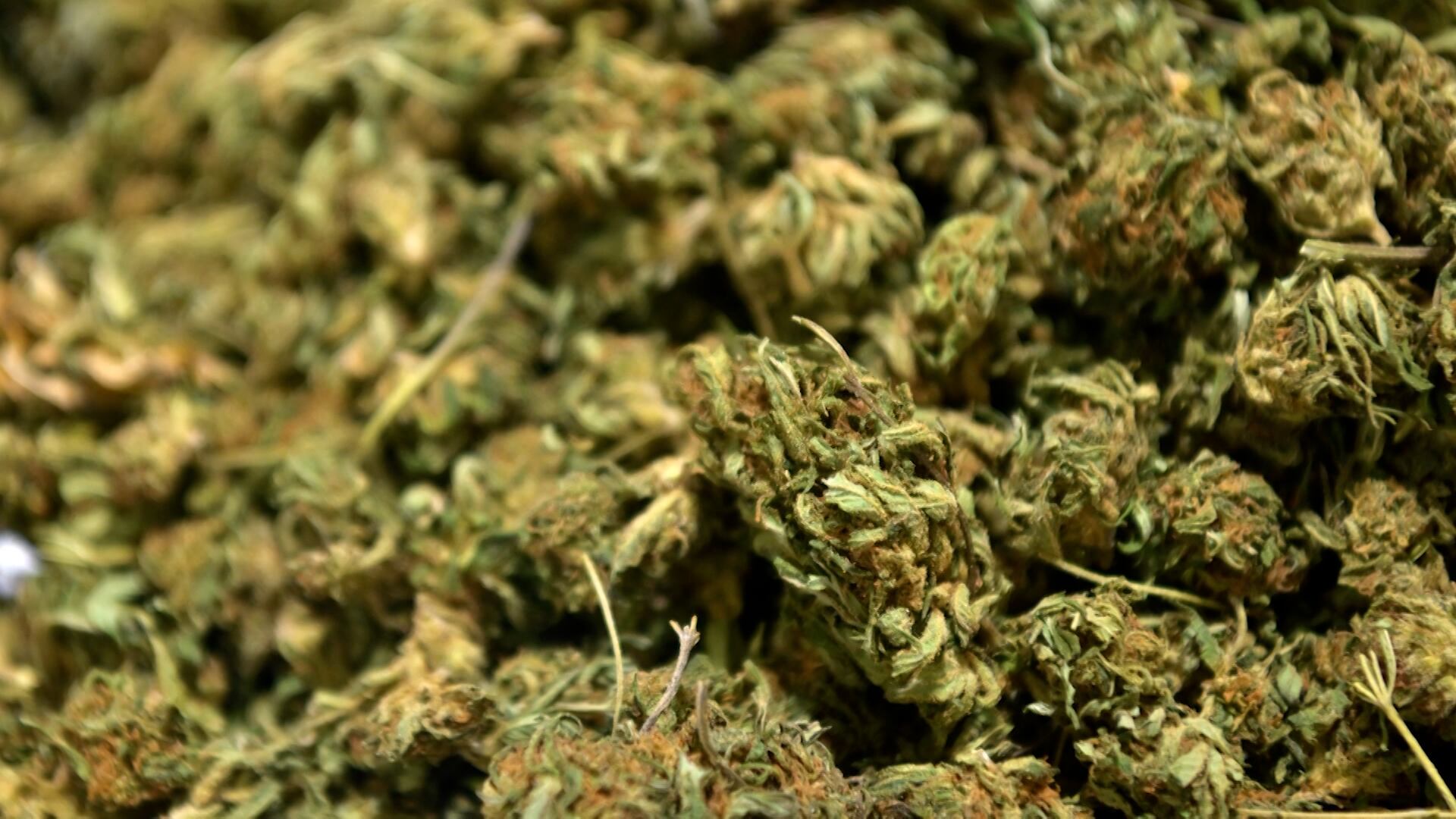
Natalie Fertig, federal cannabis policy reporter at Politico Pro, joins Cheddar News to discuss a new YouGov poll that looks at how Americans feel about marijuana and politics.