By Lindsey Tanner
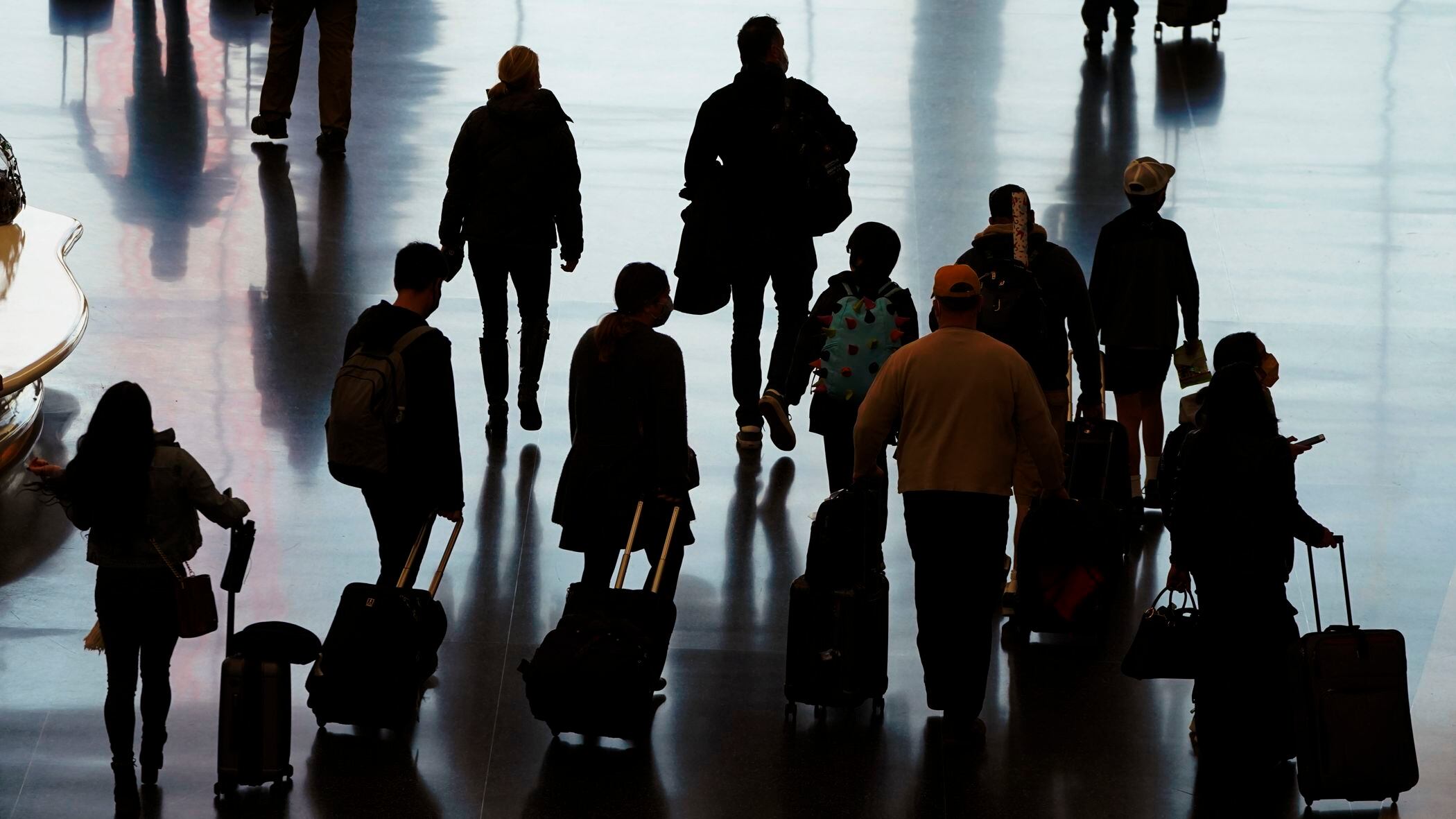
Don’t travel over the upcoming holidays. But if you must, consider getting coronavirus tests before and after, U.S. health officials urged Wednesday.
The federal Centers for Disease Control and Prevention said that the best way to stay safe and protect others is to stay home.
The agency also announced new guidelines that shorten recommended quarantines after close contact with someone infected with coronavirus. The agency said the risk in a shorter quarantine is small, but that the change makes following the guidance less of a hardship.
The no-travel advice echoes recommendations for Thanksgiving but many Americans ignored it. With COVID-19 continuing to surge, the CDC added the testing option.
“Cases are rising, hospitalizations are increasing, deaths are increasing. We need to try to bend the curve, stop this exponential increase,” the CDC's Dr. Henry Walke said during a briefing.
He said any travel-related surge in cases from travel would likely be apparent about a week to 10 days after Thanksgiving.
The virus has infected more than 13.5 million Americans and killed at least 270,000 since January.
“The safest thing to do is to postpone holiday travel and stay home," said Dr. Cindy Friedman, another CDC official. "Travel volume was high over Thanksgiving,'' and even if small numbers were infected, that could result in ’’hundreds of thousands of new infections.”
‘’Travel is a door-to-door experience that can spread the virus during the journey and also into communities that travelers visit or live," she added.
For those who decide to travel, COVID-19 tests should be considered one to three days before the trip and again three to five days afterward, the CDC said. The agency also recommended travelers reduce non-essential activities for a full week after they return or for 10 days if not tested afterward. And it emphasized the importance of continuing to follow precautions including masks, social distancing, and frequent hand-washing.
The revised quarantine guidance says people who have been in contact with someone infected with the virus can resume normal activity after 10 days, or seven days if they receive a negative test result. That’s down from the 14-day period recommended since the pandemic began.
The change is based on extensive modeling by CDC and others, said the agency's Dr. John Brooks..