Empty airport at sunset, 3D generated image, generic location. (Getty Images- gremlin)
A surge in COVID-19 infections overseas in places like China has prompted the U.S. Centers for Disease Control and Prevention to consider testing airplane wastewater for the virus.
The agency announced plans to begin inspecting airplane wastewater last month and now it is looking to clear a legal hurdle. Scientists have already found that testing wastewater for traces of the COVID-19 is a viable process and agreed that the method can act as a new defense weapon against the spread of the virus in the U.S.
An upgraded line of defense is needed as requiring international travelers to test negative for the virus before entering the country has been proven to not completely mitigate the spread of the virus. In December 2021, an airplane wastewater analysis of a flight from Ethiopia to France showed that despite passengers testing negative for COVID-19, the omicron variant was still present in waste.
Experts suggested that analyzing airplane wastewater can even help scientists determine how vaccines should be updated.
"If you do have a new variant that's coming and you have a wastewater sample, it's going to be more concentrated coming out of a smaller sewer shed or an airport," Sandra McLellan, professor of freshwater sciences at the University of Wisconsin-Milwaukee, told NBC. "If you just look in the municipal wastewater, you could miss it."
When it comes to a potential legal dispute in assessing airplane wastewater, some countries could consider airplanes their own territory and removing anything from them could be considered theft, according to Kata Farkas, research officer at Bangor University and contributor to a new airplane wastewater study.
In what could be the biggest deal in video games history, Microsoft's purchase of Activision Blizzard underlines the company's aggressive push in gaming and beyond into its long-term vision of being top dog in the metaverse. Adam Hollander, former director of gamification at Microsoft and founder of Hungry Wolves NFT, joined Cheddar's Opening Bell to discuss. “Microsoft always plays chess, not checkers," he said, describing the price tag as an opportunity cost. "It's about integrating Activision Blizzard in with Azure and Windows and Xbox and Hololens and Minecraft and everything else that they're doing for the inevitable goal of being the major player in the next phase of the internet."
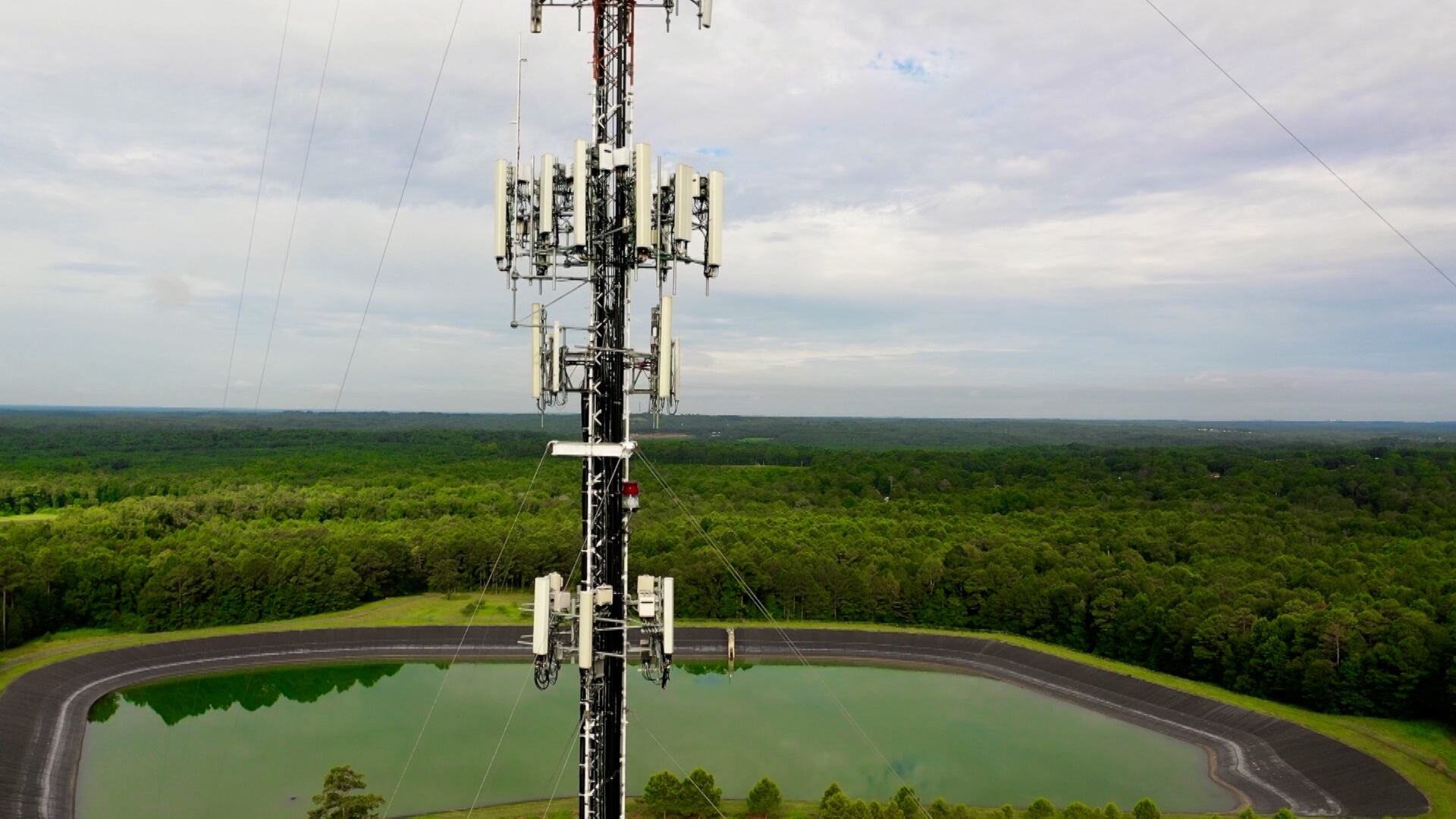
Telecom giants AT&T and Verizon have agreed to delay activating their 5G services around airports and runways once again. This comes after major U.S. airlines voiced their concern over the rollout of 5G technology, warning of an impending "catastrophic" aviation crisis. Peter Andersen, Chief Investment Officer, Anderson Capital Management joined Cheddar's Opening Bell to discuss.
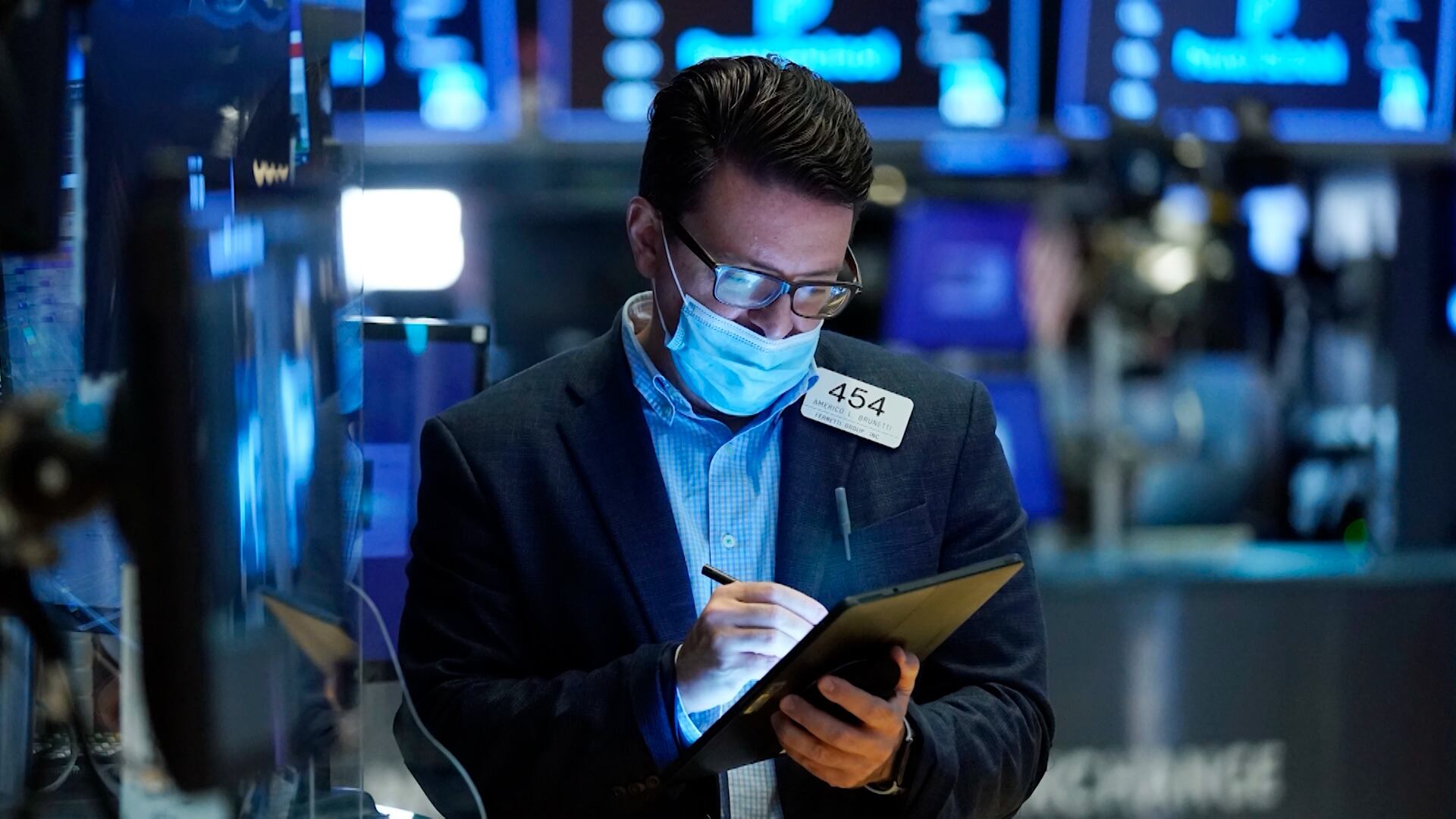
Earnings season kicks into high gear this week as big players are on tap to report their Q4 numbers. Goldman Sachs, Procter & Gamble, United Airlines, and Netflix are just a few of the companies we're keeping a close eye on to give us a better idea of how they're dealing with the Omicron variant, inflation and interest rates. David Nelson, chief strategist at Belpointe, gives a preview of what to expect.
Thomas Hayes, Chairman at Great Hill Capital, joined Wake Up With Cheddar to break down what to look for on the economic front in the coming months amid an Omicron surge and planned interest rate hikes.
Mike McGlone, Senior Commodity Strategist at Bloomberg Intelligence, joins Cheddar News' Closing Bell, where he says he believes we'll eventually see Bitcoin reach the $100,000 mark despite its recent struggles, and explains why Bitcoin will be less volatile than the Nasdaq.
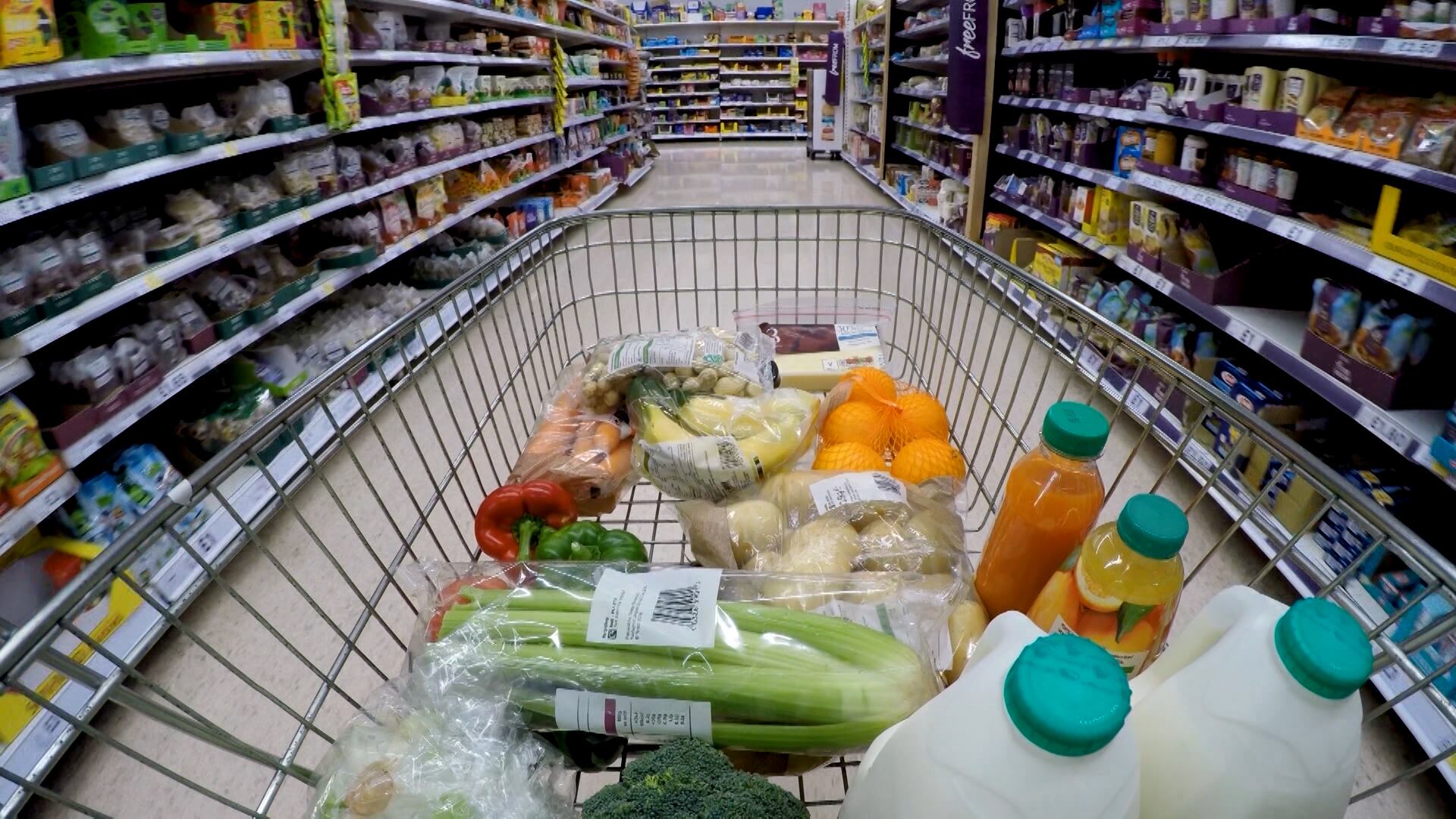
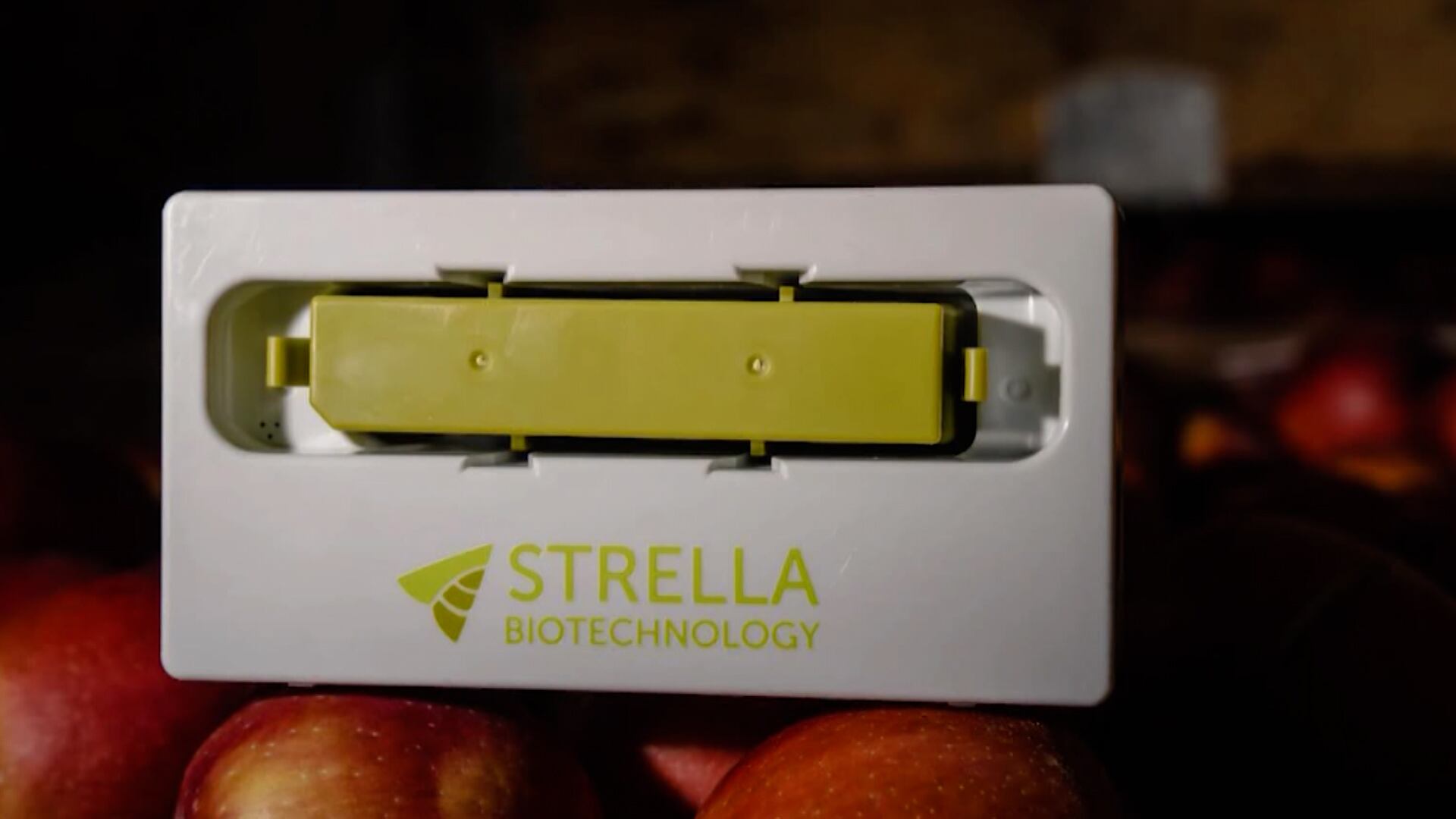
Food waste is a major contributor to greenhouse gas emissions in the United States. Strella Biotechnology is trying to solve the problem by introducing new technology to a business that's been around for generations -- farming. The 24-year-old CEO created hi-tech sensors that interpret the shelf life of produce and alert farmers when fruits and vegetables are ready to be sent to supermarkets. The company says the process can help farmers make money, reduce food waste and increase the quality of produce. Strella Biotechnology's co-founder and CEO Katherine Sizov and co-founder and COO Jay Jordan joined Cheddar Climate to discuss.
Hugh Odom, founder and president of Vertical Consultants, shared his expertise on telecommunications with Cheddar on the safety issue raised about 5G deployment by airlines. The installation was partially delayed again on Tuesday as the airlines warned of potentially catastrophic delays in a letter to the Biden administration. Later, both Verizon and AT&T relented and put a pause on some of the implementations. "The first thing the Biden administration needs to do is get everybody in the room and say, look, aviation industry, identify the problem — wireless industry, come up with a solution," said Odom.