Empty airport at sunset, 3D generated image, generic location. (Getty Images- gremlin)
A surge in COVID-19 infections overseas in places like China has prompted the U.S. Centers for Disease Control and Prevention to consider testing airplane wastewater for the virus.
The agency announced plans to begin inspecting airplane wastewater last month and now it is looking to clear a legal hurdle. Scientists have already found that testing wastewater for traces of the COVID-19 is a viable process and agreed that the method can act as a new defense weapon against the spread of the virus in the U.S.
An upgraded line of defense is needed as requiring international travelers to test negative for the virus before entering the country has been proven to not completely mitigate the spread of the virus. In December 2021, an airplane wastewater analysis of a flight from Ethiopia to France showed that despite passengers testing negative for COVID-19, the omicron variant was still present in waste.
Experts suggested that analyzing airplane wastewater can even help scientists determine how vaccines should be updated.
"If you do have a new variant that's coming and you have a wastewater sample, it's going to be more concentrated coming out of a smaller sewer shed or an airport," Sandra McLellan, professor of freshwater sciences at the University of Wisconsin-Milwaukee, told NBC. "If you just look in the municipal wastewater, you could miss it."
When it comes to a potential legal dispute in assessing airplane wastewater, some countries could consider airplanes their own territory and removing anything from them could be considered theft, according to Kata Farkas, research officer at Bangor University and contributor to a new airplane wastewater study.
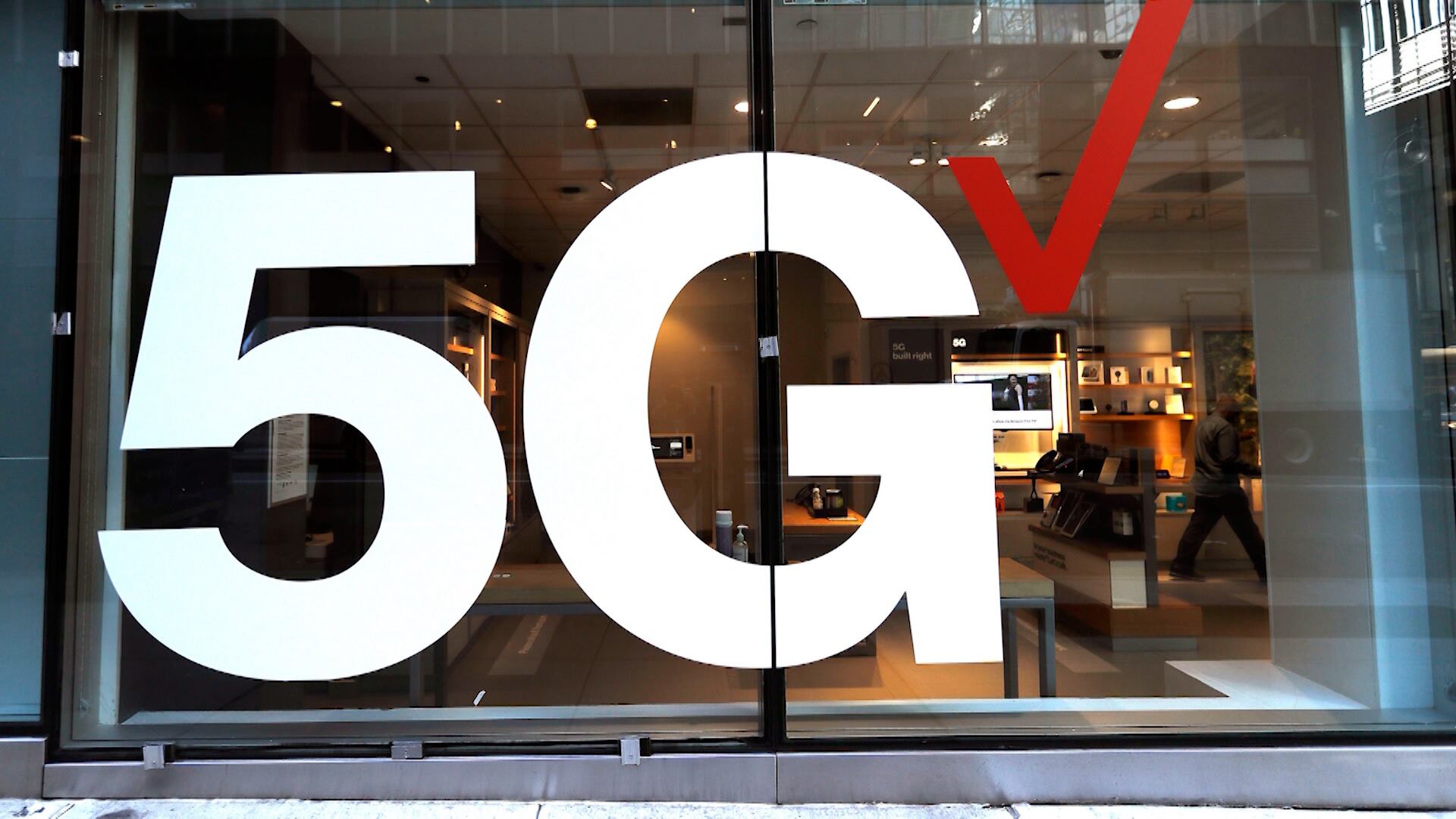
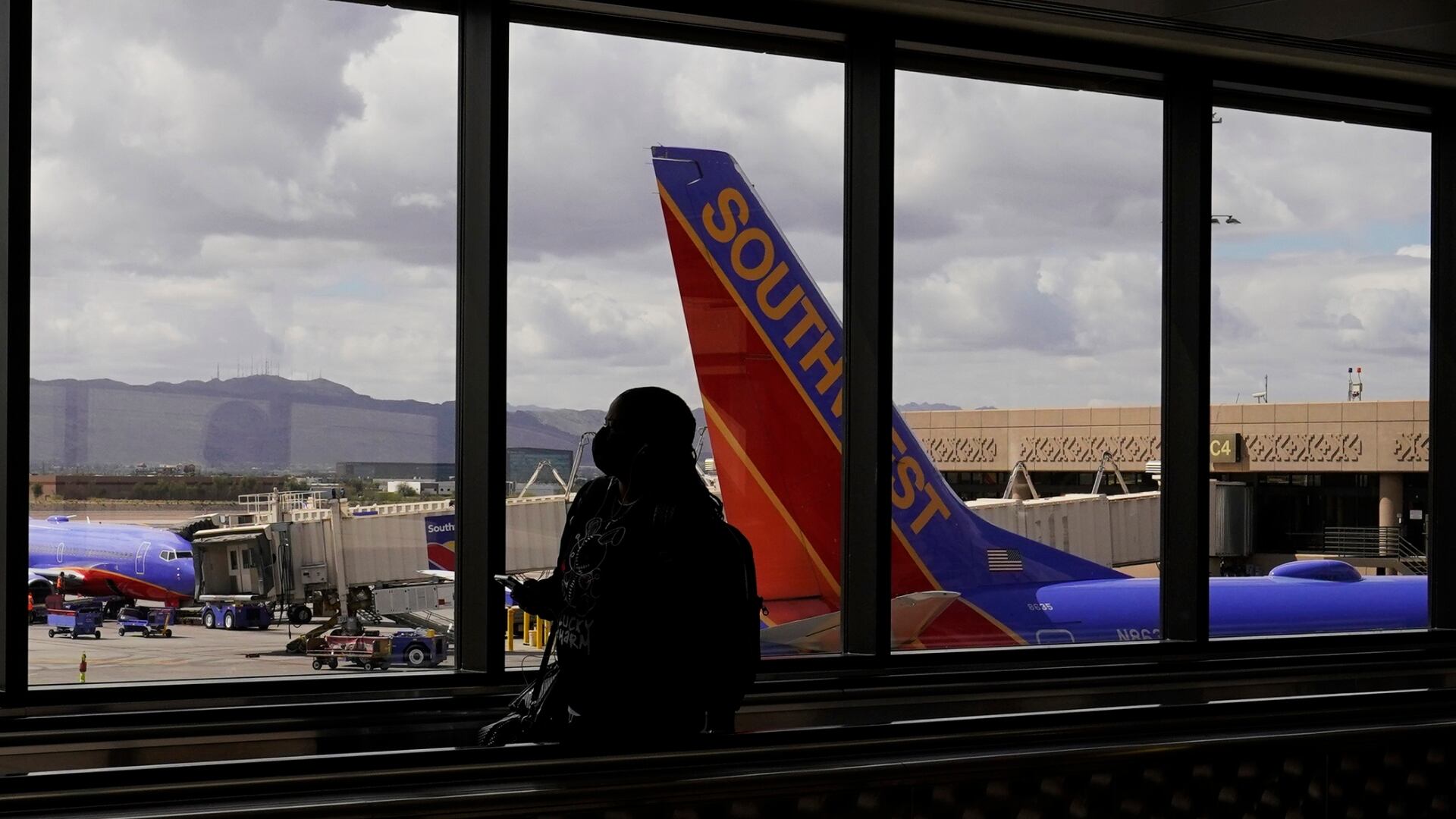
AT&T and Verizon have agreed to delay activating their 5G services around airports due to safety concerns. This comes after major U.S. airlines voiced their concern over the rollout of 5G technology, warning of an impending "catastrophic" aviation crisis. Hugh Odom, founder and president of Vertical Consultants, telecom expert, and former AT&T attorney, joined Cheddar Movers to discuss.
Tech giants Meta, Amazon, Alphabet, and Apple are faced with a bipartisan antitrust legislation effort underway in the Senate Judiciary Committee. The companies stand accused of promoting their own goods and services over smaller competitors on their platforms, holding too much monopolistic power via their app stores and services. Adam Kovacevich, founder and CEO of Chamber of Progress, a technology industry trade group, joined Cheddar to argue that the bills that are being debated currently could end up hurting consumers, rather than helping.
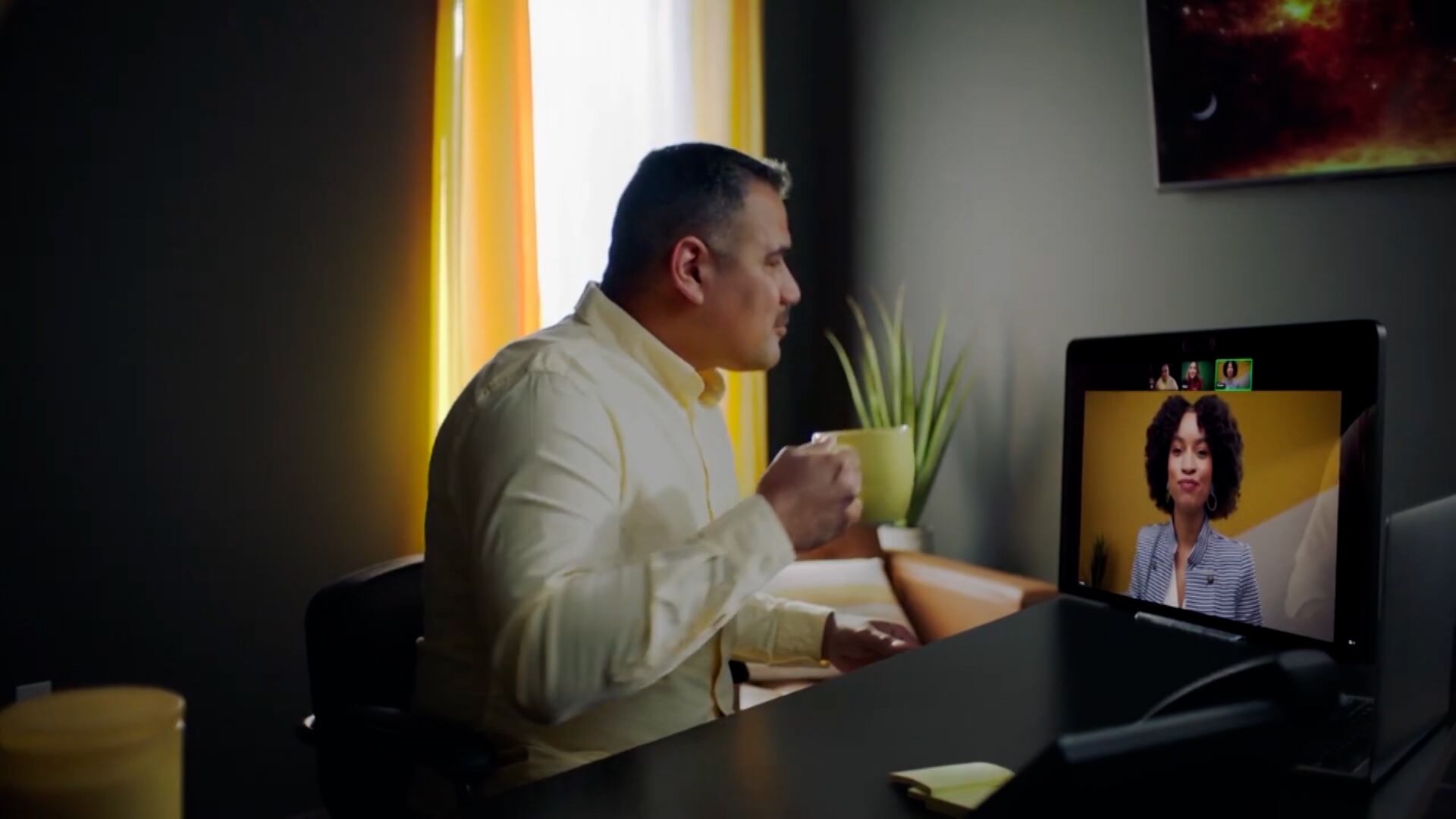
A saving grace for offices during pandemic lockdowns, video communication platform Zoom announced its own plans for doors to reopen from its Work Transformation Summit 2022. Dubbed Workstyles, CFO Kelly Steckelberg joined Cheddar to discuss the self-reported, tiered levels for how employees will be reporting going forward, from the majority of workers going hybrid to personnel who will work fully from home or the office where it makes sense. Steckelberg also talked about the company's plans for the future, stating “what we can control is our own execution," as Zoom's stock hit a 52-week low.
Sebastien Lagree, creator and founder of Lagree Fitness, joins Cheddar News to talk about the growth of Lagree Fitness and industry trends to watch in 2022.
Nikhilesh De, managing editor of global regulation and policy at CoinDesk, joins Cheddar News to discuss Bitcoin's slump and corporations' growing interest in NFTs.
Airlines around the world cancel or change flights ahead of Verizon and AT&T's 5G rollout. The two wireless companies agreed to temporarily delay the launch of the new service near some key airports, after airlines warned the 5G signals could interfere with certain aviation equipment. Jonathan Adelstein, president and CEO of the Wireless Infrastructure Association, joined Cheddar News to discuss.
Thrive Market is a health-first membership for conscious living, with a mission to make healthy and sustainable living easy and accessible. Nick Green, CEO and co-founder, chatted with Cheddar's Baker Machado about the company's approach and new ventures in 2022. "I grew up outside of Minneapolis, middle class, middle America, and really saw firsthand how hard my mom had to work to put healthy food on the table, on a budget, without a health food store nearby," he said. "Twenty-some years later we looked around and just thought it was crazy that millions of Americans are still struggling with the same thing, and we decided to change it." Recently the brand released a line of organic frozen products and will be introducing new beauty and home brands.
In the ongoing saga of AT&T and Verizon versus airlines over the U.S. rollout of 5G near airports, the telecom giants have agreed to delay some deployments. The decision came after arguments that the technology could pose a threat to the safety and security of flights. However, AT&T countered that airlines had two years to prepare for this rollout date.