Empty airport at sunset, 3D generated image, generic location. (Getty Images- gremlin)
A surge in COVID-19 infections overseas in places like China has prompted the U.S. Centers for Disease Control and Prevention to consider testing airplane wastewater for the virus.
The agency announced plans to begin inspecting airplane wastewater last month and now it is looking to clear a legal hurdle. Scientists have already found that testing wastewater for traces of the COVID-19 is a viable process and agreed that the method can act as a new defense weapon against the spread of the virus in the U.S.
An upgraded line of defense is needed as requiring international travelers to test negative for the virus before entering the country has been proven to not completely mitigate the spread of the virus. In December 2021, an airplane wastewater analysis of a flight from Ethiopia to France showed that despite passengers testing negative for COVID-19, the omicron variant was still present in waste.
Experts suggested that analyzing airplane wastewater can even help scientists determine how vaccines should be updated.
"If you do have a new variant that's coming and you have a wastewater sample, it's going to be more concentrated coming out of a smaller sewer shed or an airport," Sandra McLellan, professor of freshwater sciences at the University of Wisconsin-Milwaukee, told NBC. "If you just look in the municipal wastewater, you could miss it."
When it comes to a potential legal dispute in assessing airplane wastewater, some countries could consider airplanes their own territory and removing anything from them could be considered theft, according to Kata Farkas, research officer at Bangor University and contributor to a new airplane wastewater study.
New laws under consideration in Europe, Asia, and the U.S. could put some sharp limitations on Big Tech. Some of the limits would include how these companies can treat smaller competitors and even restrict their use of artificial intelligence, things like facial recognition. Co-founder and Executive Director at Accountable Tech, Nicole Gill, joined Cheddar to discuss more.
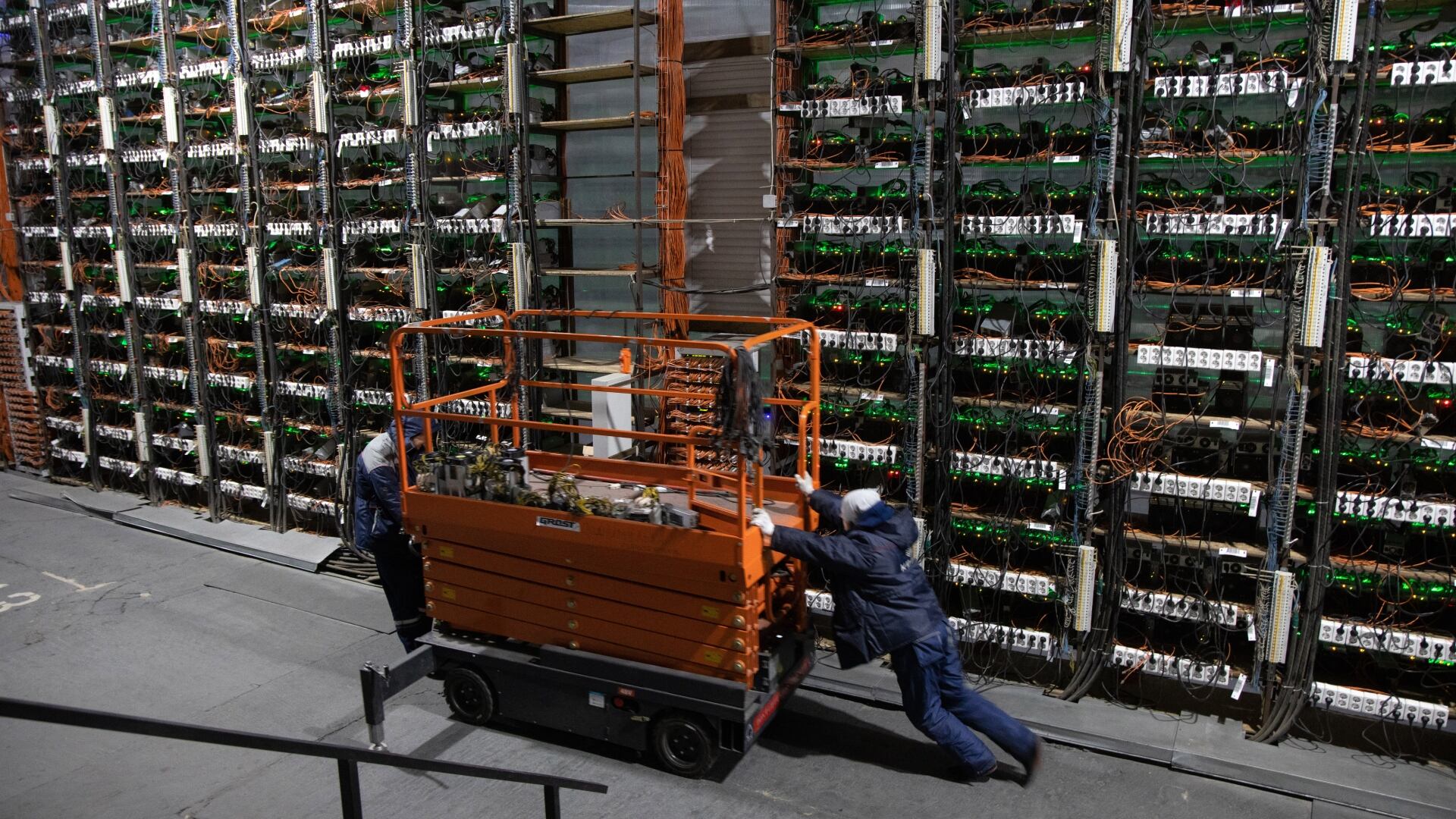
A new report out on Linkedin says that Crypto-related job postings in the US surged to 395% between 2020 and 2021. Job titles which included titles containing "Bitcoin", "Ethereum", "Blockchain", and cryptocurrency, all outpaced jobs in the wider tech industry which saw a 98% increase in listings during the same time period. LinkedIn also notes that the most common crypto job postings were blockchain developers and engineers. CEO of Radkl, Ryan Sheftel, joined Cheddar to discuss more.
Garrett Nelson, Senior Analyst and VP of Equity Research at CFRA Research, joins Cheddar News' Closing Bell, where he breaks down where automakers like Ford, Tesla, Rivian, and Lucid currently stand at the start of 2022 and what we should expect to transpire in the upcoming year.
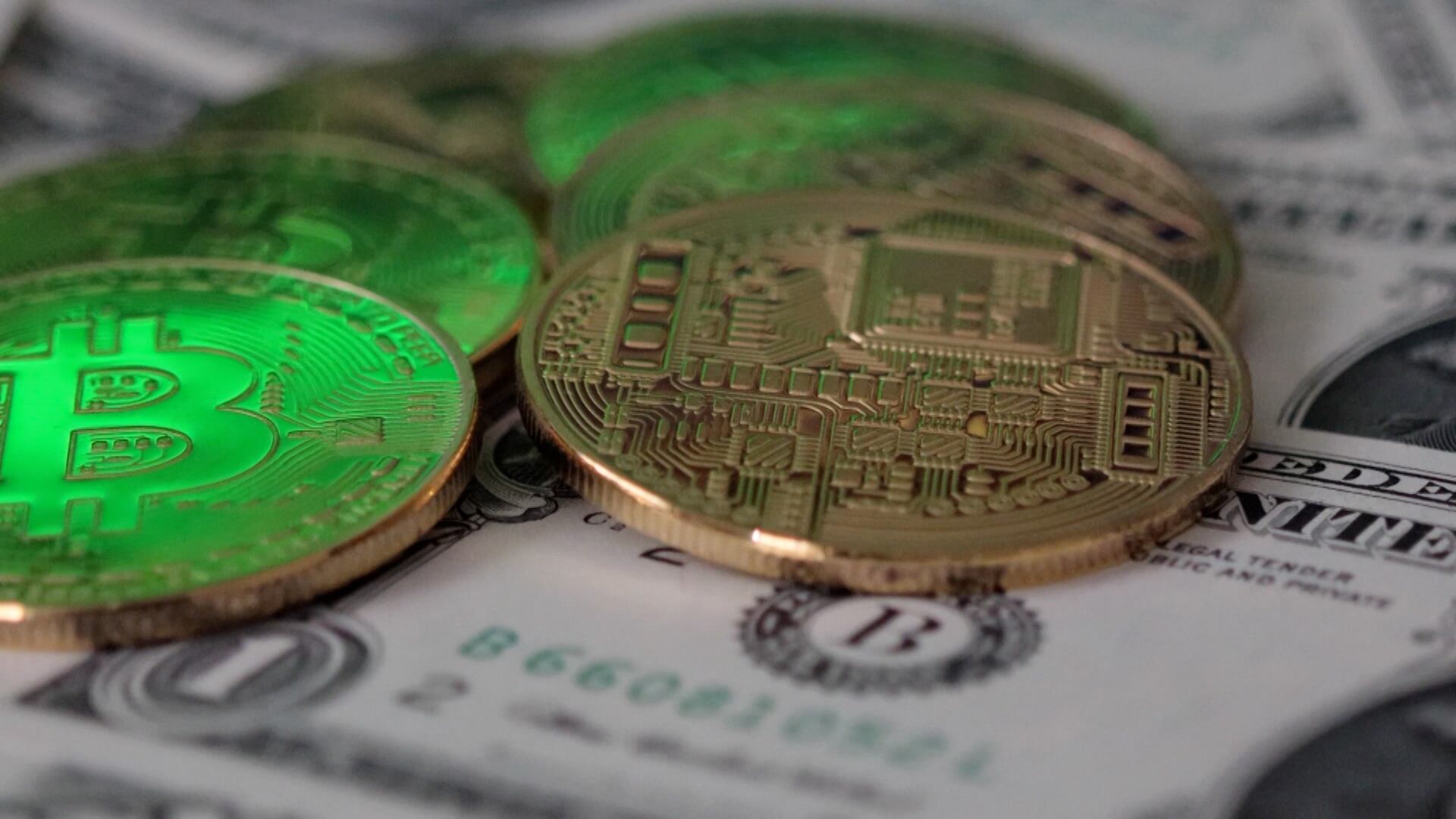
Fintech startup Milo has launched what it says to be the world's first crypto mortgage. As part of the offering, clients will be able to use Bitcoin as collateral to purchase property and qualify for a 30-year loan. Josip Rupena, CEO and Founder of Milo, joins Cheddar News' Closing Bell, where he explains how this offering is a winning solution for crypto investors who want to invest in real estate.
Software company BigPanda recently raised $190 million in Series D funding, led by Advent International and Insight Partners. The funding round gives the company unicorn status with a $1.2 billion valuation. BigPanda develops A.I. software that detects and analyzes problems in I.T. systems. The company says it aims to be the solution for other companies that do not have enough manpower to manage their data, as more and more industries continue to build a broader digital presence. BigPanda co-founder and CEO Assaf Resnick joined Cheddar News' Closing Bell to discuss.