Empty airport at sunset, 3D generated image, generic location. (Getty Images- gremlin)
A surge in COVID-19 infections overseas in places like China has prompted the U.S. Centers for Disease Control and Prevention to consider testing airplane wastewater for the virus.
The agency announced plans to begin inspecting airplane wastewater last month and now it is looking to clear a legal hurdle. Scientists have already found that testing wastewater for traces of the COVID-19 is a viable process and agreed that the method can act as a new defense weapon against the spread of the virus in the U.S.
An upgraded line of defense is needed as requiring international travelers to test negative for the virus before entering the country has been proven to not completely mitigate the spread of the virus. In December 2021, an airplane wastewater analysis of a flight from Ethiopia to France showed that despite passengers testing negative for COVID-19, the omicron variant was still present in waste.
Experts suggested that analyzing airplane wastewater can even help scientists determine how vaccines should be updated.
"If you do have a new variant that's coming and you have a wastewater sample, it's going to be more concentrated coming out of a smaller sewer shed or an airport," Sandra McLellan, professor of freshwater sciences at the University of Wisconsin-Milwaukee, told NBC. "If you just look in the municipal wastewater, you could miss it."
When it comes to a potential legal dispute in assessing airplane wastewater, some countries could consider airplanes their own territory and removing anything from them could be considered theft, according to Kata Farkas, research officer at Bangor University and contributor to a new airplane wastewater study.
James Whitley, Core Contributor at cypher, joins Cheddar News' Closing Bell, where he discusses the underlying factors that support a bounce-back for Bitcoin despite the token's recent slump.
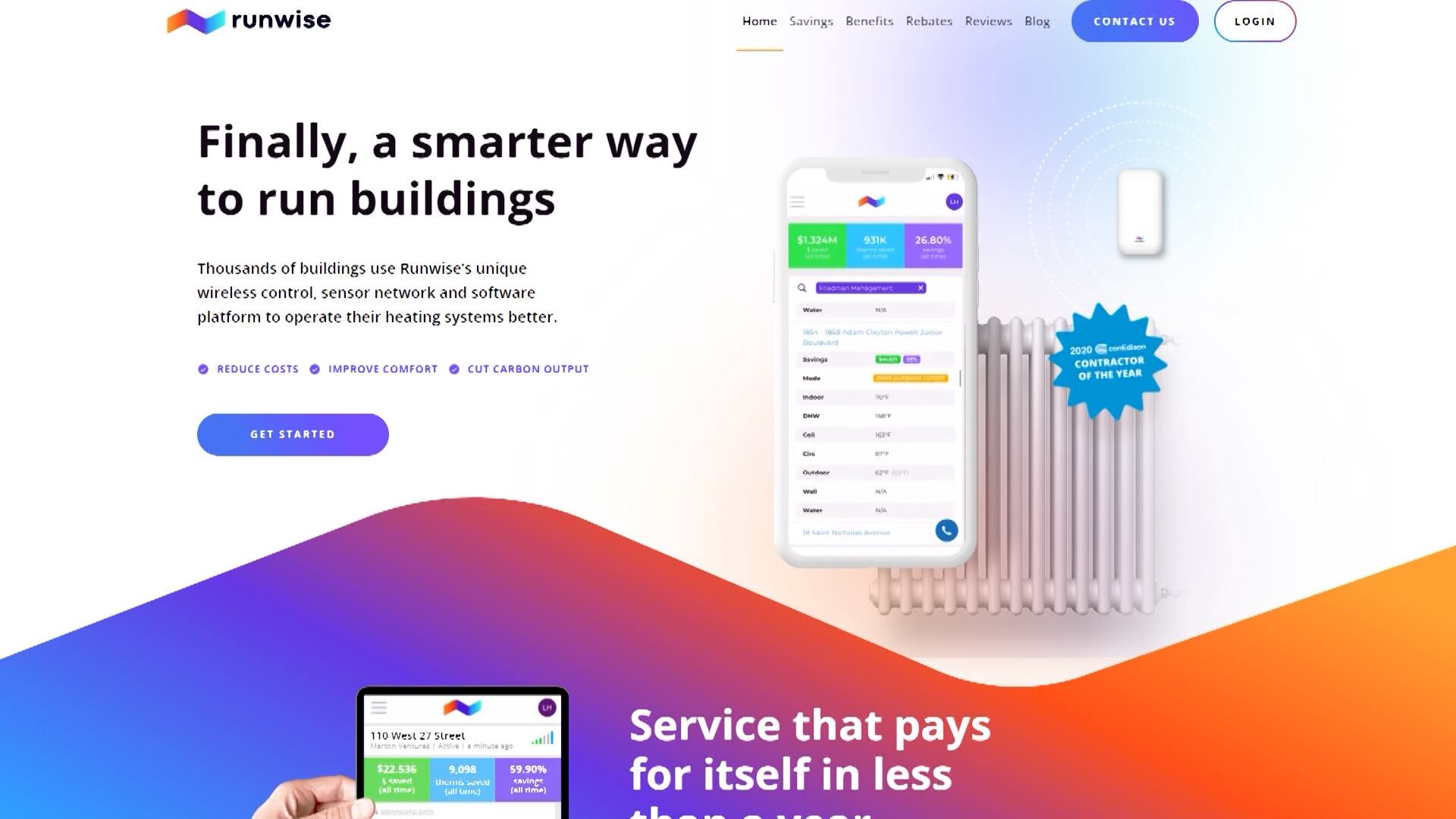
Commercial and residential buildings account for 13% of carbon emissions in the U.S., according to the EPA, and one company says it has a solution. Runwise says it has updated the boiler and heating systems of thousands of buildings, and that its technology not only lowers carbon output but also saves landlords money. Lee Hoffman, Co-Founder and COO of Runwise, joined Cheddar Climate to discuss.
Following sales tech startup Scratchpad raising $33 million in Series B Funding, CEO and co-founder Pouyan Salehi joined Cheddar to discuss how his company's software works to help salespeople with an all-in-one workspace, integrating with Salesforce to optimize notes, spreadsheets, and other relevant information so businesses can forecast and make the best decisions. "If you look at other crafts like artists, they'll have studios; chefs, they'll have kitchens; scientists will have labs, and we just asked, well, if you look at sales as a craft, why doesn't something exist that is designed solely for a salesperson?" Salehi said about his workspace app.
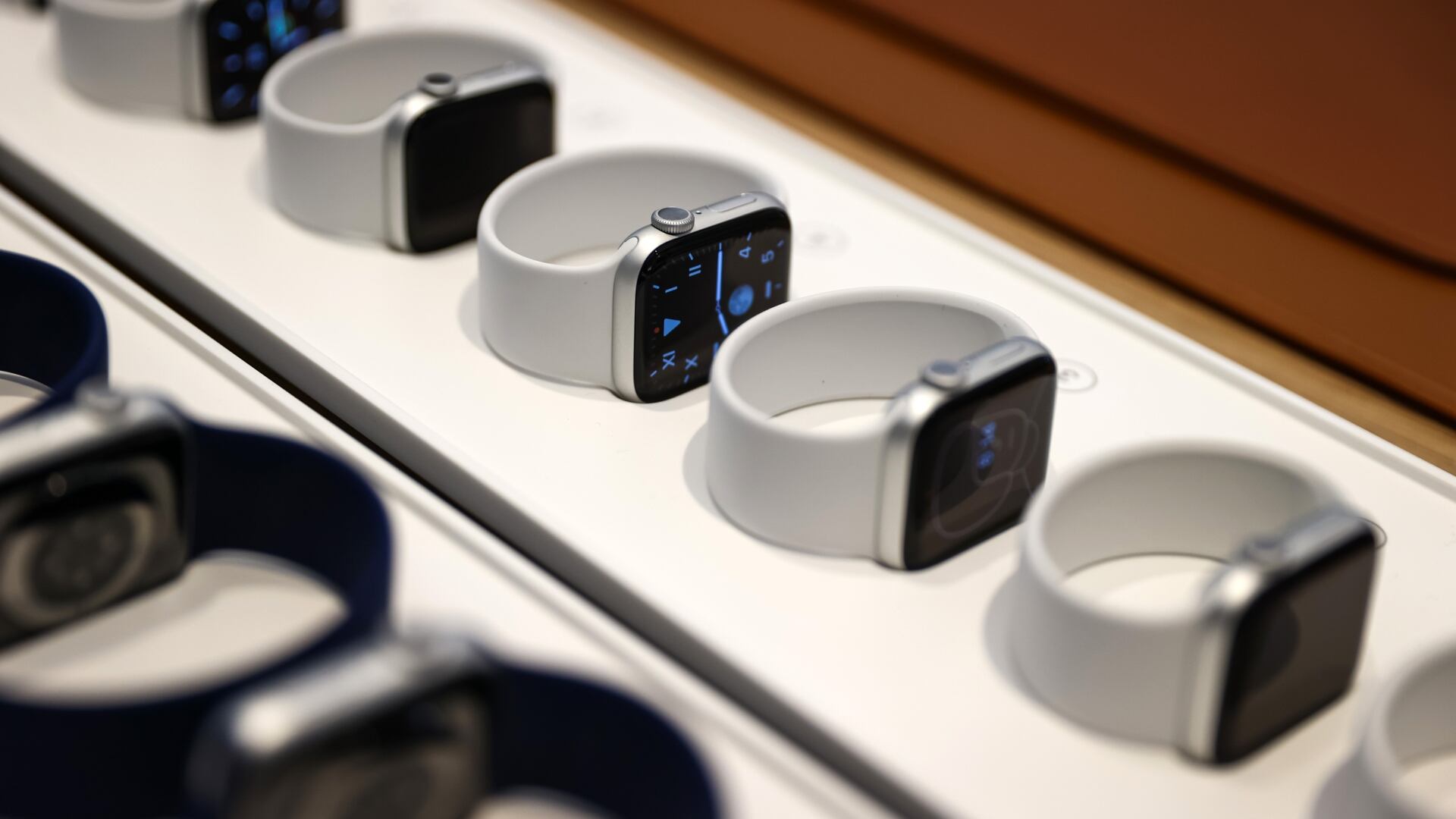
Google could be gearing up to release its own wearable device as rumors swirl about a potential smartwatch with the Pixel brand. Jon Prosser, the creator of Front Page Tech, who tweeted a possible leak about the product, joined Cheddar's "Closing Bell" to discuss potential the benefits of it entering the same space as the Apple Watch. Prosser said, while he doesn't expect it to launch until at least 2023, the Pixel Watch will be "one of the most vital, most important wearables that we can have on the market," noting that it won't likely challenge Apple for much market share but will set the standard for other Android wearables to come.