Empty airport at sunset, 3D generated image, generic location. (Getty Images- gremlin)
A surge in COVID-19 infections overseas in places like China has prompted the U.S. Centers for Disease Control and Prevention to consider testing airplane wastewater for the virus.
The agency announced plans to begin inspecting airplane wastewater last month and now it is looking to clear a legal hurdle. Scientists have already found that testing wastewater for traces of the COVID-19 is a viable process and agreed that the method can act as a new defense weapon against the spread of the virus in the U.S.
An upgraded line of defense is needed as requiring international travelers to test negative for the virus before entering the country has been proven to not completely mitigate the spread of the virus. In December 2021, an airplane wastewater analysis of a flight from Ethiopia to France showed that despite passengers testing negative for COVID-19, the omicron variant was still present in waste.
Experts suggested that analyzing airplane wastewater can even help scientists determine how vaccines should be updated.
"If you do have a new variant that's coming and you have a wastewater sample, it's going to be more concentrated coming out of a smaller sewer shed or an airport," Sandra McLellan, professor of freshwater sciences at the University of Wisconsin-Milwaukee, told NBC. "If you just look in the municipal wastewater, you could miss it."
When it comes to a potential legal dispute in assessing airplane wastewater, some countries could consider airplanes their own territory and removing anything from them could be considered theft, according to Kata Farkas, research officer at Bangor University and contributor to a new airplane wastewater study.
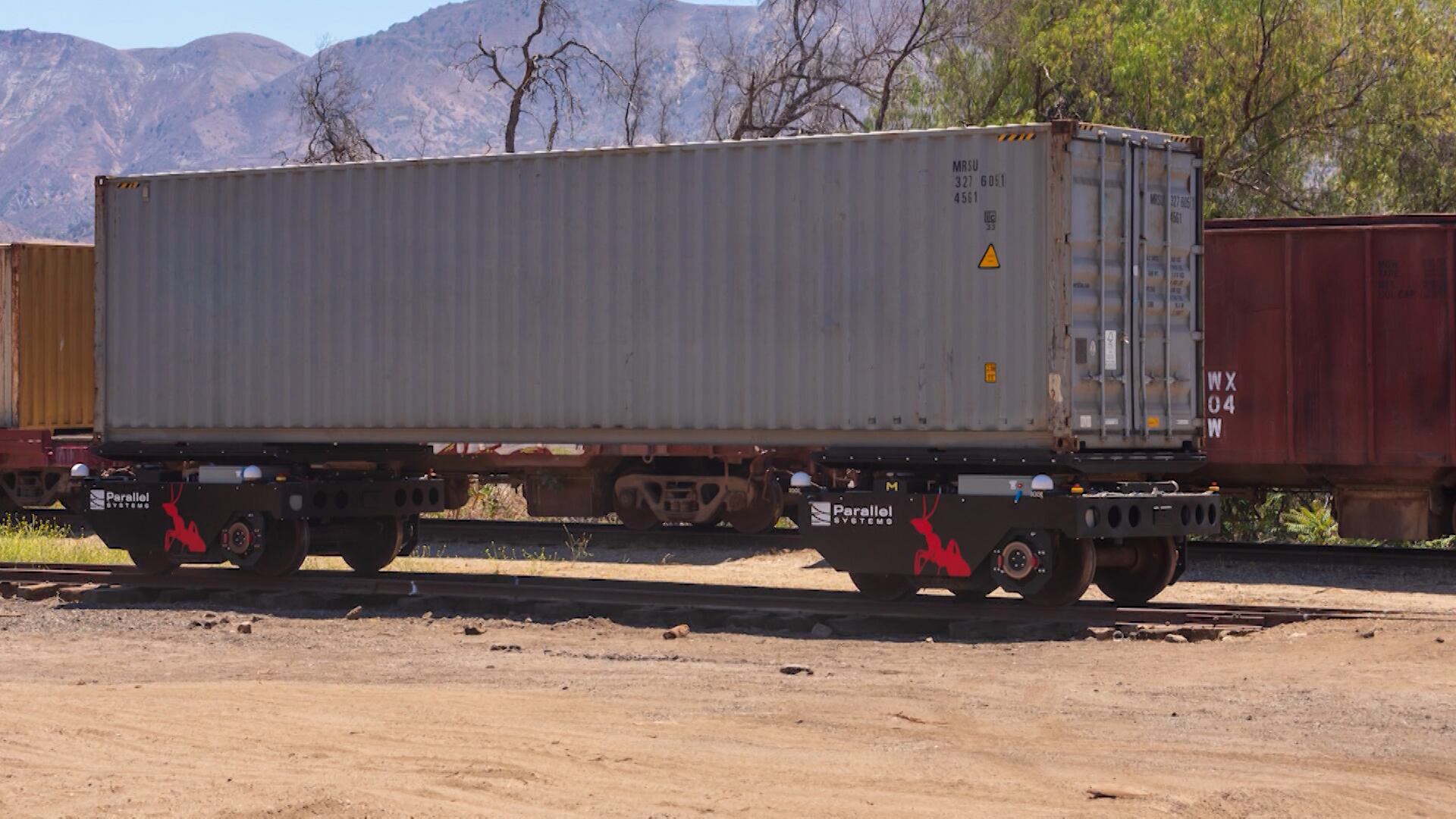
Parallel Systems has been selected to receive $4.5 million from the Department of Energy for an advanced testing program of its autonomous, battery-electric rail vehicles. The startup, which has raised more than $53 million to date, was founded by former SpaceX engineers to reimagine the rail system by creating a more efficient, decarbonized freight network. Matt Soule, Co-founder & CEO of Parallel Systems, joined Cheddar's Opening Bell to discuss what the company hopes to achieve.
A bipartisan bill introduced by U.S. Senators Amy Klobuchar (D-MN) and Cynthia Lummis (R-WY) aims to tackle the spread of misinformation on social media platforms, as well as the addictive nature of the sites and negative mental health impacts they have on users. The 'Nudge Act' would require studies to find and compile potential interventions that platforms could use to encourage people to think before they share a post, or log off after spending too much time on an app. The FTC would create rules based on these findings, and hold the platforms accountable. But will it work? Jesse Lehrich, co-founder of Accountable Tech, joins Closing Bell to discuss the bill, whether real results and regulations could come from it, and more.
A.I.-based entertainment company, Deedub, recently raised
$20 million in a Series A round, led by Insight Partners. Deepdub uses A.I. technology to automate the dubbing process for foreign-language movies or TV shows, while using actors' original voices. The company says it can take just two to three minutes of data from an actor's voice and transform the voice into a different language. The funding comes as foreign-language films and shows like Netflix's 'Squid Game' have recently become more popular with audiences in the U.S. and around the world. Oz Krakowski, Chief Revenue Officer at Deepdub, joins Cheddar News' Closing Bell to discuss.
Energy Vault, the company developing sustainable, grid-scale energy storage solutions, is now trading on the New York Stock Exchange following the completion of its business combination with Novus Capital Corporation II. Energy Vault develops sustainable, grid-scale energy storage solutions designed to advance the transition to a carbon free, resilient power grid. Robert Piconi, co-founder and CEO of Energy Vault, joins Cheddar News' Closing Bell to disucss.