Empty airport at sunset, 3D generated image, generic location. (Getty Images- gremlin)
A surge in COVID-19 infections overseas in places like China has prompted the U.S. Centers for Disease Control and Prevention to consider testing airplane wastewater for the virus.
The agency announced plans to begin inspecting airplane wastewater last month and now it is looking to clear a legal hurdle. Scientists have already found that testing wastewater for traces of the COVID-19 is a viable process and agreed that the method can act as a new defense weapon against the spread of the virus in the U.S.
An upgraded line of defense is needed as requiring international travelers to test negative for the virus before entering the country has been proven to not completely mitigate the spread of the virus. In December 2021, an airplane wastewater analysis of a flight from Ethiopia to France showed that despite passengers testing negative for COVID-19, the omicron variant was still present in waste.
Experts suggested that analyzing airplane wastewater can even help scientists determine how vaccines should be updated.
"If you do have a new variant that's coming and you have a wastewater sample, it's going to be more concentrated coming out of a smaller sewer shed or an airport," Sandra McLellan, professor of freshwater sciences at the University of Wisconsin-Milwaukee, told NBC. "If you just look in the municipal wastewater, you could miss it."
When it comes to a potential legal dispute in assessing airplane wastewater, some countries could consider airplanes their own territory and removing anything from them could be considered theft, according to Kata Farkas, research officer at Bangor University and contributor to a new airplane wastewater study.
Ellen Goodwin, Co-Founder and Chief Solutions Officer of Artifcts, joins ChedHER to discuss how she's creating a platform to preserve the history of your belongings, and her experience succeeding in male-dominated industries.
Google announced it will be updating its privacy restrictions that will limit tracking throughout apps on android devices. The update is similar to Apple's previous update, which ended up causing companies like Meta to lose billions of dollars on the market. Cheddar News was joined by David Trainer, CEO of New Constructs, to discuss the implications of the new privacy updates.
Global semiconductor sales topped $500 billion dollars for the first time in history in 2021. Demand for microchips has been at an all-time high amid a global shortage, but questions still remain about the future of semiconductor production. Cheddar News was joined by Tristan Gerra, Senior Research Analyst at Baird, to answer some of these questions and more.
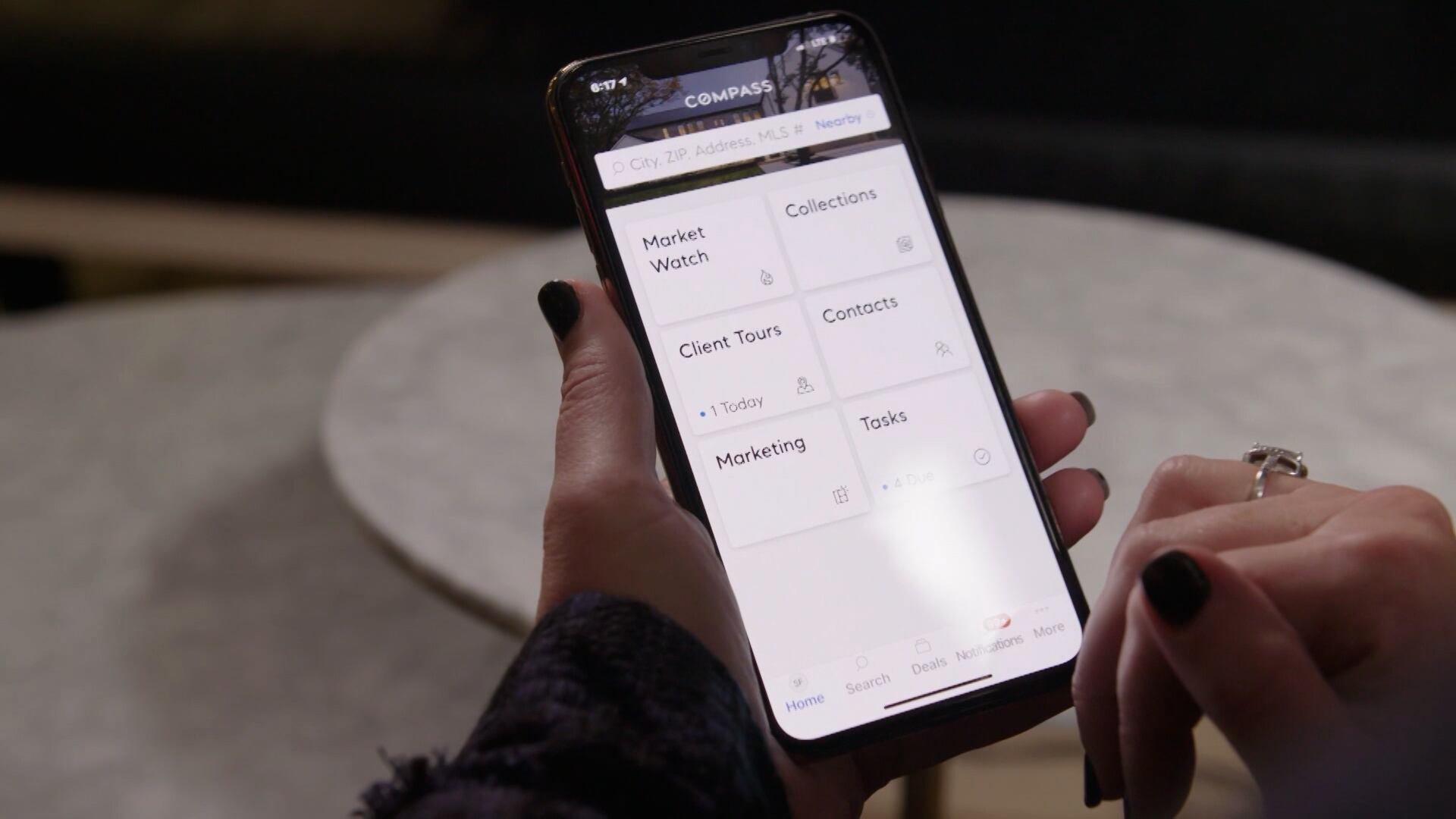
Compass Inc. reported its Q4 earnings on Wednesday, noting a 31 percent surge in quarterly revenue year over year. The real estate brokerage platform allows agents to promote and market their properties online and saw a 90 percent agent retention rate as well. Compass CEO Robert Reffkin joined Cheddar News to discuss the company's earnings, what ongoing inflation means for the housing market and how they help agents directly. "Let me start by saying my mom is actually a real estate agent, has been the majority of my life. She's a real estate agent today at Compass, and so I built Compass with her in mind," Reffkin said. The goal for an agent is to grow their business and have a better quality of life, more income to support their family, more time to be with their family, and it's not just software. It's a platform of software and services."
While many are excited to watch the final two NFL teams square-off and see which one ultimately takes home the trophy, some, on the other hand, are there for another mian attraction -- the commercials. Companies during this year's game are looking towards the future From electric vehicles, to robots, and crypto-currency, several first-time advertisers are expected to join long-time advertisers like Pepsi, Budweiser and Doritos during the NFL's biggest game. Tom Morton, Global Chief Strategy Officer at R/GA, joined Cheddar News' Big Game Special to discuss.
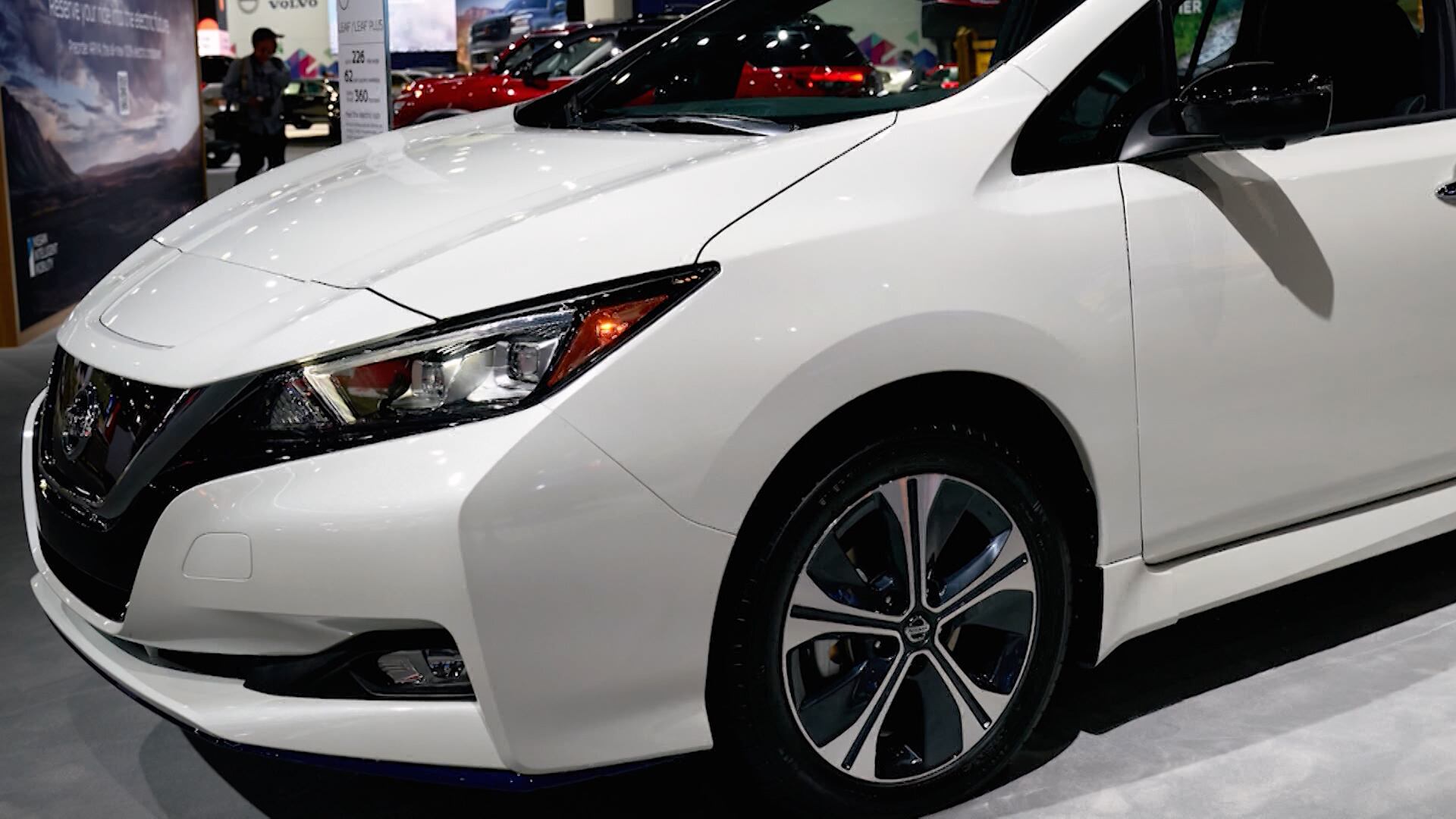
Nissan is revving up its commitment to electric vehicles. the Japanese automaker announcing plans to invest $500 million to transform its assembly plant in Mississippi to build two all-new EV models starting in 2025. It's all part of Nissan's goal to have 23 electrified models for the Nissan and Infiniti brands globally by 2030. Ashwani Gupta, Nissan's COO, joined Cheddar's Opening Bell to discuss this announcement and the company's EV goals moving forward.