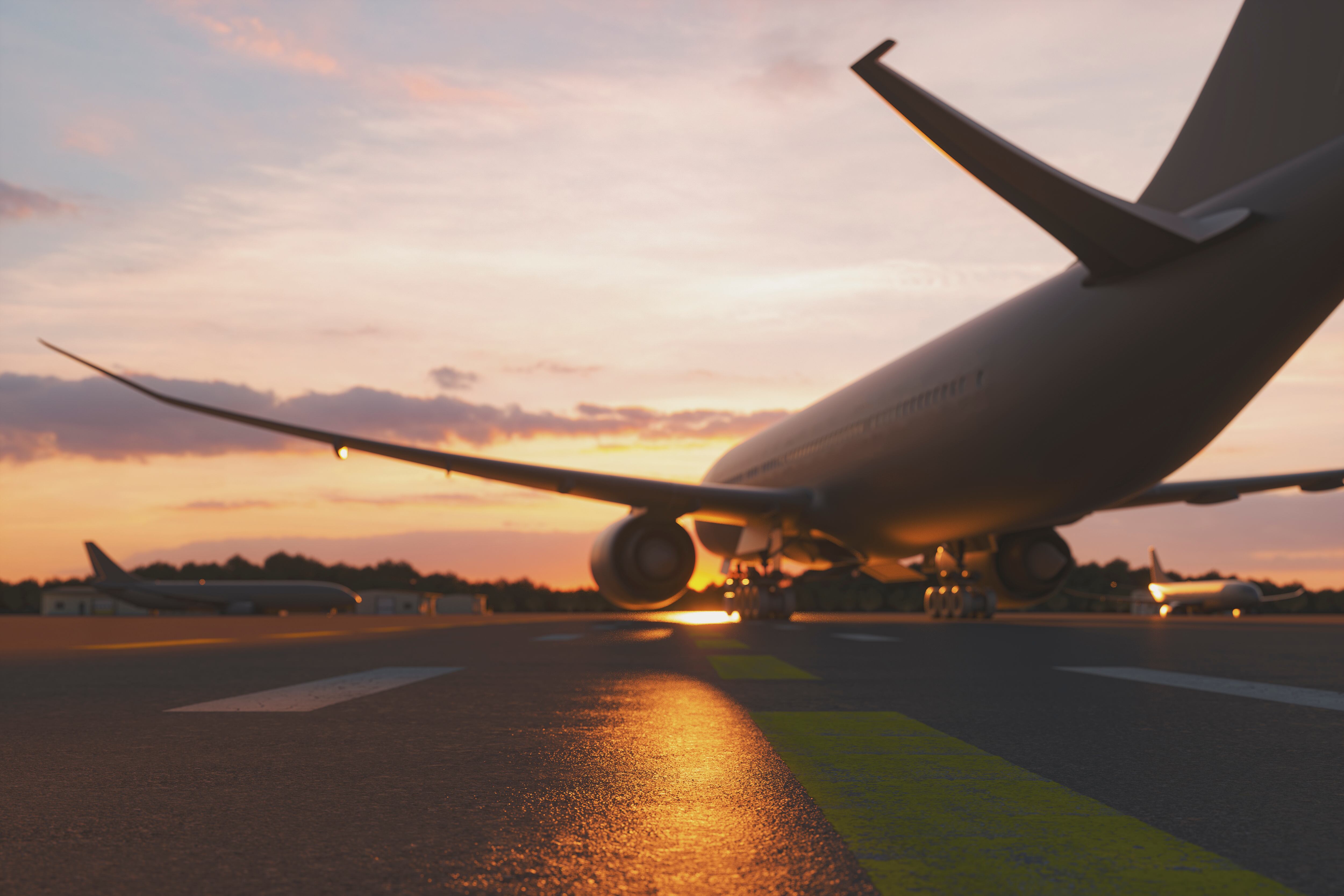
Empty airport at sunset, 3D generated image, generic location. (Getty Images- gremlin)
A surge in COVID-19 infections overseas in places like China has prompted the U.S. Centers for Disease Control and Prevention to consider testing airplane wastewater for the virus.
The agency announced plans to begin inspecting airplane wastewater last month and now it is looking to clear a legal hurdle. Scientists have already found that testing wastewater for traces of the COVID-19 is a viable process and agreed that the method can act as a new defense weapon against the spread of the virus in the U.S.
An upgraded line of defense is needed as requiring international travelers to test negative for the virus before entering the country has been proven to not completely mitigate the spread of the virus. In December 2021, an airplane wastewater analysis of a flight from Ethiopia to France showed that despite passengers testing negative for COVID-19, the omicron variant was still present in waste.
Experts suggested that analyzing airplane wastewater can even help scientists determine how vaccines should be updated.
"If you do have a new variant that's coming and you have a wastewater sample, it's going to be more concentrated coming out of a smaller sewer shed or an airport," Sandra McLellan, professor of freshwater sciences at the University of Wisconsin-Milwaukee, told NBC. "If you just look in the municipal wastewater, you could miss it."
When it comes to a potential legal dispute in assessing airplane wastewater, some countries could consider airplanes their own territory and removing anything from them could be considered theft, according to Kata Farkas, research officer at Bangor University and contributor to a new airplane wastewater study.
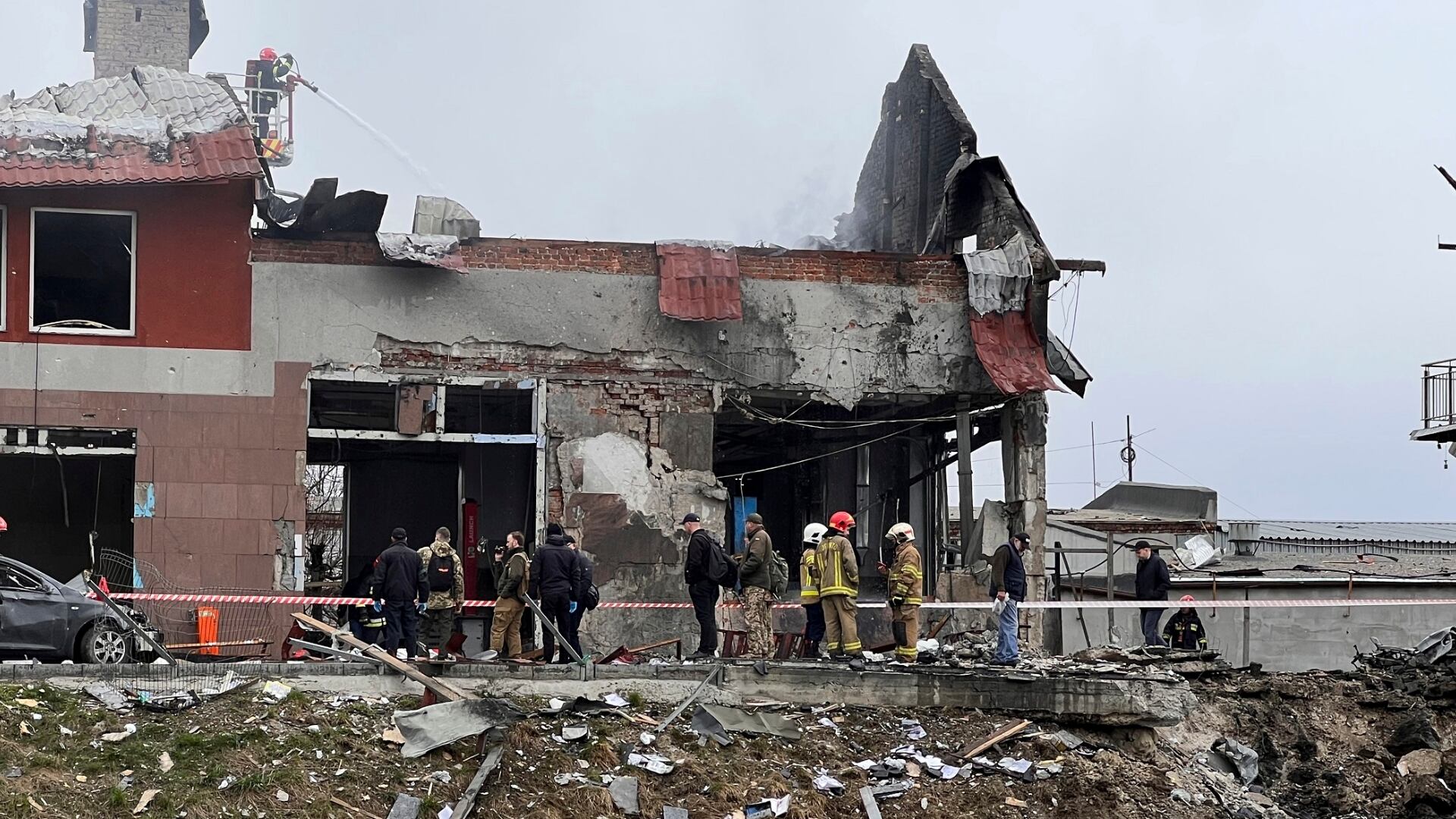
Catching you up on what you need to know on April 18, 2022, with Russian missile attacks on the Ukrainian city of Lviv killing seven, mass shootings in South Carolina and Pittsburgh, Lucky Charms cereal under official investigation by the FDA, and more.
Lisa Whalen, Automotive and Mobility Analyst at Morning Consult, joined Cheddar News' Closing Bell to break down the famed auto show's emphasis on electric vehicles this year, reflecting a shift toward electrification in the automotive industry.
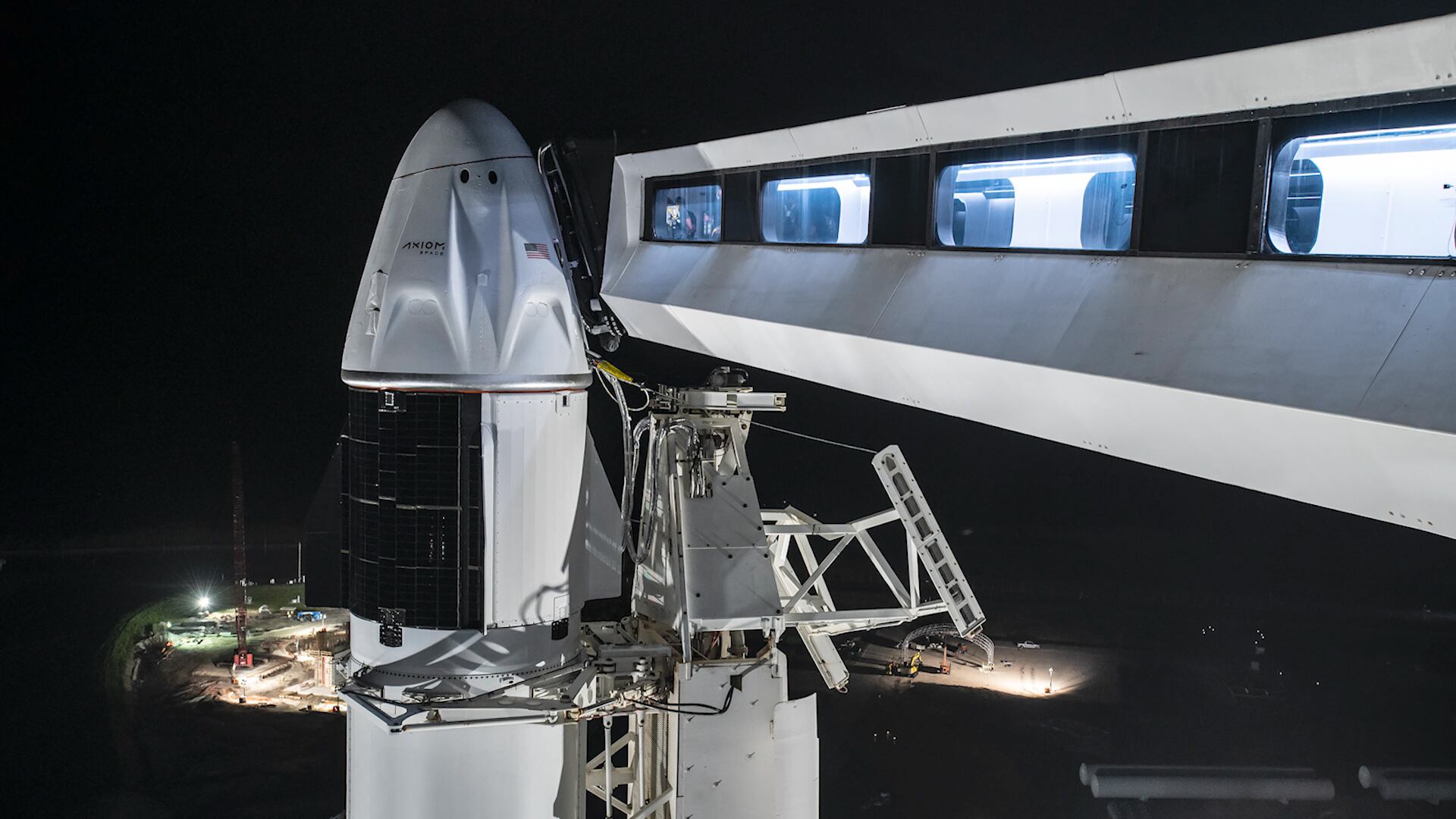
Peggy Whitson, Director of Human Space Flight, Axiom Space, joins Cheddar Innovates to discuss Axiom's involvement in the first fully-private mission to the ISS, and her experience spending 665 days in space.
On this episode of Cheddar Innovates, Peggy Whitson, Director of Human Space Flight, Axiom Space, breaks down Axiom's involvement in the first fully-private mission to the ISS, and her experience spending 665 days in space; William Li and Danielle Chang, co-founders of The Hao Life, discuss how they're shaking up the $71 billion supplement industry by putting a modern spin on traditional natural Chinese remedies; Cheddar gets a look at Curiosity Stream's 'Sagrada Familia: Gaudi's Challenge.'
On this episode of Cheddar Innovates: President of The Pillow Bar breaks down how everyone can benefit from a pillow customized to their unique way of sleeping; CEO of H2Pro explains how to bring environmentally friendly hydrogen to scale; Cheddar gets a look at Curiosity Stream's 'Suppressed Science.'
On this episode of Cheddar Innovates: Gardenuity CEO breaks down how gardening can improve your wellbeing; Augmedix CEO discusses how this technology is helping doctors fight burnout; Cheddar gets a look at Curiosity Stream's 'Suppressed Science.'
On this episode of Cheddar Innovates: Atom Limbs CEO breaks down how the Atom Touch prosthetic is different from other prosthetics on the market; CEO & Chief Scientific Officer of MyMD explains how the MYMD-1 is on track to be the first FDA-approved drug to treat aging and age-related diseases; A look at Curiosity Stream's 'The Future of Warfare.'