Empty airport at sunset, 3D generated image, generic location. (Getty Images- gremlin)
A surge in COVID-19 infections overseas in places like China has prompted the U.S. Centers for Disease Control and Prevention to consider testing airplane wastewater for the virus.
The agency announced plans to begin inspecting airplane wastewater last month and now it is looking to clear a legal hurdle. Scientists have already found that testing wastewater for traces of the COVID-19 is a viable process and agreed that the method can act as a new defense weapon against the spread of the virus in the U.S.
An upgraded line of defense is needed as requiring international travelers to test negative for the virus before entering the country has been proven to not completely mitigate the spread of the virus. In December 2021, an airplane wastewater analysis of a flight from Ethiopia to France showed that despite passengers testing negative for COVID-19, the omicron variant was still present in waste.
Experts suggested that analyzing airplane wastewater can even help scientists determine how vaccines should be updated.
"If you do have a new variant that's coming and you have a wastewater sample, it's going to be more concentrated coming out of a smaller sewer shed or an airport," Sandra McLellan, professor of freshwater sciences at the University of Wisconsin-Milwaukee, told NBC. "If you just look in the municipal wastewater, you could miss it."
When it comes to a potential legal dispute in assessing airplane wastewater, some countries could consider airplanes their own territory and removing anything from them could be considered theft, according to Kata Farkas, research officer at Bangor University and contributor to a new airplane wastewater study.
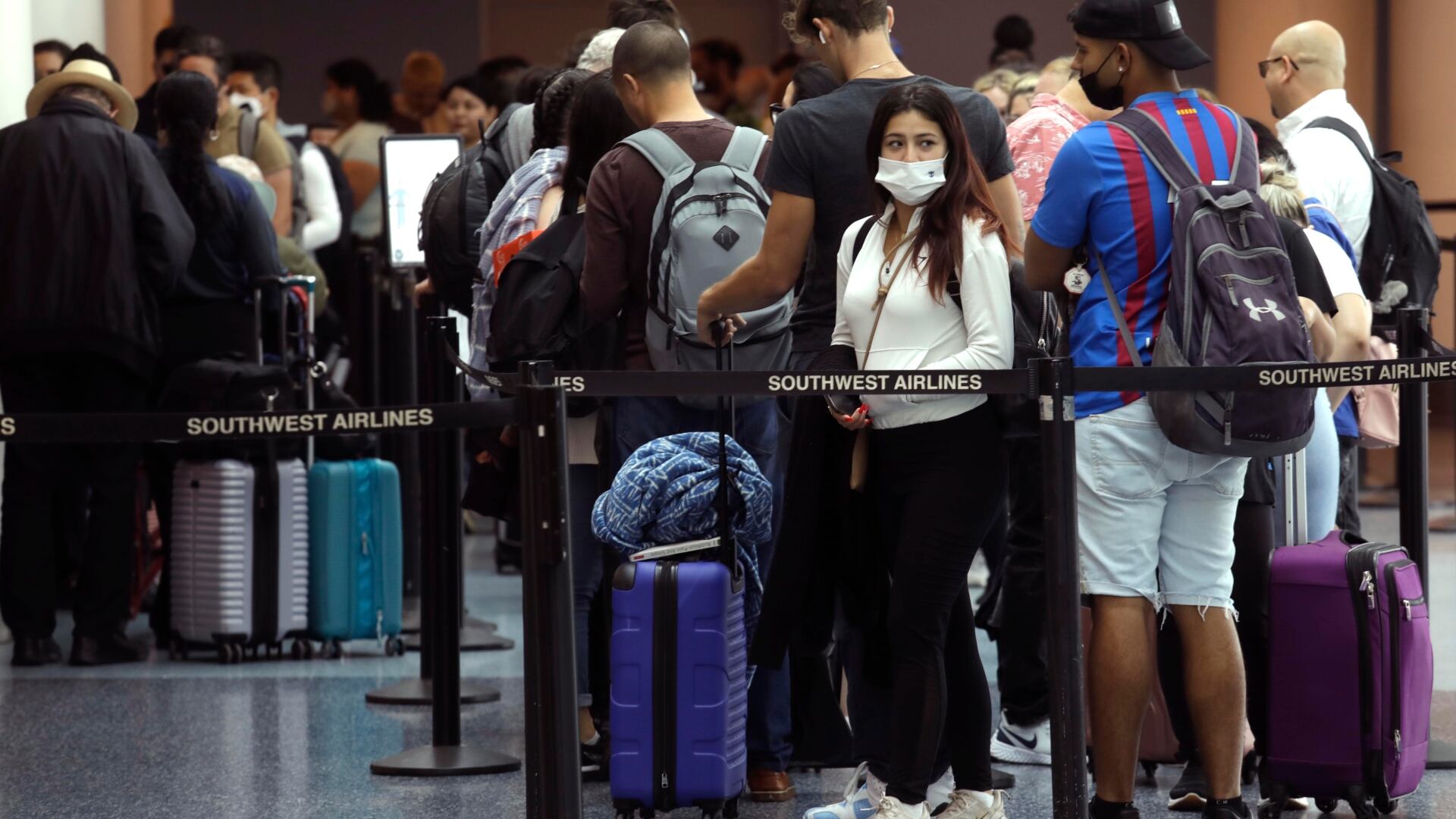
Memorial Day rang in the unofficial start of summer here in the United States -- and with it, the unofficial start of summer travel. Whether consumers traveled by air or by land, they probably experienced some form of frustration over the weekend. Flyers faced delays and cancellations, and drivers faced the most expensive gas prices ever recorded on Memorial Day. Zach Griff, Senior Aviation Reporter for the Points Guy, joins Cheddar News' Closing Bell to discuss.
Next-generation gaming ecosystem Joystick recently raised $8 million in a seed round and is in the process of raising a $110 million Series A funding round. Gaming ecosystems are a relatively new type of platform in the Web3 space, allowing users to maximize their play-to-earn gaming opportunities, exchange crypto-currencies, and sell their digital assets. Joystick says its platform is flipping the current model on its head by giving players the opportunity to keep 100% of the revenue they earn. Robin Defay, co-founder and CEO of Joystick, and Michael Le, co-founder of Joystick and TikTok content creator, join Cheddar News' Closing Bell to discuss.
The dating app Bumble has sponsored bills and pushed lawmakers to criminalize the online practice of sending unsolicited nudes or “cyberflashing." Payton Iheme, Bumble's head of public policy for the Americas, joined Cheddar News to discuss why the app was going after the harassing behavior beyond its own platform. "Now, while we went to work internally in the company, and we created something called private detector to automatically blur those images so the user can decide if they want to see them, there's nothing for the rest of the internet," she said. "And so that's why we went to work with these laws."
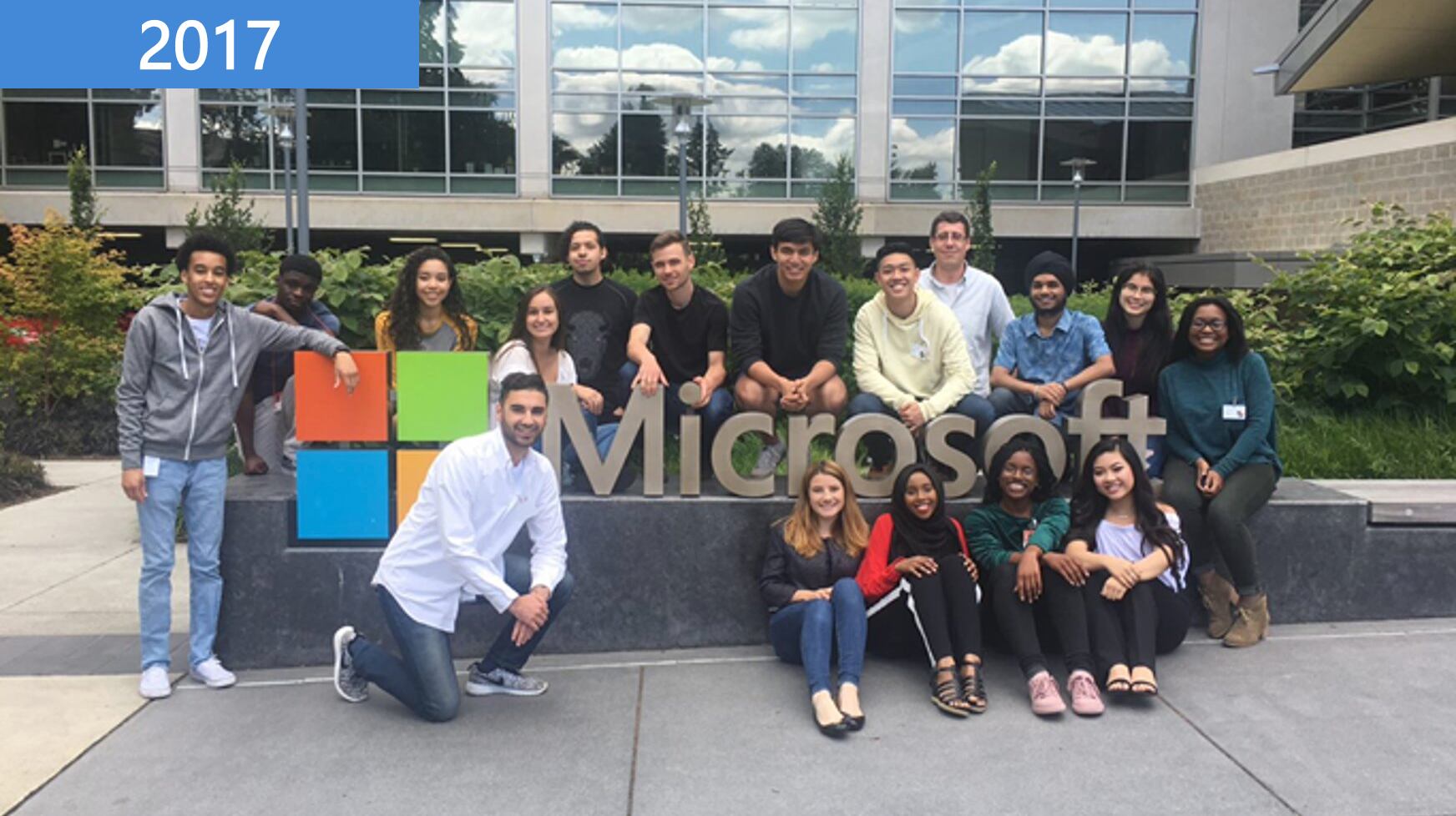
The founder and president of Cyborg Mobile Kobie Hatcher has been on a strong trajectory to disrupt his industry with a program called The New Technologists. It's not only meant to address the diversity gap within large tech companies but also help pave the way to transform the lives of young BIPOC students. He joined Cheddar News to talk about how he's working to make a difference with the lack of diversity in tech. “There's truly no lack of talent out there. It's just identifying them and letting them know that, hey, I've been in the tech sector for over 20 years. I see you. I know what you can bring, bring it, we need it," Hatcher said.