In this Oct. 27, 2020, file photo, a young passenger pulls his bag as he walks through Salt Lake City International Airport, in Salt Lake City. (AP Photo/Rick Bowmer, File)
By Mike Stobbe and Heather Hollingsworth
With the coronavirus surging out of control, the nation’s top public health agency pleaded with Americans on Thursday not to travel for Thanksgiving and not to spend the holiday with people from outside their household.
It was some of the firmest guidance yet from the government on curtailing traditional gatherings to fight the outbreak.
The Centers for Disease Control and Prevention issued the recommendations just one week before Thanksgiving, at a time when diagnosed infections, hospitalizations and deaths are skyrocketing across the country. In many areas, the health care system is being squeezed by a combination of sick patients filling up beds and medical workers falling ill themselves.
The CDC’s Dr. Erin Sauber-Schatz cited more than 1 million new cases in the U.S. over the past week as the reason for the new guidance
“The safest way to celebrate Thanksgiving this year is at home with the people in your household,” she said.
If families do decide to include returning college students, military members or others for turkey and stuffing, the CDC is recommending that the hosts take added precautions: Gatherings should be outdoors if possible, with people keeping 6 feet apart and wearing masks and just one person serving the food.
Where Americans heed the warning is another matter. The deadly comeback by the virus has been blamed in part on pandemic fatigue, or people getting tired of masks and other precautions. And surges were seen last summer after Memorial Day and July, despite blunt warnings from health authorities.
The United States has seen more than 11 million diagnosed infections and over 250,000 deaths from the coronavirus. CDC scientists believe that somewhere around 40% of people who are infected do not have obvious symptoms but can still spread the virus.
Developers for the video game "Call of Duty: Warzone" staged a walkout in protest of 12 quality assurance testers being laid off by parent company Activision Blizzard. This marks the latest work stoppage for the embattled game publishing giant.
The most recent school shooting in Michigan is highlighting the tragic fact that U.S. shootings on campuses are ticking up. The aftermath of these incidents leaves students, faculty, and families suffering intense trauma with lasting effects. Darby Fox, an adolescent family therapist, joins Cheddar News to discuss how school shootings impact the mental health of students and their families.
With so many high-profile court cases taking over the media, from the trial over the murder of Ahmaud Arbery to the trial of Kyle Rittenhouse to the ongoing Elizabeth Holmes trial, Cheddar took a look at these cases and why there is such a big interest in them. Rachel Fiset, a white collar criminal defense lawyer and partner with Zeiback, Fiset, and Coleman, and Bryan Hance, attorney-at-law, professor, and academic program director of the pre-law and paralegal studies program at National University, joined Cheddar for a roundtable discussion on why there is so much public interest in so-called courtroom drama.
2022 is just around the corner and one of the world's most famous trendspotters says that there is a wide-ranging mix of trends coming up in the new year that could impact businesses, culture, and our society at large.
Trendspotter and cultural zeitgeist analyst Marian Salzman, joined Cheddar to discuss more.
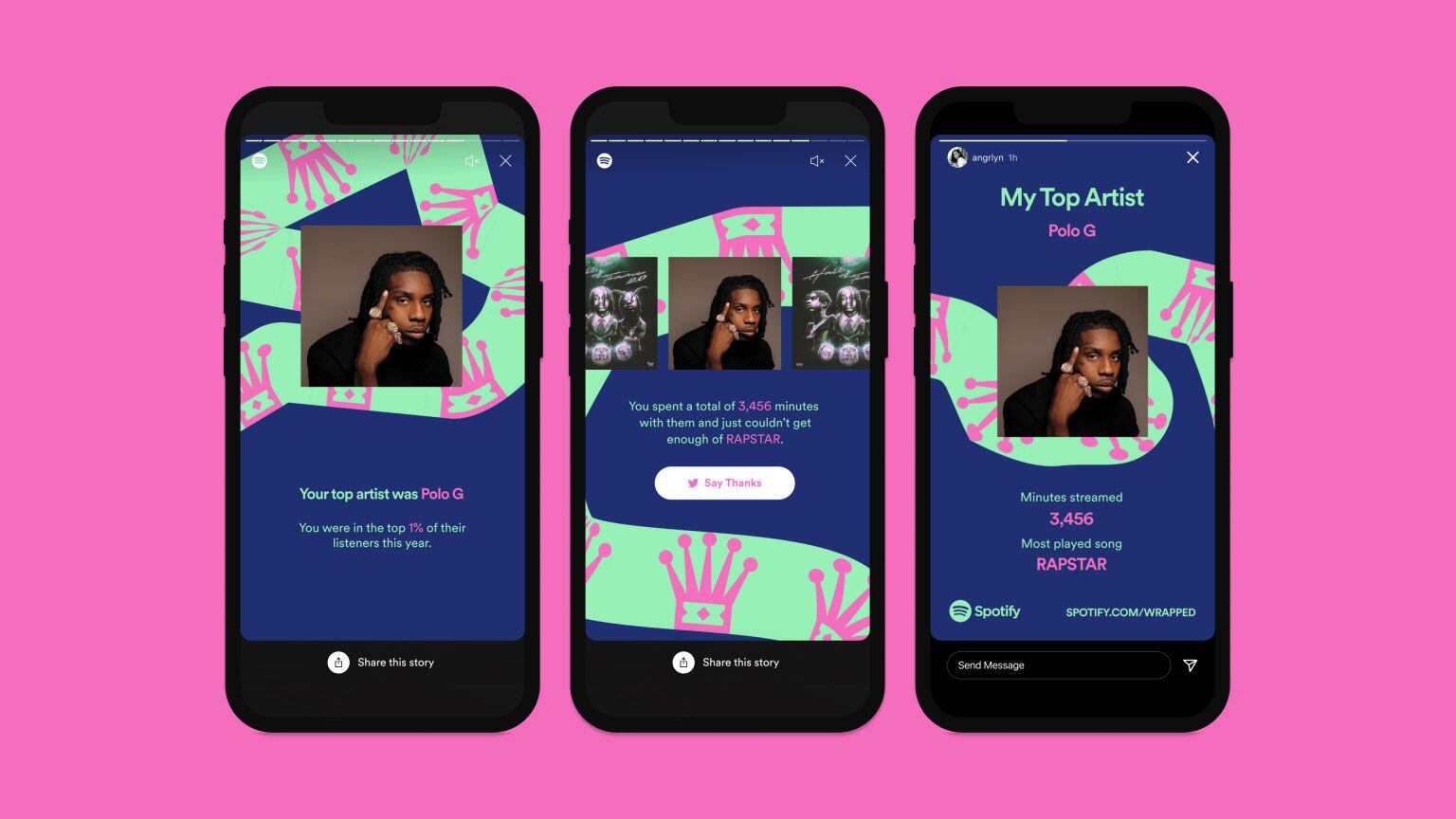
Spotify has just officially released its 2021 'Wrapped'. For the past few years, the streaming giant has been presenting customers with their listening habits from the prior year, including favorite artists, most listened to the genre, podcasts, songs you name it. However, critics say this method just shows how apps can collect our data. CEO of Prevailion Karim Hijazi, joined Cheddar to discuss more.
Recent internal documents obtained by the New York Times reveal how exactly TikTok's algorithm works. The report highlights how the app is mainly focused on retaining two metrics which are retention and time spent. In addition, the document titled, "TikTok Algo 101" details how the algorithm understands human nature from when we get bored to our sensitivity and culture ques. It means the app monitors will kind of videos you like. Professor of Computer Science at the University of California in San Diego Julian McCauley, joined Cheddar to discuss more.
According to a recent study by a group of international researchers, artificial intelligence can predict new illegal drugs before they hit the streets. This method could help save lives and fight crime. Professor of Computing Science at the University of Alberta, joined Cheddar to discuss more.
Carlo and Baker discuss the sweeping new vaccine mandate in NYC that will target all private businesses. Plus, Trump's media venture gets its CEO and more.