Catt Sadler on Becoming a Symbol of the Equal Pay Movement
Catt Sadler’s resignation from E! News last year took the entertainment world by storm. And the journalist wants to make one thing clear.
“It was not quitting,” Sadler told Cheddar’s Baker Machado in an interview Monday. “I was holding up my end of the bargain, and they were not, so my hand was forced.”
Her departure, driven by a “massive pay disparity” between her and her co-anchor Jason Kennedy, came right at the moment the #MeToo and #TimesUp movements were culminating in nationwide rallying cries.
Celebrities from Jennifer Lawrence to Eva Longoria all threw their support behind Sadler, something that, at first, took the host by surprise.
“That just reaffirmed that this is a real issue,” she said. “It isn’t just my story, it isn’t one story. It’s so many women’s story. So my name, my story is just kind of a symbol of what’s really going on.”
Today, Sadler is turning her own fight for pay parity into a learning experience for women everywhere.
As of 2017, white women earned 80 percent of what men earned. Those numbers are worse for black and Latina women, who earn 63 and 54 percent of what men do respectively.
The key to closing that gap, according to Sadler, is having more open conversations about the issue and equipping women with the tools to navigate things like wage negotiation.
“It’s baby steps,” she said. “But...the collective voices, I think, are actually contributing to a real shift.”
This year, Equal Pay Day, measured by how many more days women have to work in order to earn the same as men, falls on April 10th.
For the full interview, [click here](https://cheddar.com/videos/catt-sadler-is-on-a-mission-for-pay-equality).
Catching you up on today's entertainment headlines with the Tribeca Film Festival has kicked off in NYC, "Black Adam," starring Dwayne "The Rock" Johnson dropped its first full trailer, the musical "Come From Away" based on a true story set during 9/11 will be closing on Broadway this October, and more.
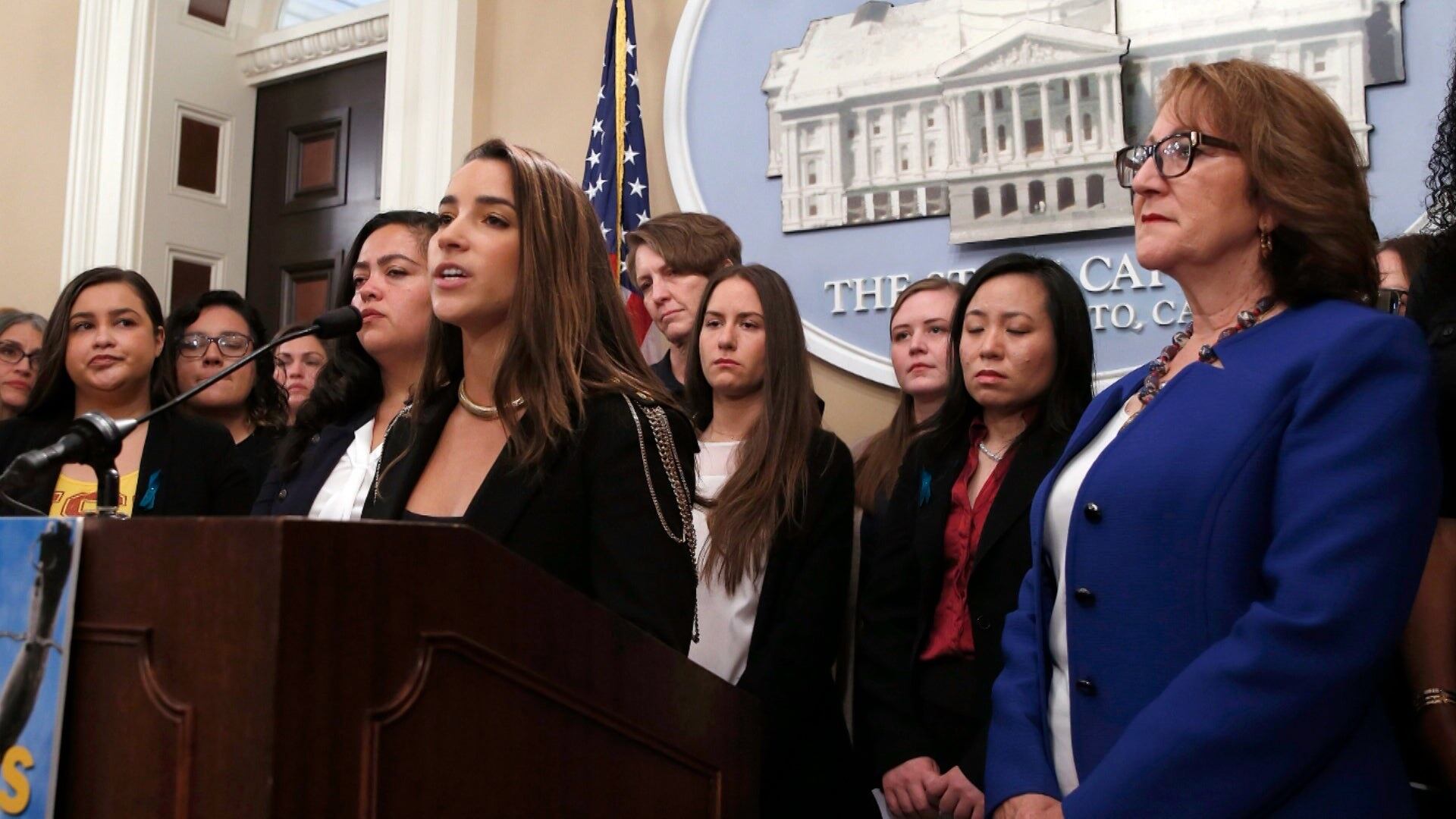
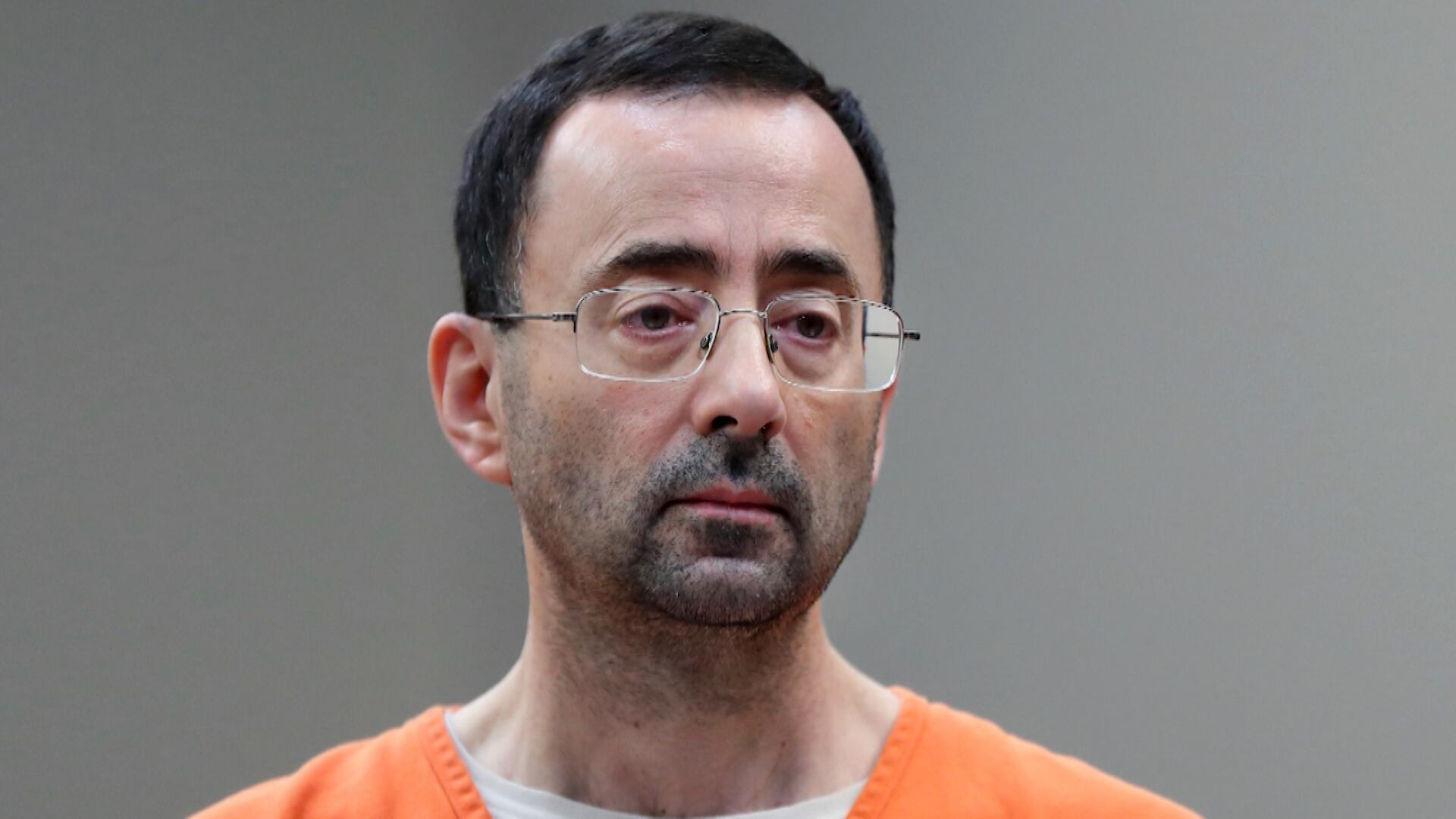
Survivors of Larry Nassar, including Olympian Simone Biles, are seeking $1 billion in damages from the FBI due to its failure to investigate the former gymnastics team doctor convicted of committing years of serial sexual abuse of minors. Jack Queen, a senior reporter at Law360, joined Cheddar News to break down the legal grounds of this case. "This is one of the biggest black eyes that the Bureau has faced in generations, quite frankly, and the FBI has taken full responsibility and admitted that it completely botched this investigation," he said. "So, there's a lot of pressure to settle."
The Elevate Prize Foundation is donating $10,000 to different grassroots organizations based on a theme every month to help scale their work, focusing on a different theme each time. Upcoming prizes will help uplift an organization supporting the LGBTQ community and one mobilizing to help end gun violence. The foundation's CEO Carolina Garcia Jayaram joined Cheddar to discuss the initiative and why it's important to uplift these grassroots organizations. "We are identifying social entrepreneurs around the world to help them scale their work. but the ultimate purpose of that is to create the first-ever fanbase for good," she said. "We're trying to make good famous and by inspiring people to think about the role they can play in doing good in the world."
With real estate being a largely male-dominated industry, Stephanie Shojaee, vice president and chief marketing officer at development company Shoma Group, joined Cheddar News to discuss how she took on the gender gap for women to achieve leadership roles, starting at her own company. “It's been very important to teach all the women that work here, especially the younger ones, that they shouldn't change themselves," she said. "You need to be happy with who you are and just keep breaking barriers."
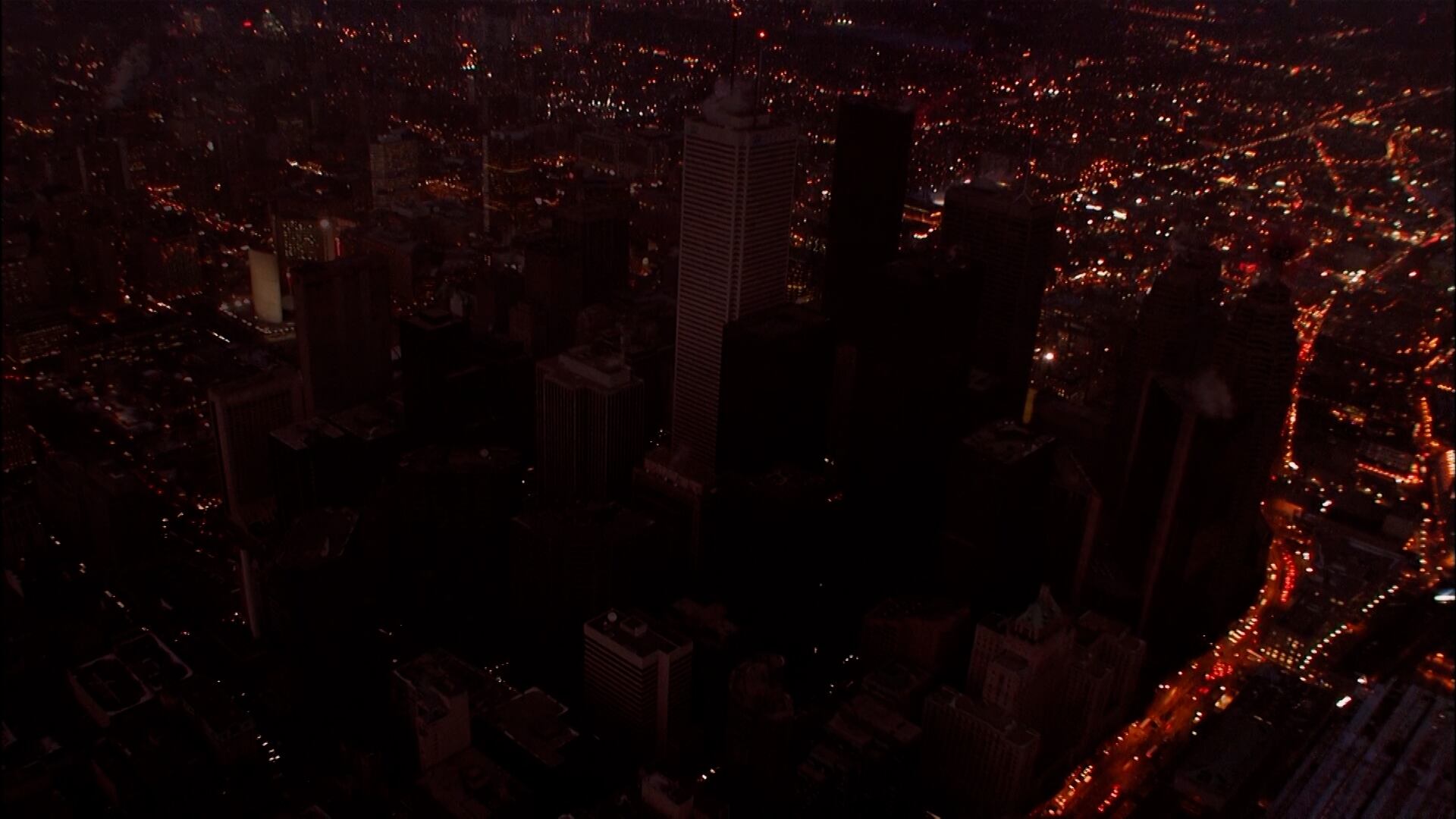
We are already starting to feel the effects of summer. Heat waves in Texas and California are already sending temperatures soaring. That could spell trouble for the nation's power supply. there are new concerns about outages in many areas of the country. Cheddar's Shannon Lanier explains the two main causes of blackouts, and what states are doing to keep the lights on and the air conditioning running.
If you have been on the road this past year, you've probably seen more accidents on the road than you ever have. You're not wrong. Traffic fatalities are not only increasing they are hitting historic highs. Almost 43,000 people died in motor vehicle accidents in 2021. Cheddar's Shannon Lanier investigates - and finds out why.
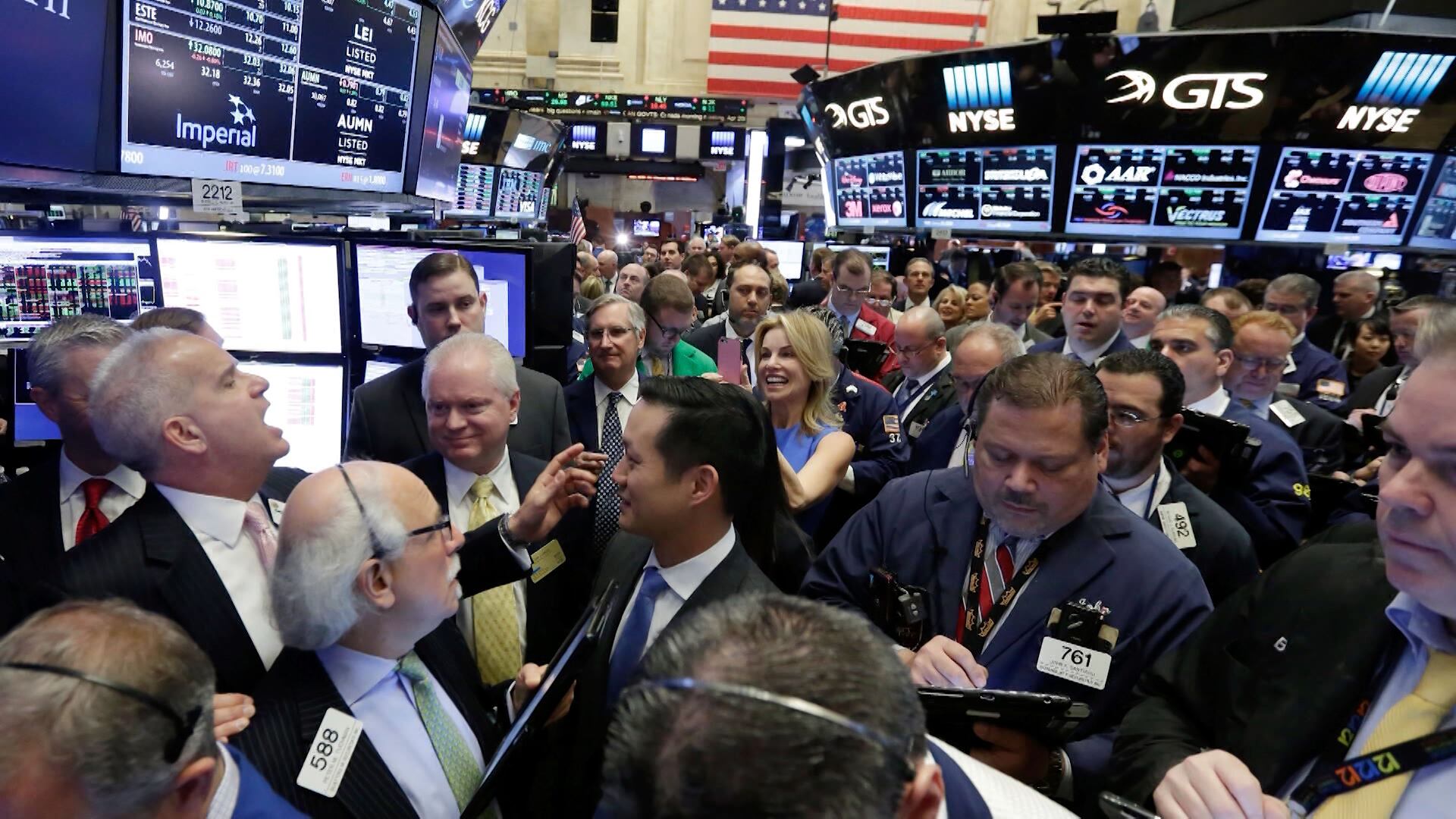
U.S. stocks close Tuesday at session highs after a subpar start to the trading day. Tim Chubb, Chief Investment Officer at the wealth advisory firm, Girard, joins Cheddar News' Closing Bell to discuss. 'We're starting to see the moderation of three core things -- we've seen the moderation of prices, we've seen the moderation of wage growth we've seen in the labor market, and we've also seen a moderation of job openings,' he says.
The victims from the USA gymnastics sexual abuse scandal continue to seek justice. Survivors of Larry Nassar are seeking more than one-billion dollars from the FBI for failing to stop the convicted sports doctor when the agency first received allegations. According to a report released by the Justice Department's Inspector General, FBI agents knew
in July of 2015 that Nassar was accused of abusing gymnasts; however, Nassar wasn't arrested until December of 2016. The group that filed the claim includes Olympic medalist Simone Biles and around 90 other women. Louise Radnofsky, sports reporter at The Wall Street Journal, joins Cheddar News' Closing Bell to discuss.
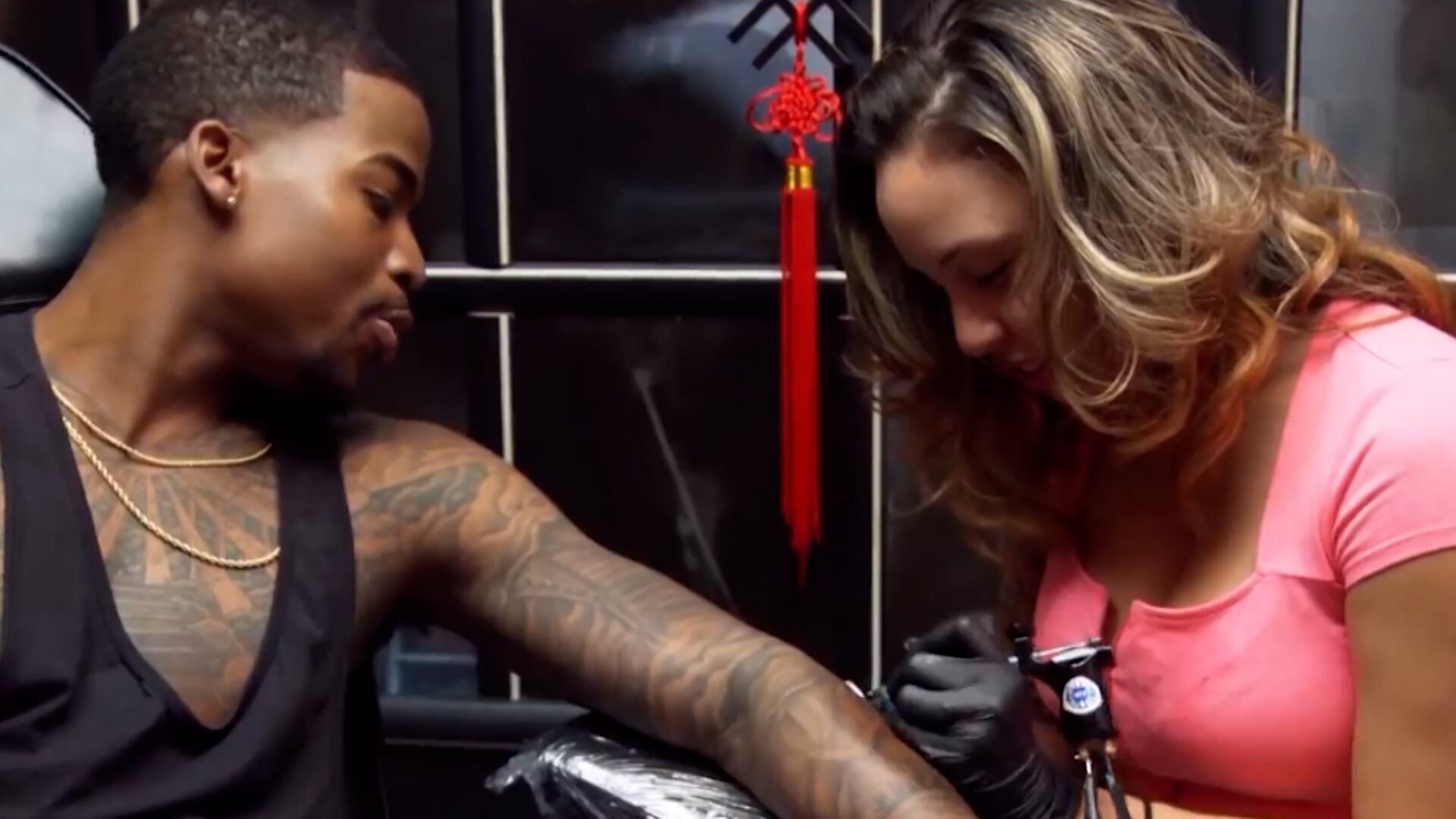
Tattoo artist Katrina "Kat Tat" Jackson, famous for starring in the VH1 hit series "Black Ink Crew: Chicago," is also the first Black woman to own a tattoo shop in Beverly Hills. She joined Cheddar News to discuss her trailblazing work, the stigma BIPOC tattoo artists face in the industry, and the way the space has changed for artists of color since her start. "In the beginning, I remember walking into a tattoo shop just like, hey, I wanna learn, I wanna be a tattoo artist and kind of just being laughed at, not taken seriously," she said. "Even with the tattoo conventions, a lot of African American tattoo artists were almost scared to go to conventions because it's not a welcoming environment."