The field of Democratic presidential hopefuls grew a little smaller today as former Housing Secretary Julián Castro announced he is dropping out of the race.
Election Day may still be 311 days away, but campaign season started more than two years ago when former Rep. John Delaney announced his bid for the presidency. Shortly after, 29 Democrats joined Delaney, a field that has slowly whittled itself down to the 14 candidates.
Castro never broke into the rank of top contenders but left a mark on the race with his progressive politics and efforts to move the conversations forward on border control and immigration. Castro, who was the only Latino candidate in the race, now joins a different growing field: the dropouts. The field began as the most racially diverse in Democratic history, but the departures of Castro and Senator Kamala Harris leave the competition looking more similar to past presidential races.
Castro, the 45-year-old former San Antonio mayor, who spent a year in the race, is almost 10 years older than another mayor vying for young voters. Well, another former mayor. On January 1, Pete Buttigieg’s second term as South Bend, Indiana Mayor came to an end. In December 2018, he had announced he would not seek a third term, weeks before he started an exploratory committee for a presidential run.
Buttigieg became the youngest mayor of a city with a population of more than 100,000 when he was just 29, but on the trail, he has come under fire for a lack of experience. In last month’s Democratic debate, the sixth of its kind, Senator Amy Klobuchar, one of only four remaining women in the race, challenged former-Mayor Pete for his lack of national governance experience and contended a woman who was a mayor of a small city would not have been taken as seriously.
The candidate from Indiana has also faced criticism in the national spotlight for his handling of policing issues in South Bend. Most recently, he struggled with the fallout after a fatal police shooting of a 54-year-old black man in September. He has been confronted by voters about police violence and shrinking diversity on the that city's police force.
While politicians continue to knock Buttigieg’s experience, his fundraising numbers may tell a more promising story. His team announced it had raised $24.7 million in the fourth quarter of 2019, which was the second-highest total announced by Democratic contenders so far.
President Donald Trump, whose New Year’s celebrations may have been tempered by an incoming year that is expected to include an impeachment trial and another election, announced he had raised $46 million last quarter.
Buttigieg is polling in fourth place, behind Biden, Senator Bernie Sanders, and Senator Elizbeth Warren, according to the RealClearPolitics national poll average.
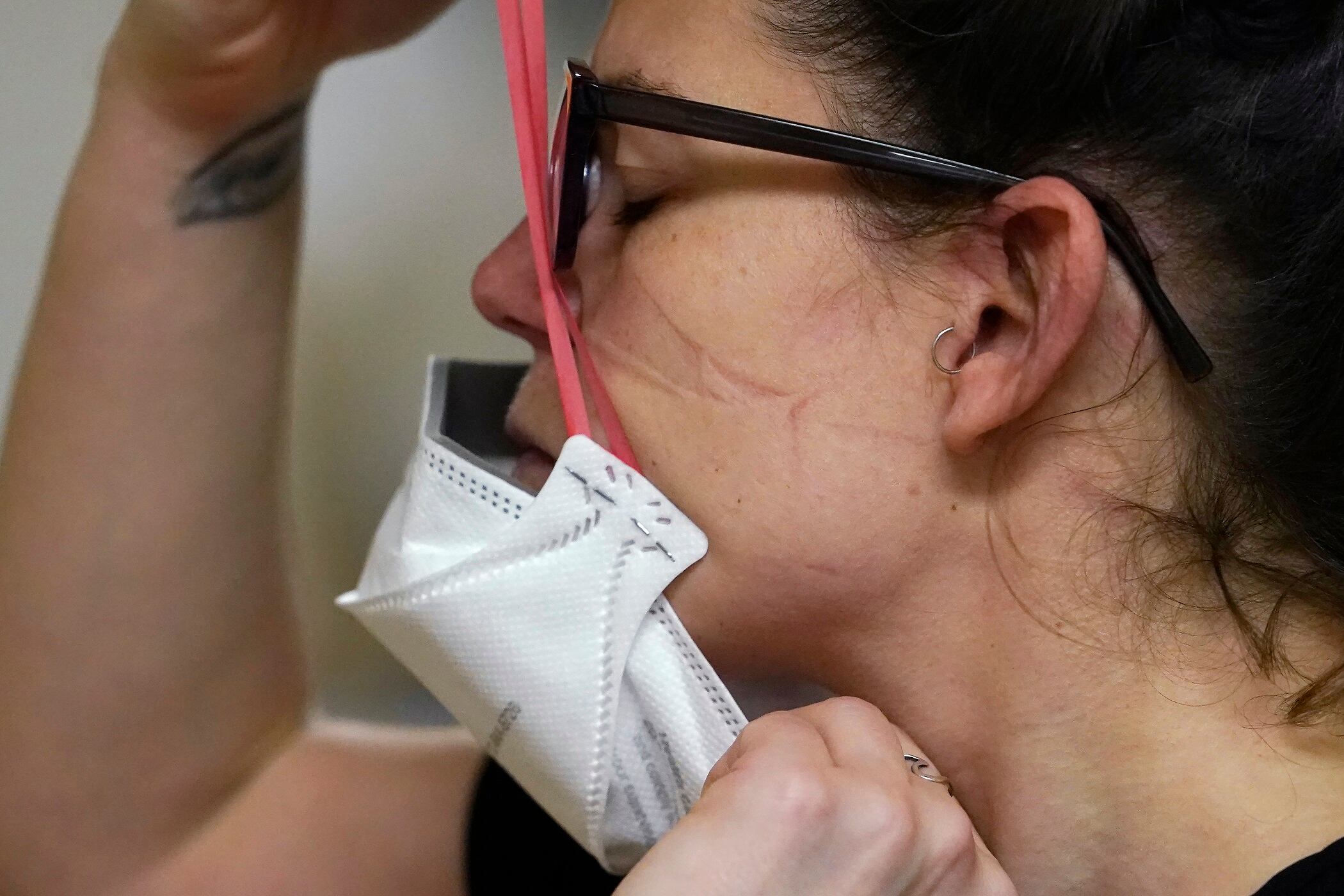
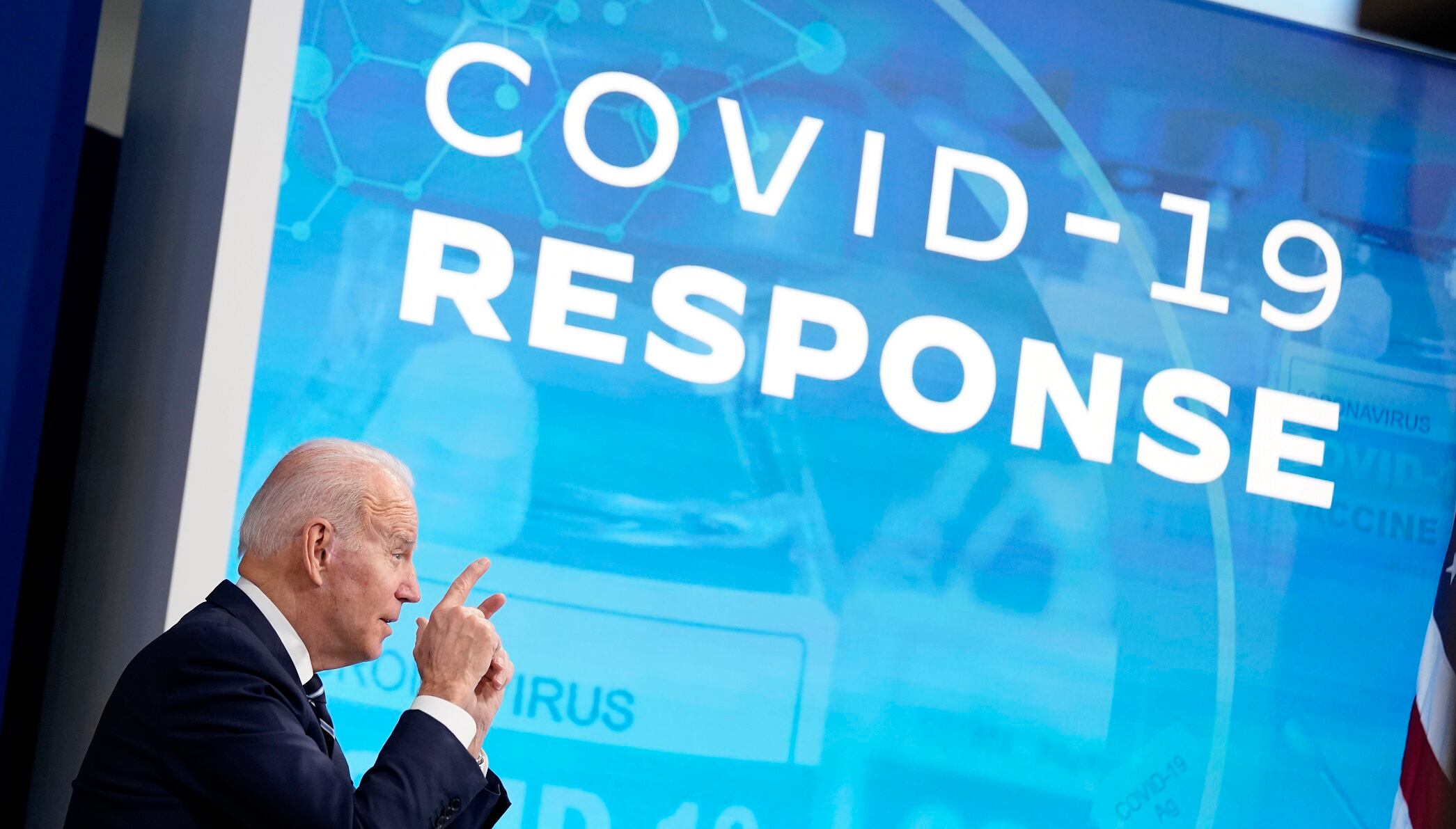
The Biden administration on Tuesday quietly launched its website for Americans to request free at-home COVID-19 tests, a day before the site was scheduled to officially launch.
Just 27% of voters aged 18-29 approve of the job Biden is doing as president, according to a survey from The Economist and YouGov late last year. Santiago Mayer, executive director of Voters of Tomorrow, joins Cheddar Politics to discuss why President Biden is losing support among young voters.
Jesse Lehrich, co-founder of Accountable Tech, joins Cheddar News to discuss it being one year since Trump was exiled from social media and the former President's new platform 'Truth Social.'
Cliff Albright, co-founder of the group Black Voters Matter, joins Cheddar Politics to discuss why he boycotted President Biden's voting rights speech this week, and the push from Senate Democrats to debate and vote on the Freedom to Vote Act and the John Lewis Voting Rights Advancement Act.
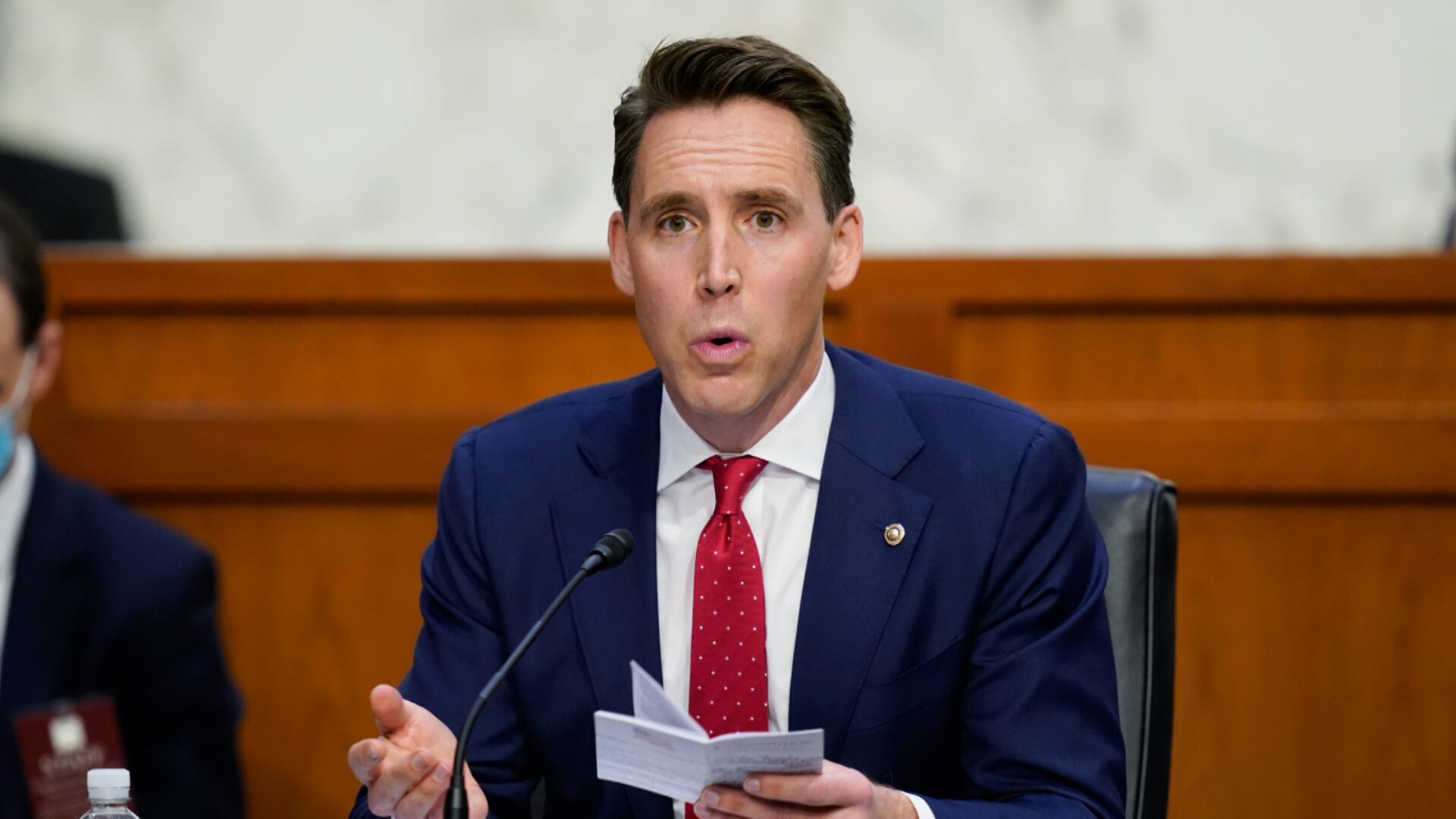
Senator Jon Ossoff (D-Ga.) has teamed up with fellow Democratic senator and former astronaut Mark Kelly to introduce the Ban Congressional Stock Trading Act, a bill to essentially end stock trading by sitting lawmakers. From the other side of the aisle, Senator Josh Hawley (R-Mo.) introduced his own legislation to enact something similar. The dueling bills come at a time when it's popular to constrain members of Congress from owning and trading stocks. Karl Evers-Hillstrom, a business and lobbying reporter at The Hill, spoke to Cheddar about the significance of the bills, and what they could mean for lawmakers, their families, and staffers moving forward.
A second Starbucks location in the U.S. has officially voted to unionize. On Monday, the National Labor Relations Board announced workers at the Starbucks store located in the Buffalo, NY suburb of Cheektowaga voted 15-9 in favor of being represented by Workers United, an affiliate of the Service Employees International Union. The New York Times reports votes were tallied in December but remained inconclusive as the union challenged the ballots of several employees it said did not work at the store. A Starbucks spokesperson has said that it may appeal the labor board's decision, which comes as several other Starbucks stores across the country are also pushing to form a union. Danka Dragic, shift supervisor for the second Starbucks store in the country to unionize, joined Cheddar News' Closing Bell to discuss.