The field of Democratic presidential hopefuls grew a little smaller today as former Housing Secretary Julián Castro announced he is dropping out of the race.
Election Day may still be 311 days away, but campaign season started more than two years ago when former Rep. John Delaney announced his bid for the presidency. Shortly after, 29 Democrats joined Delaney, a field that has slowly whittled itself down to the 14 candidates.
Castro never broke into the rank of top contenders but left a mark on the race with his progressive politics and efforts to move the conversations forward on border control and immigration. Castro, who was the only Latino candidate in the race, now joins a different growing field: the dropouts. The field began as the most racially diverse in Democratic history, but the departures of Castro and Senator Kamala Harris leave the competition looking more similar to past presidential races.
Castro, the 45-year-old former San Antonio mayor, who spent a year in the race, is almost 10 years older than another mayor vying for young voters. Well, another former mayor. On January 1, Pete Buttigieg’s second term as South Bend, Indiana Mayor came to an end. In December 2018, he had announced he would not seek a third term, weeks before he started an exploratory committee for a presidential run.
Buttigieg became the youngest mayor of a city with a population of more than 100,000 when he was just 29, but on the trail, he has come under fire for a lack of experience. In last month’s Democratic debate, the sixth of its kind, Senator Amy Klobuchar, one of only four remaining women in the race, challenged former-Mayor Pete for his lack of national governance experience and contended a woman who was a mayor of a small city would not have been taken as seriously.
The candidate from Indiana has also faced criticism in the national spotlight for his handling of policing issues in South Bend. Most recently, he struggled with the fallout after a fatal police shooting of a 54-year-old black man in September. He has been confronted by voters about police violence and shrinking diversity on the that city's police force.
While politicians continue to knock Buttigieg’s experience, his fundraising numbers may tell a more promising story. His team announced it had raised $24.7 million in the fourth quarter of 2019, which was the second-highest total announced by Democratic contenders so far.
President Donald Trump, whose New Year’s celebrations may have been tempered by an incoming year that is expected to include an impeachment trial and another election, announced he had raised $46 million last quarter.
Buttigieg is polling in fourth place, behind Biden, Senator Bernie Sanders, and Senator Elizbeth Warren, according to the RealClearPolitics national poll average.
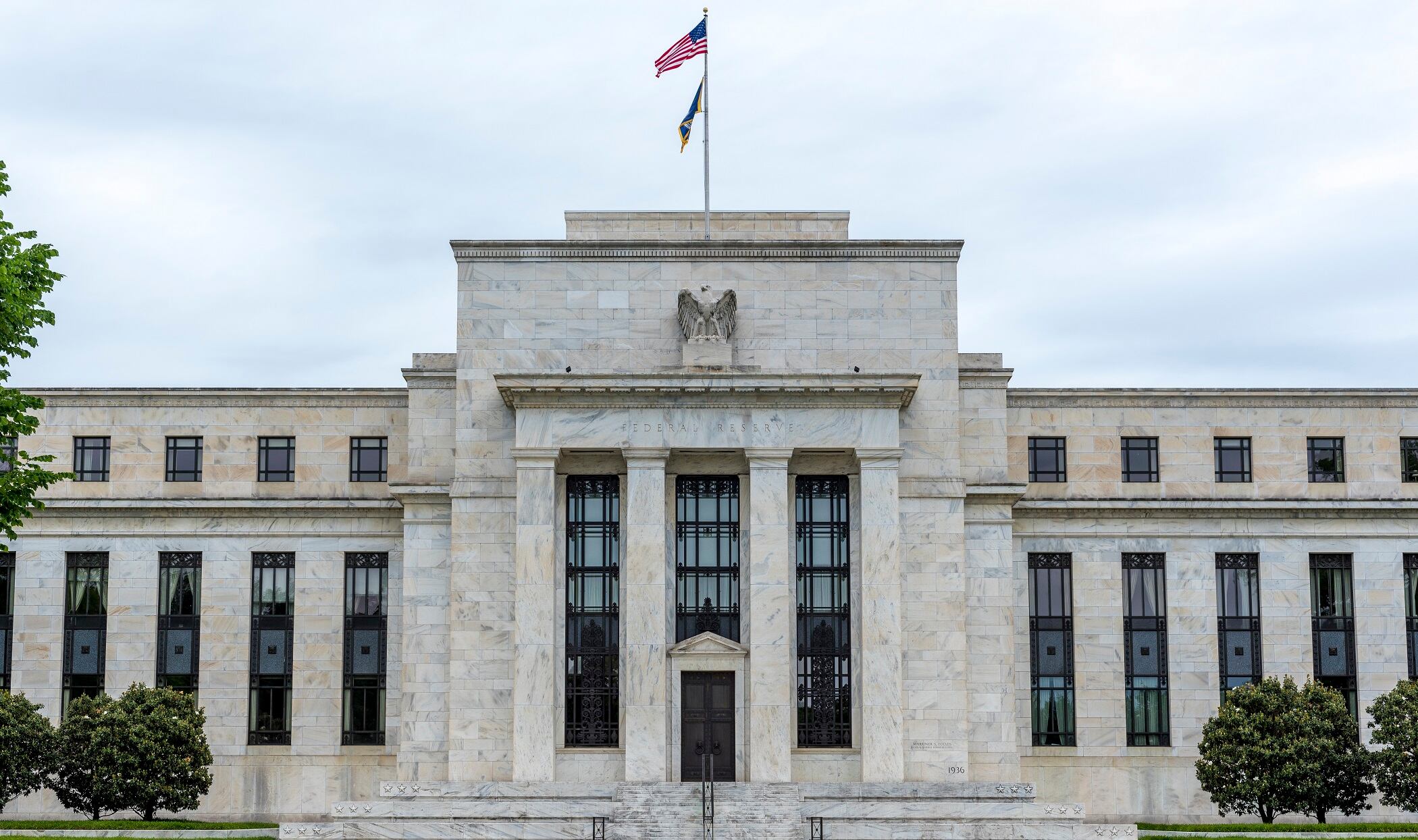
With the Fed about to the announce a 25 basis point interest rate hike on Wednesday, what exactly does this mean for investors, consumers, and businesses?
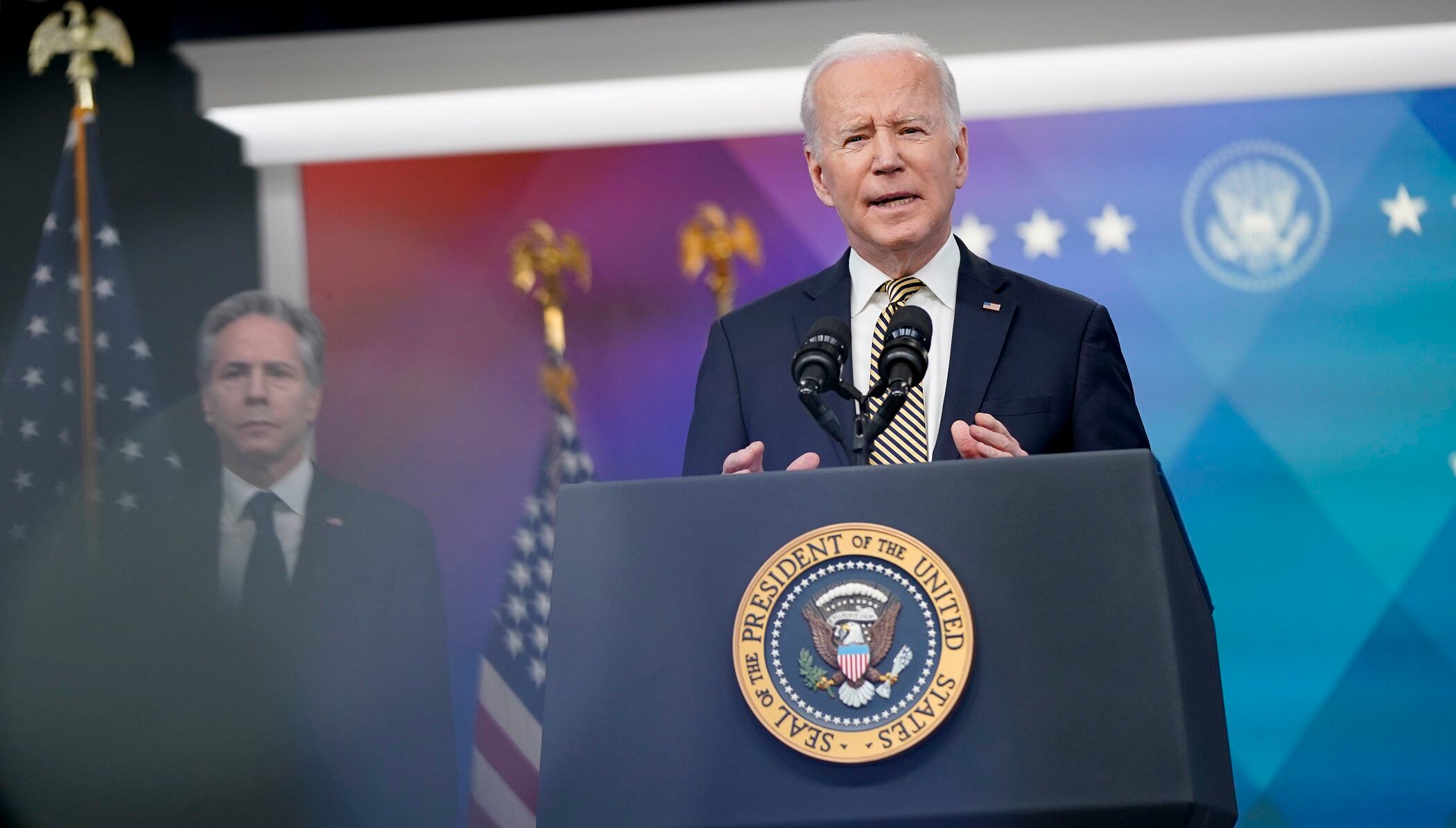
Ukrainian President Volodymyr Zelenskyy has summoned the memory of Pearl Harbor and the Sept. 11 terror attacks in an impassioned video plea to Congress to send more help for Ukraine’s fight against Russia.
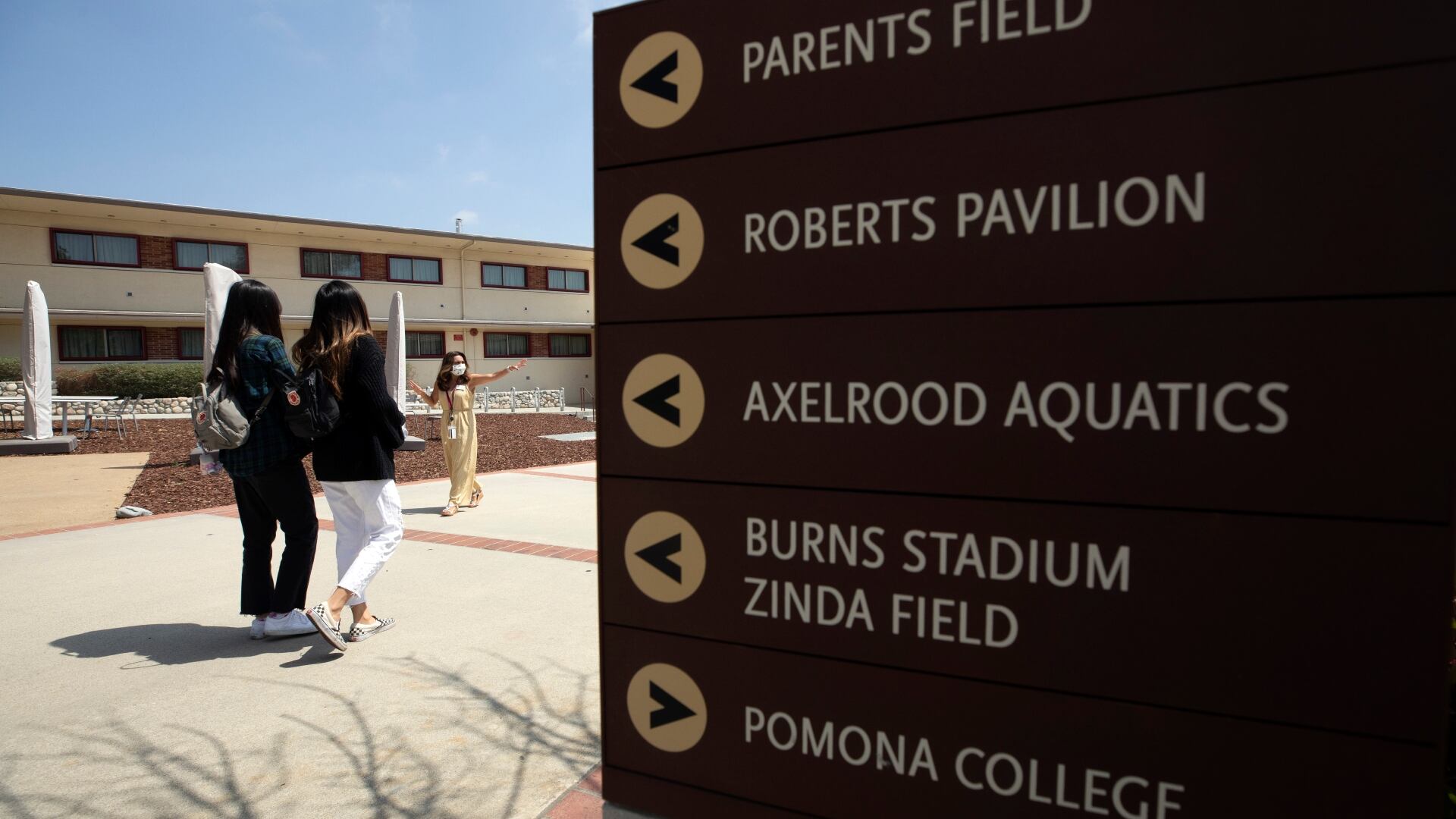
In February, Senator Jeff Merkley (D-Ore.) and Representative Jamaal Bowman (D-N.Y. 16th District) introduced the Fair College Admissions for Students Act. The bill looks to curb the admissions advantage given to the children of alumni and donors for colleges and universities. Sen. Merkley joined Cheddar news to discuss the push behind the legislation. "My dad was a mechanic. I was applying to schools around the country. I never thought about the fact that those students who came from the most privileged backgrounds also got a special advantage in applying to college," he said. "They take up 10-25 percent of the slots at many of our universities, and so this is kind of affirmative action for those who need it least rather than a level playing field for everyone else." If enacted, the law would amend the Higher Education Act of 1965 doing away with legacy or donor status admissions for any school participating in the federal student aid program.
Nancy Daoud, a private wealth adviser for Ameriprise Financial, joins Cheddar News' Closing Bell, where she discusses what led to a sharp spike on Wall Street during Tuesday's session and what she will be watching for most closely when the Fed announces it latest policy decision on Wednesday.
Russia's economy is effectively at a standstill after it was slapped with extensive western sanctions, and now it has to make the first of four monthly interest payments on dollar bonds. It's likely the country will not be able to pay — so what happens next? Major credit ratings agencies have downgraded Russian sovereign debt, with Fitch issuing a 'C' rating and S&P Global Ratings issuing a 'CCC-' rating. Caleb Silver, Editor in Chief of Investopedia, joins Closing Bell to discuss what a Russian debt default could mean for Russia's economy, U.S. consumers who have pensions with exposure to Russian assets, and whether this could create a global financial crisis.
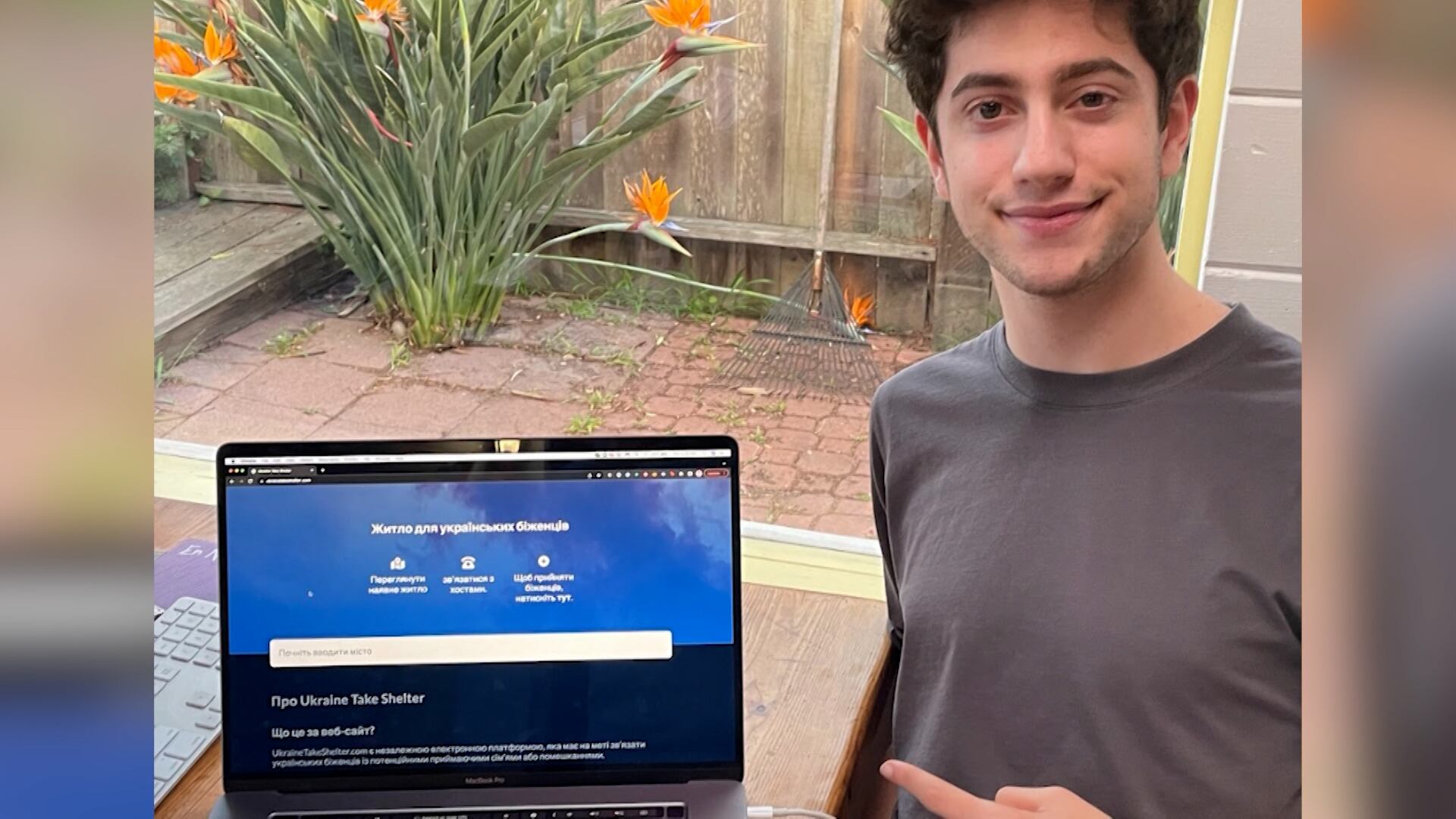
With the number of Ukrainians being displaced due to the Russian invasion surging, two students from Harvard took it on themselves to develop a website to help connect potential hosts with refugees seeking housing. The co-founder of the website Ukraine Takes Shelter, Marco Burstein, joined Cheddar news to discuss working together with fellow freshman Avi Schiffmann to streamline the effort to aid Ukrainian refugees. "We basically worked for three days straight developing the website, and since then the response has been pretty incredible," Burstein said.
Over three weeks ago, WNBA player Brittney Griner was arrested in Russia on drug charges. According to reports, the Star arrived at an airport near Moscow where authorities found Vape cartridges and hashish oil in her luggage. Grindr faces serious charges that could carry a possible sentence of 5-10 years in a Russian prison. Experts warn that Griner's arrest could be used as a bargaining chip. Partner at Stroock & Stroock & Lavan, Thomas Firestone, joined Cheddar to discuss more.