The field of Democratic presidential hopefuls grew a little smaller today as former Housing Secretary Julián Castro announced he is dropping out of the race.
Election Day may still be 311 days away, but campaign season started more than two years ago when former Rep. John Delaney announced his bid for the presidency. Shortly after, 29 Democrats joined Delaney, a field that has slowly whittled itself down to the 14 candidates.
Castro never broke into the rank of top contenders but left a mark on the race with his progressive politics and efforts to move the conversations forward on border control and immigration. Castro, who was the only Latino candidate in the race, now joins a different growing field: the dropouts. The field began as the most racially diverse in Democratic history, but the departures of Castro and Senator Kamala Harris leave the competition looking more similar to past presidential races.
Castro, the 45-year-old former San Antonio mayor, who spent a year in the race, is almost 10 years older than another mayor vying for young voters. Well, another former mayor. On January 1, Pete Buttigieg’s second term as South Bend, Indiana Mayor came to an end. In December 2018, he had announced he would not seek a third term, weeks before he started an exploratory committee for a presidential run.
Buttigieg became the youngest mayor of a city with a population of more than 100,000 when he was just 29, but on the trail, he has come under fire for a lack of experience. In last month’s Democratic debate, the sixth of its kind, Senator Amy Klobuchar, one of only four remaining women in the race, challenged former-Mayor Pete for his lack of national governance experience and contended a woman who was a mayor of a small city would not have been taken as seriously.
The candidate from Indiana has also faced criticism in the national spotlight for his handling of policing issues in South Bend. Most recently, he struggled with the fallout after a fatal police shooting of a 54-year-old black man in September. He has been confronted by voters about police violence and shrinking diversity on the that city's police force.
While politicians continue to knock Buttigieg’s experience, his fundraising numbers may tell a more promising story. His team announced it had raised $24.7 million in the fourth quarter of 2019, which was the second-highest total announced by Democratic contenders so far.
President Donald Trump, whose New Year’s celebrations may have been tempered by an incoming year that is expected to include an impeachment trial and another election, announced he had raised $46 million last quarter.
Buttigieg is polling in fourth place, behind Biden, Senator Bernie Sanders, and Senator Elizbeth Warren, according to the RealClearPolitics national poll average.
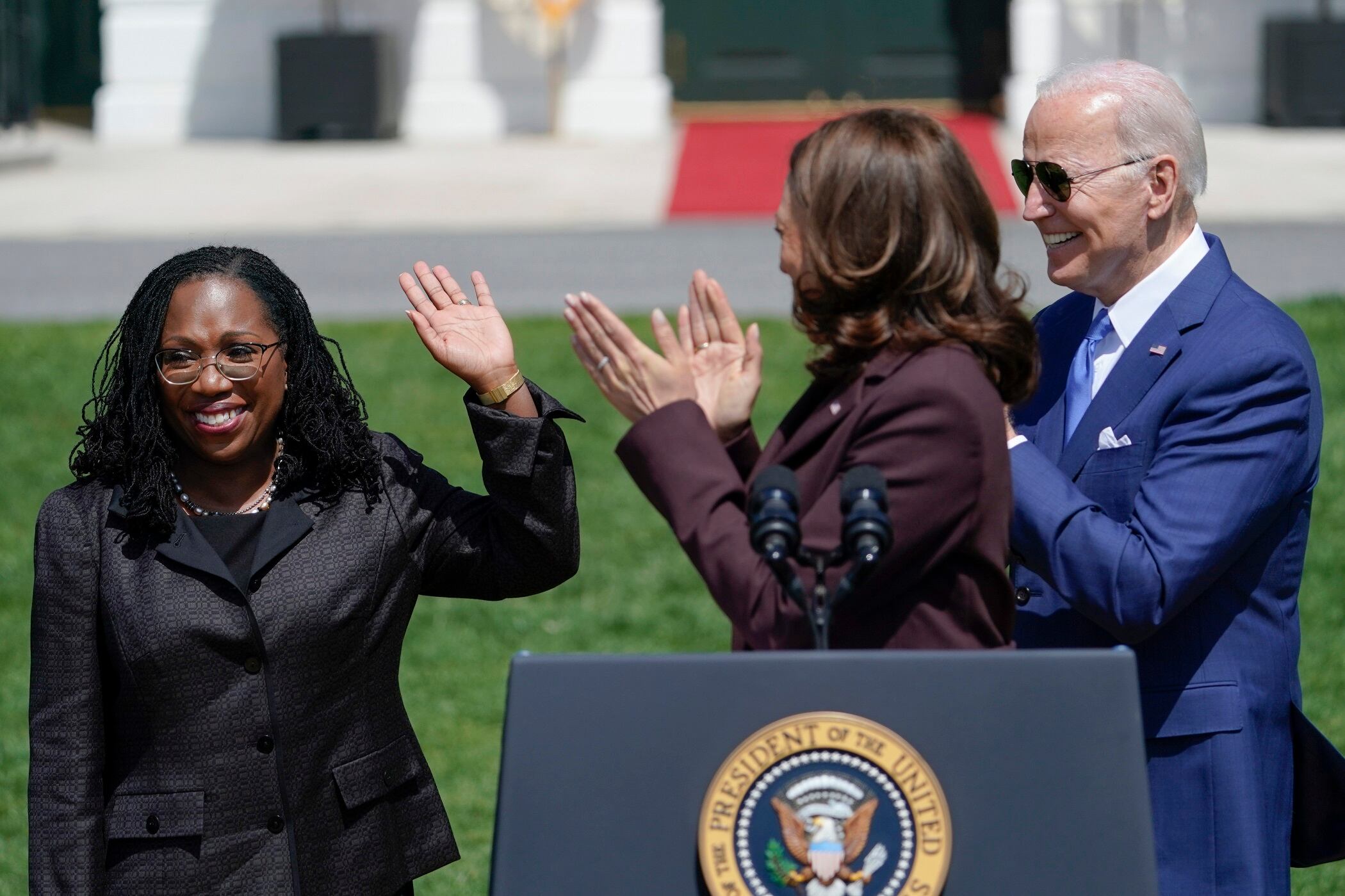
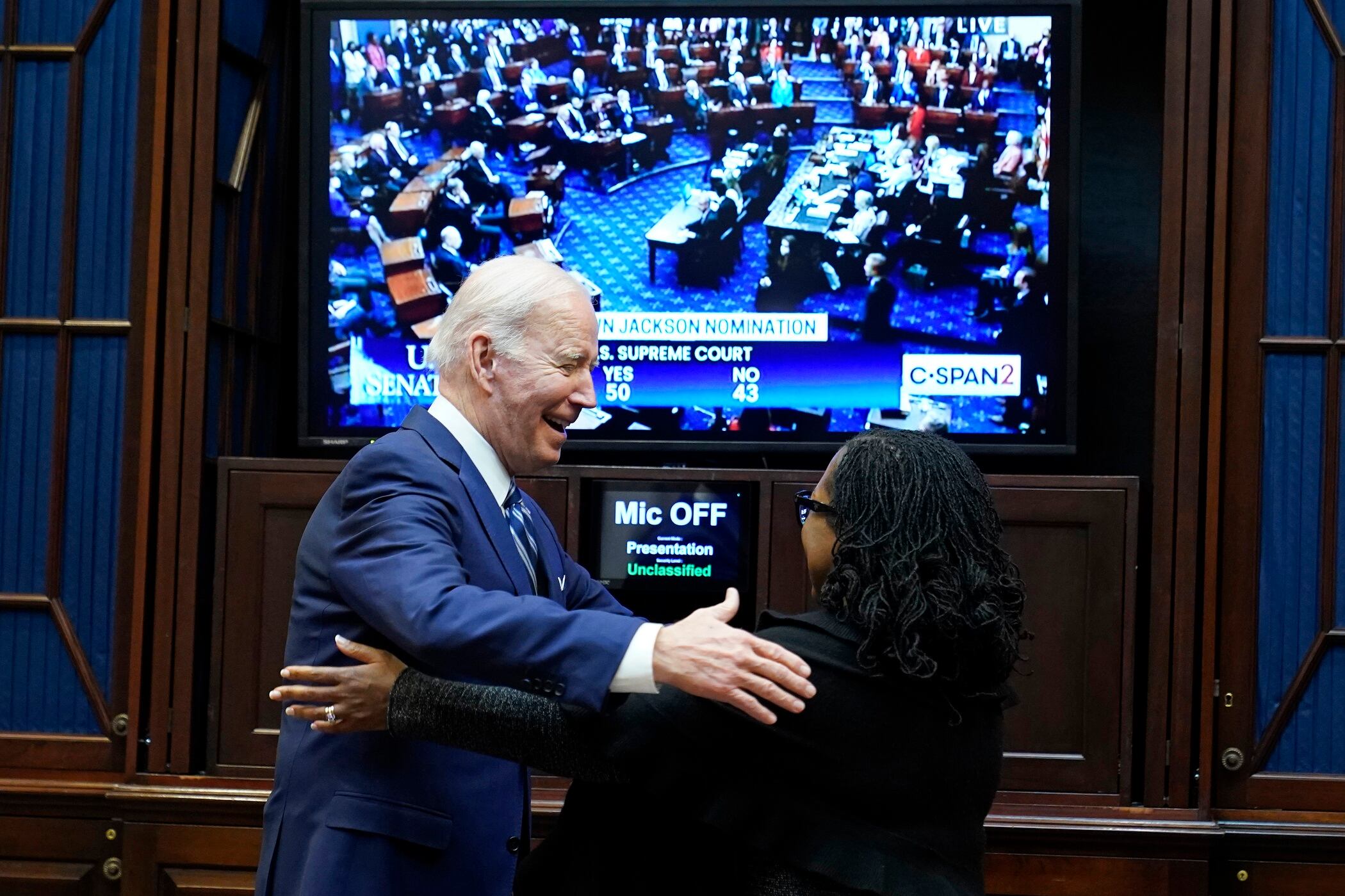
Tearfully embracing a history-making moment, Judge Ketanji Brown Jackson said Friday her confirmation as the first Black woman to the Supreme Court showed the progress of America.
Krutika Amin, associate director at the Kaiser Family Foundation for the Program on the Affordable Care Act, joins Cheddar Politics to discuss the Biden administration's plan to fix the so-called 'family glitch' in the Affordable Care Act preventing millions of Americans from accessing government-subsidized health plan.
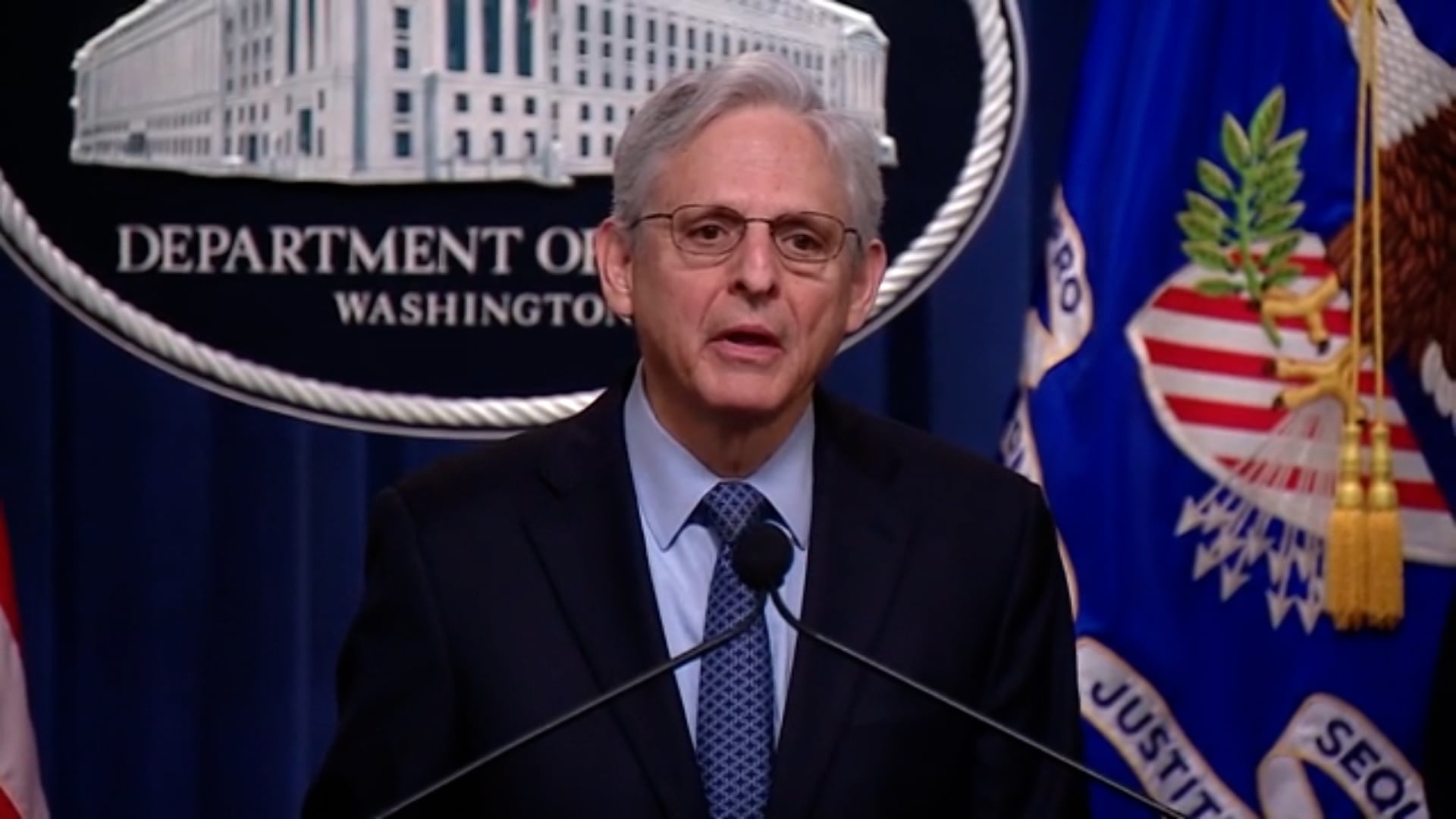
Abdallah Fayyad, opinion writer at the Boston Globe, joins Cheddar Politics to discuss the House's vote to hold former Trump aides Dan Scavino and Peter Navarro in contempt of Congress and send the recommendation to the Department of Justice. Fayyad also weighs in on the pressure facing Attorney General Merrick Garland to be more aggressive in prosecuting the January 6 case.
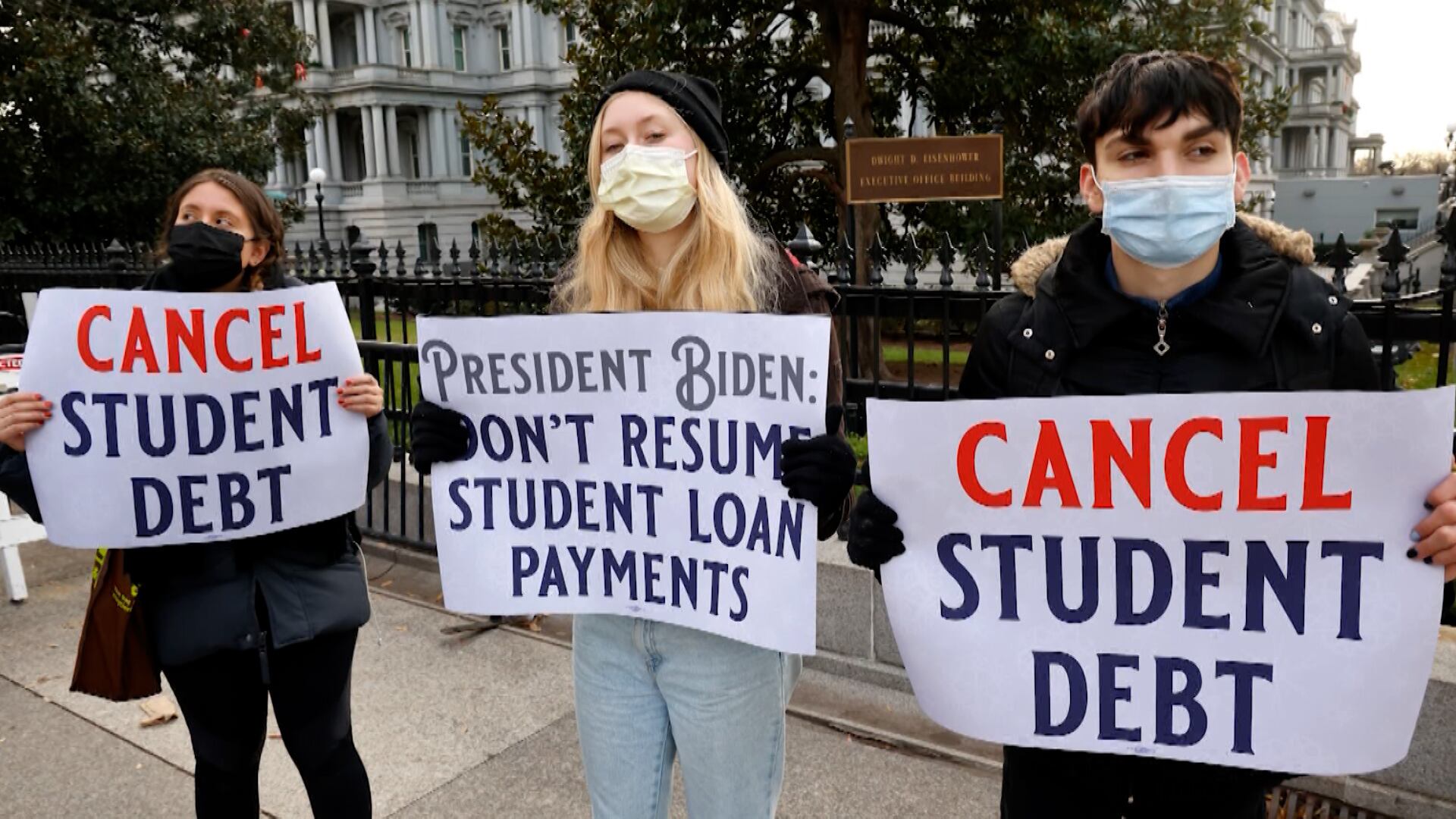
Those paying back federal student loans are getting a few extra months of relief. President Biden just announced another extension of the pandemic relief program allowing millions of borrowers to freeze their student loan payments. The pause began in March 2020 and it has been extended six times. Tomas Campos, co-founder and CEO of Spinwheel, joins Cheddar News to discuss.
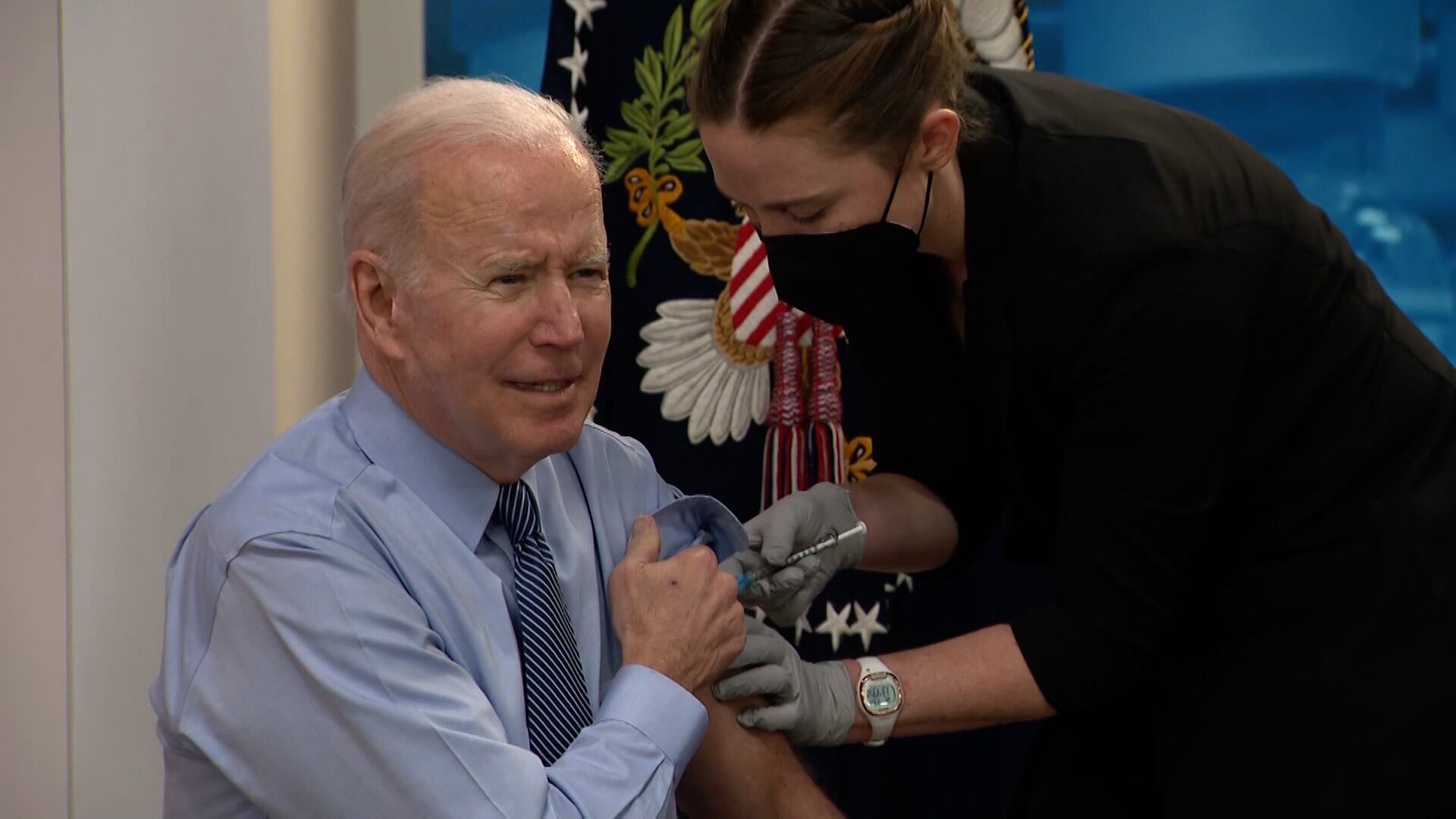
There has been notable disagreement in the medical community about a fourth COVID-19 vaccine dose. The FDA last week authorized a second booster dose for older and immunocompromised individuals, as some agency officials did not support the idea. The FDA made the decision without meeting with its advisory committee, as it had ahead of its recommendations on the previous COVID-19 vaccine doses.
The CDC followed in the footsteps of the FDA and authorized a fourth dose as well. Reports say the agency also did not discuss the move with its own advisory team of vaccine experts. Now, a growing number of doctors are speaking out against the decisions - leaving people confused about whether they should get another vaccine dose. Dr. Julie Morita, a member of the CDC's advisory committee to the director, and the executive vice president of the Robert Wood Johnson Foundation, joins Cheddar News' Closing Bell to discuss.
The Senate has confirmed Ketanji Brown Jackson to the Supreme Court, shattering a historic barrier by securing her place as the first Black female justice and giving President Joe Biden a bipartisan endorsement for his effort to diversify the court
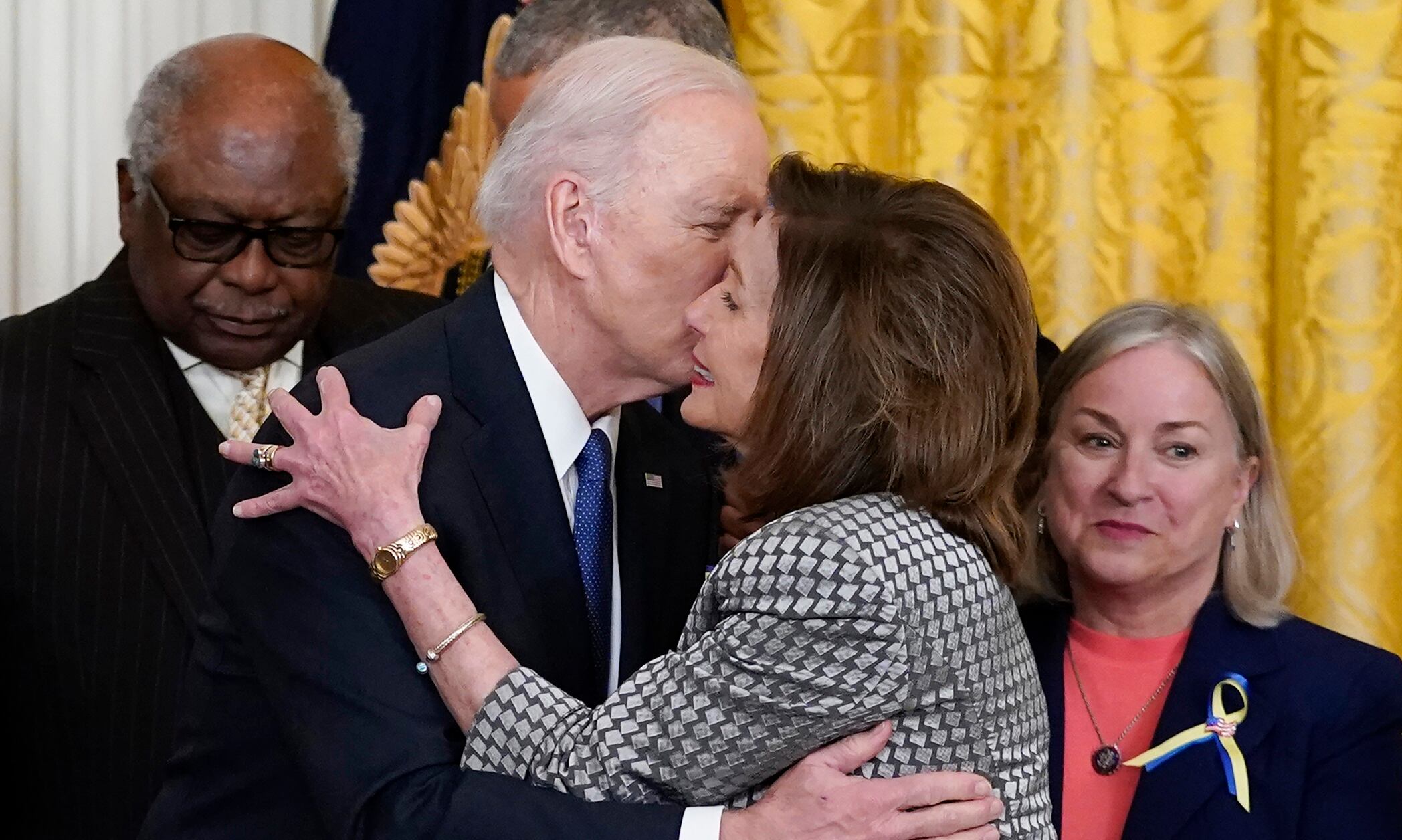
House Speaker Nancy Pelosi has tested positive for COVID-19, her spokesman says. That's a day after the 82-year-old Democratic leader appeared unmasked at a White House event with President Joe Biden.