The field of Democratic presidential hopefuls grew a little smaller today as former Housing Secretary Julián Castro announced he is dropping out of the race.
Election Day may still be 311 days away, but campaign season started more than two years ago when former Rep. John Delaney announced his bid for the presidency. Shortly after, 29 Democrats joined Delaney, a field that has slowly whittled itself down to the 14 candidates.
Castro never broke into the rank of top contenders but left a mark on the race with his progressive politics and efforts to move the conversations forward on border control and immigration. Castro, who was the only Latino candidate in the race, now joins a different growing field: the dropouts. The field began as the most racially diverse in Democratic history, but the departures of Castro and Senator Kamala Harris leave the competition looking more similar to past presidential races.
Castro, the 45-year-old former San Antonio mayor, who spent a year in the race, is almost 10 years older than another mayor vying for young voters. Well, another former mayor. On January 1, Pete Buttigieg’s second term as South Bend, Indiana Mayor came to an end. In December 2018, he had announced he would not seek a third term, weeks before he started an exploratory committee for a presidential run.
Buttigieg became the youngest mayor of a city with a population of more than 100,000 when he was just 29, but on the trail, he has come under fire for a lack of experience. In last month’s Democratic debate, the sixth of its kind, Senator Amy Klobuchar, one of only four remaining women in the race, challenged former-Mayor Pete for his lack of national governance experience and contended a woman who was a mayor of a small city would not have been taken as seriously.
The candidate from Indiana has also faced criticism in the national spotlight for his handling of policing issues in South Bend. Most recently, he struggled with the fallout after a fatal police shooting of a 54-year-old black man in September. He has been confronted by voters about police violence and shrinking diversity on the that city's police force.
While politicians continue to knock Buttigieg’s experience, his fundraising numbers may tell a more promising story. His team announced it had raised $24.7 million in the fourth quarter of 2019, which was the second-highest total announced by Democratic contenders so far.
President Donald Trump, whose New Year’s celebrations may have been tempered by an incoming year that is expected to include an impeachment trial and another election, announced he had raised $46 million last quarter.
Buttigieg is polling in fourth place, behind Biden, Senator Bernie Sanders, and Senator Elizbeth Warren, according to the RealClearPolitics national poll average.
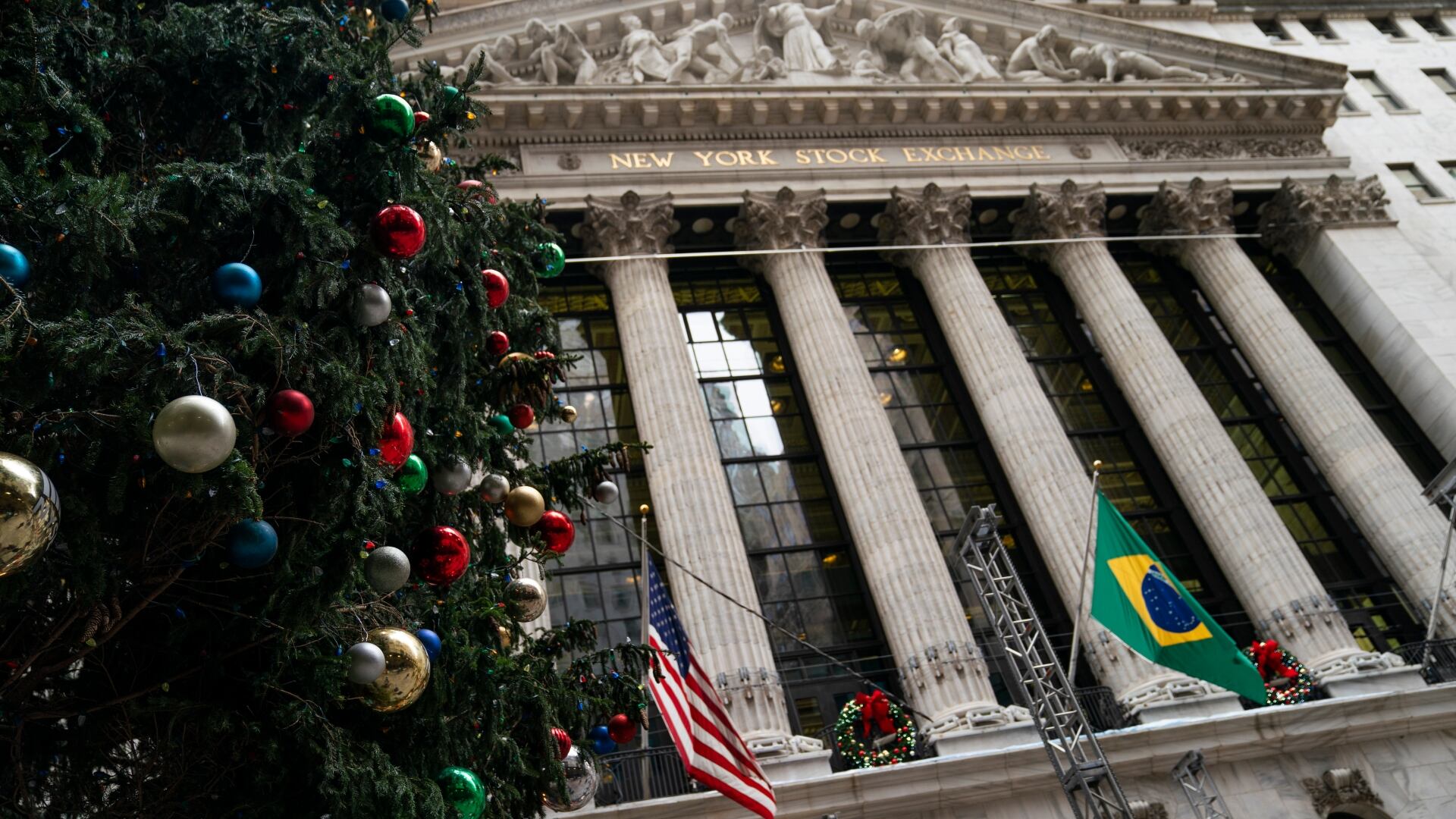
2021 saw markets continue to be impacted by the onslaught of the coronavirus pandemic -most recently in the form of the Omicron variant- in addition to the global supply chain shortage, and increased inflation. But it wasn't all bad news, as crypto soared throughout the year, and meme stocks continued to have a moment. With the year coming to a close, investors are keeping an eye out to see if they should expect more of the same in the new year. Chris Vecchio, Senior Analyst, at DailyFX tells us what market trends to be on the watch for in 2022.
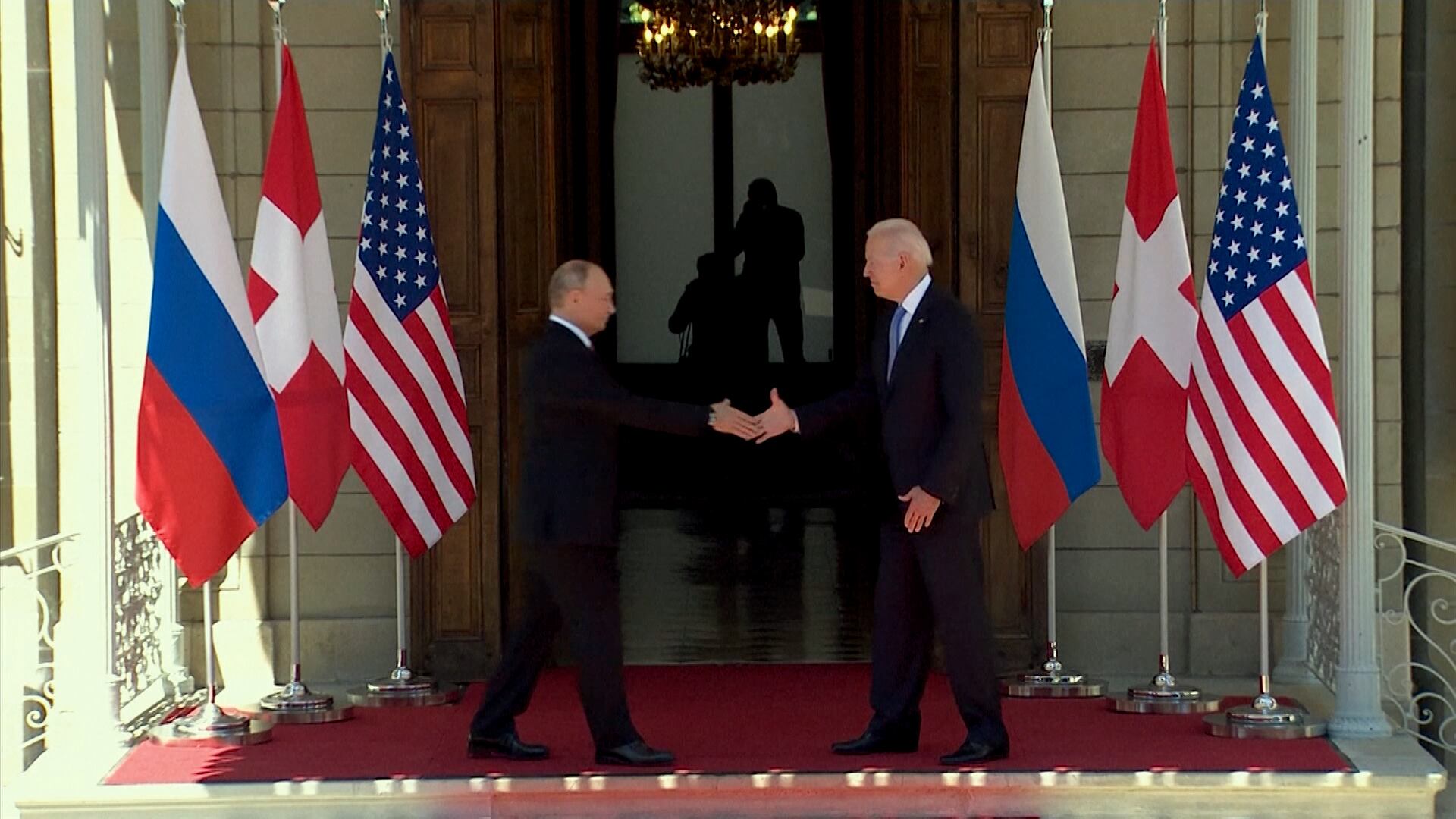
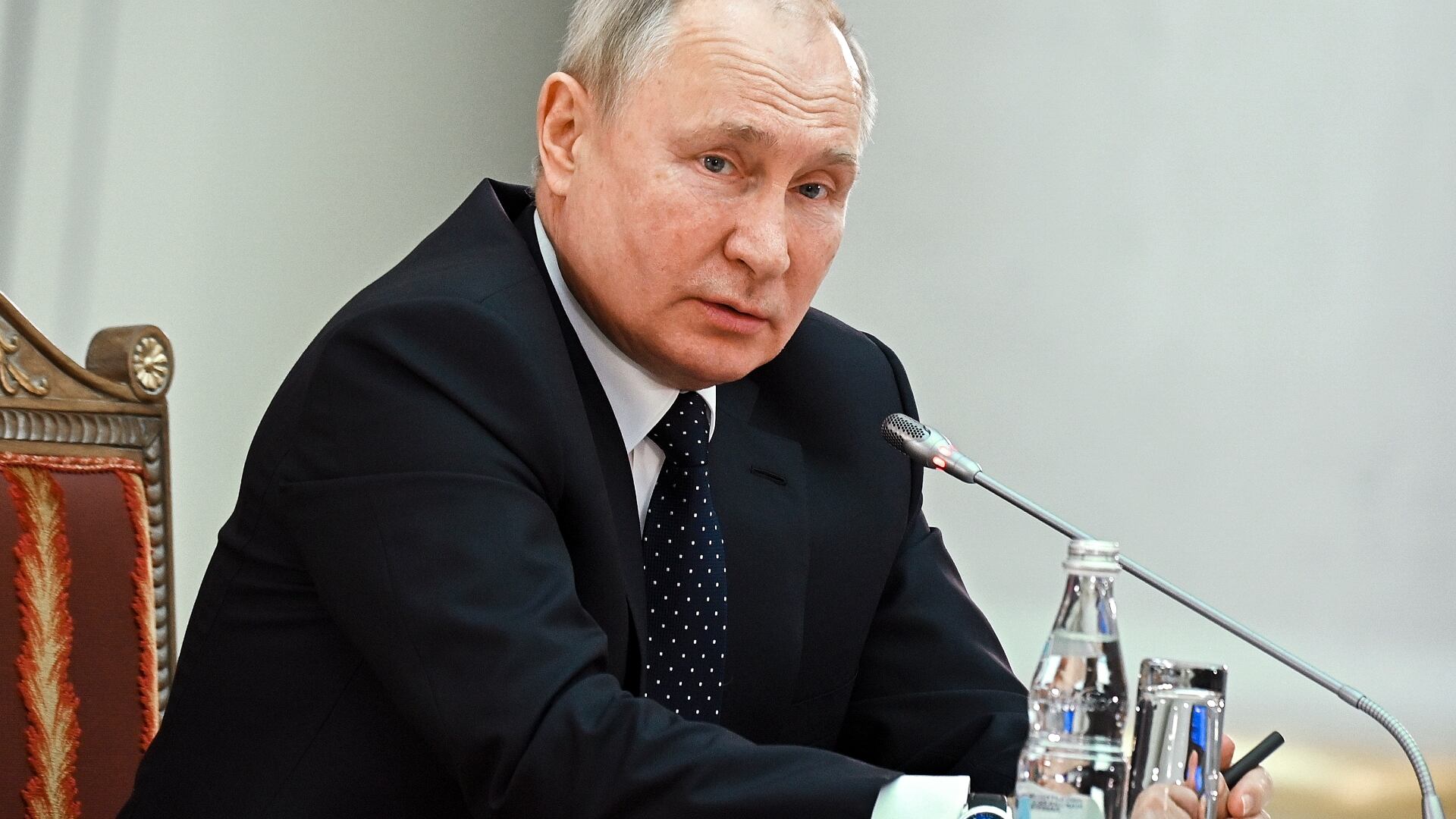
Matt Hayden, vice president of govtech solutions at Exiger and a former assistant secretary of cyber at Department of Homeland Security, joined Cheddar to discuss the surprise phone call initiated by Russian President Vladimir Putin to President Joe Biden, ahead of January security talks about the rising tensions over Ukraine. "We're hoping to hear that we're able to talk about the aggression and the leadup of the Ukrainian militarization," Hayden said. "But we're also looking to hear is how the Kremlin leveraged their talking points to try to test their negotiation stance with the United States leading into this January 10th meeting."
The No Surprises Act begins implementation on January 1, 2022. The legislation is meant to curb the practice of unexpected billing for care from providers the patient was unaware were out-of-network from their insurance. Patricia Kelmar, director of health care campaigns for U.S. PIRG joined Cheddar to describe the hundreds, sometimes thousands, of dollars charged to unsuspecting patients and how things will change under the new law. "If we are picking an in-network doctor and an in-network hospital, we should not see those added costs from anesthesiologists, radiologists, scrub-in surgeons," she said. "The other area it protects you is in air ambulances — not ground ambulances, unfortunately — but the helicopters or the airplanes you might need to transport you in an emergency situation."
President Joe Biden and Russian President Vladmir Putin are expected to have another conversation surrounding escalating tensions between Russia and Ukraine. Ariel Cohen, senior fellow at the Atlantic Council, joined Cheddar's Ken Buffa to discuss the ongoing tensions and why Putin's request for a conversation with Biden comes now. "This is very serious. This is the worst security crisis we had since the collapse of the Soviet Union," Cohen told Cheddar.
Stocks closed mixed on Wednesday, but two indexes - the Dow and the S&P 500 - ended the session with a new record. Akshata Bailkeri, Equity Analyst at Bruderman Asset Management, joins Cheddar News' Closing Bell, where she says there is a consensus for robust consumer spreading in 2022, especially as the Omicron variant is proving to be milder than other COVID-19 strains.