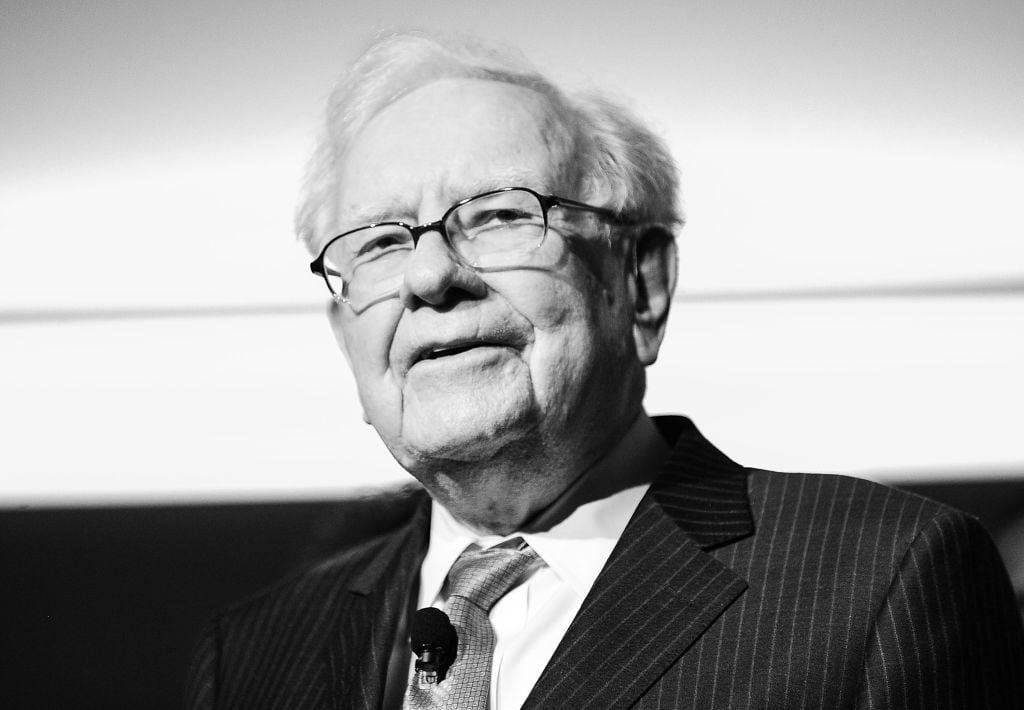
When the Oracle of Omaha speaks, the markets listen. That’s particularly true at the recent annual Berkshire Hathaway meeting, where a reported 18,000 investors rolled in to hear what the CEO said. Of particular interest: Berkshire Hathaway is sitting on a $182 billion pile of cash, apparently reflecting Buffett’s hesitation about opportunities in the current market — and possibly saying a lot about the economy as a whole.

On the Agenda: First Quarter Earnings

According to Forbes, Buffett began by briefly reviewing Berkshire’s first-quarter earnings: operating earnings exceeded the previous year’s by nearly 40 percent. That gave Berkshire Hathaway a solid start to the year and helped influence the general tone of the meeting. Buffett also noted that he believes operating earnings are the “most descriptive” way to analyze Berkshire’s success since it removes the effects of the stock market’s short term volatility.

He also pointed out that holding cash meant access to higher interest yields, which could drive up investment income for the company. He sees this trend continuing over the year and he’ll be hoping this will keep Berkshire’s investment income strong for some time. But even with that buoy in place, Buffett said not to “multiply the insurance earnings by four,” referring to the basic arithmetic for predicting what a quarter might mean for the entire year.

Taking a Chunk Out of Berkshire’s Apple Stock?

Buffett has been famously bullish on Apple for years, regarding it as a rock-solid company with a tremendous upside. Much of Berkshire’s success in recent years is even due to its substantial holdings in Apple. But even that support isn’t unconditional.

The event highlighted how Berkshire had been a net seller of over $17 billion in publicly traded stocks, with most of that money coming from sales of Apple and Chevron. Thanks to the high earnings and the recent stock sales, Berkshire’s pile of cash has turned to $182 billion. Buffett said it could go even higher, perhaps to $200 billion before the end of the second quarter. Of particular interest was Buffet’s answer to the question as to why he hasn’t invested the cash.

“I don’t think anyone sitting at this table has any idea how to use it effectively,” said Buffett,” and therefore we don’t use it. We only swing at pitches we like.”

The Future of Berkshire Hathaway

With the passing of late chairman and longtime Buffett friend Charlie Munger, there’s a question about who Buffett’s successor will be. Buffett also addressed the future of Berkshire management by saying that the first goal would be to increase operating earnings — even in the wake of a successful quarter. Buffett also sees a priority in decreasing the number of outstanding shares, this boosting Berkshire’s earnings per share.

Buffett also sees the potential for “hope for a … big opportunity.” Such an opportunity would let Berkshire Hathaway flex its muscles and put its substantial cash hoard to use. Currently the vision is to let the board of Berkshire Hathaway pick the successor to Buffett, even with Greg Abel ostensibly in line to take over as chairman and CEO. But Buffett also said that the decision is ultimately out of his hands — as he’d be gone. Berkshire Hathaway, with its substantial cash pile and increased earnings in Q1 2024, will not be going anywhere anytime soon.

Share:
More In Business
New York Times, after Trump post, says it won’t be deterred from writing about his health
The New York Times and President Donald Trump are fighting again. The news outlet said Wednesday it won't be deterred by Trump's “false and inflammatory language” from writing about the 79-year-old president's health. The Times has done a handful of stories on that topic recently, including an opinion column that said Trump is “starting to give President Joe Biden vibes.” In a Truth Social post, Trump said it might be treasonous for outlets like the Times to do “FAKE” reports about his health and "we should do something about it.” The Republican president already has a pending lawsuit against the newspaper for its past reports on his finances.
OpenAI names Slack CEO Dresser as first chief of revenue
OpenAI has appointed Slack CEO Denise Dresser as its first chief of revenue. Dresser will oversee global revenue strategy and help businesses integrate AI into daily operations. OpenAI CEO Sam Altman recently emphasized improving ChatGPT, which now has over 800 million weekly users. Despite its success, OpenAI faces competition from companies like Google and concerns about profitability. The company earns money from premium ChatGPT subscriptions but hasn't ventured into advertising. Altman had recently announced delays in developing new products like AI agents and a personal assistant.
Trump approves sale of more advanced Nvidia computer chips used in AI to China
President Donald Trump says he will allow Nvidia to sell its H200 computer chip used in the development of artificial intelligence to “approved customers” in China. Trump said Monday on his social media site that he had informed China’s leader Xi Jinping and “President Xi responded positively!” There had been concerns about allowing advanced computer chips into China as it could help them to compete against the U.S. in building out AI capabilities. But there has also been a desire to develop the AI ecosystem with American companies such as chipmaker Nvidia.
Trump says Netflix deal to buy Warner Bros. ‘could be a problem’ because of size of market share
President Donald Trump says a deal struck by Netflix last week to buy Warner Bros. Discovery “could be a problem” because of the size of the combined market share. The Republican president says he will be involved in the decision about whether federal regulators should approve the deal. Trump commented Sunday when he was asked about the deal as he walked the red carpet at the Kennedy Center Honors. The $72 billion deal would bring together two of the biggest players in television and film and potentially reshape the entertainment industry.
What to know about changes to Disney parks’ disability policies
Disney's changes to a program for disabled visitors are facing challenges in federal court and through a shareholder proposal. The Disability Access Service program, which allows disabled visitors to skip long lines, was overhauled last year. Disney now mostly limits the program to those with developmental disabilities like autism who have difficulty waiting in lines. The changes have sparked criticism from some disability advocates. A shareholder proposal submitted by disability advocates calls for an independent review of Disney's disability policies. Disney plans to block this proposal, claiming it's misleading. It's the latest struggle by Disney to accommodate disabled visitors while stopping past abuses by some theme park guests.
Load More