Cargo CEO on Uber Partnership: We Want to Reinvent the Experience
*By Max Godnick*
Uber redefined the ride-hailing industry for driversーnow it's adding another level of convenience to the passenger seat.
Last week, the company launched an exclusive global partnership with Cargo, the in-car commerce platform that allows drivers to sell daily essentials to riders. The service was already live in seven U.S. cities and has expanded to Los Angeles and San Francisco as part of the new deal.
The announcement marks the next phase of growth for Cargo, which has close to 8,000 drivers and has seen its fleet expand by 35 percent month over month since its rollout in 2017.
"The fastest way for us to really scale our platform and get Cargo into the hands of as many drivers as possible is to do it through Uber themselves," said Cargo founder & CEO Jeff Cripe in an interview with Cheddar on Monday. "We were united by wanting to provide the best in-car experience possible."
Uber drivers in Los Angeles and San Francisco can now collect Cargo boxes at driver support locations called Greenlight Centers. The boxes are filled with snacks, electronics, and cosmetics that customers can purchase. Cripe noted that many Uber drivers already offer these products but must pay out of pocket to do so.
Now, they can provide the same serviceーbut make money, instead of losing it.
"What \[drivers\] recognized in us was a partner that could streamline that and put that money back in their pockets as opposed to taking it out," Cripe said.
Cripe says drivers have, combined, made more than $1 million and sold over a million products to date. He added that those behind the wheel also tend to see their passenger ratings rise once they start using Cargo.
But will passengers be willing to spend on food and other items if fares surge?
Last week, Uber sent emails to its New York customer base, notifying them that its services may grow "more expensive and less reliable" if the city approves [new regulations](https://cheddar.com/videos/new-york-could-pump-the-brakes-on-ride-hailing-apps) for ride-sharing companies.
While New York is currently Cargo's largest market, Cripe says he's not concerned.
"I don't necessarily think any fare increases or decreases will have much of an effect on us."
As for the future, Cripe says the company is paying close attention to Uber's plans for self-driving taxis. He explained that autonomous fleets would require a system for unattended merchandisingーbut he revealed it's a reality he's preparing for. He also sees more opportunities for entertainment, gaming, and connectivity.
"We want to establish ourselves as the leading provider of in-car service for ride sharing," Cripe said. "So, when autonomy does roll around, we're the best logistics provider in the market."
For full interview, [click here] (https://cms.cheddar.com/videos/VmlkZW8tMjEzMTg=).
Electric bike company Dance recently raised $19.4 million, just weeks after rolling out its e-bike subscription service in Berlin. Dance allows users to subscribe to use an e-bike for around €79, or about $91, a month. Dance says its subscription model allows the company to reuse and refurbish its products, and further its mission to build more sustainable and livable cities. Dance founder and CEO Eric Quidenus-Wahlforss joined Cheddar News' Closing Bell to discuss.
Project management platform ClickUp raised $400 million in Series C funding this week, and founder and CEO Zeb Evans joined Cheddar's "Closing Bell" to talk about taking the added funds to help make the workplace more efficient by being a one-stop-shop for office needs. He also discussed a growing demand for his company's services during the pandemic as companies seek solutions to keep their employees on the same page.
How much real money would you pay for a virtual plot of land? Developing technology is introducing everyone in the real world to new, virtual worlds, like Decentraland. In this metaverse economy, users are buying virtual real estate at high value – and it’s not just the average Joe that’s looking to invest. Company's like Facebook are betting big.
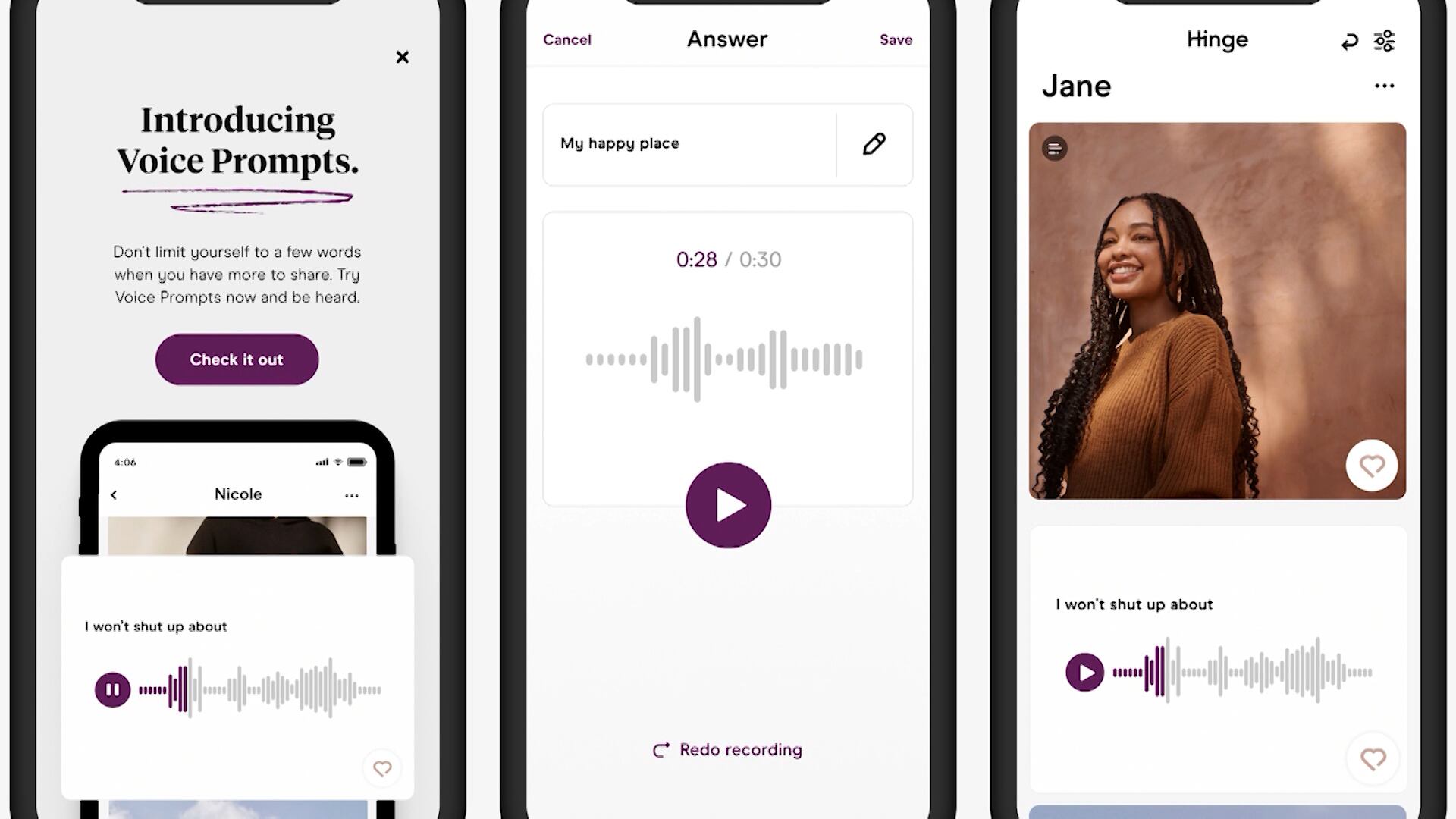
The dating app Hinge says it's taking online dating to the next level by introducing a voice prompt feature for profiles. Michelle Parsons, chief product officer, joined Cheddar to talk about providing the question prompts for users to make accounts more personable in their own voice. She also went into how much the pandemic has had an impact on engagement.
TikTok is testing out a new program that would allow creators to receive tips for their posted content. The video-sharing platform also said it will allow creators to retain 100 percent of their tipped revenue.
Tonya Evans, professor at Penn State Dickinson Law, joined Cheddar to talk about the meme coin war flaring up between the Shiba Inu and Dogecoin tokens. She noted that one of the most fascinating takeaways from the crypto craze is the "power of community" being able to manipulate market prices. Evans also talked about the rising number of coins coming to market and how to assess if they are worth investing in.
Nicole Lambert, President at Myriad Genetics joins ChedHER to discuss how to expand access to genetic testing for all women, and how her experience as a 'pre-vivor' motivates her role in the industry.
Social media giant 'Facebook' has rebranded itself as 'Meta' in a move that has many talking about the motive behind the timing of the announcement as the company finds itself getting negative press almost daily. Editor In Chief of Investopedia Caleb Silver breaks down the change and how the vision of Meta and the Metaverse could change the future.