Cargo CEO on Uber Partnership: We Want to Reinvent the Experience
*By Max Godnick*
Uber redefined the ride-hailing industry for driversーnow it's adding another level of convenience to the passenger seat.
Last week, the company launched an exclusive global partnership with Cargo, the in-car commerce platform that allows drivers to sell daily essentials to riders. The service was already live in seven U.S. cities and has expanded to Los Angeles and San Francisco as part of the new deal.
The announcement marks the next phase of growth for Cargo, which has close to 8,000 drivers and has seen its fleet expand by 35 percent month over month since its rollout in 2017.
"The fastest way for us to really scale our platform and get Cargo into the hands of as many drivers as possible is to do it through Uber themselves," said Cargo founder & CEO Jeff Cripe in an interview with Cheddar on Monday. "We were united by wanting to provide the best in-car experience possible."
Uber drivers in Los Angeles and San Francisco can now collect Cargo boxes at driver support locations called Greenlight Centers. The boxes are filled with snacks, electronics, and cosmetics that customers can purchase. Cripe noted that many Uber drivers already offer these products but must pay out of pocket to do so.
Now, they can provide the same serviceーbut make money, instead of losing it.
"What \[drivers\] recognized in us was a partner that could streamline that and put that money back in their pockets as opposed to taking it out," Cripe said.
Cripe says drivers have, combined, made more than $1 million and sold over a million products to date. He added that those behind the wheel also tend to see their passenger ratings rise once they start using Cargo.
But will passengers be willing to spend on food and other items if fares surge?
Last week, Uber sent emails to its New York customer base, notifying them that its services may grow "more expensive and less reliable" if the city approves [new regulations](https://cheddar.com/videos/new-york-could-pump-the-brakes-on-ride-hailing-apps) for ride-sharing companies.
While New York is currently Cargo's largest market, Cripe says he's not concerned.
"I don't necessarily think any fare increases or decreases will have much of an effect on us."
As for the future, Cripe says the company is paying close attention to Uber's plans for self-driving taxis. He explained that autonomous fleets would require a system for unattended merchandisingーbut he revealed it's a reality he's preparing for. He also sees more opportunities for entertainment, gaming, and connectivity.
"We want to establish ourselves as the leading provider of in-car service for ride sharing," Cripe said. "So, when autonomy does roll around, we're the best logistics provider in the market."
For full interview, [click here] (https://cms.cheddar.com/videos/VmlkZW8tMjEzMTg=).
Chip Paucek, CEO and co-founder of 2U, an educational tech company, joined Cheddar's "Closing Bell" to talk about the company's $800 million acquisition of online course provider edX featuring curriculum from Harvard and MIT. He noted that added services will provide 2U users with high quality, free options. "Us coming together with edX should allow us to really continue to drive affordability for people to unlock their own potential in a variety of different kinds of programs," he said.
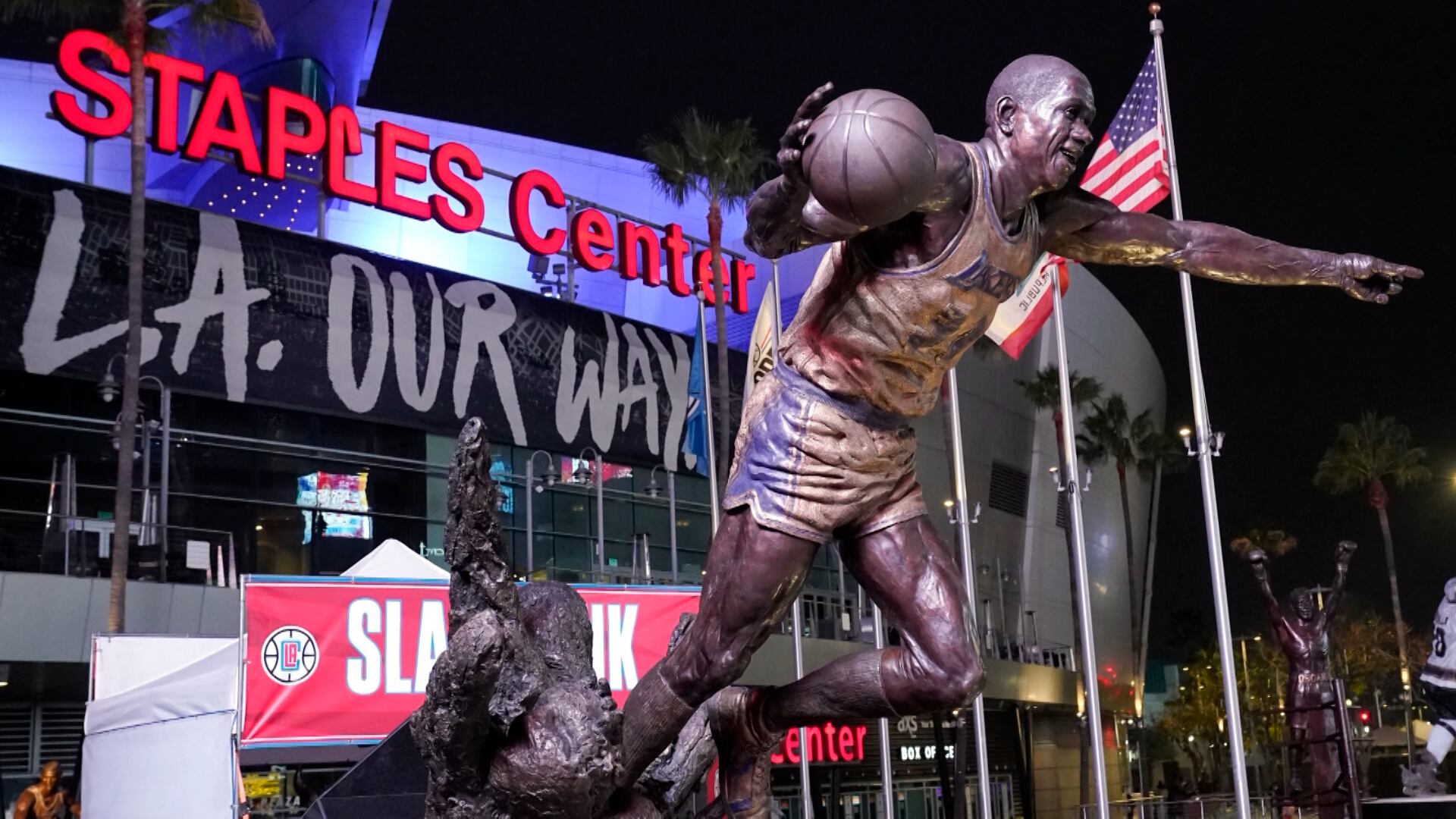
Beginning Christmas Day, the home of the Los Angeles Lakers, Clippers, Kings, and Sparks, the Staples Center, will go by the name Crypto.com Arena after a massive $700 million deal with AEG. Steven Kalifowitz, the chief marketing officer at Crypto.com, and Todd Goldstein, the chief revenue officer at AEG, joined Cheddar to talk about the historic changeover in naming rights and what other changes that fans entering the arena might expect.
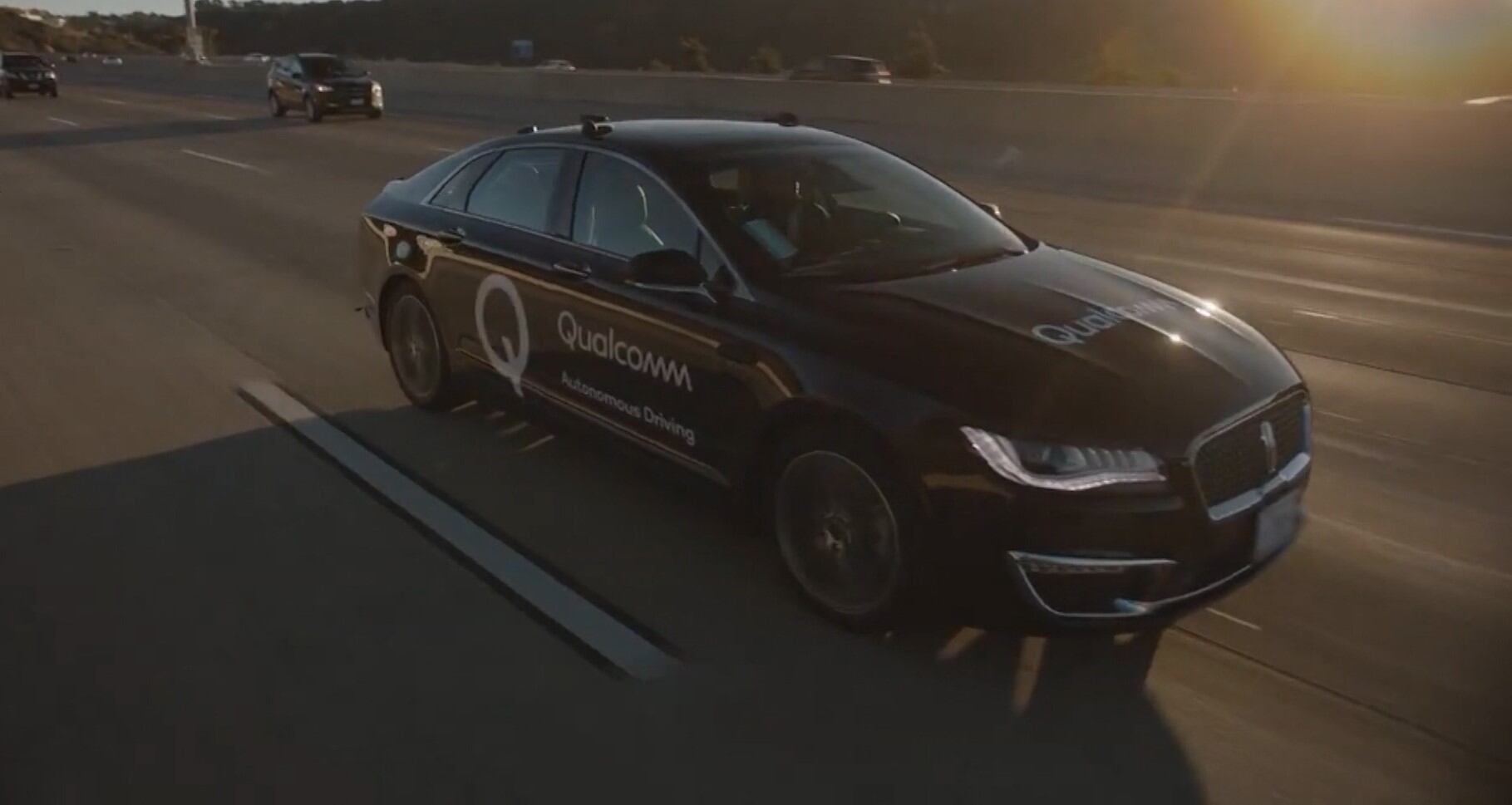
Earlier this week, Qualcomm announced an extension of its partnership with BMW as it moves to help build the technology for automated driving. Nakul Duggal, general manager at Qualcomm, joined Cheddar to provide some background on the collaboration and how the company has been able to navigate the global chip shortage amid the pandemic. "We have invested in advance, in very specific packaging capacity and technology, with our suppliers so that we actually have the capacity available to be able to service that demand," Duggal said.
Some of the most popular social media and streaming platforms like Snapchat, Spotify, and Discord were offline for several hours on Tuesday after Google Cloud experienced a technical issue. The problem was resolved as of that afternoon.
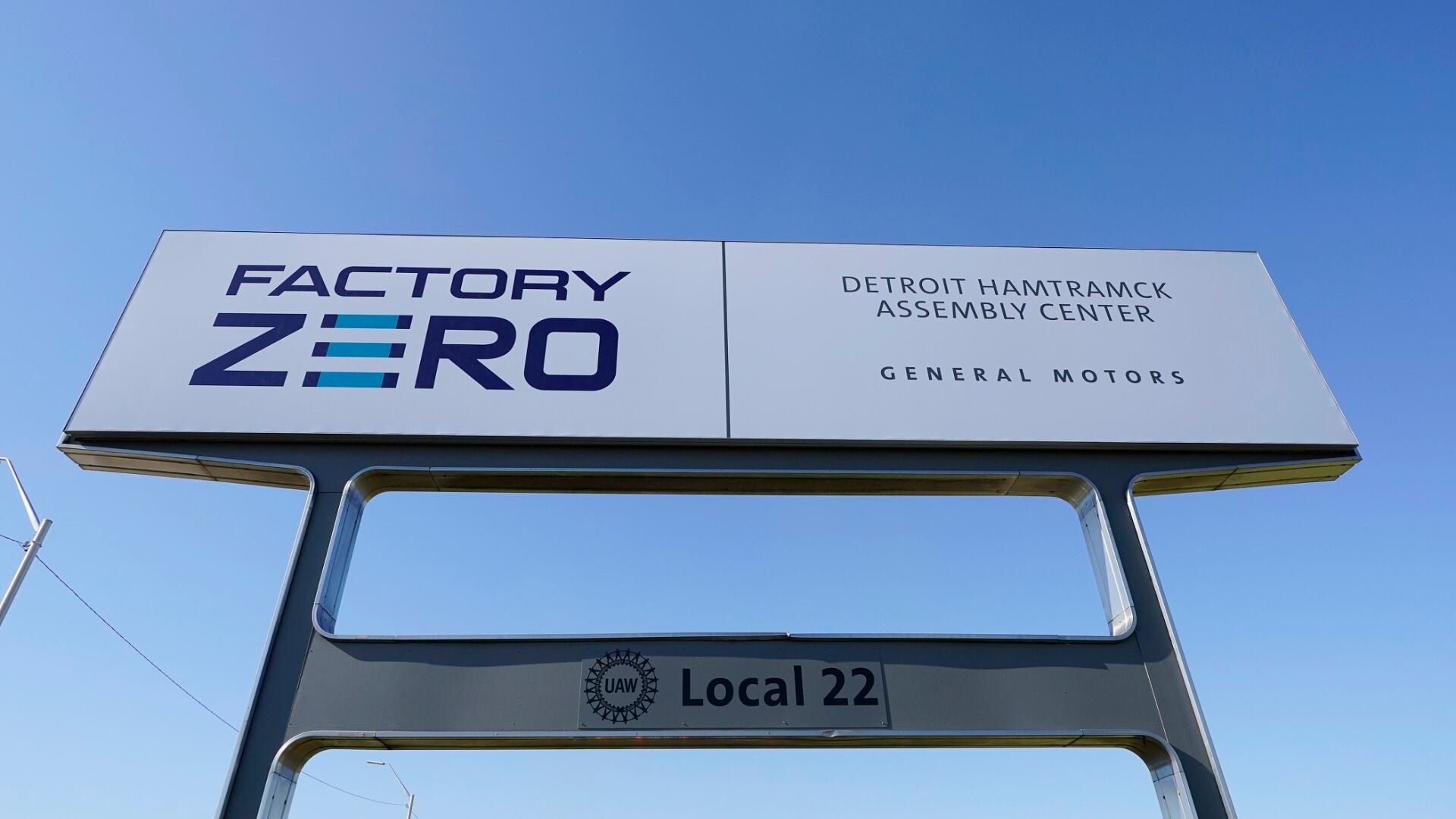
President Joe Biden is expected to visit GM's 'Factory Zero' plant in Detroit, where mass production of its electric vehicle fleet will get underway. Biden is likely to tout his recently passed $1.2 trillion infrastructure plan, which allocates $7.5 billion toward EV infrastructure.
No one is ever fully "ready" for the future. However, the past two years have clearly shown us that some businesses can be better prepared for the future than others. Shelly Kramer, Founding Partner & Lead Analyst of Futurum Research, joins Cheddar News to discuss how businesses of all sizes can stay agile enough to adapt to whatever the future may bring.
Jill is joined by “Friend of the Pod” Mosheh Oinounou to talk booster shots, and whether “fully vaccinated” will eventually mean three shots, not two. Plus, the latest on the Kyle Rittenhouse trial. And the research is in: we know now the perfect way to hug. Also, Jill and Mosheh debate whether Airpods are passé.
A deal was reached as the COP26 Summit in Glasgow came to a close. Dr. Katharine Hayhoe, Chief Scientist at the Nature Conservancy and Author of 'Saving Us: A Climate Scientist's Case for Hope and Healing in a Divided World,' joined Cheddar News' Closing Bell to discuss the deal.