*By Max Godnick* Uber redefined the ride-hailing industry for driversーnow it's adding another level of convenience to the passenger seat. Last week, the company launched an exclusive global partnership with Cargo, the in-car commerce platform that allows drivers to sell daily essentials to riders. The service was already live in seven U.S. cities and has expanded to Los Angeles and San Francisco as part of the new deal. The announcement marks the next phase of growth for Cargo, which has close to 8,000 drivers and has seen its fleet expand by 35 percent month over month since its rollout in 2017. "The fastest way for us to really scale our platform and get Cargo into the hands of as many drivers as possible is to do it through Uber themselves," said Cargo founder & CEO Jeff Cripe in an interview with Cheddar on Monday. "We were united by wanting to provide the best in-car experience possible." Uber drivers in Los Angeles and San Francisco can now collect Cargo boxes at driver support locations called Greenlight Centers. The boxes are filled with snacks, electronics, and cosmetics that customers can purchase. Cripe noted that many Uber drivers already offer these products but must pay out of pocket to do so. Now, they can provide the same serviceーbut make money, instead of losing it. "What \[drivers\] recognized in us was a partner that could streamline that and put that money back in their pockets as opposed to taking it out," Cripe said. Cripe says drivers have, combined, made more than $1 million and sold over a million products to date. He added that those behind the wheel also tend to see their passenger ratings rise once they start using Cargo. But will passengers be willing to spend on food and other items if fares surge? Last week, Uber sent emails to its New York customer base, notifying them that its services may grow "more expensive and less reliable" if the city approves [new regulations](https://cheddar.com/videos/new-york-could-pump-the-brakes-on-ride-hailing-apps) for ride-sharing companies. While New York is currently Cargo's largest market, Cripe says he's not concerned. "I don't necessarily think any fare increases or decreases will have much of an effect on us." As for the future, Cripe says the company is paying close attention to Uber's plans for self-driving taxis. He explained that autonomous fleets would require a system for unattended merchandisingーbut he revealed it's a reality he's preparing for. He also sees more opportunities for entertainment, gaming, and connectivity. "We want to establish ourselves as the leading provider of in-car service for ride sharing," Cripe said. "So, when autonomy does roll around, we're the best logistics provider in the market." For full interview, [click here] (https://cms.cheddar.com/videos/VmlkZW8tMjEzMTg=).

Share:
More In Technology
Samsung, Micron Warn of Delayed Chip Production Due to Xi'an Lockdown
Daniel Newman, Founding Partner and Principal Analyst at Futurum Research, joins Cheddar News' Closing Bell, where he says the markets are going to feel very uncomfortable receiving news of more potential setbacks for chip manufacturers after already enduring a lengthy chip shortage.
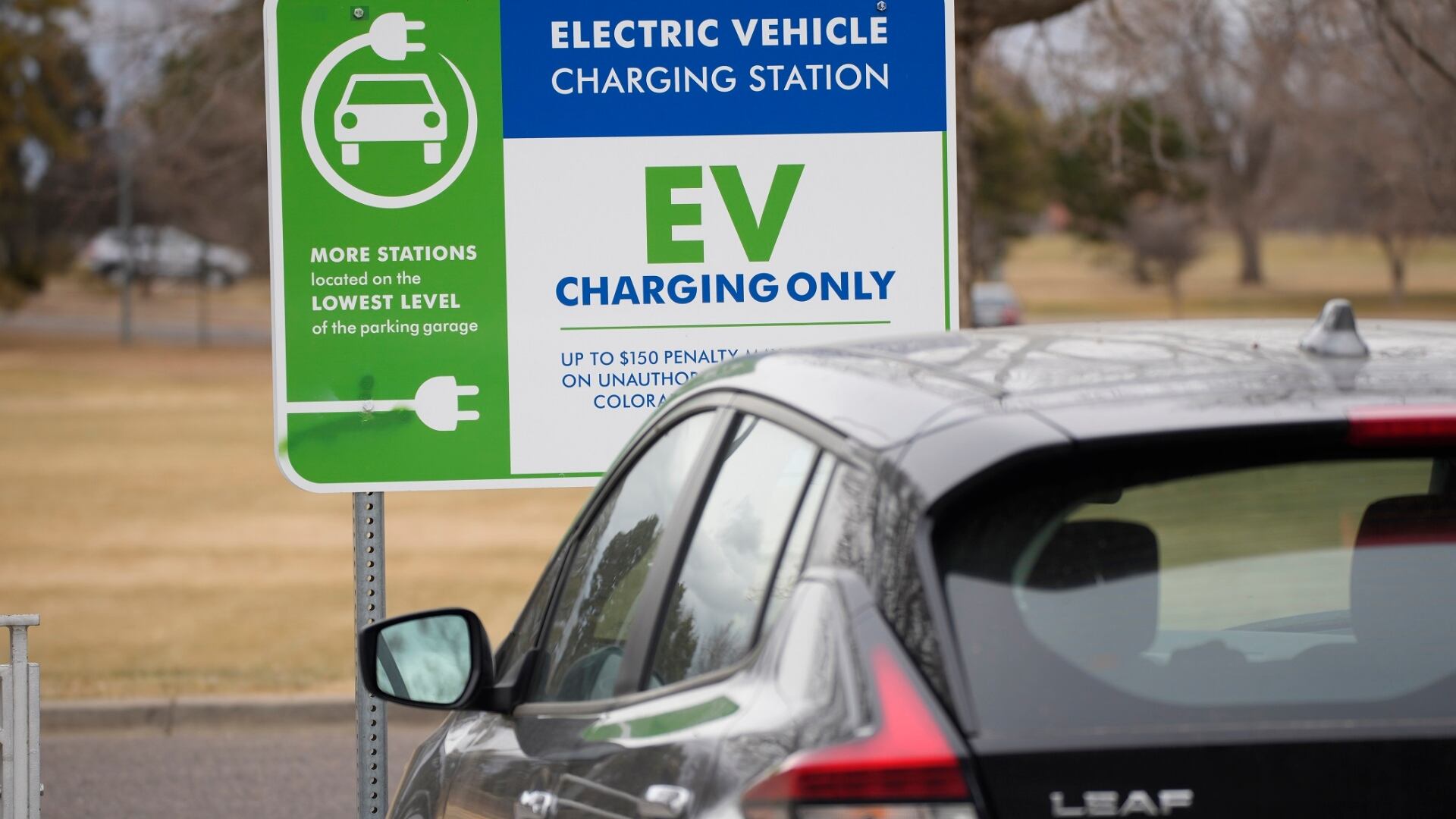
Electric Vehicles Face Pricing, Charging Infrastructure Roadblocks to Mass Adoption
The federal government and numerous industries have been preparing for a greener future, setting goals to reduce greenhouse emissions by switching to electric vehicles. But the next hurdle to clear is convincing the wider public to get on board. Arun Kumar, managing director in automotive practice at AlixPartners, spoke to Cheddar's Ken Buffa about consumer trends related to EV transition and said he believes a widespread switch is imminent in 2022. Despite this, he acknowledged there are still significant obstacles to overcome, including high prices and more charging stations. "Without charging infrastructure, people are going to struggle with increasing adoption of electric vehicles in the future," Kumar told Cheddar. "I think by 2030 our estimate is that about a million chargers need to be put in place nationally in the U.S."
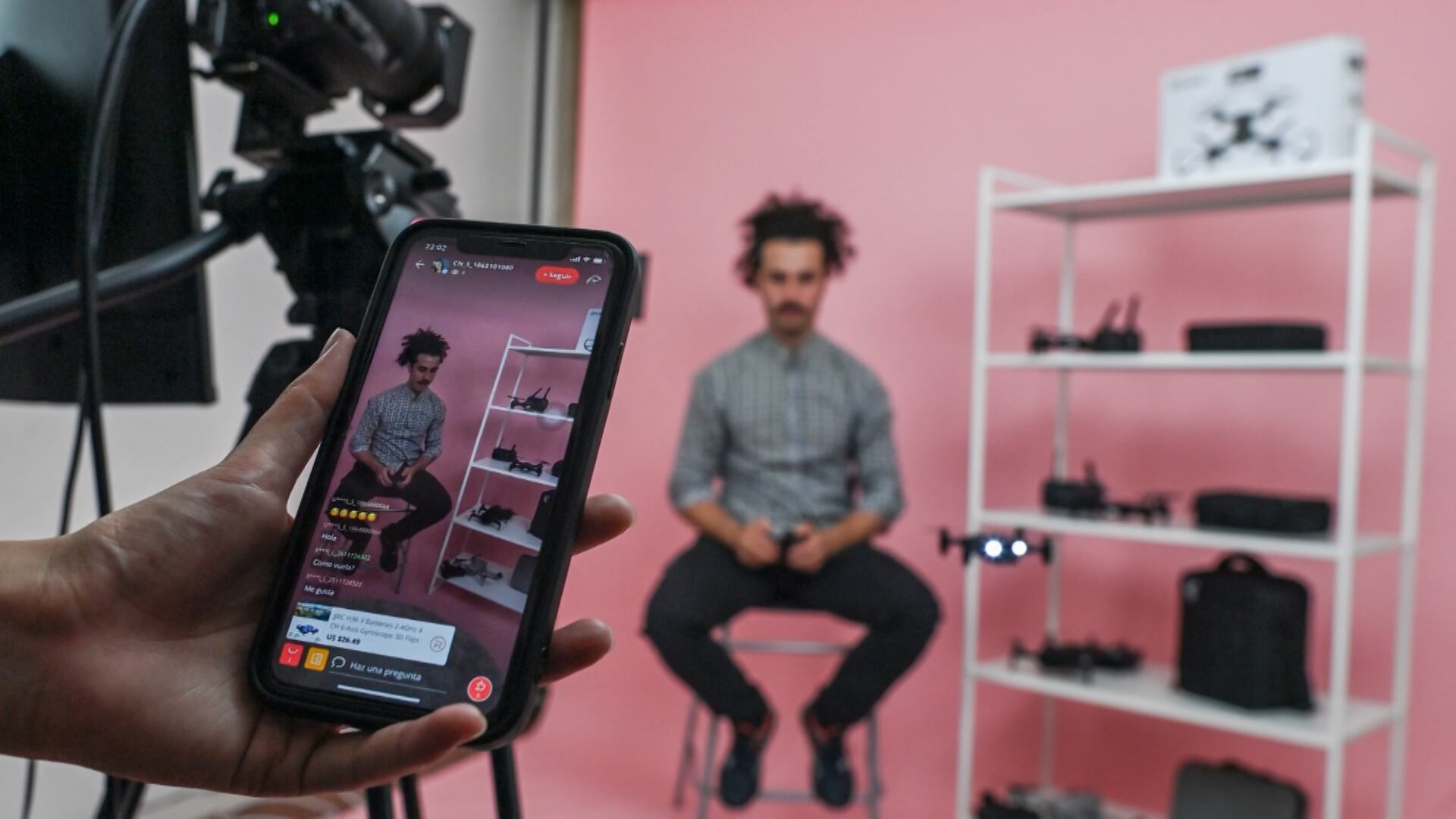
Creator Economy Booms as Platforms Launch Monetization Tools and Perks
The pandemic has supercharged the creator economy, and there are no signs of it slowing down no matter when the pandemic officially ends. Creators prove to be a key factor in driving purchasing decisions and retail sales, and an increasing amount of platforms are taking advantage of the social influence. Karissa Bell, senior editor at Engadget, joins cheddar news to discuss the creator economy boom.
Behind the National Women's Soccer League and Voyager Digital Multi-Year Crypto Deal
The National Women's Soccer League is partnering with Voyager Digital as its first-ever cryptocurrency brokerage in a multi-year deal. Marla Messing, interim CEO of the NWSL, and Steve Ehrlich, CEO of Voyager Digital, joined Cheddar to discuss benefitting the league and educating players and fans as a way of democratizing cryptocurrency. Messing explained that the players themselves will own half the assets as part of how the deal is structured. "My hope is, just in terms of the expectations of crypto over the long term, that I hope a lot of them are able to just let it sit there," she said. "And that one day this will be a nice retirement account for them."
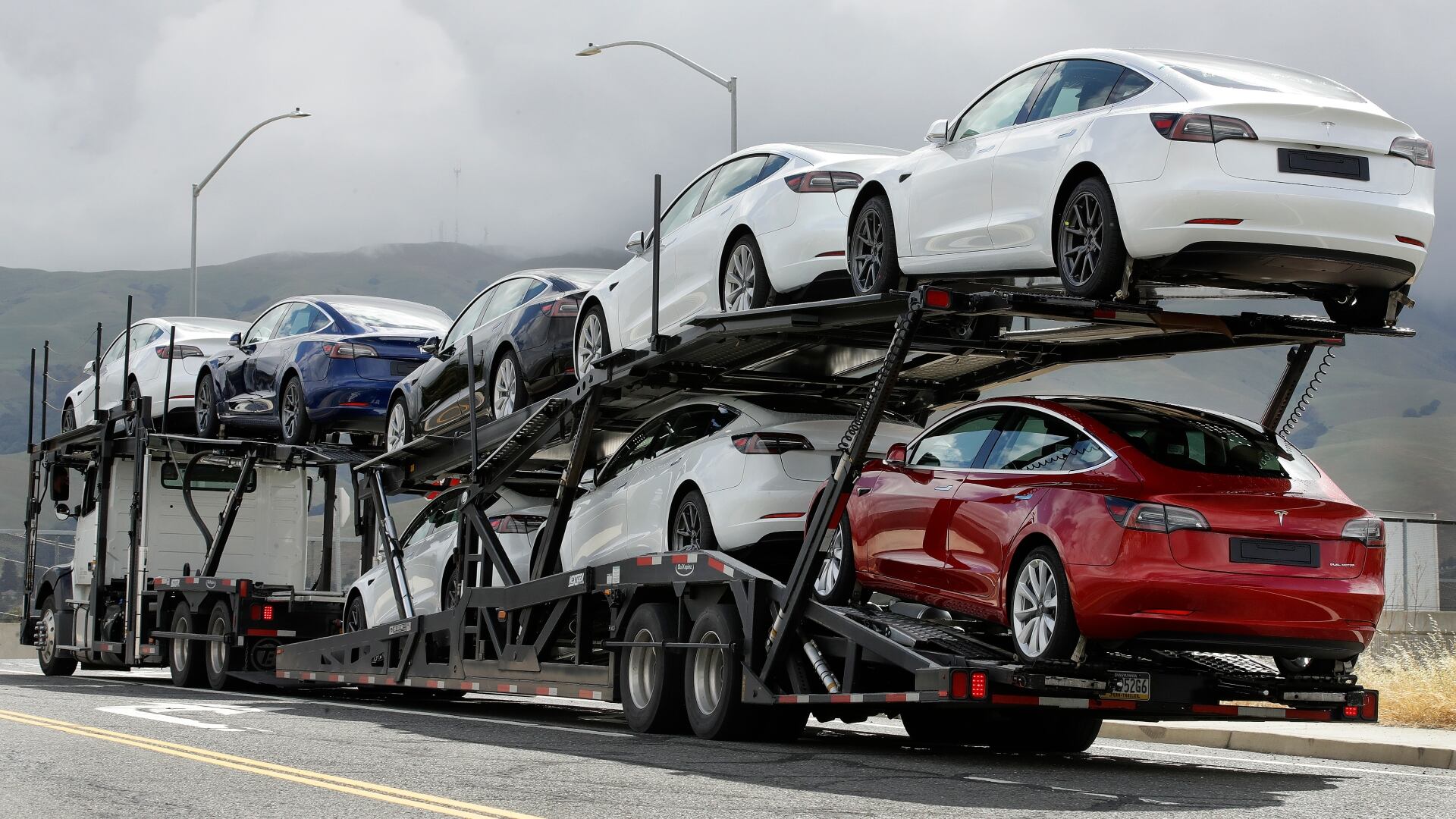
Tesla's 2021 Year in Review
The E-V maker Tesla has had a wild year. The company managed to continue to dominate the U.S. electric vehicle space despite growing competition and production delays. As the end comes to an end, Tesla finds itself growing richer and richer. Author of Risk Ritual Newsletter Richard Smith, joined Cheddar to discuss more.
Load More