Cargo CEO on Uber Partnership: We Want to Reinvent the Experience
*By Max Godnick*
Uber redefined the ride-hailing industry for driversーnow it's adding another level of convenience to the passenger seat.
Last week, the company launched an exclusive global partnership with Cargo, the in-car commerce platform that allows drivers to sell daily essentials to riders. The service was already live in seven U.S. cities and has expanded to Los Angeles and San Francisco as part of the new deal.
The announcement marks the next phase of growth for Cargo, which has close to 8,000 drivers and has seen its fleet expand by 35 percent month over month since its rollout in 2017.
"The fastest way for us to really scale our platform and get Cargo into the hands of as many drivers as possible is to do it through Uber themselves," said Cargo founder & CEO Jeff Cripe in an interview with Cheddar on Monday. "We were united by wanting to provide the best in-car experience possible."
Uber drivers in Los Angeles and San Francisco can now collect Cargo boxes at driver support locations called Greenlight Centers. The boxes are filled with snacks, electronics, and cosmetics that customers can purchase. Cripe noted that many Uber drivers already offer these products but must pay out of pocket to do so.
Now, they can provide the same serviceーbut make money, instead of losing it.
"What \[drivers\] recognized in us was a partner that could streamline that and put that money back in their pockets as opposed to taking it out," Cripe said.
Cripe says drivers have, combined, made more than $1 million and sold over a million products to date. He added that those behind the wheel also tend to see their passenger ratings rise once they start using Cargo.
But will passengers be willing to spend on food and other items if fares surge?
Last week, Uber sent emails to its New York customer base, notifying them that its services may grow "more expensive and less reliable" if the city approves [new regulations](https://cheddar.com/videos/new-york-could-pump-the-brakes-on-ride-hailing-apps) for ride-sharing companies.
While New York is currently Cargo's largest market, Cripe says he's not concerned.
"I don't necessarily think any fare increases or decreases will have much of an effect on us."
As for the future, Cripe says the company is paying close attention to Uber's plans for self-driving taxis. He explained that autonomous fleets would require a system for unattended merchandisingーbut he revealed it's a reality he's preparing for. He also sees more opportunities for entertainment, gaming, and connectivity.
"We want to establish ourselves as the leading provider of in-car service for ride sharing," Cripe said. "So, when autonomy does roll around, we're the best logistics provider in the market."
For full interview, [click here] (https://cms.cheddar.com/videos/VmlkZW8tMjEzMTg=).
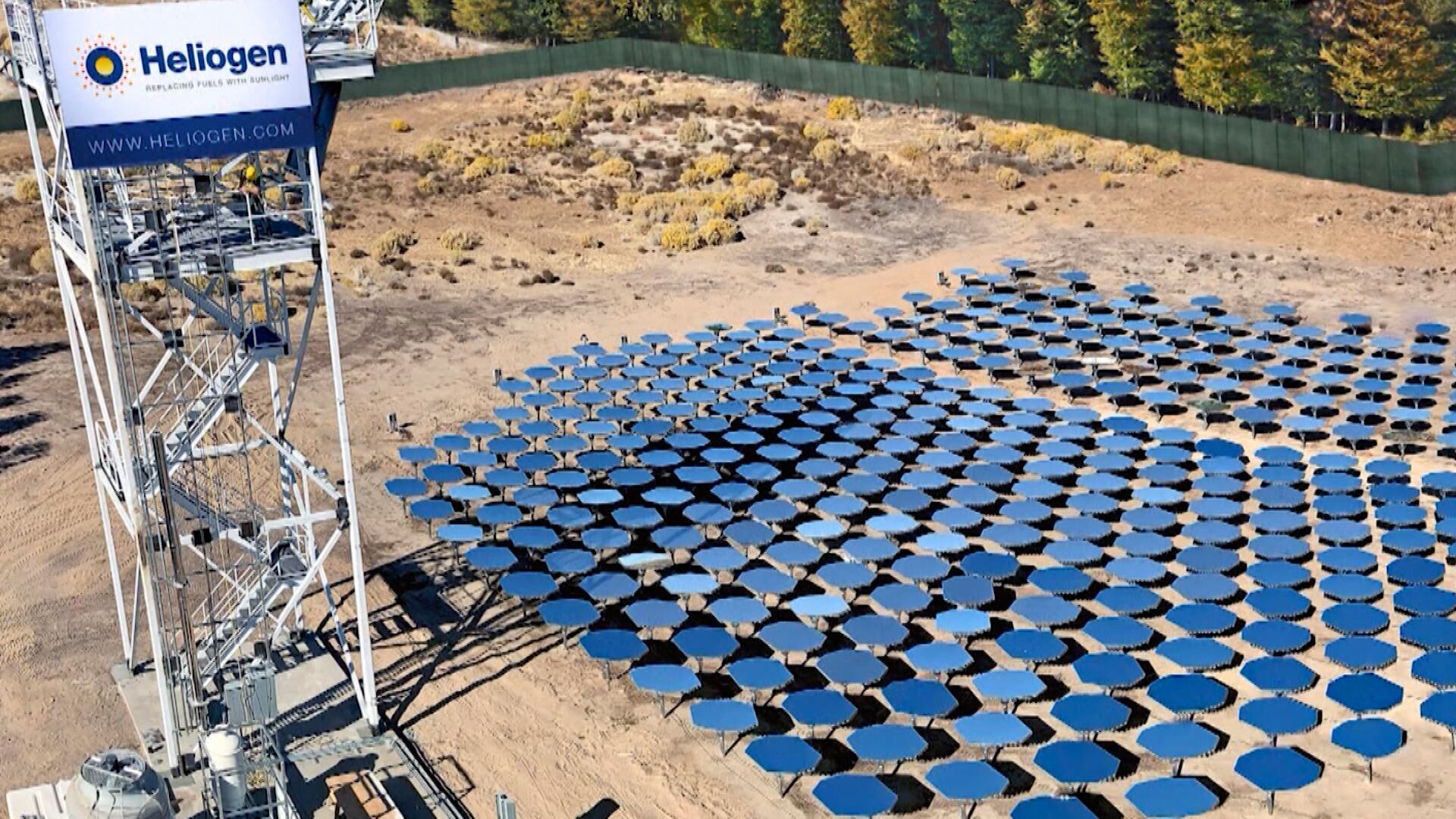
Renewable energy company Heliogen has gone public via a SPAC merger with blank check company Athena Technology Acquisition Corp. on the NYSE. Joining Cheddar, founder and CEO Bill Gross went into why he felt the end of 2021 was the best time to get into the public markets. "If you think of the Industrial Revolution and the digital revolution, this renewable revolution is probably going to be as big or larger than that," he said. "So we're going to use this capital to scale our business, to meet more customer demand, to do more projects in parallel, and to scale our research and development to continue to drive down the price to be competitive with fossil fuels."
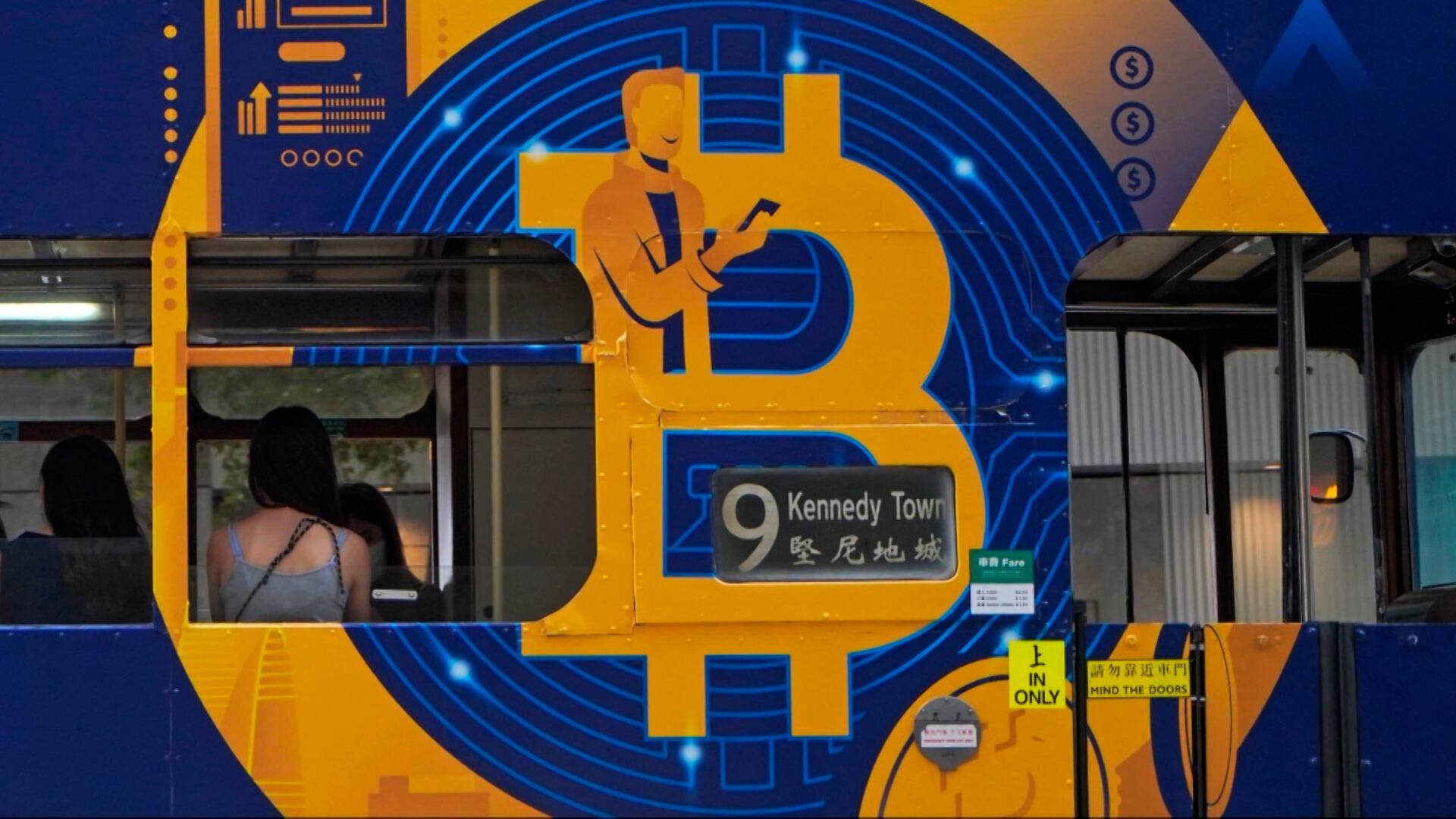
Carl "The Moon" Runefelt, a Bitcoin investment expert, recently made a hefty purchase of a $2 million Bugatti sports car at a Dubai dealership. The Swedish crypto evangelist joined Cheddar to talk about how he made the big acquisition of a luxury item he had long had his eye on and why he chose the dealership, The Car Vault, to make the unprecedented transaction. "They accepted crypto directly, and that was important to me," he said. "I am not going to go to any car dealership that don't accept crypto, and that's kind of a principle I have today."
2021 proved that crypto currency is here to stay. This year saw more and more adoptions of crypto, from top athletes looking to be paid in bitcoin, to Elon Musk even experimenting with bitcoin and dogecoin payments for a bit over at Tesla. And it wasn't all bitcoin either - other cryptos like Cardano and Solana saw some action in 2021 as well. Patrick McConlogue, CEO of Overline and former Citadel Investment Group Engineer explains why 2021 was such a good year for crypto, and what to expect in 2022.
2021 saw markets continue to be impacted by the onslaught of the coronavirus pandemic -most recently in the form of the Omicron variant- in addition to the global supply chain shortage, and increased inflation. But it wasn't all bad news, as crypto soared throughout the year, and meme stocks continued to have a moment. With the year coming to a close, investors are keeping an eye out to see if they should expect more of the same in the new year. Chris Vecchio, Senior Analyst, at DailyFX tells us what market trends to be on the watch for in 2022.
2021 proved to be yet another formidable year for Tesla. In a year that saw electric vehicles carve out their own space in the transportation world, the company made further strides, keeping its spot on top even as new companies threatened competition. Tesla was able to hit the trillion dollar valuation mark, increase vehicle deliveries even as the world grappled with supply chain and delivery issues and sign a major deal with Hertz this year. And of course, you can't talk about Tesla without talking about Elon Musk, CEO and founder of the company, richest man in the world and Time Magazine Person of the Year, who saw plenty of successes in 2021 as well. Al Root, Senior Writer at Barron’s, explains just how good a year it was for Tesla.
David Ewalt, Editor-in-Chief at Gizmodo joins Cheddar News to discuss a TikTok moderator suing the platform over mental trauma caused by graphic videos