Cargo CEO on Uber Partnership: We Want to Reinvent the Experience
*By Max Godnick*
Uber redefined the ride-hailing industry for driversーnow it's adding another level of convenience to the passenger seat.
Last week, the company launched an exclusive global partnership with Cargo, the in-car commerce platform that allows drivers to sell daily essentials to riders. The service was already live in seven U.S. cities and has expanded to Los Angeles and San Francisco as part of the new deal.
The announcement marks the next phase of growth for Cargo, which has close to 8,000 drivers and has seen its fleet expand by 35 percent month over month since its rollout in 2017.
"The fastest way for us to really scale our platform and get Cargo into the hands of as many drivers as possible is to do it through Uber themselves," said Cargo founder & CEO Jeff Cripe in an interview with Cheddar on Monday. "We were united by wanting to provide the best in-car experience possible."
Uber drivers in Los Angeles and San Francisco can now collect Cargo boxes at driver support locations called Greenlight Centers. The boxes are filled with snacks, electronics, and cosmetics that customers can purchase. Cripe noted that many Uber drivers already offer these products but must pay out of pocket to do so.
Now, they can provide the same serviceーbut make money, instead of losing it.
"What \[drivers\] recognized in us was a partner that could streamline that and put that money back in their pockets as opposed to taking it out," Cripe said.
Cripe says drivers have, combined, made more than $1 million and sold over a million products to date. He added that those behind the wheel also tend to see their passenger ratings rise once they start using Cargo.
But will passengers be willing to spend on food and other items if fares surge?
Last week, Uber sent emails to its New York customer base, notifying them that its services may grow "more expensive and less reliable" if the city approves [new regulations](https://cheddar.com/videos/new-york-could-pump-the-brakes-on-ride-hailing-apps) for ride-sharing companies.
While New York is currently Cargo's largest market, Cripe says he's not concerned.
"I don't necessarily think any fare increases or decreases will have much of an effect on us."
As for the future, Cripe says the company is paying close attention to Uber's plans for self-driving taxis. He explained that autonomous fleets would require a system for unattended merchandisingーbut he revealed it's a reality he's preparing for. He also sees more opportunities for entertainment, gaming, and connectivity.
"We want to establish ourselves as the leading provider of in-car service for ride sharing," Cripe said. "So, when autonomy does roll around, we're the best logistics provider in the market."
For full interview, [click here] (https://cms.cheddar.com/videos/VmlkZW8tMjEzMTg=).
We are just one day away from what has been called the most influential tech event in the world. CES 2022 will officially kick off on Wednesday in Las Vegas, but the annual tech summit is being impacted by COVID-19, like so many other recent events. The Consumer Technology Association originally planned for a hybrid event to take place from January 5-8, with some in-person events and some virtual; however, a few big-name companies announced they will not be attending in-person, so the CTA decided to shorten the event by one day, with it now ending on Friday. Consumer electronics senior analyst Will Greenwald joins Cheddar News' Closing Bell to discuss.
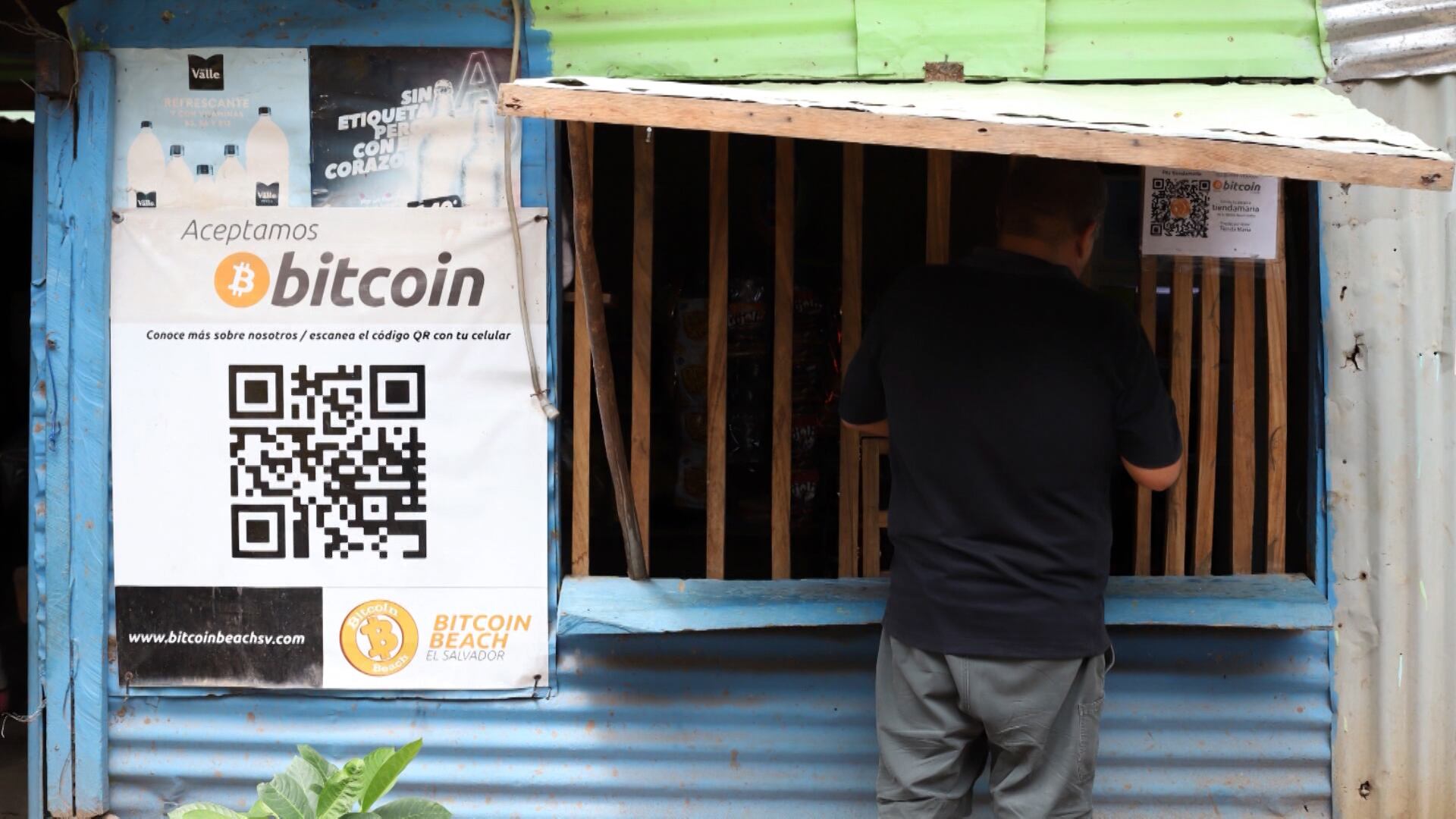
Harry Yeh, Managing Director at Quantum Fintech Group, joins Cheddar News' Closing Bell, where he explains why his firm has a target estimate of $400,000 for Bitcoin this year.
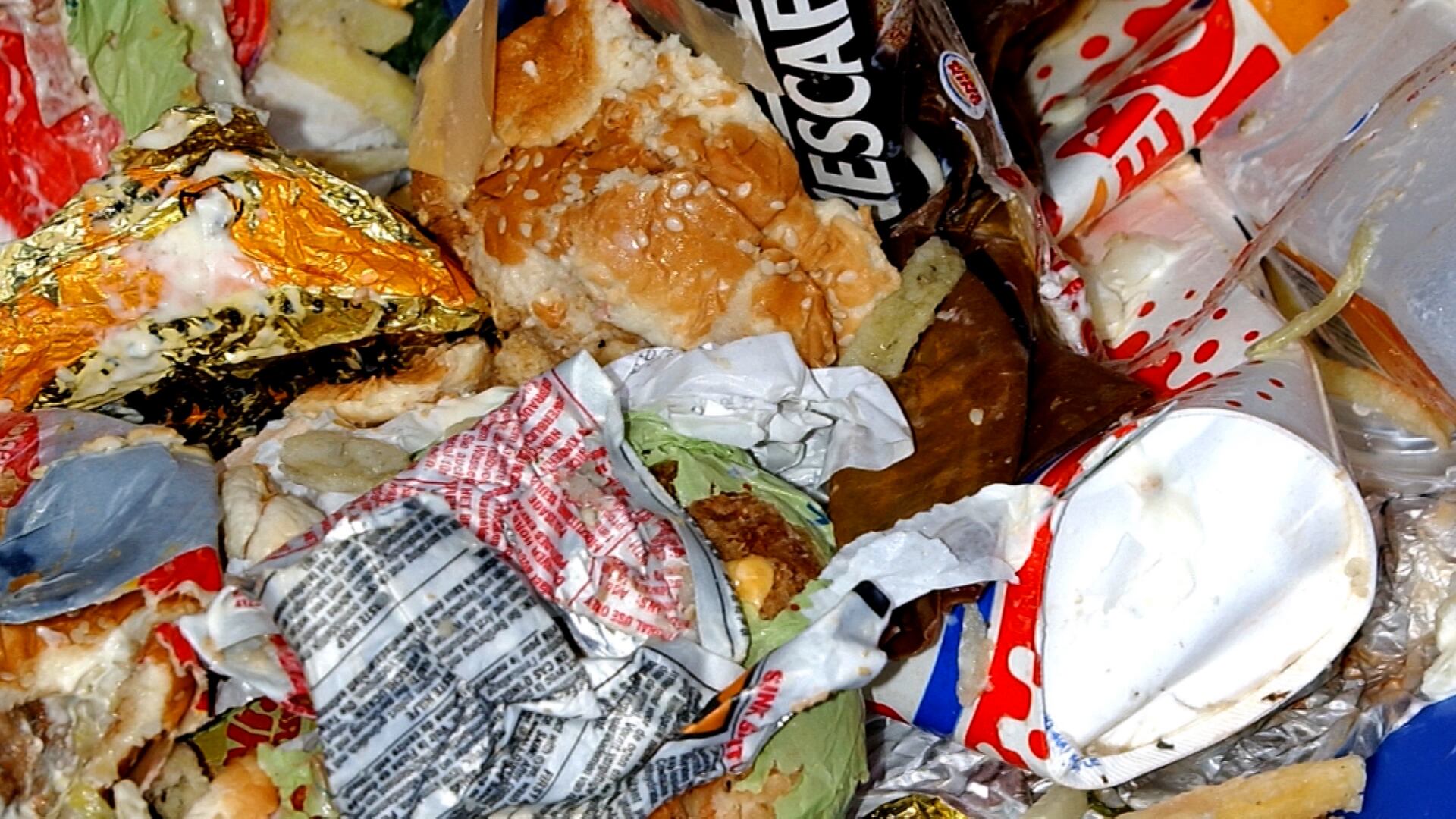
California's new composting law will affect what residents do in their kitchens. As of this week, Californians will have to recycle excess food in an effort to reduce emissions caused by food waste. Cities and counties will turn recycled food into compost or use it as a renewable energy source. California's new law is the largest mandatory residential food waste recycling program in the country. Rachel Wagoner, Director of the California Department of Resources, Recycling and Recovery called the law 'the biggest change to trash' since recycling started in the 1980s. She joined Cheddar Climate to discuss.
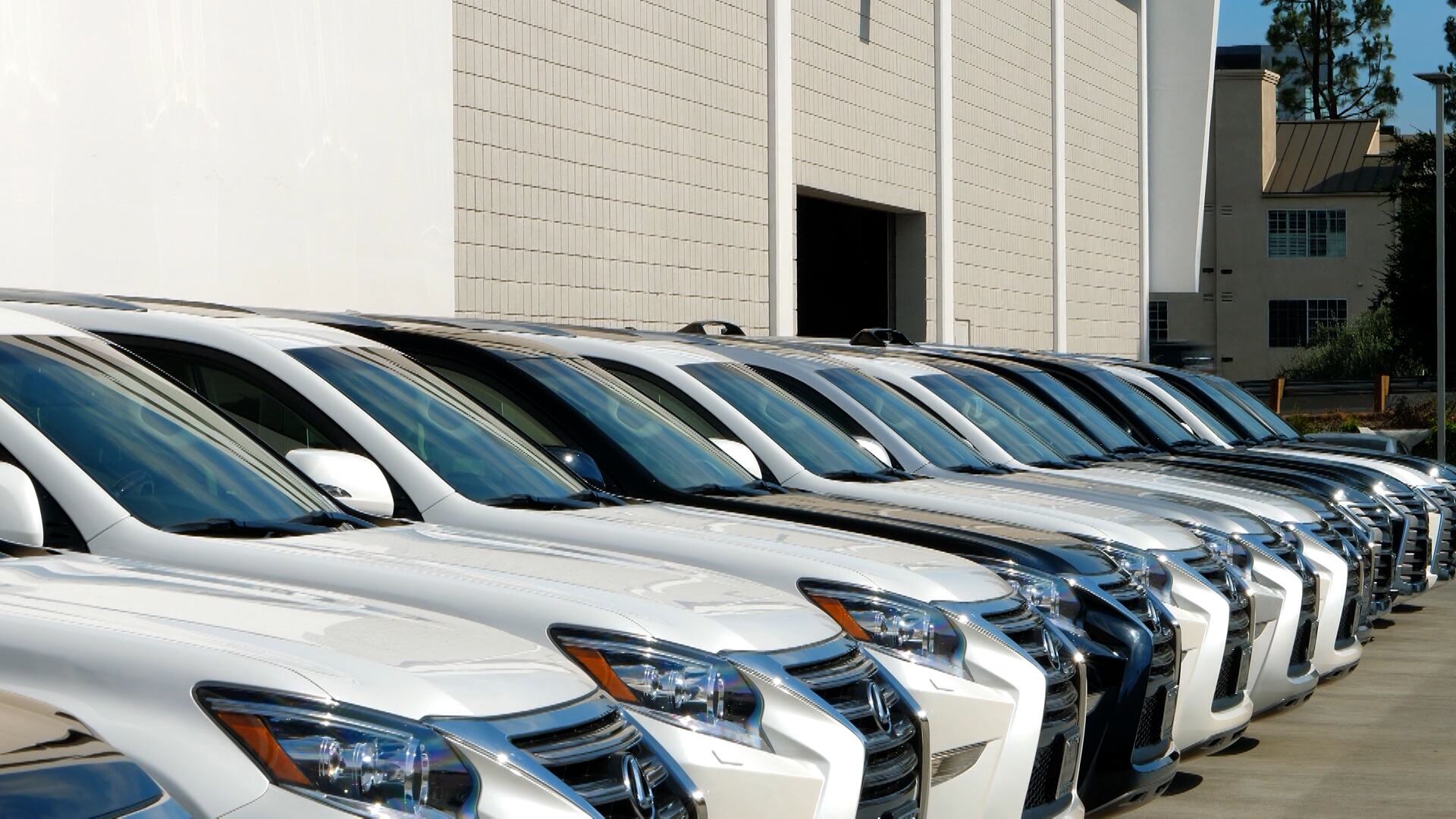
Like the big changeover to e-commerce for retail, the COVID-19 pandemic has moved car buying trends to the digital showroom. Karl Brauer, an executive analyst at iSeeCars.com, joined Cheddar to talk about the "mindset shift" in consumers and businesses to order-based systems in the United States (something more common in other countries). While more than 60 percent of consumers still prefer to visit dealerships in-person, Brauer noted that consumers are better off ordering a car to spec, which would also help improve supply constraints. "It's really bad right now to be building cars and not really knowing who's going to buy them or when they're going to sell," he said. Manufacturing a car to order would maximize the efficiency of obtaining materials through the supply chain rather than "shotgunning it" at dealerships.
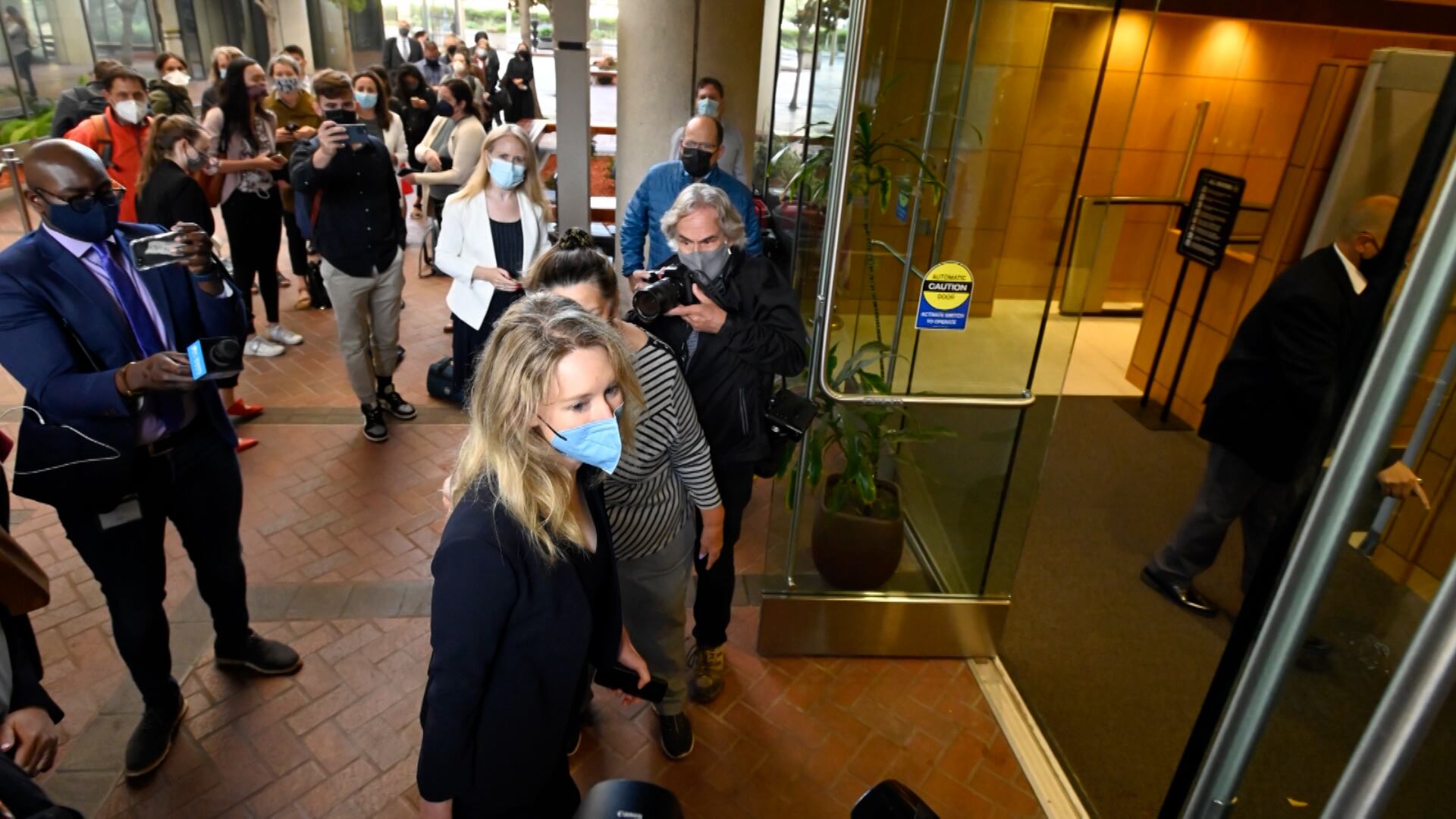
Mark MacDougall, attorney and former prosecutor with the criminal division of the Department of Justice, joined Cheddar to discuss the fraud conviction of Theranos founder Elizabeth Holmes. MacDougall addressed Holmes' stance that what she did was no different than any other Silicon Valley startup's approach to business and how this will shake out for the industry going forward. "I can't imagine it doesn't have some salutary effect on entrepreneurs and people involved in new ventures going forward," he said. Holmes was found guilty on 4 of 11 counts, with each carrying a maximum of 20 years in prison, but MacDougall explained that the lengthy prison sentences were unlikely.
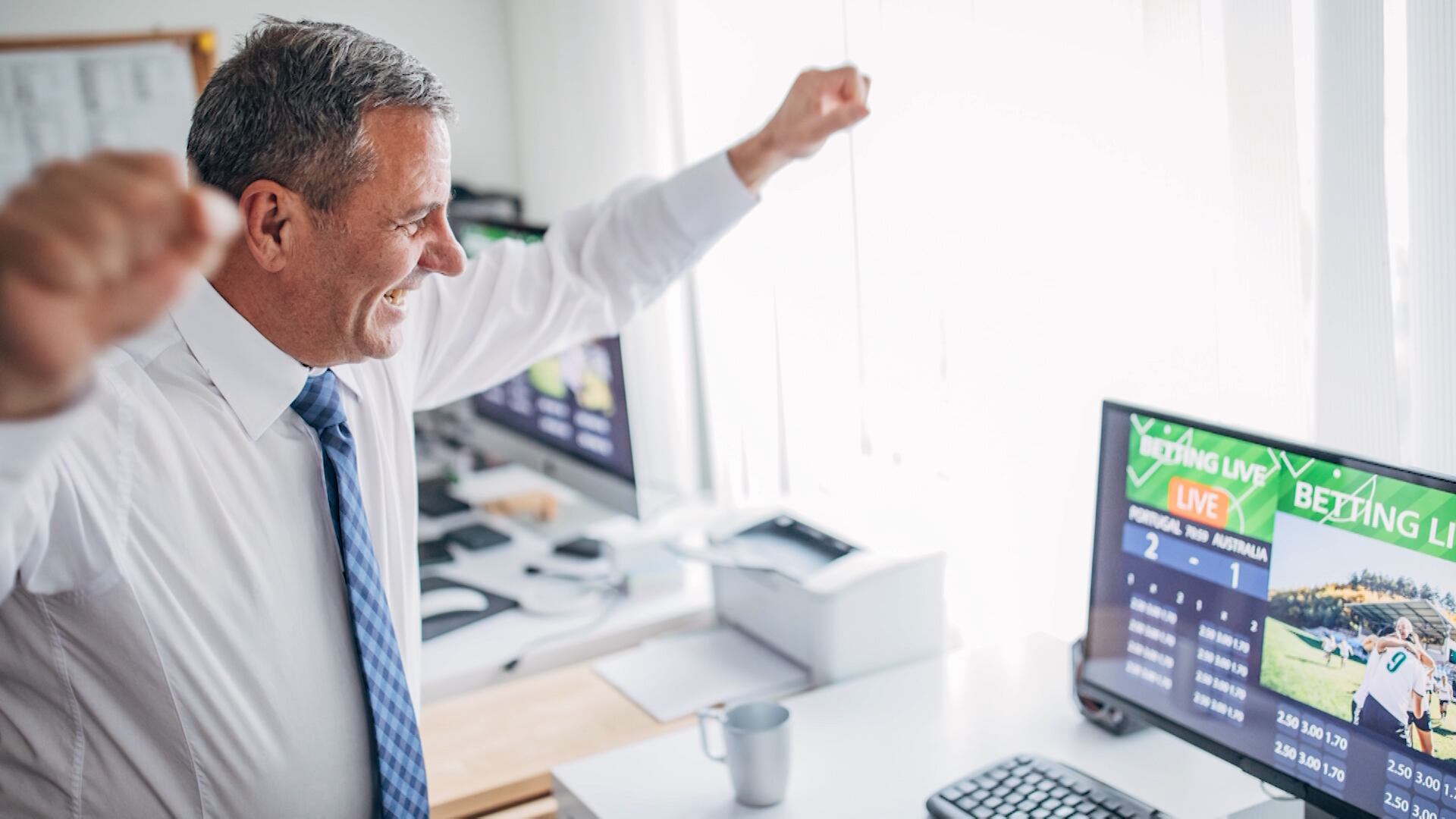
Sports betting is going mainstream in the United States. Dozens of states have legalized it, California is set to do the same this year. Arizona, which legalized sports betting in September, set new national records for gambling in its first months. Daniel Graetzer, CEO of Maximbet, joins Cheddar News to discuss what's next for the booming industry.
A new report from ProPublica and the Washington Post found that Facebook Groups played a major role in the spread of misinformation linked to the January 6 insurrection with more than 650,000 posts claiming that Joe Biden's election victory was illegitimate.
On this episode of Cheddar Reveals, Dr. Anita Gupta, Adjunct assistant professor of anesthesiology and critical care medicine at the Johns Hopkins University School of Medicine, shares her forecast for the healthcare industry in 2022; Waseem Asghar, Ph.D., Associate Professor, Department of Computer & Electrical Engineering and Computer Science, Florida Atlantic University, breaks down the latest progress, trends, and innovations in wearable health tech; Cheddar gets a look at Curiosity Stream's 'Hacking our Biome.'
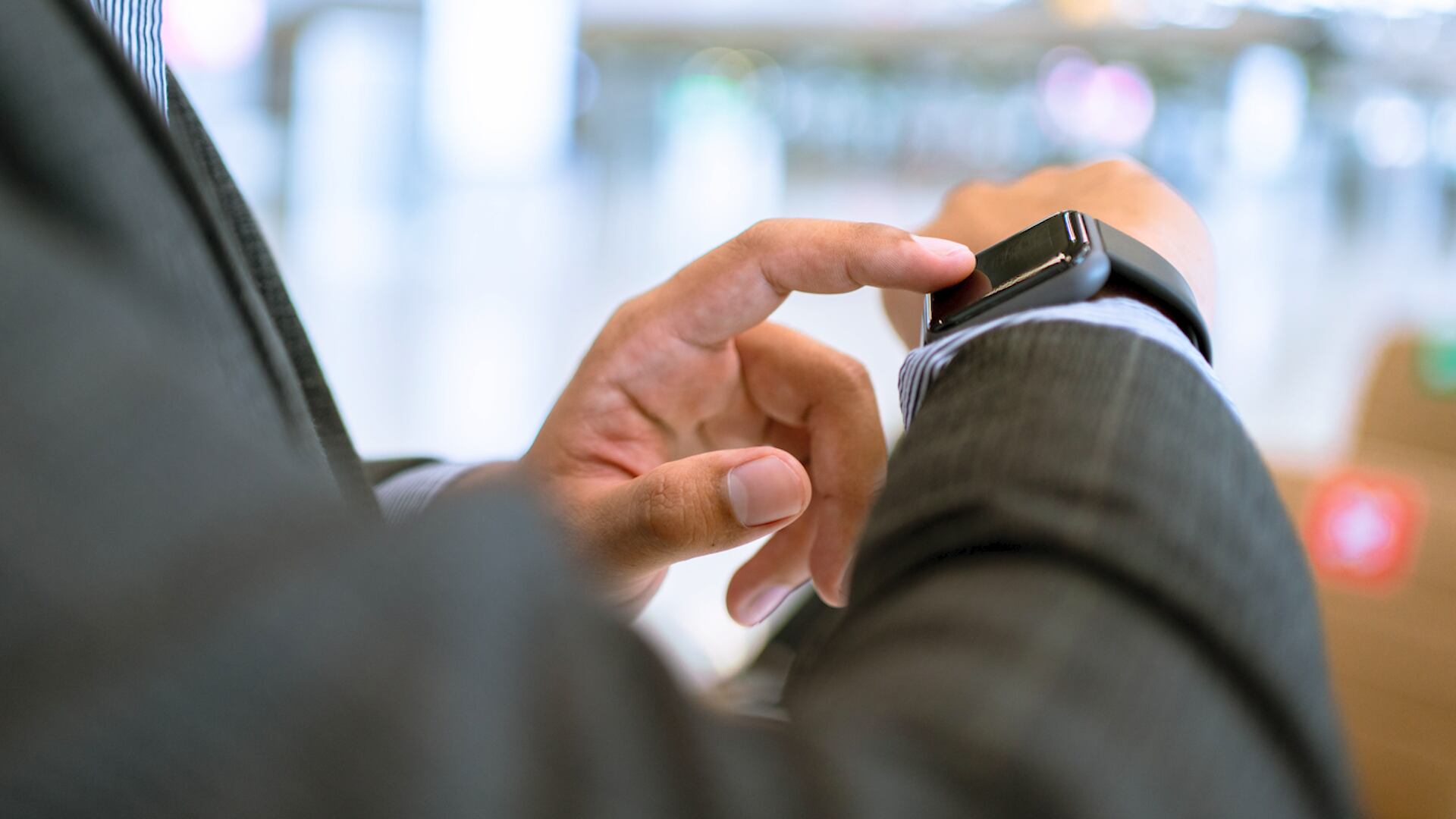
Waseem Asghar, Ph.D., Associate Professor, Department of Computer & Electrical Engineering and Computer Science, Florida Atlantic University, joins Cheddar Reveals to break down the latest progress, trends, and innovations in wearable health tech.